Green Mountain Scenic Byway Native Garden
Welcome to our Green Mountain Scenic Byway demonstration garden made possible through the Florida Wildflower Foundation Viva Florida grant.

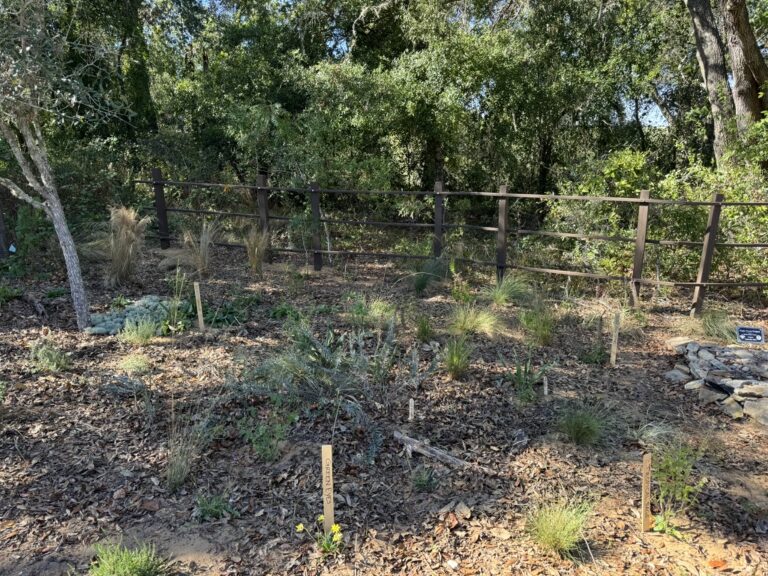
Welcome to our Green Mountain Scenic Byway demonstration garden made possible through the Florida Wildflower Foundation Viva Florida grant.
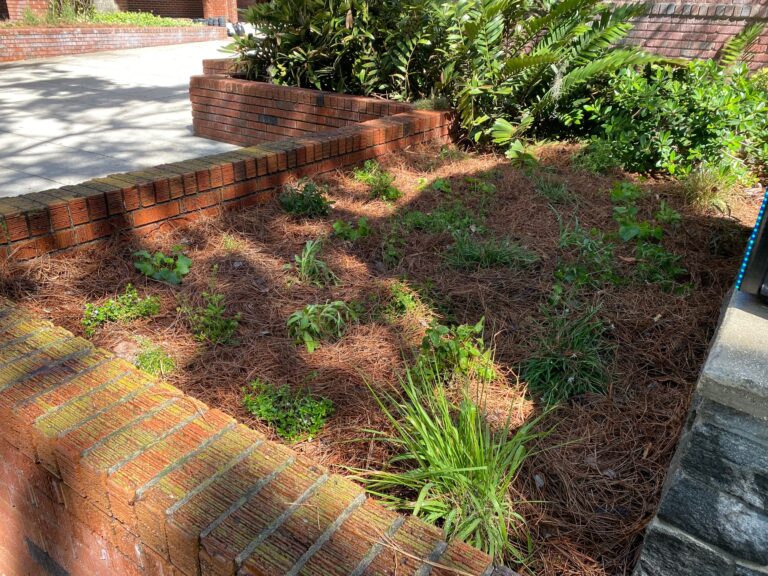
The New Port Richey Public Library in Pasco County was selected to pilot the Seeds of Knowledge Library Demonstration Garden Grant in spring 2025.
Protecting Pollinators Know your native pollinators “Know your native pollinators” is a series of articles that will help you identify and appreciate Florida’s varied pollinators, including bees, wasps, butterflies, moths, beetles, flies, birds and bats. Monarchs and Milkweed The beauty and amazing migratory journey of the Monarch butterfly (Danaus plexippus) has captivated the public’s interest….
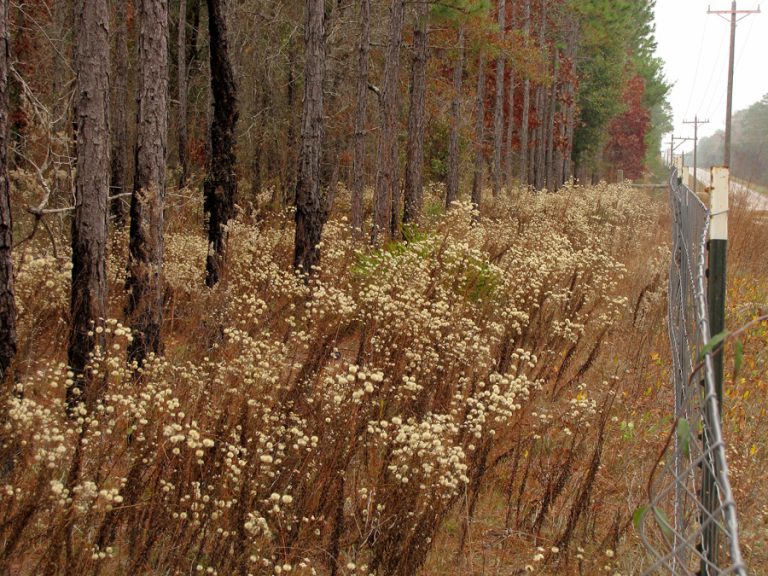
At this time of year, the foliage of many native grasses has senescensed, or is senescensing — the technical term for dead or dying. So, it’s time cut them back, right? Not so fast.
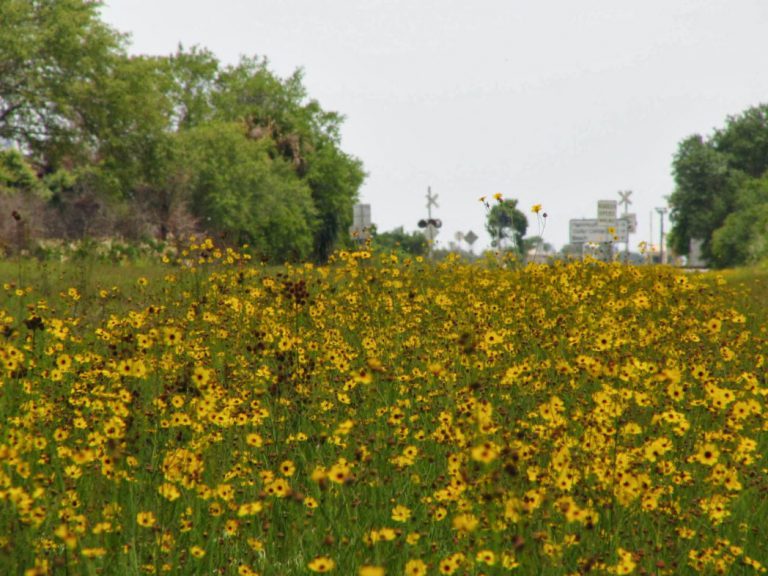
This bloom report is from November 2017. In November, the foliage of many native grasses has senesced. The various shades of brown and reddish brown that native grasses exhibit through the latter stages of life adds an aesthetic that appeals to many folks.
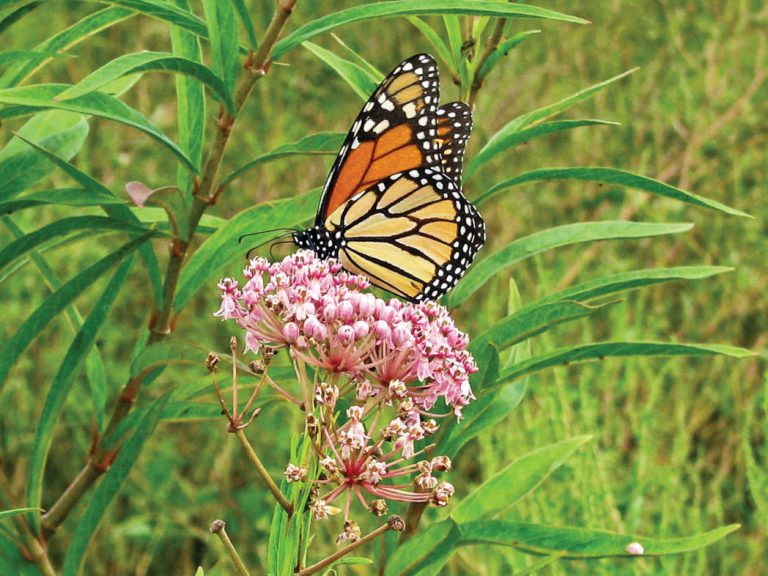
Tropical milkweed can enable monarchs to continue breeding well into fall and winter, causing populations to persist longer in certain areas than they naturally would. Unfortunately, this can foster higher than normal infection rates by a lethal protozoan parasite.
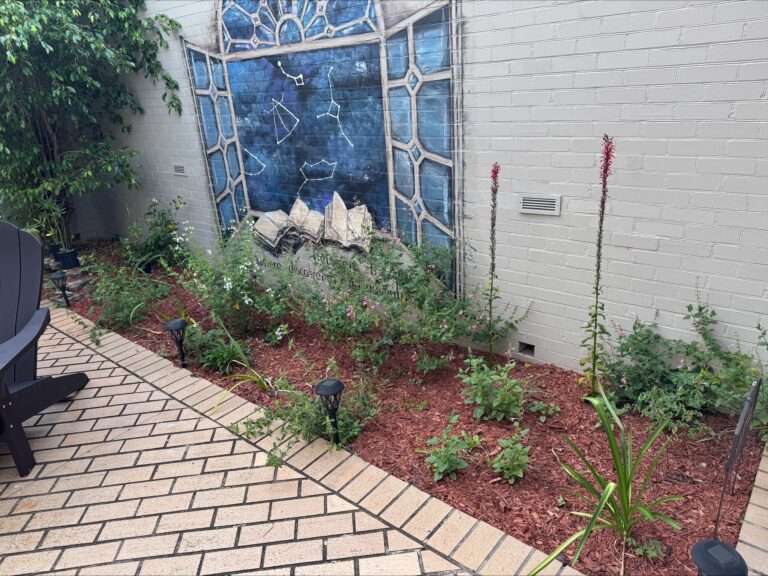
The Hernando County Public Library in Brooksville was selected to pilot the Seeds of Knowledge Library Demonstration Garden Grant in spring 2025.
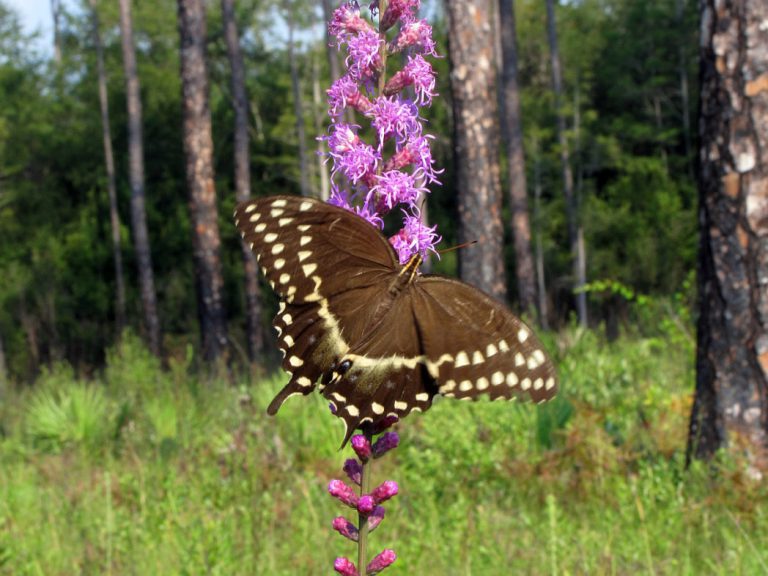
Pollinators and the native plants that support them have come to the forefront this year. The showiest of the pollinators are the butterflies, which often are seen flitting around native wildflowers.
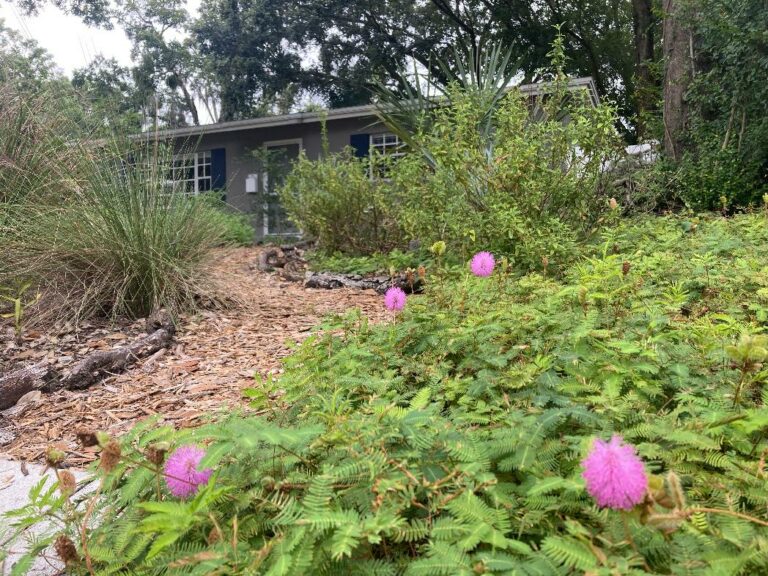
Executive Director Stacey Matrazzo shares her journey of transforming her home landscape into a native garden and highlights some of Florida’s tried-and-true, easy-to-grow native plants.
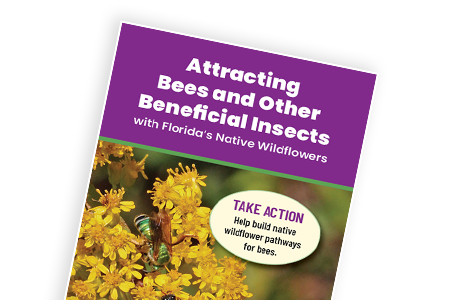
You can help provide food and habitat for Florida’s native bees and other beneficial insects by landscaping with native wildflowers. Versión en español disponible.
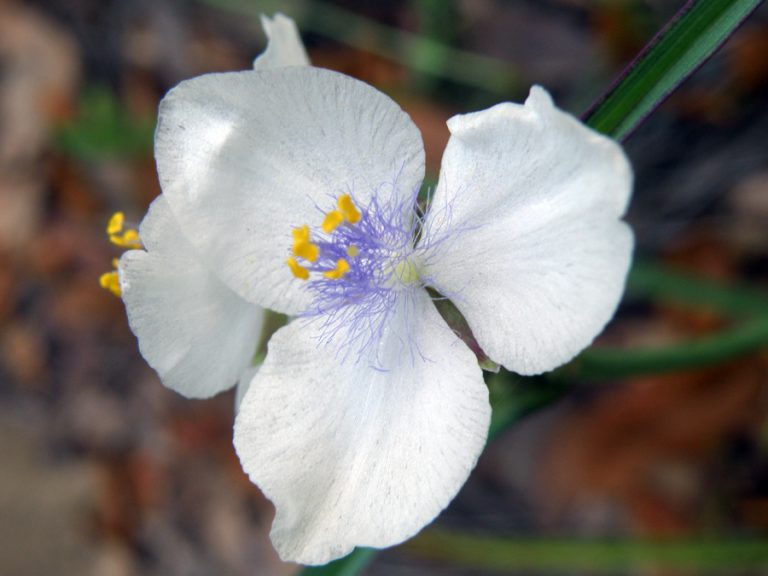
Imagine yourself as a native Indian or early explorer 500 hundred years ago trying to survive in Florida. There is quite a compendium of knowledge about early uses of native trees and shrubs, but what about wildflowers?
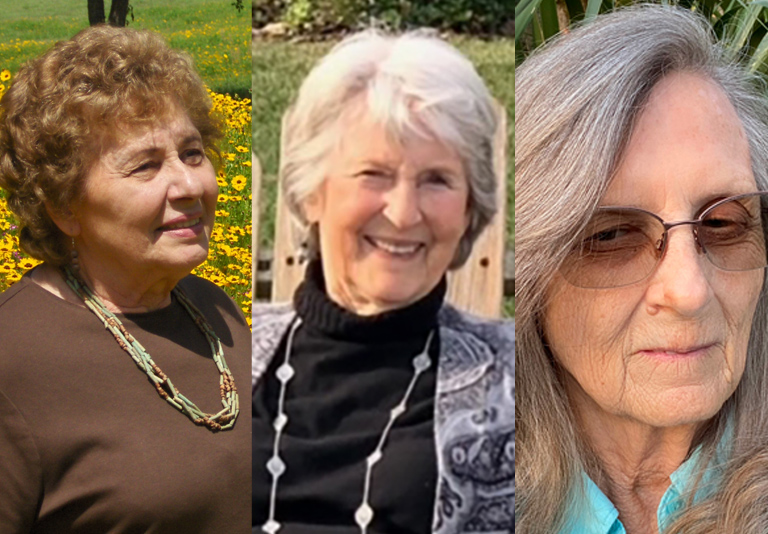
Florida Wildflower Foundation and Florida Native Plant Society honor Anne MacKay, Carolyn Schaag and Nancy Bissett for their lifetime dedication to our native flowers.