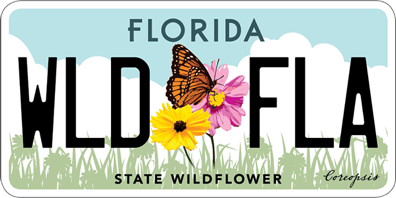
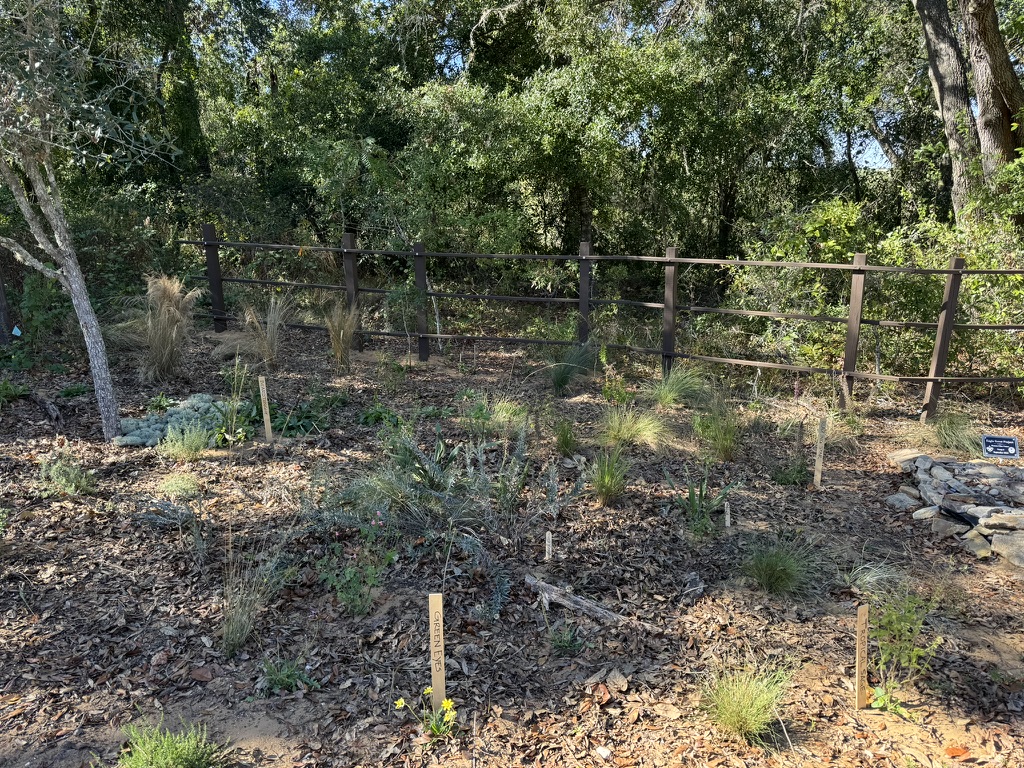
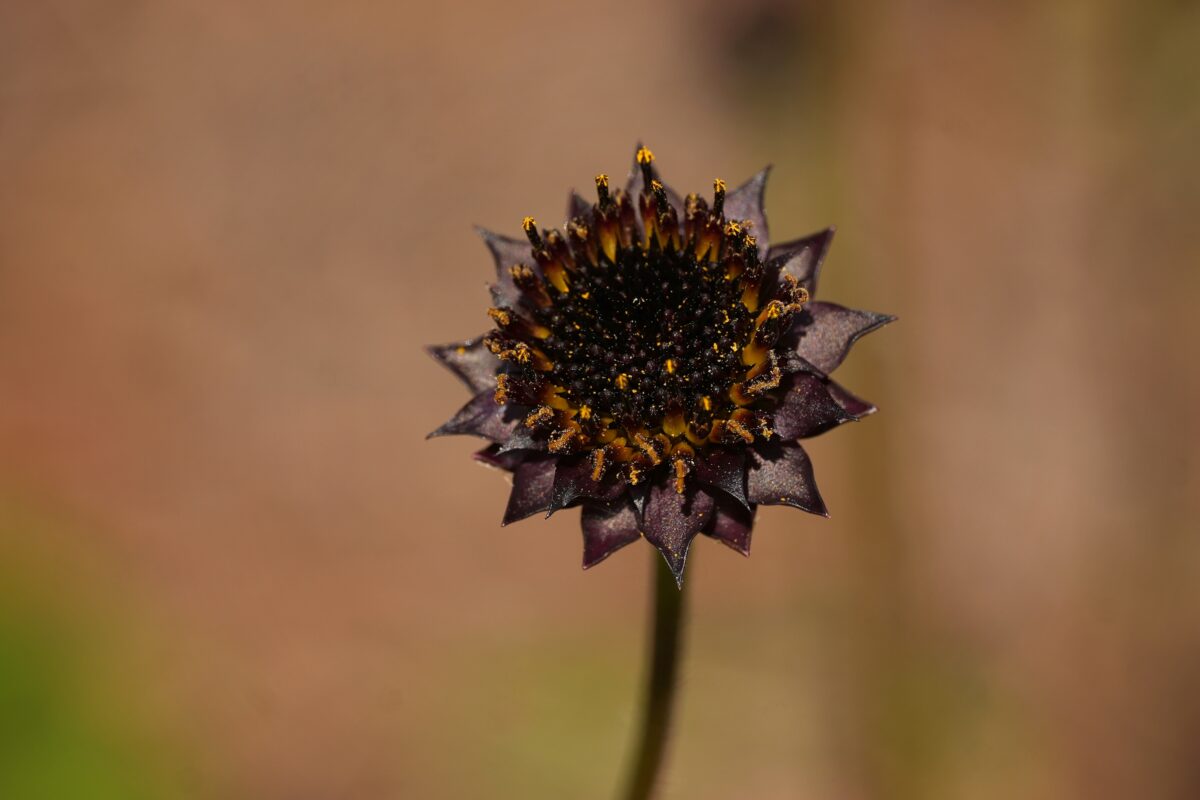
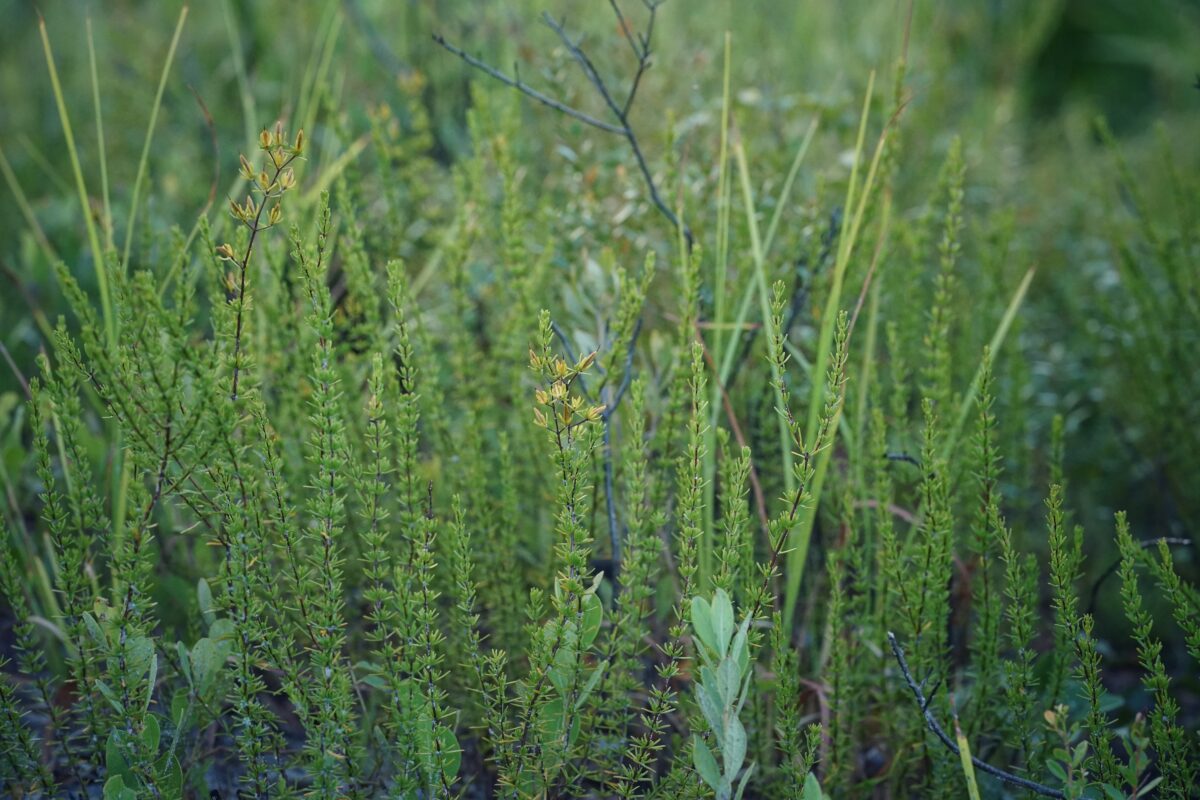
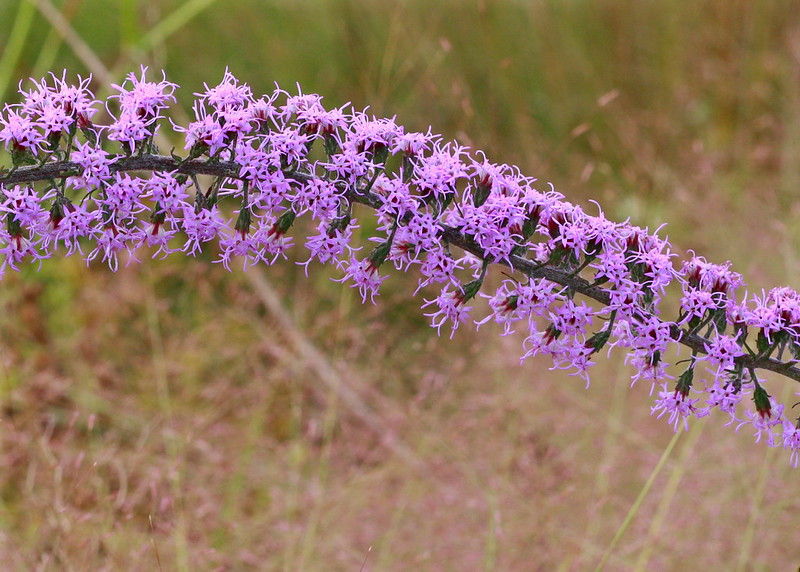
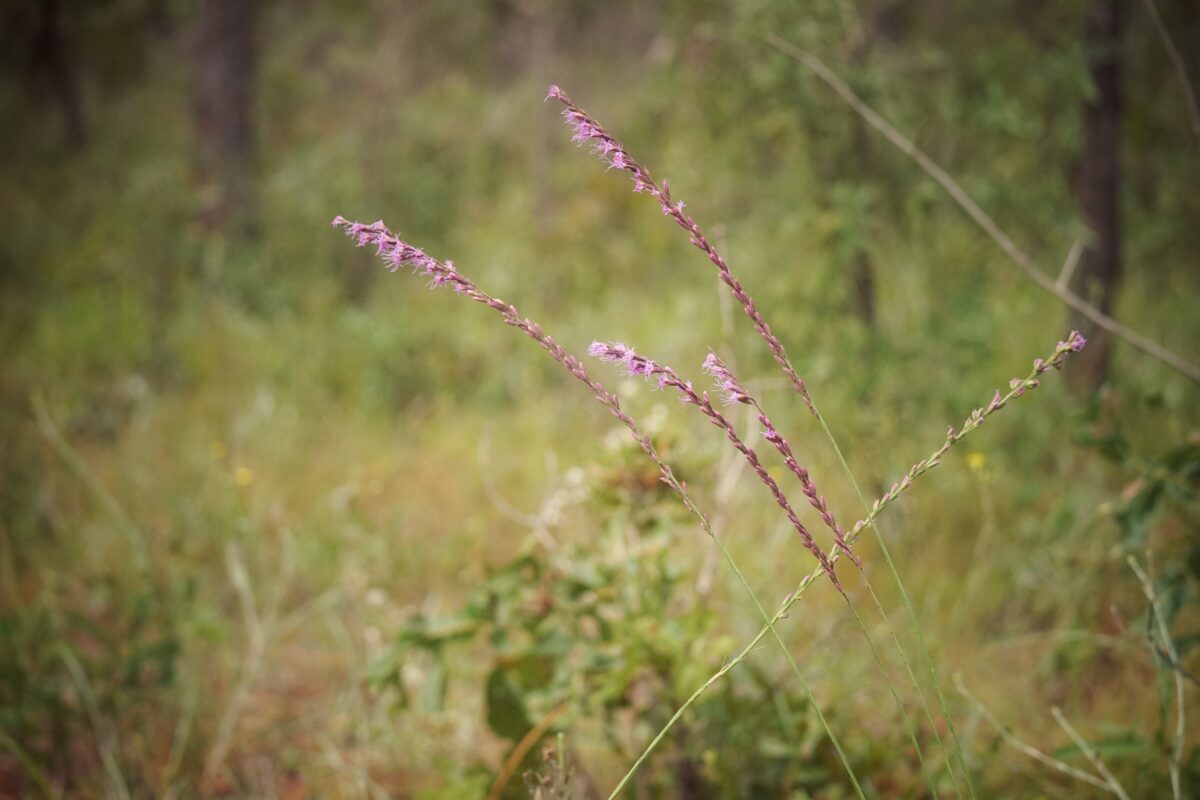
Welcome to our native wildflower demonstration garden! The purpose of this garden is to promote the use of native plants for creating diverse landscapes which, in turn, promote wildlife diversity and ecological stability. We hope you enjoy learning more about the following Florida native wildflower species and are inspired to create a habitat oasis all your own! Thank you for visiting.
The garden was made possible by a grant from the Florida Wildflower Foundation.
The garden is located at Green Mountain Scenic Byway, 20700 County Rd 455, Minneola, FL 34715 (MAP).
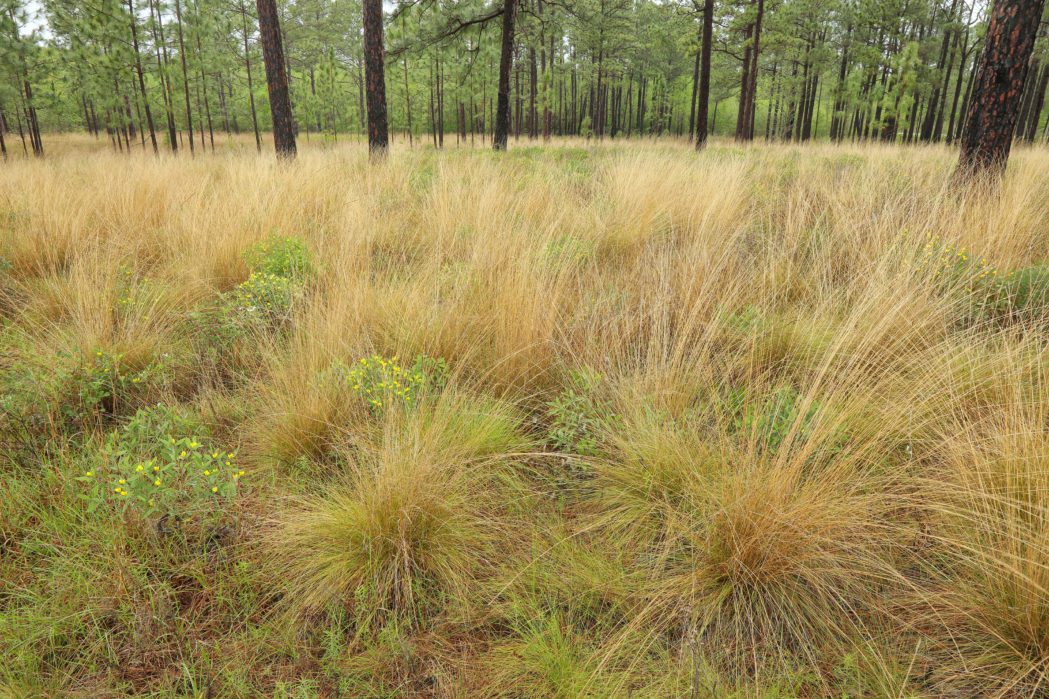
Wiregrass (Aristida stricta) is a perennial bunchgrass found in scrub, pinelands and coastal uplands throughout much of Florida. It is is a primary food source for gopher tortoises.
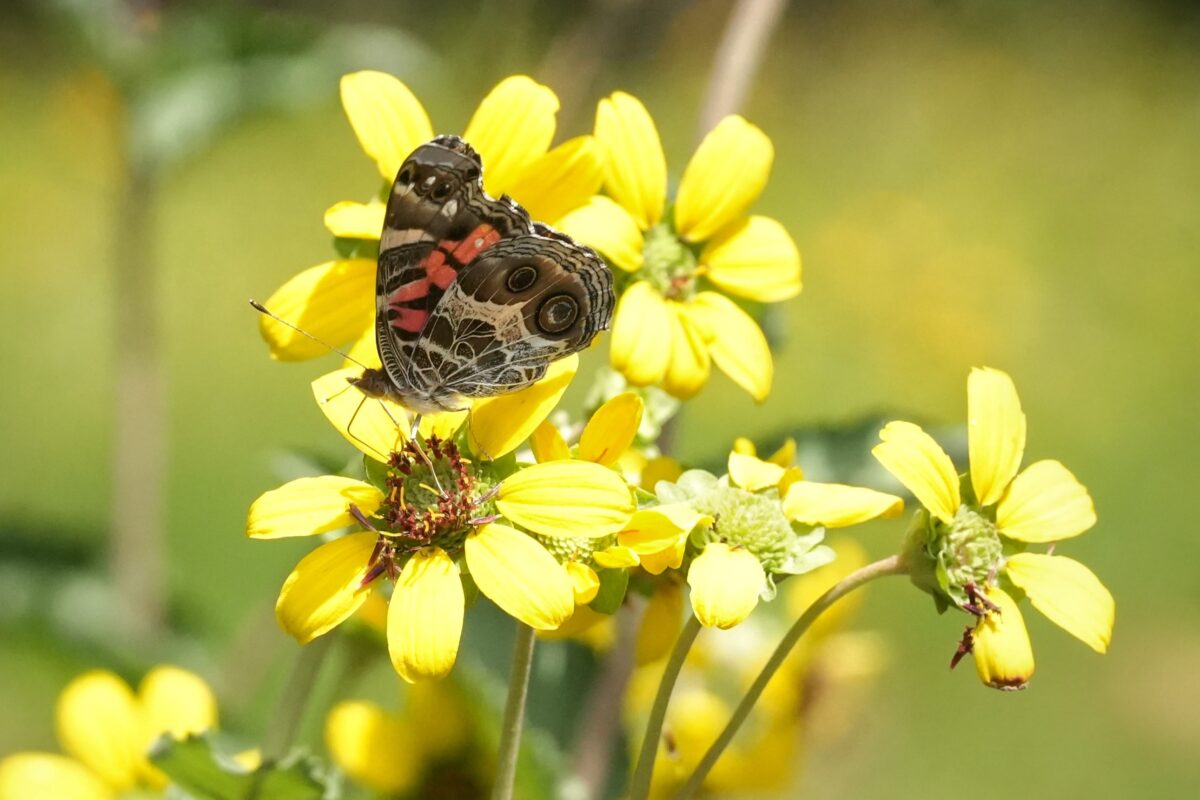
Florida greeneyes (Berlandiera subacaulis) is an endemic wildflower found in Florida’s sandhills, pine flatwoods, mixed upland forests, and along dry roadsides. Their bright yellow flowers bloom in spring, attracting a…
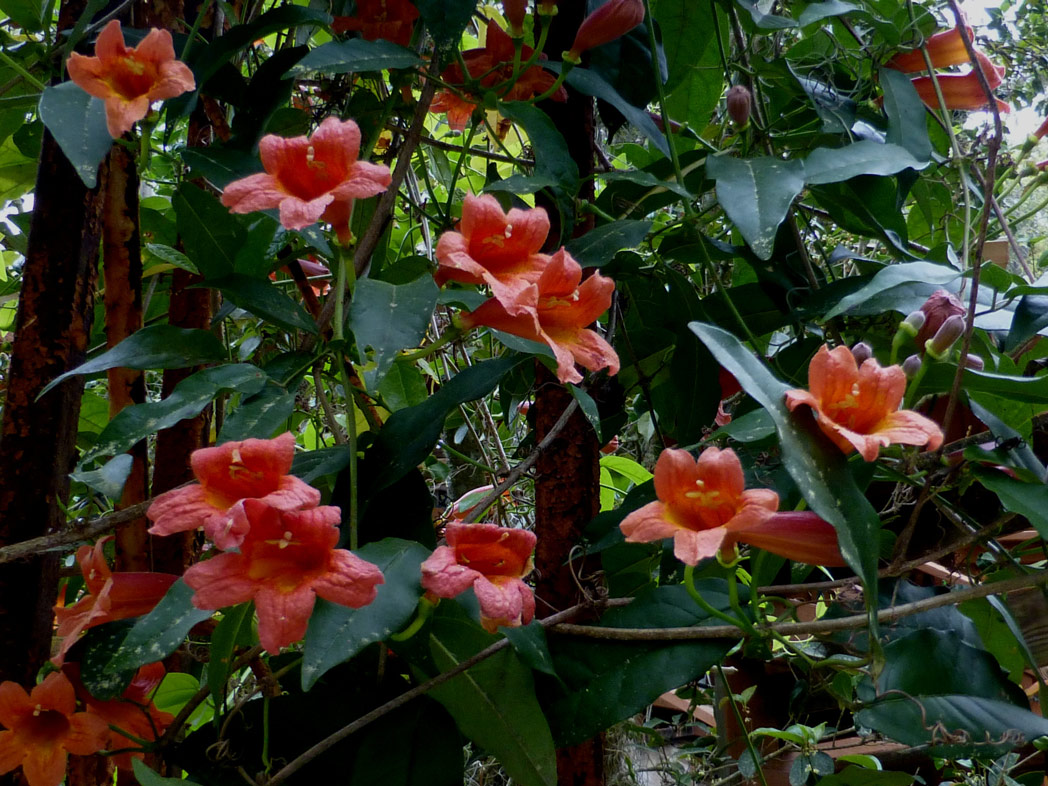
Crossvine (Bignonia capreolata) puts on a spectacular spring display of orange tubular flowers. They are mainly pollinated by hummingbirds but also attract some butterflies.
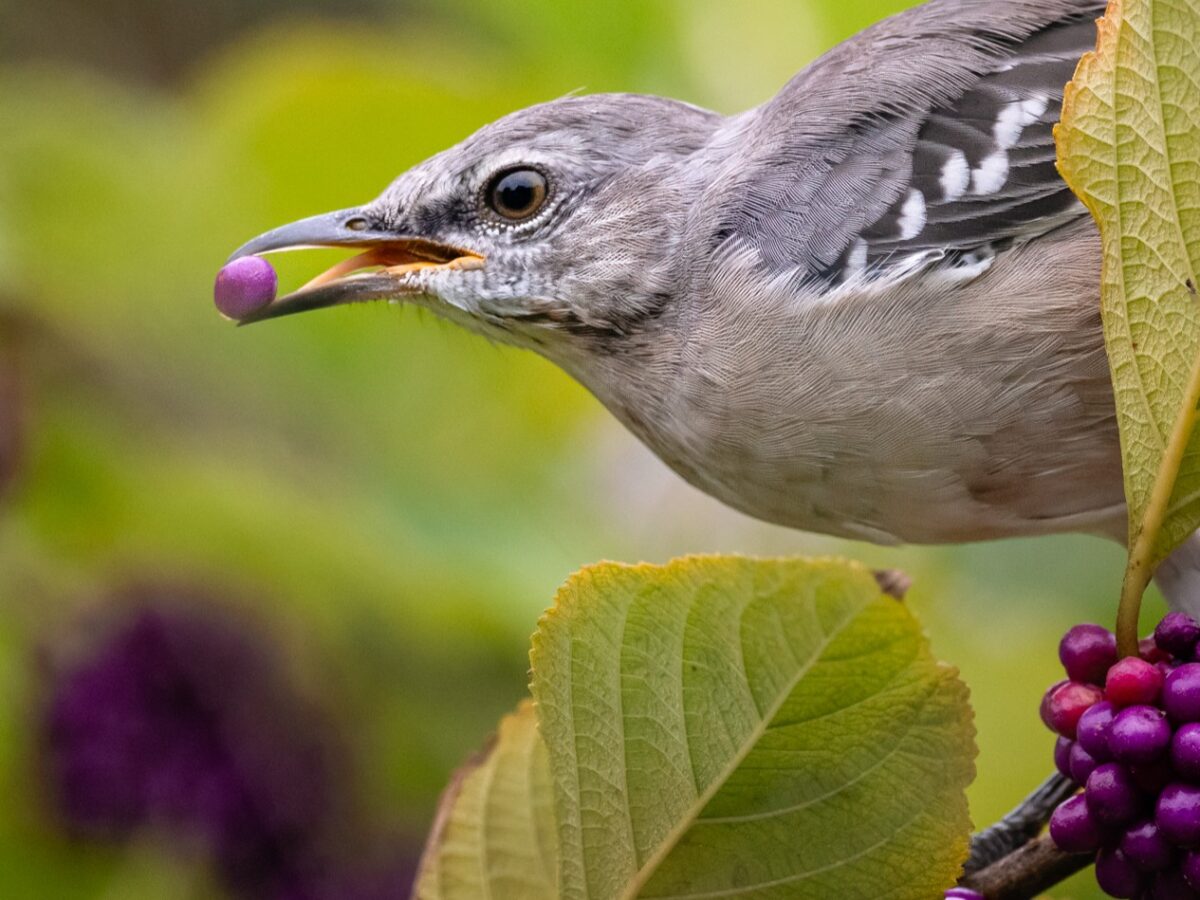
American beautyberry (Callicarpa americana) is a woody shrub found in pinelands and hammocks throughout Florida. Its flowers are a nectar source for pollinators, while the numerous berries provide food for…
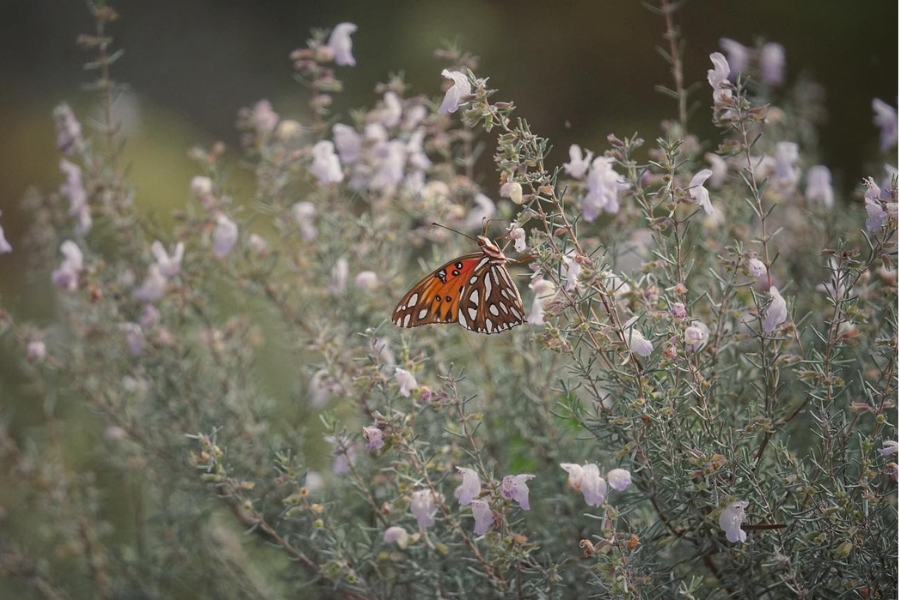
False rosemary (Conradina canescens) occurs naturally in sand pine scrub and sandhills. Many pollinator species are attracted to false rosemary, but bees are the most prominent visitor.
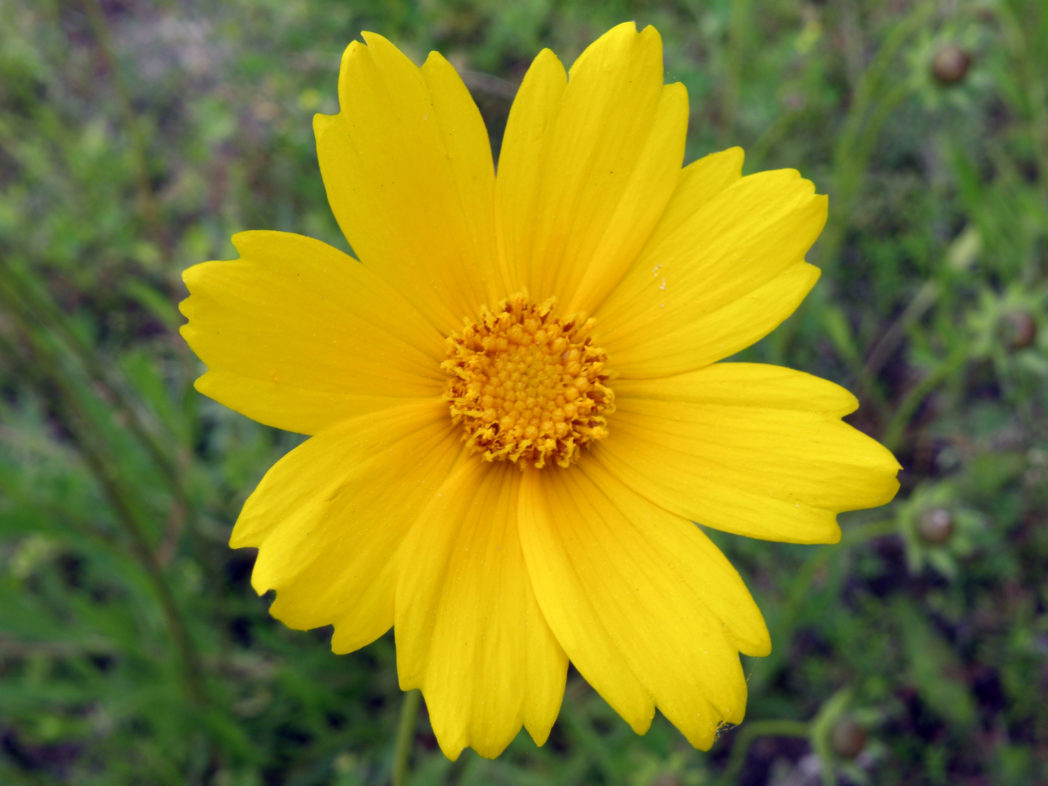
Lanceleaf tickseed (Coreopsis lanceolata ) has conspicuously sunny flowers that typically bloom in spring. It attracts butterflies and other pollinators, and its seeds are eaten by birds and small wildlife.
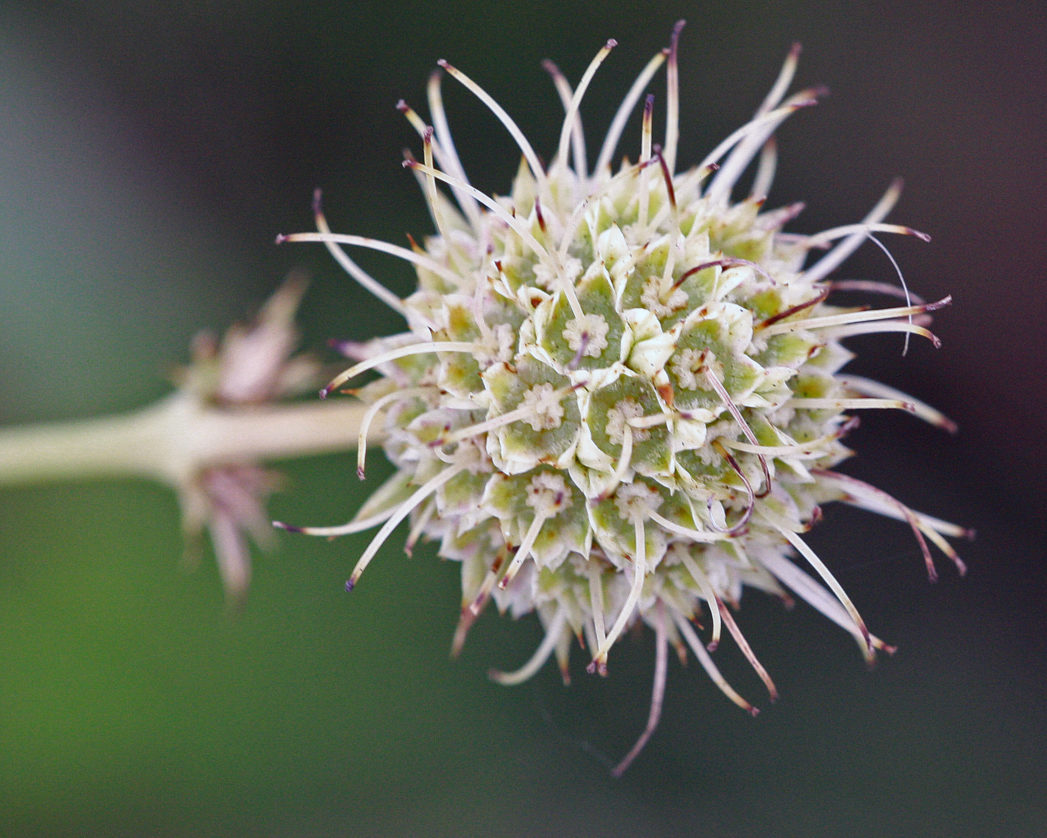
Button rattlesnakemaster (Eryngium yuccifolium ) is a peculiar perennial wildflower that occurs in flatwoods, sandhills, savannas and marshes throughout Florida. It blooms in late spring through fall.
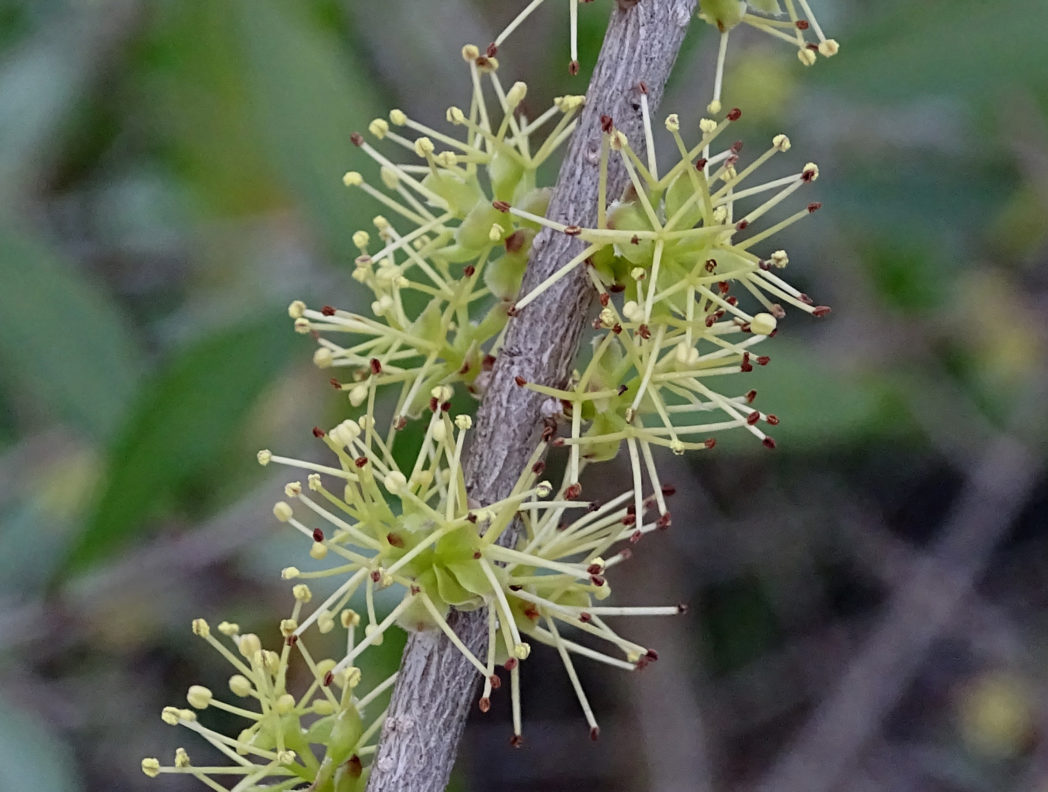
Florida swampprivet (Forestiera segregata) typically blooms in early spring before leaves emerge, but the plant may bloom year-round. Bees and butterflies love the flowers.
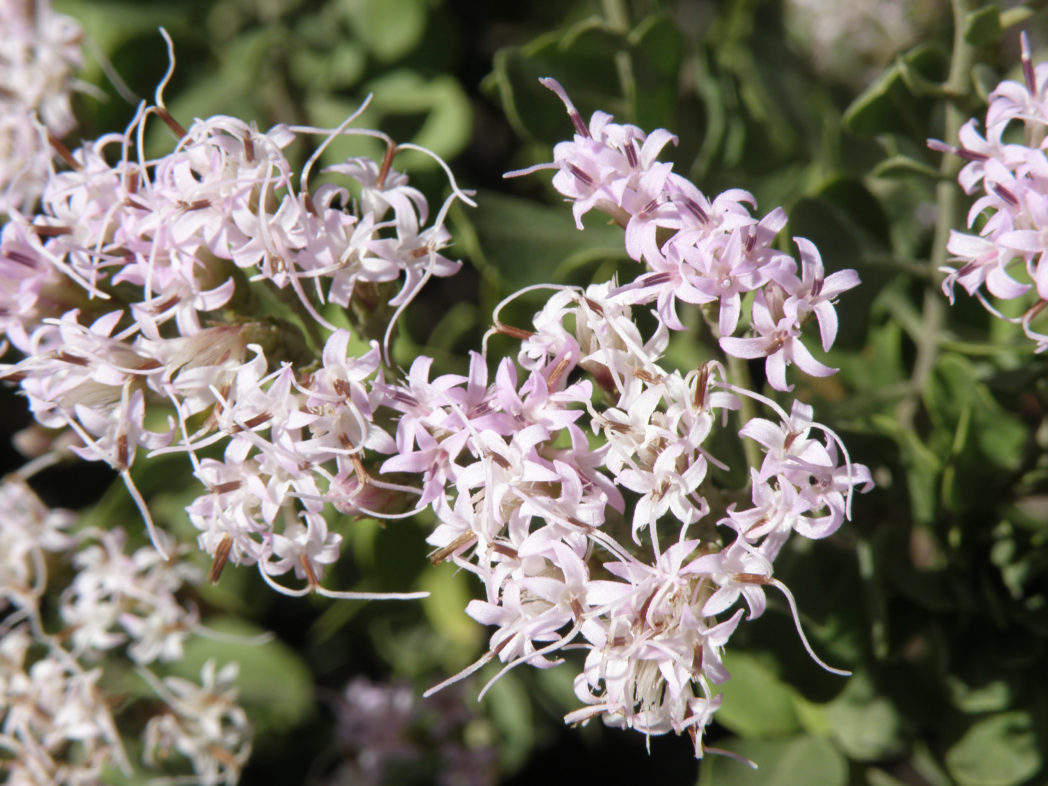
Garberia (Garberia heterophylla) is endemic to Florida’s north and central peninsula and is a state-listed threatened species. It is an excellent nectar source for many butterflies and bees.
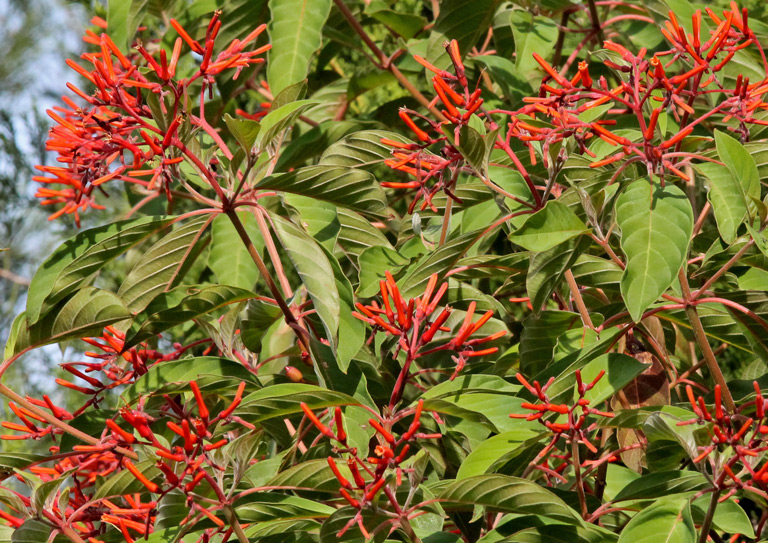
Firebush (Hamelia patens var. patens) is a hardy shrub to small tree. It produces clusters of bright orange to red tubular flowers that are filled with nectar, attracting butterflies and…
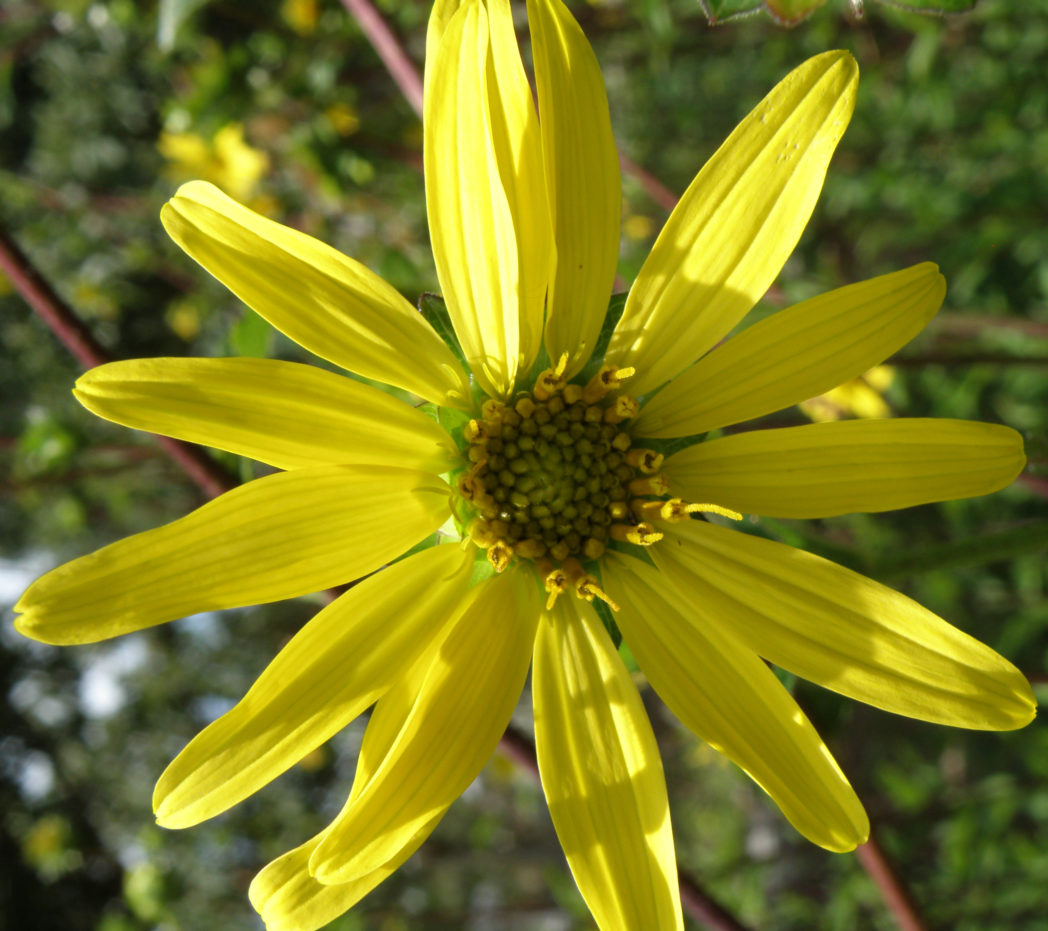
Rayless sunflower (Helianthus radula) is a unique member of the Helianthus genus—its ray florets are almost entirely absent. It blooms late spring through fall and attracts a variety of pollinators.
Atlantic St. John’s wort (Hypericum tenuifolium) occurs in scrub, pine flatwoods, sandhills and coastal swales. Its many golden flowers bloom in the summer, attracting a host of native bees and…
Graceful blazing star (Liatris gracilis) puts on a fantastic late summer to fall display with its bright purple flower spikes. These blooms attract a wide variety of pollinators, including bees…
Shortleaf blazing star (Liatris tenuifolia) is endemic to the Southeastern Coastal Plain and thrives in the dry, well-drained sands of Florida’s scrub and pine flatwoods. The beautiful lavender fall blooms…
Also known as Cat’s tongue, Salt and pepper and Nonpareil, Snow squarestem (Melanthera nivea) typically blooms summer through early winter, but can bloom year-round, attracting bees, butterflies and other pollinators.
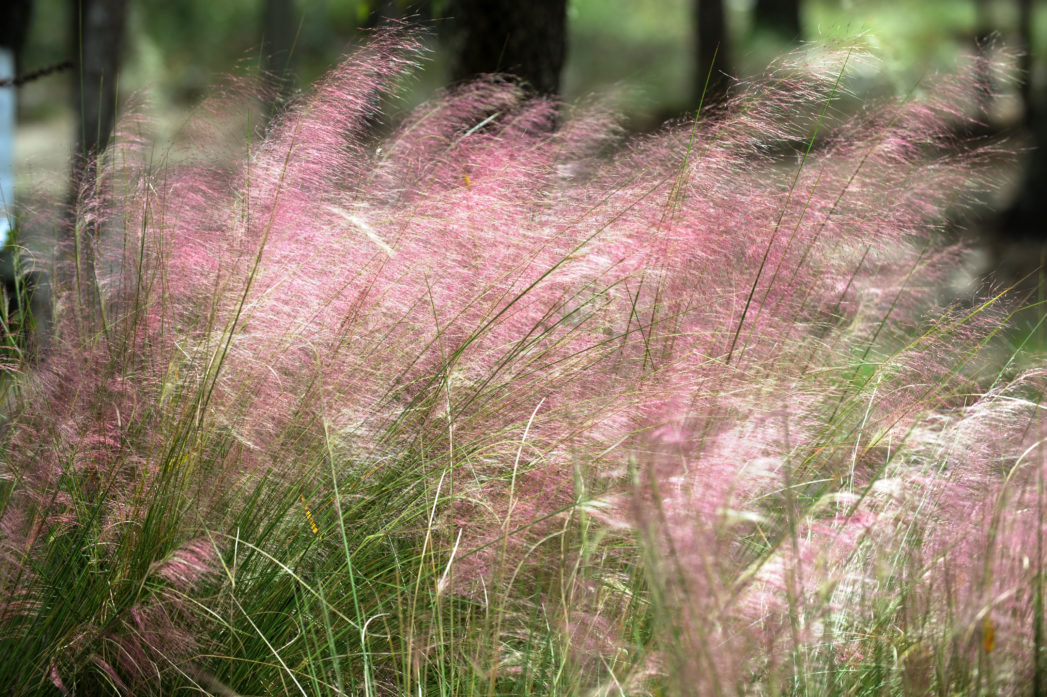
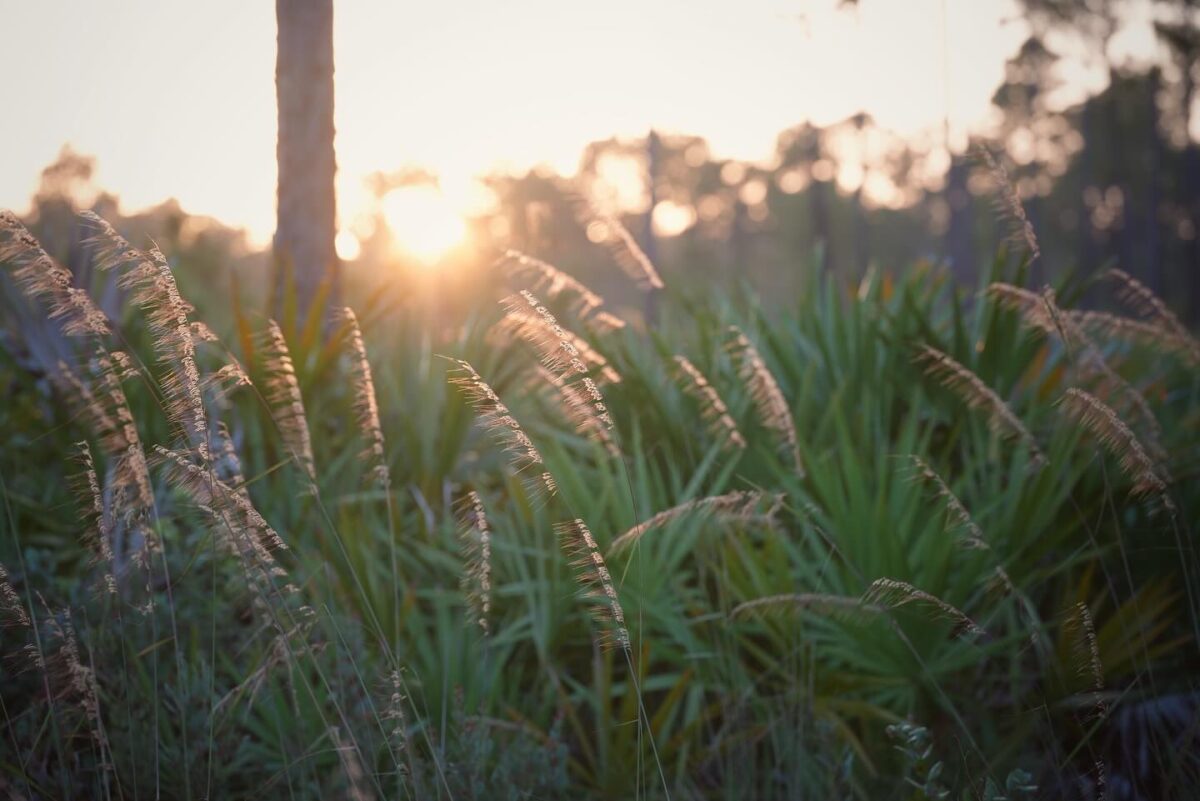
Nothing says fall in Florida like the purple haze of Muhlygrass (Muhlenbergia capillaris) in bloom. When planted en masse, this perennial bunchgrass puts on a spectacular fall display.
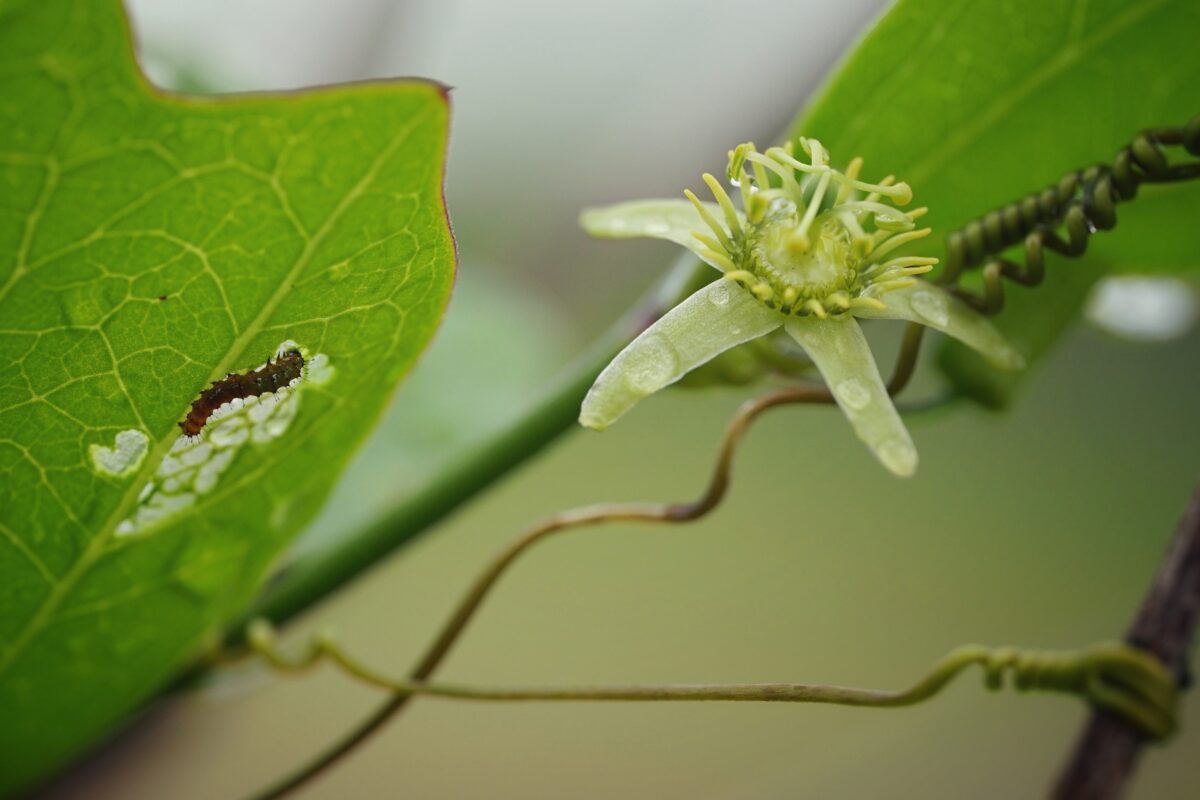
While Corkystem passionflower (Passiflora suberosa) may not have the showiest flowers in its family, it is known for being one of the best at attracting butterflies!
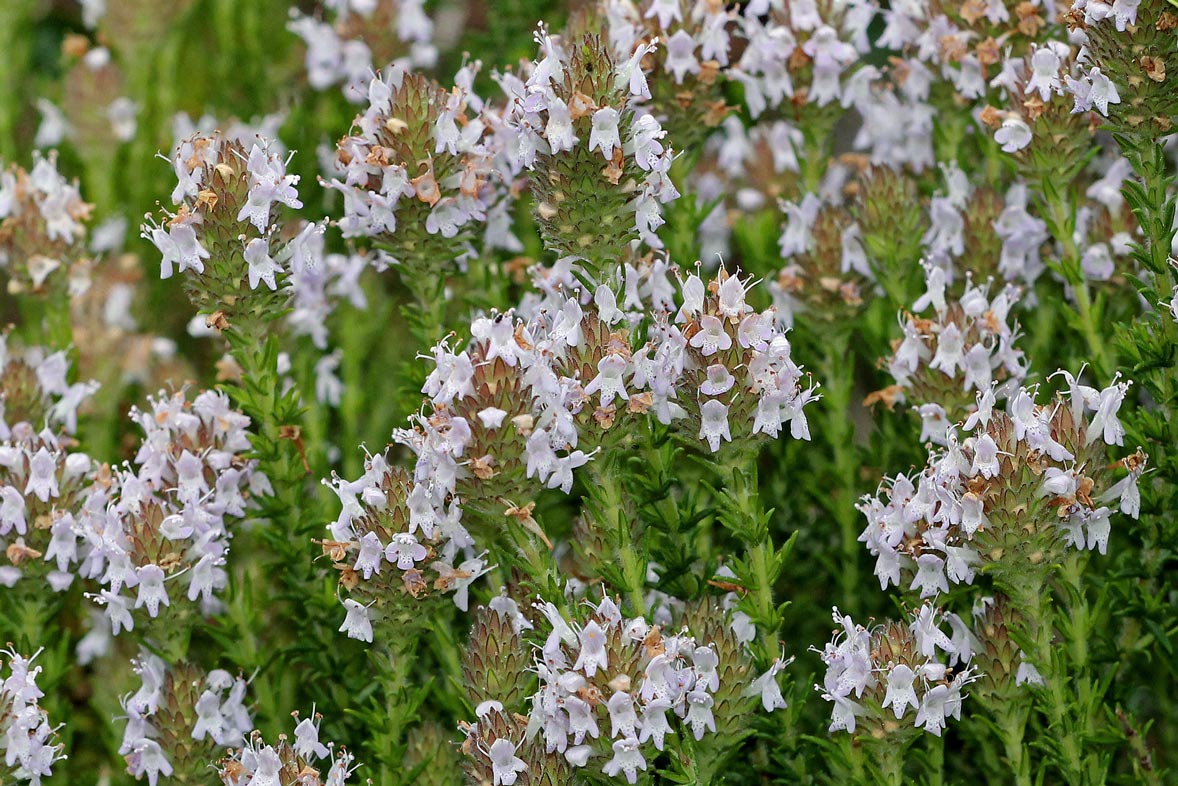
Wild pennyroyal (Piloblephis rigida) typically flowers in late winter through spring, but can bloom year-round, and occurs naturally in scrub, scrubby and pine flatwoods, sandhills, dry prairies and ruderal areas…
Narrowleaf silkgrass (Pityopsis graminifolia) blooms late summer through early winter in sandhill, flatwoods and scrub habitats throughout the state. It has brilliant yellow flowers and silvery leaves.
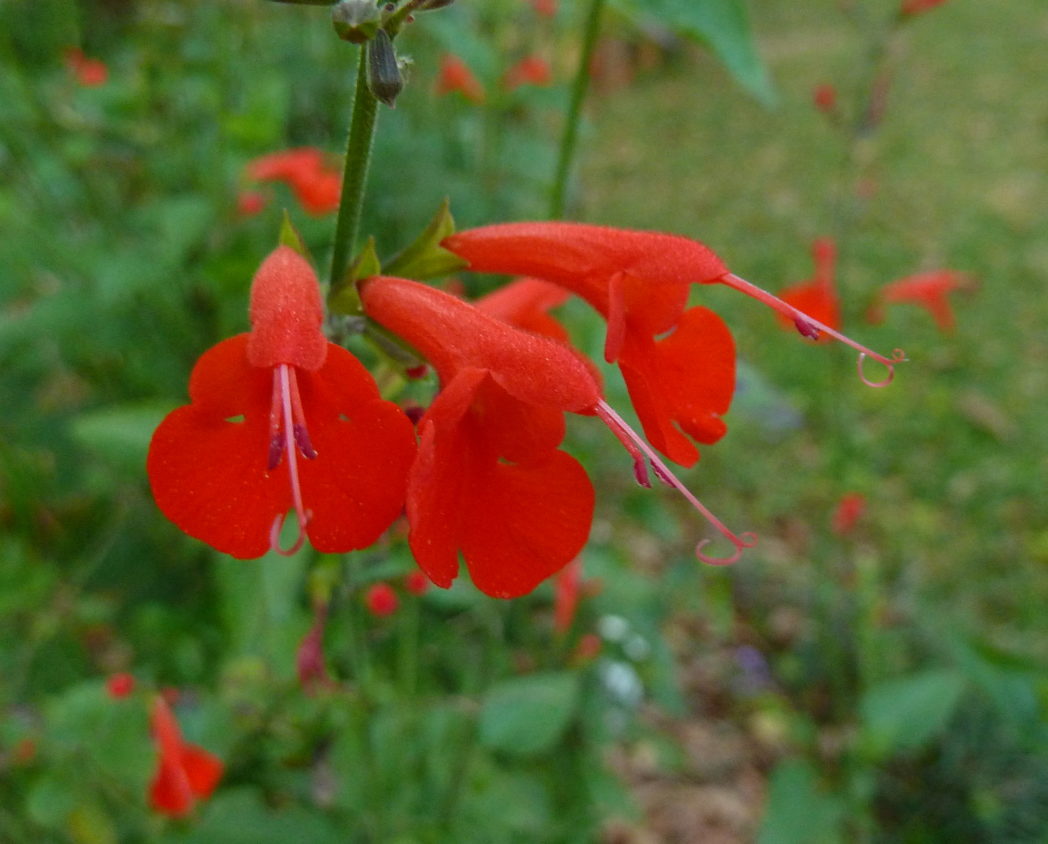
Tropical sage (Salvia coccinea) is a versatile perennial wildflower that no pollinator can resist, but it is particularly attractive to bees, large butterflies and hummingbirds.
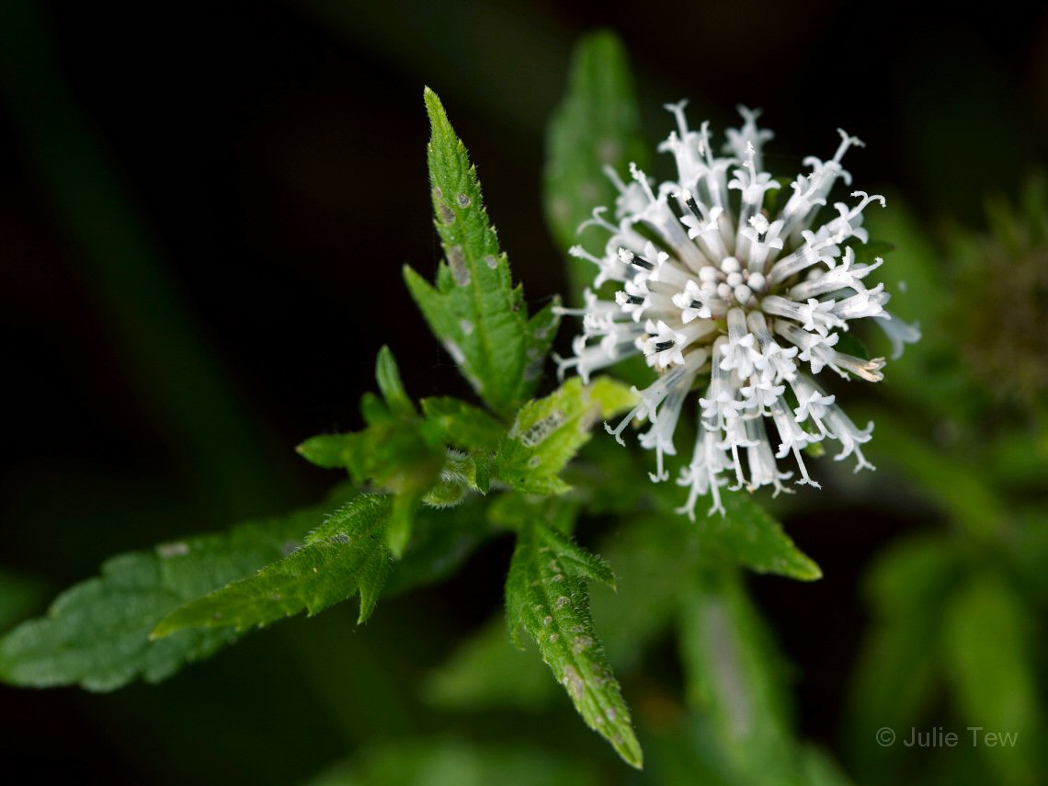
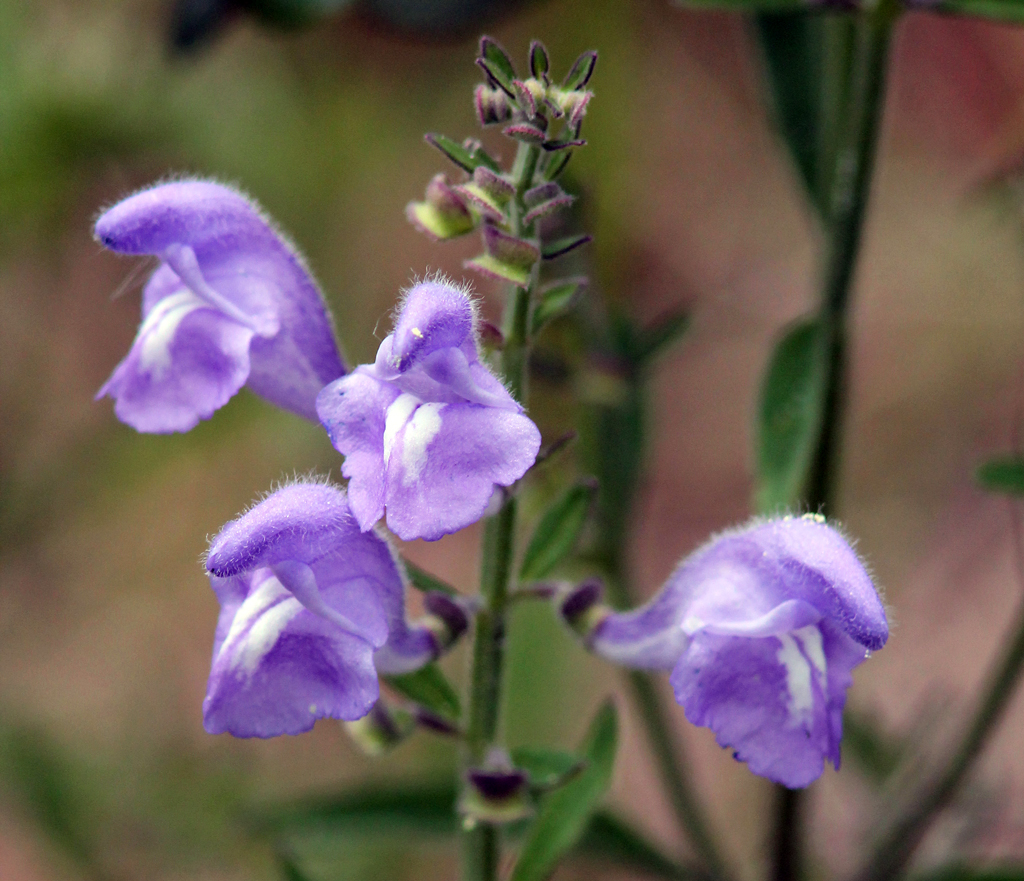
Helmet skullcap (Scutellaria integrifolia) typically blooms in late spring and summer, attracting a wide range of bees, including leafcutter, cuckoo and bumble bees.
Saw palmetto (Serenoa repens) is an evergreen shrub found in scrub, pinelands, coastal hammocks, and dunes throughout Florida. Dr. Mark Deyrup of Archbold Biological Station calls it the “most amazing…
Starry rosinweed (Silphium asteriscus) is a robust perennial with showy yellow blooms. It occurs naturally in flatwoods, sandy pinelands and disturbed areas and attracts a variety of pollinators.
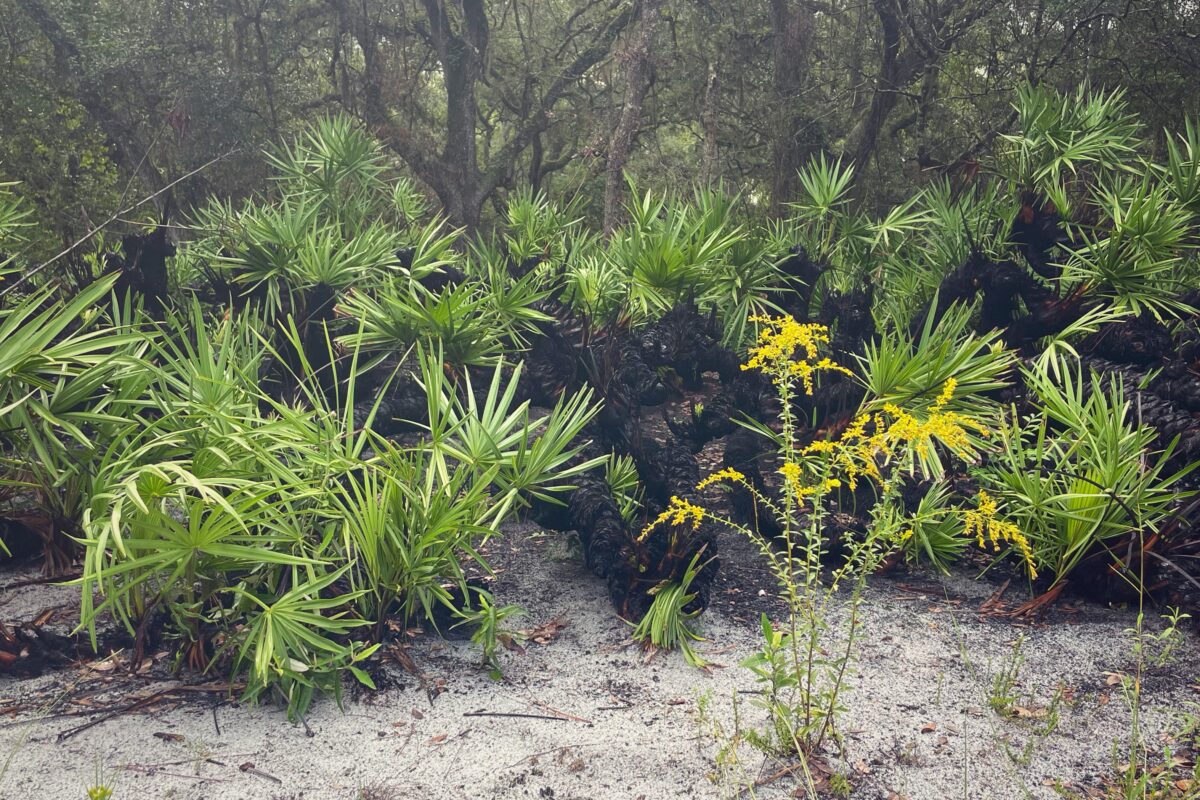
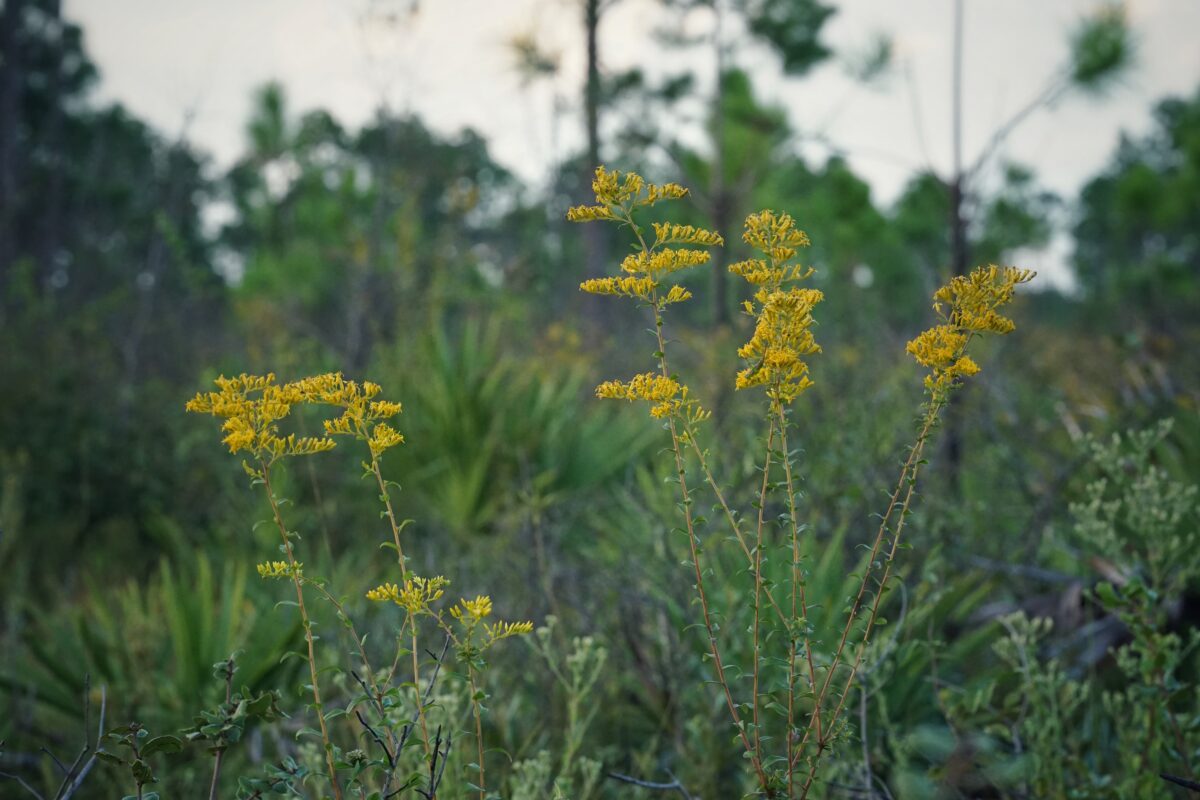
Of Florida’s 22 Goldenrods, Chapman’s goldenrod (Solidago odora var. chapmanii) is one of the best suited to home landscapes. A wonderful wildlife supporter, it is popular with a variety…
Lopsided indiangrass (Sorghastrum secundum) is a robust perennial bunchgrass that occurs in pinelands, sandhills and flatwoods. Throughout most of the year, it is rather indistinct. But in late summer, it…
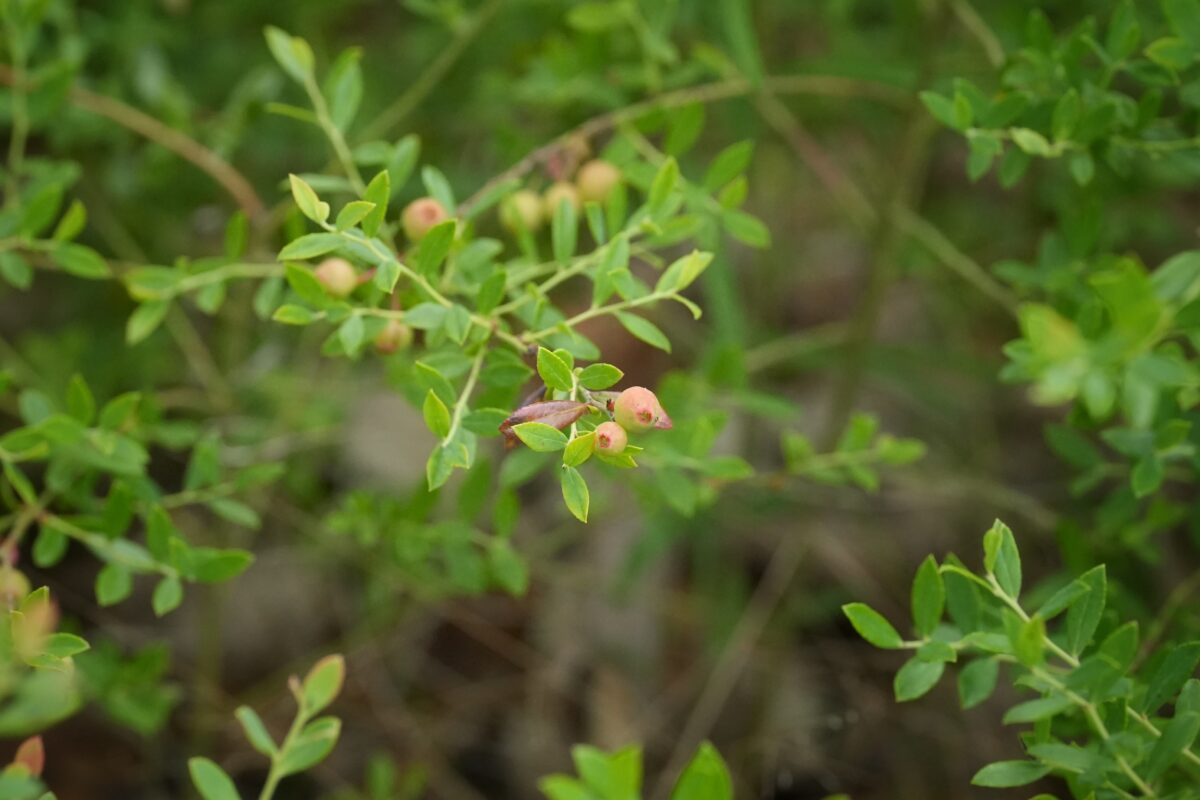
Darrow’s blueberry (Vaccinium darrowii) is a small shrub that is underappreciated as a landscape plant. Its profuse spring blooms attract many pollinators and the sweet summer berries are attractive to…
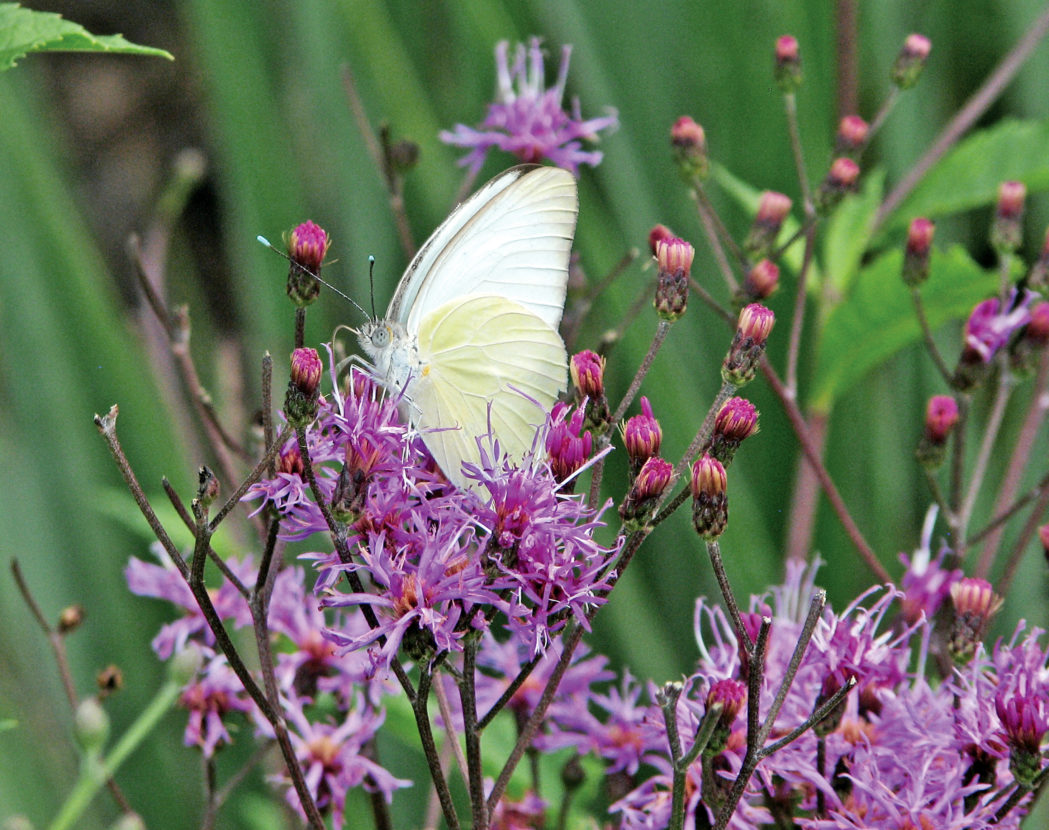
Giant ironweed (Vernonia gigantea) is a robust perennial wildflower that blooms in summer and fall, attracting a variety of pollinators, especially butterflies.
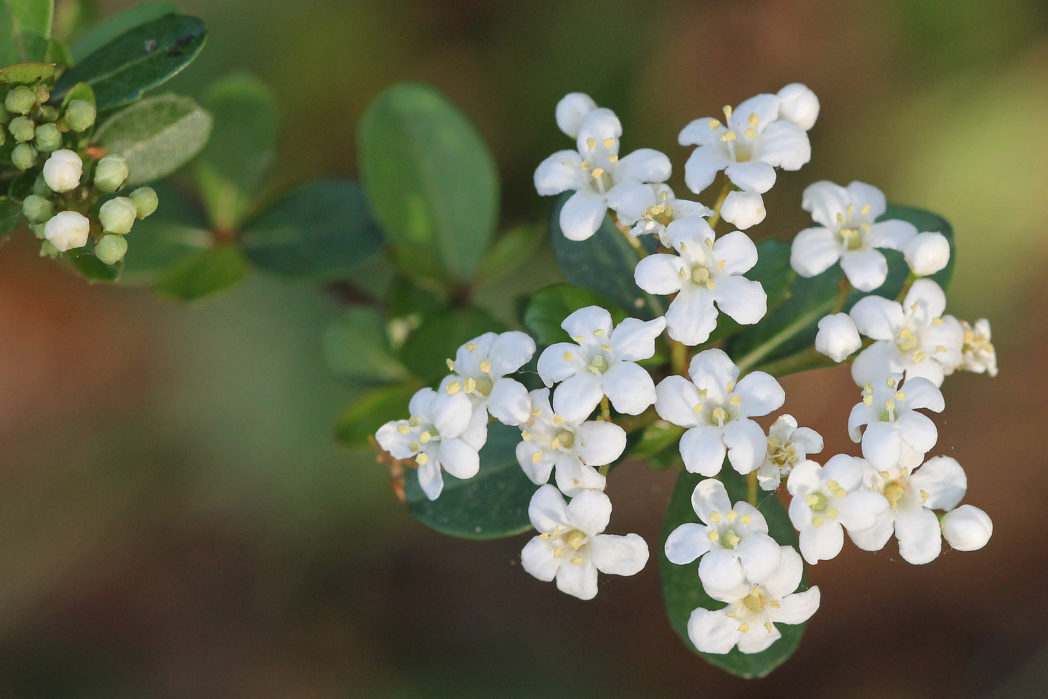
Walter’s viburnum (Viburnum obovatum) has showy spring flowers that pollinators love, and produce abundant fruit in summer and fall on which birds and other wildlife feast.
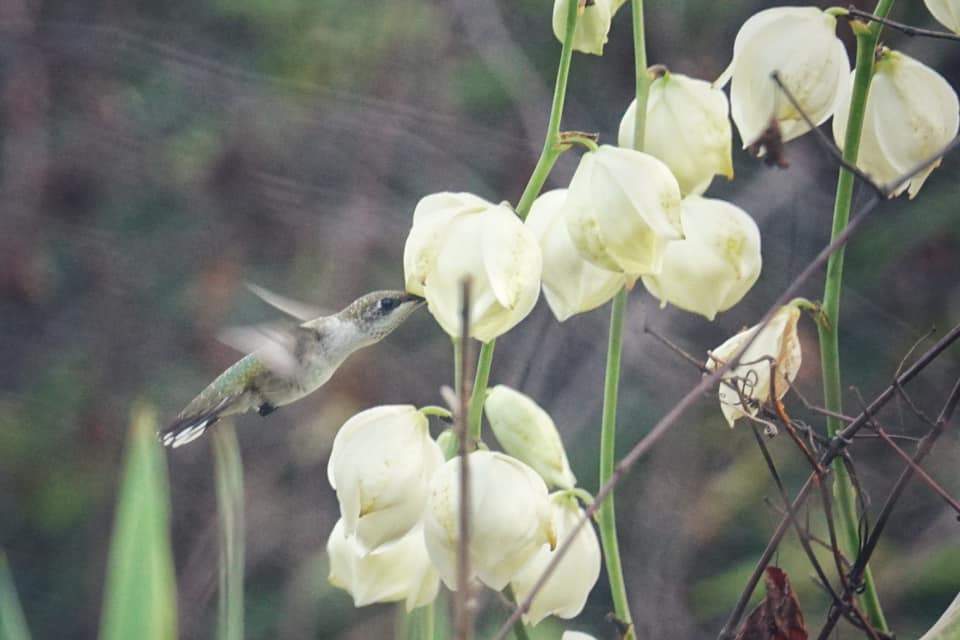
Adam’s needle (Yucca filamentosa) is a low-growing evergreen shrub found in scrub, sandhills, flatwoods and coastal dunes throughout much of Florida. As a landscape plant, it provides interest with its…
POLLINATORS NEED YOUR HELP!
Help Florida’s wildlife and environment by using native wildflowers and plants in your landscape. Click here to learn more information on planting, selecting and maintaining native plants, or check out these resources: