Cool native wildflowers for summer garden blooms
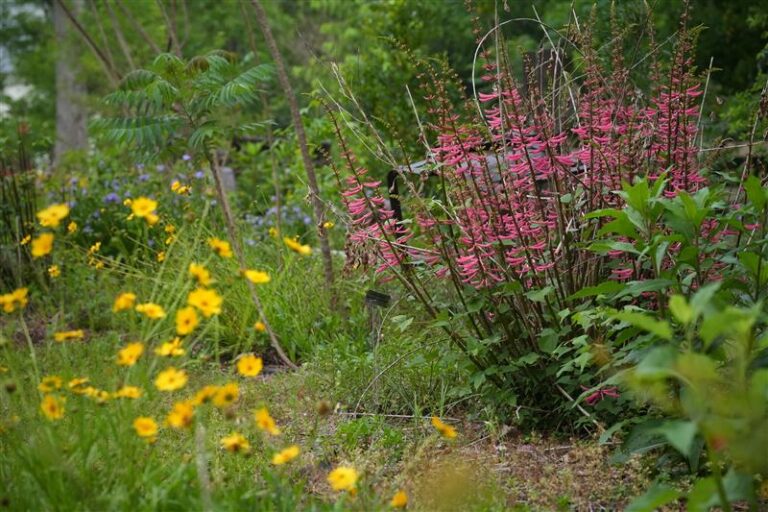
If you’re looking to dress up your landscape this summer, consider these native species, which adapt readily to home gardens and provide weeks of blooms.
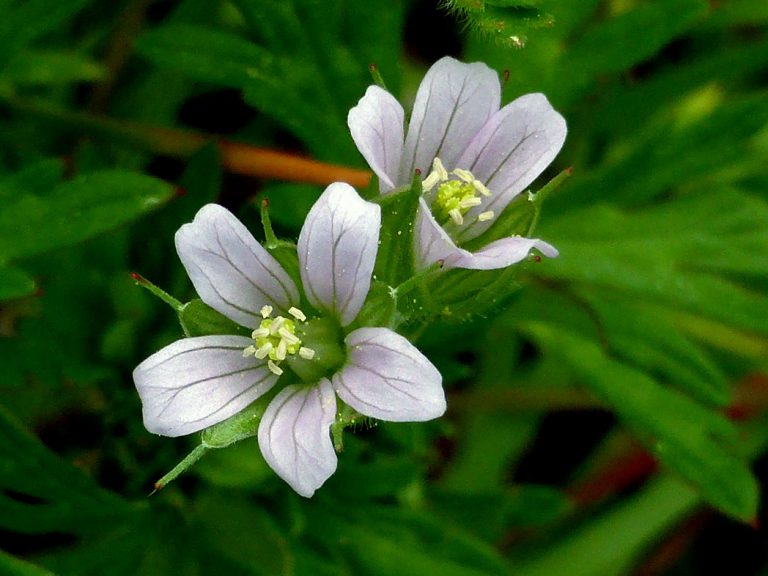
Carolina cranesbill (Geranium carolinianum) is an annual native wildflower that occurs in lawns, urban gardens and disturbed areas throughout Florida. It is often considered a weed, but its winter- and spring-blooming flowers attract bees and other small pollinators. Birds eat the seeds and white-tailed deer may forage on the leaves. Humans can eat the leaves, too, but they can be very bitter and astringent. The root has been used historically to treat sore throats and diarrhea. Carolina cranesbill is Florida’s only native Geranium species.

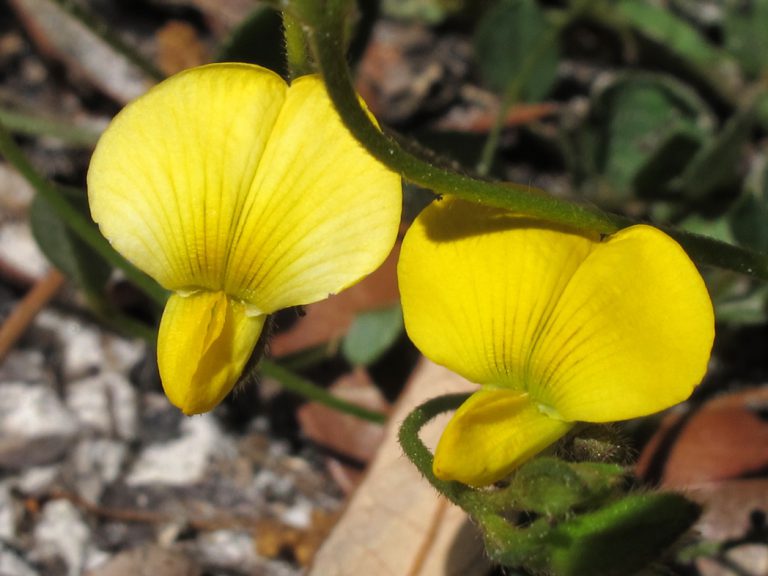
Rabbitbells (Crotalaria rotundifolia) is a low-growing wildflower found in pinelands, sandhills and disturbed sandy areas throughout Florida. Its small yellow flowers bloom throughout the year, attracting mostly bees. The unassuming plant often goes unnoticed as its flowers do not open until the afternoon and remain open only for one day. Of the 15 species of Crotalaria that occur in Florida, only four are native. Rabbitbells is the most common and widespread of the native species.
Zebra longwing butterflies ( Heliconius charitonia) are found throughout the state, but this common Florida butterfly is anything but ordinary! Their elongated wings make them easy to distinguish from other Florida natives, but their unique attributes don’t stop there.
Originally named for the Delaware tribes of Native Americans near where this butterfly was discovered, the Delaware skipper is now found throughout the eastern United States.
Proper preparation for native plant installations is critical for success. Large areas of turf can be an intimidating prospect, and weeds can pose problematic competition. This guide is intended to help homeowners preparing small sites (less than 2500 square feet).
The goal of these surveys is to document routes that motorists, cyclists and hikers can view showy stands of native wildflowers. Surveys of Corkscrew Swamp vicinity are part of an ongoing effort to expand the number of routes for viewing Florida native wildflowers. This report represents the cumulative results of our site evaluations based on…
Mark Tancig, Commercial and Residential Horticulture Extension Agent for UF/IFAS Extension Leon County, highlights Florida native trees and shrubs known for their showy floral displays in this webinar.
Thank you for attending our plant giveaway in partnership with Florida Nursery Mart on Saturday, April 11. Earn 10% off your next purchase of native plants at Florida Nursery Mart – just email a photo of your newly planted plant to Info@FlaWildflowers.org, and we’ll send you a discount code. Learn more about your new native…
Developing Best Management Practices for Establishment of Plantings by Seed and Enhancement of Naturally-Occurring Population This report is one of several guiding documents for the Florida Wildflower Program, including its purposes and procedures.
Guide to common wildflowers of Florida’s Eastern Panhandle and where to see them