Bloom report: Blazing star lives up to its name
This bloom report is from fall 2020. Fall is a time to look for showy displays of native wildflowers and grasses this fall, such as Blazing star.

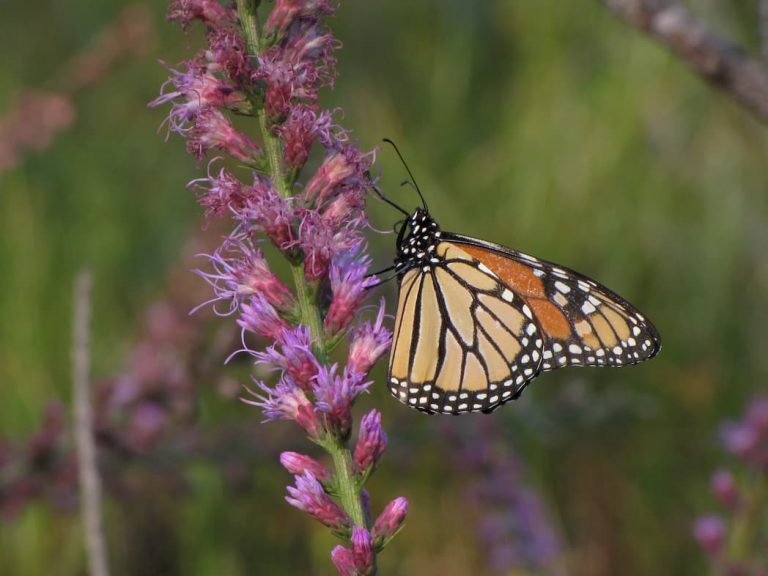
This bloom report is from fall 2020. Fall is a time to look for showy displays of native wildflowers and grasses this fall, such as Blazing star.
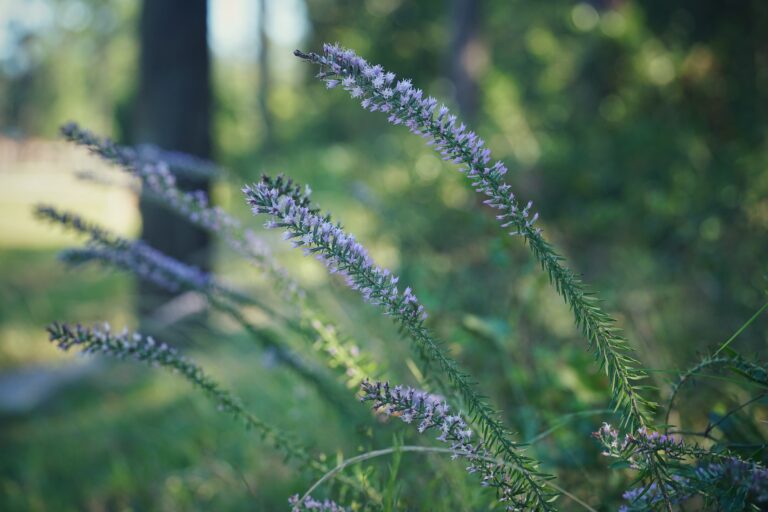
In fall, Florida’s natural areas and roadsides light up with flares of bright purple from our 16 native Liatris species. Among them, Pinkscale blazing star (Liatris elegans) is one of the most beautiful and unique.
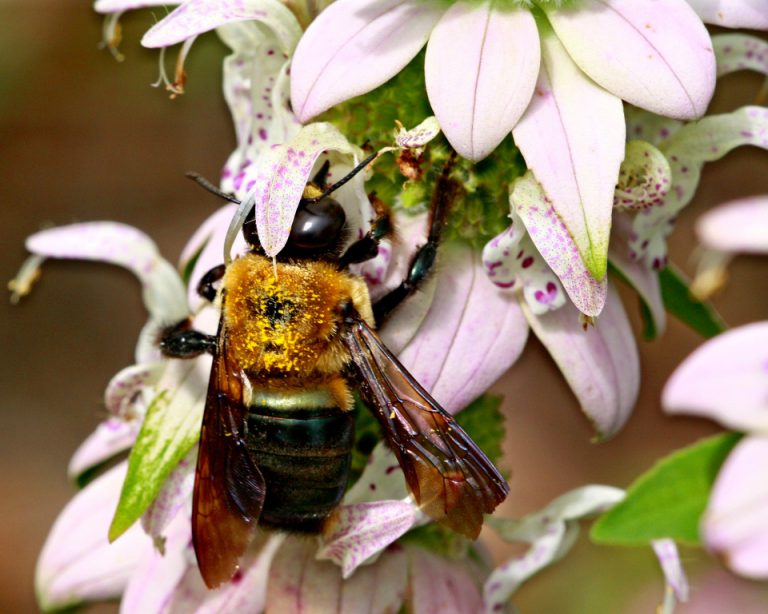
Many Floridians become familiar with carpenter bees by accident. They may notice a hole that appears to have been drilled into unpainted wood around their homes with a sawdust pile beneath it.
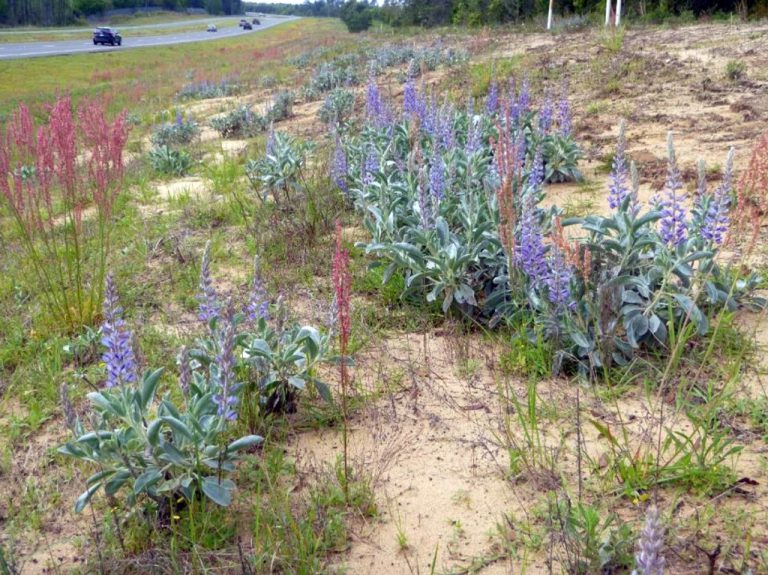
The Florida Federation of Garden Clubs recently announced its 2019 Ella P. Woods Paths of Sunshine Award winners. The program recognizes the Florida Department of Transportation’s commitment to native wildflower and plant conservation and applicants’ understanding of the department’s policy of conserving and managing naturally occurring roadside wildflowers.
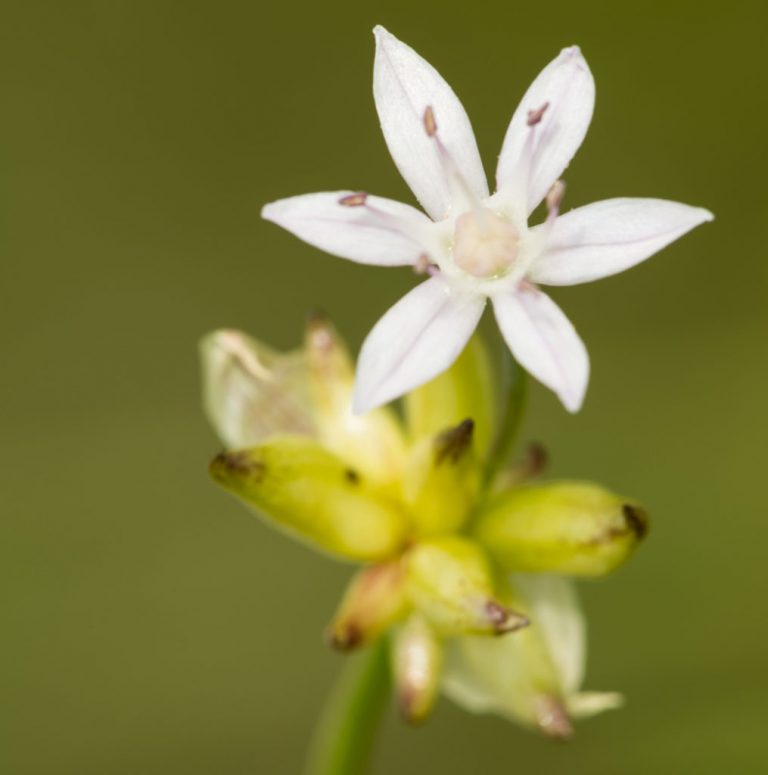
Wild garlic (Allium canadense var. canadense) is a grasslike perennial with lovely clusters of flowers. It blooms primarily in late winter and spring and attracts many insects, including moths and native bees; honeybees tend to dislike it. Wild garlic has a strong, tell-tale smell of garlic or onion. All parts of the plant are edible and may be prepared the same as garlic or onions. Bulbs may be eaten raw, sautéed, pickled or roasted. Use the young leaves as you would chives.
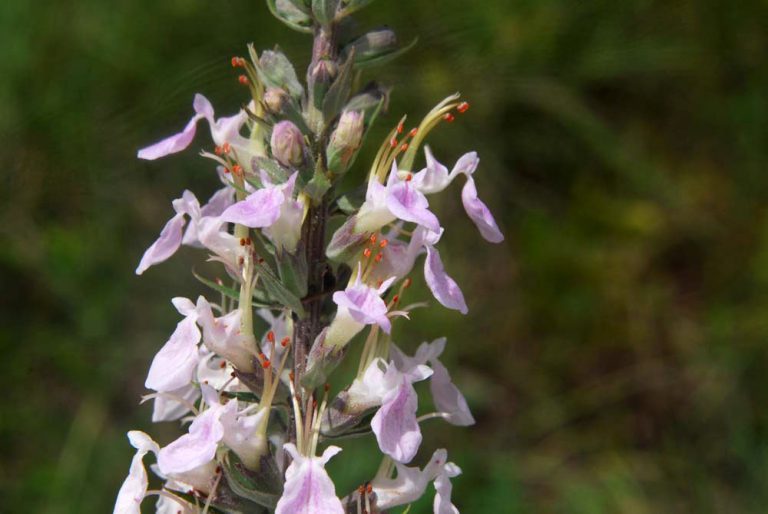
Also known as Canadian germander, Wood sage (Teucrium canadense) flowers attract a variety of native long-tongued insects that will use the flower’s lower lip as a landing pad. Birds find the plant’s seeds appealing.
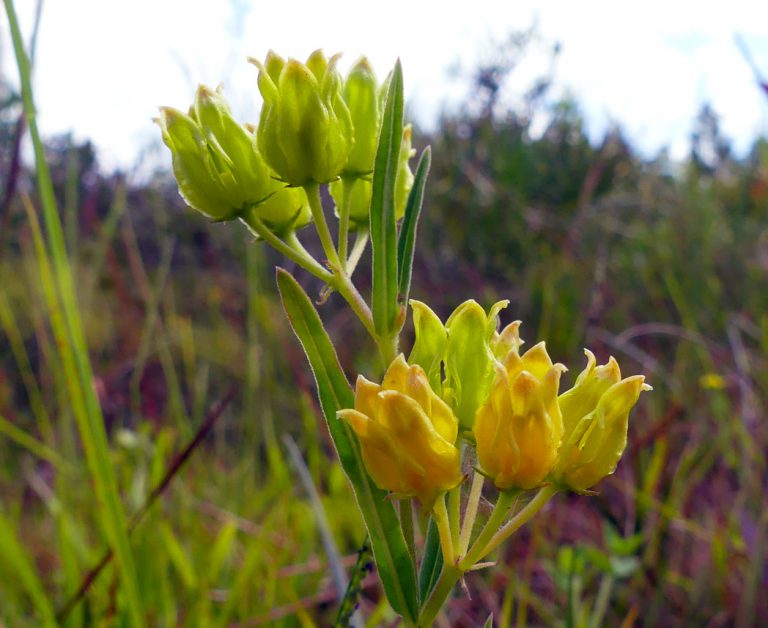
With its diminutive stature and greenish-yellow flowers, Savannah milkweed (Asclepias pedicellata) is oft overlooked in its native pineland and prairie habitats. It blooms late spring through fall, peaking in summer.
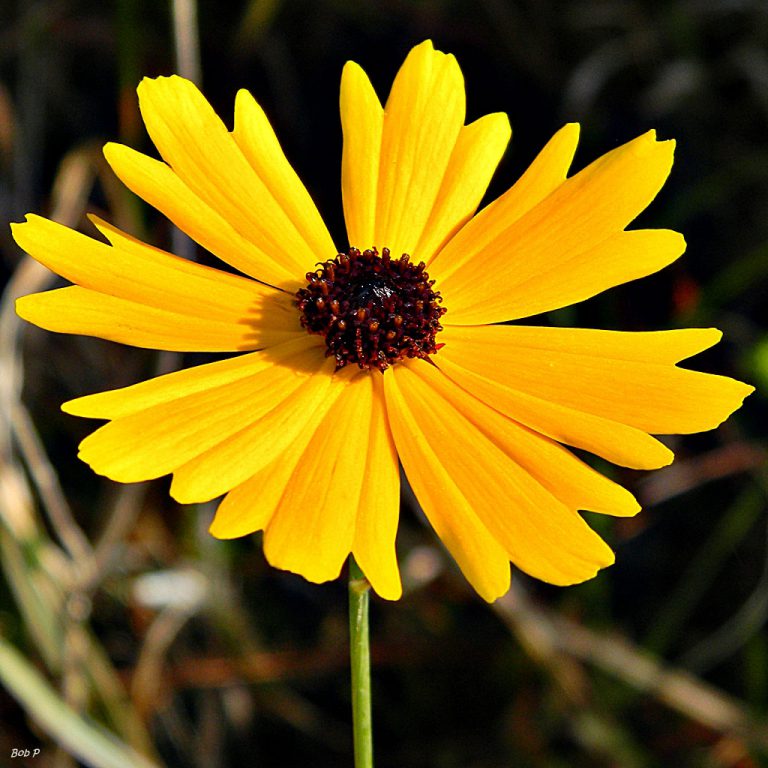
Florida tickseed (Coreopsis floridana) is one of 12 Coreopsis species native to Florida. It is endemic to the state and occurs naturally in wet pinelands and prairies, cypress swamp edges and roadside ditches. It typically blooms from late summer into early winter, but may bloom year-round. Its bright sunny flowers attract a variety of pollinators, especially butterflies.