20 Easy-to-Grow Wildflowers
This 24-page magazine features 20 “tried and true” wildflowers that are easy to grow and maintain in home and urban landscapes. Versión en español disponible.


This 24-page magazine features 20 “tried and true” wildflowers that are easy to grow and maintain in home and urban landscapes. Versión en español disponible.
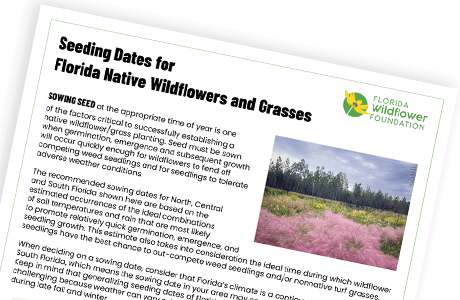
Sowing seed at the appropriate time of year is one of the factors critical to successfully establishing a native wildflower/grass planting. Seed must be sown when germination, emergence and subsequent growth will occur quickly enough for wildflowers to fend off competing weed seedlings and for seedlings to tolerate adverse weather conditions. Versión en español disponible.

Geena Hill joined the Florida Wildflower Foundation board in September 2024, bringing with her over a decade of experience as a conservation biologist in Florida.
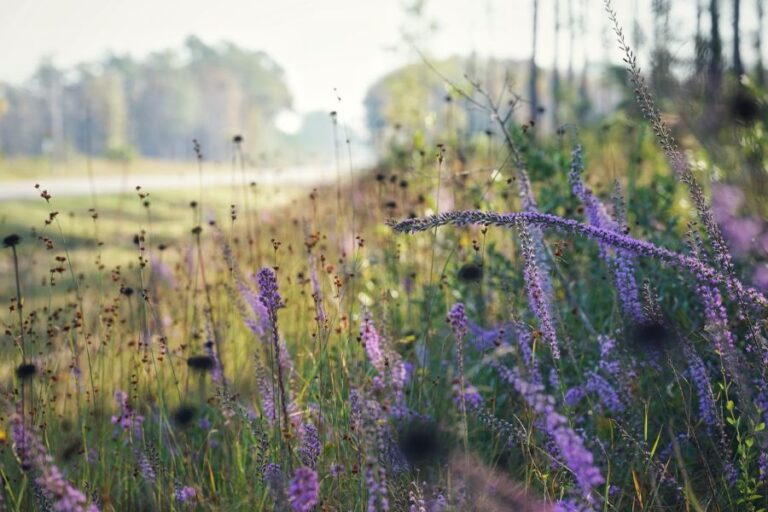
University of Florida’s Dr. Laura Warner presents her webinar “More Than Wildflowers: How Roadside Signs, Stories and People Shape Support for Pollinator Friendly Roadsides”.
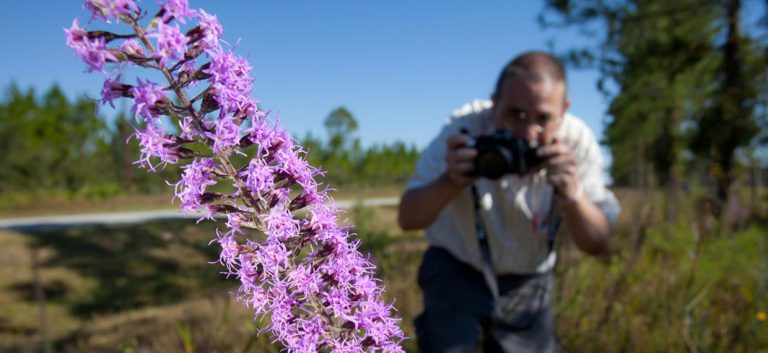
Wildflower horticulturalist Jeff Norcini, of OceoHort LLC, is hitting the road for the Florida Wildflower Foundation to locate roadside wildflower populations in Florida’s Big Bend and north Central Florida regions.
Protecting Roadsides

Podduturu M. (P.M.) and Vijaya Reddy have been active members of the Florida Wildflower Foundation (FWF) since 2017. Frequently attending field trips and other events, P.M. additionally volunteered at our 2019 Florida Wildflower Symposium in Gainesville,.
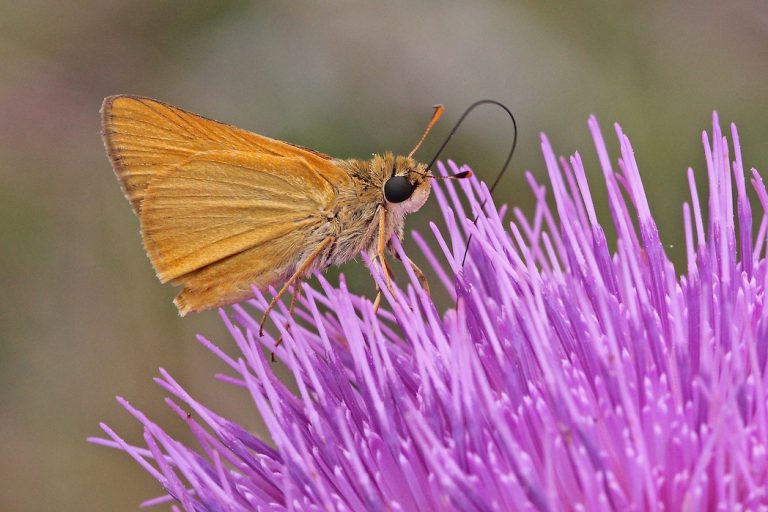
Originally named for the Delaware tribes of Native Americans near where this butterfly was discovered, the Delaware skipper is now found throughout the eastern United States.

As a Florida Wildflower Foundation board member, David Price brings deep knowledge accumulated over a diverse horticultural career.
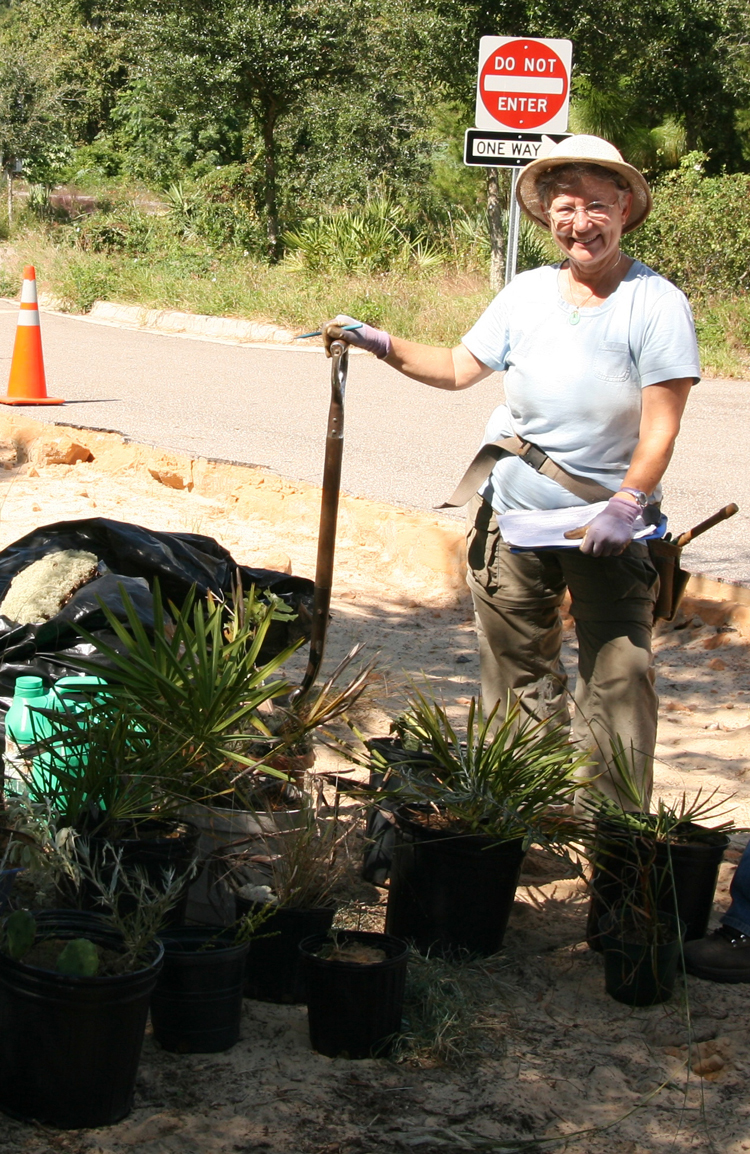
Jackie Rolly joined the Florida Wildflower Foundation when she purchased a license plate for her car many years ago. She’s also a member of the Florida Native Plant Society (FNPS), as well as the Audubon Society and the Sierra Club.
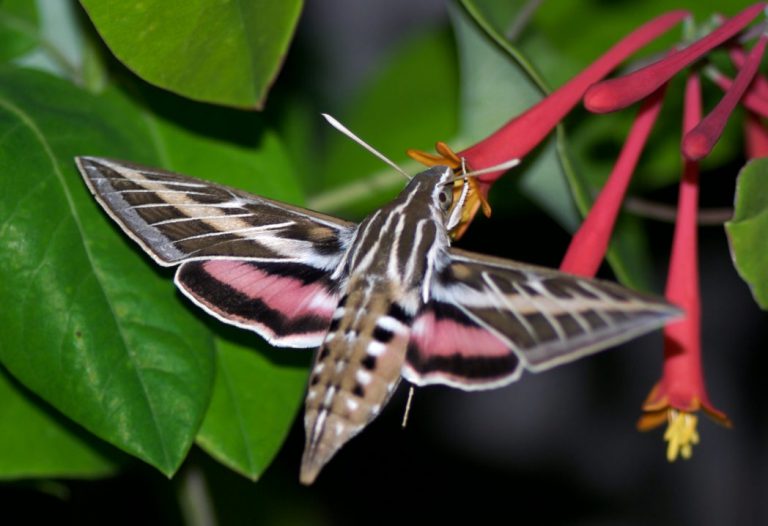
White-line sphinx moths can be found throughout the world, but are especially common in North America. They live in habitats ranging from desert to tropics and will forage on a wide variety of flowers.