Atlantic St. John’s wort
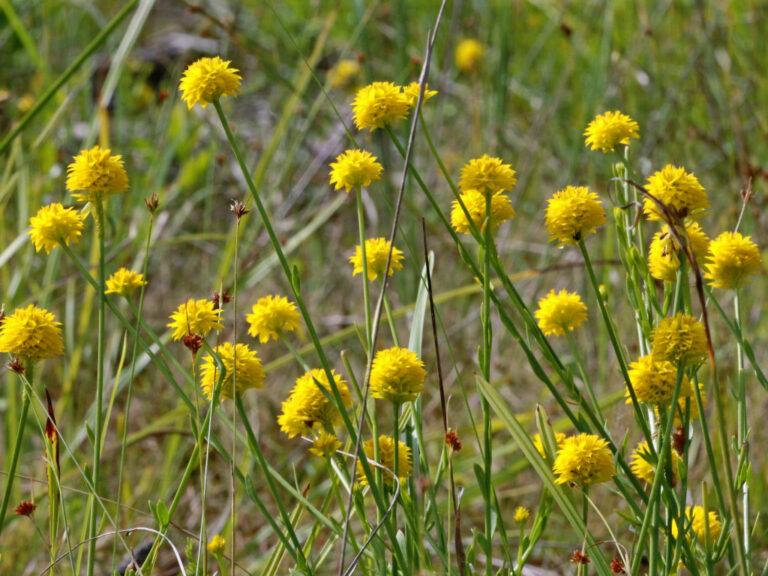
Atlantic St. John’s wort (Hypericum tenuifolium) occurs in scrub, pine flatwoods, sandhills and coastal swales. Its many golden flowers bloom in the summer, attracting a host of native bees and other pollinators.
It’s been an incredible year for the Florida Wildflower Foundation! Thanks to our supporters, 2025 was a year of growth, partnership and impact for Florida’s native wildflowers and the wildlife they support.
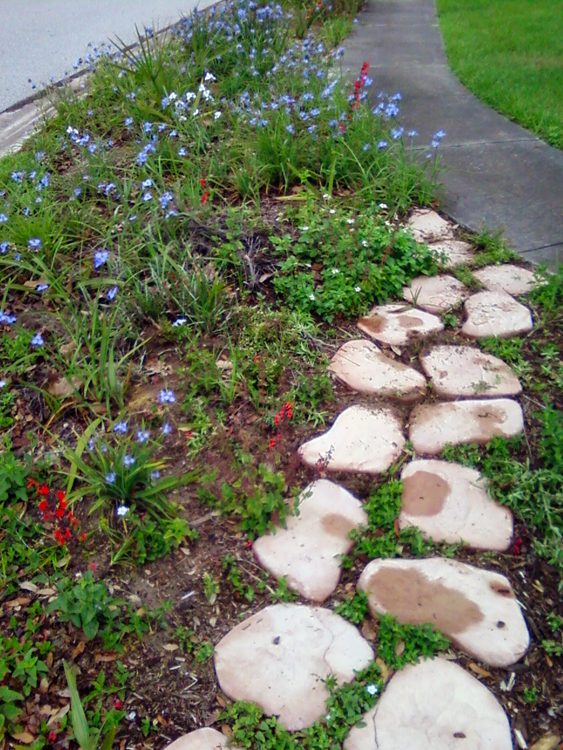
The Wildflowers, Naturally! program was launched to recognize gardens throughout the state that have areas dedicated to native wildflowers, flowering shrubs and trees. One of the first to apply for recognition was Roger Agness of Orlando.
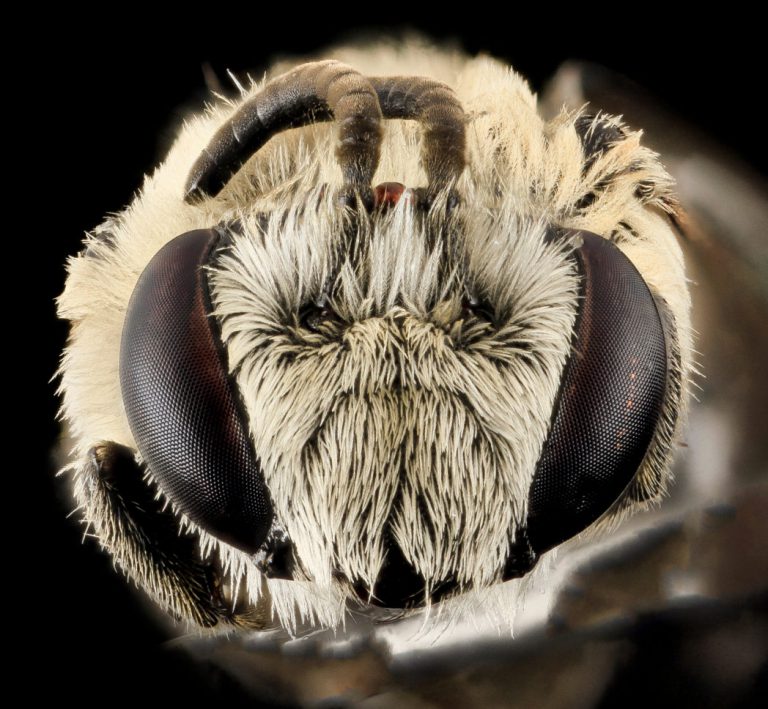
Colletids are one of the smaller bee families in Florida, but are diverse in size and appearance. They’re named for the unique cellophane-like substance that many females secrete to line the walls of their nest cells.
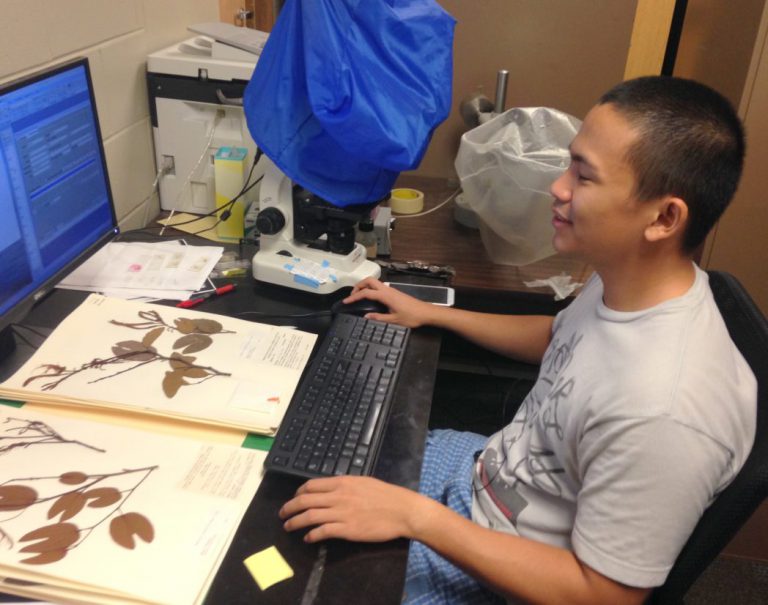
Trying to identify that wildflower you found? The USF Atlas of Florida Plants is a terrific source of native wildflower and plant information where you can dig into a treasure of images and specimens.
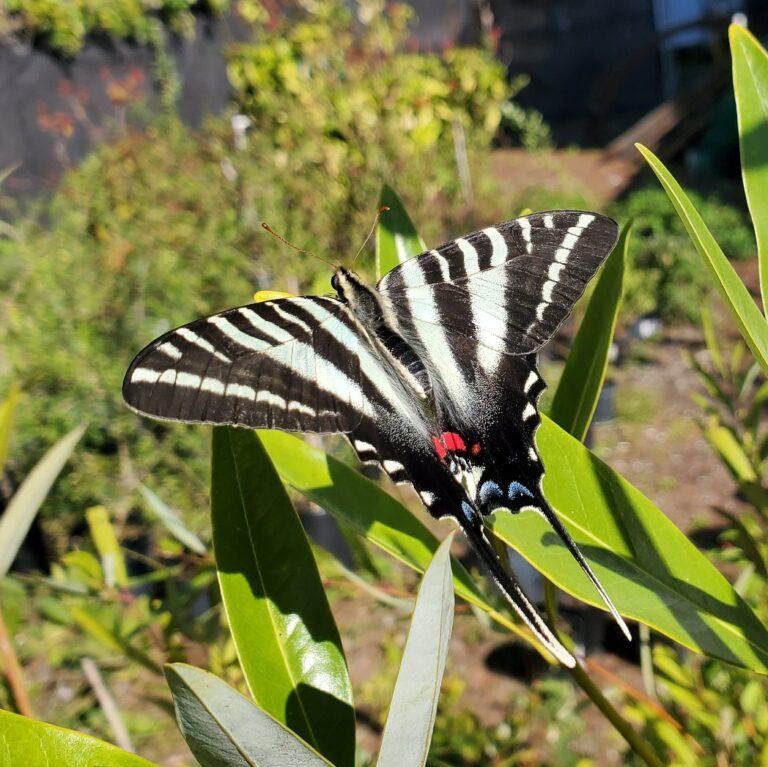
Anita Camacho, owner of Little Red Wagon Native Nursery and president of Tampa Bay Butterfly Foundation, Inc teaches us how we can make a difference for butterflies in our home landscape.
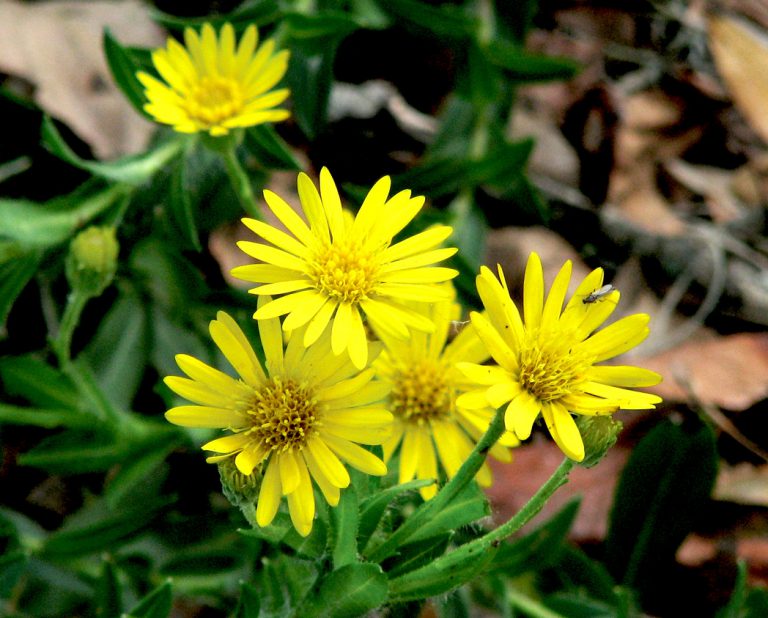
Maryland goldenaster ( Chrysopsis mariana) is found in pinelands, sandhills and sandy roadsides. Butterflies, as well as a variety of native long-tongued bees are attracted to the plant’s nectar.
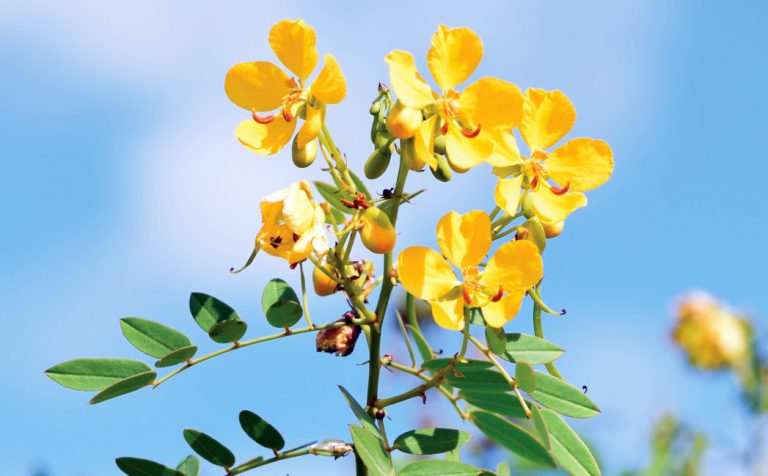
Chapman’s wild sensitive plant (Senna mexicana var. chapmanii) is a state-listed threatened species. Its flowers are visited by a variety of native bees and butterflies, and it is a larval host for Sulphur caterpillars.
From the Apalachicola River Basin to the Lake Wales Ridge and into the Everglades, Florida has many unique plant communities. How each of these ecosystems will respond to a rapidly changing climate is likely to be as unique as those environments themselves.
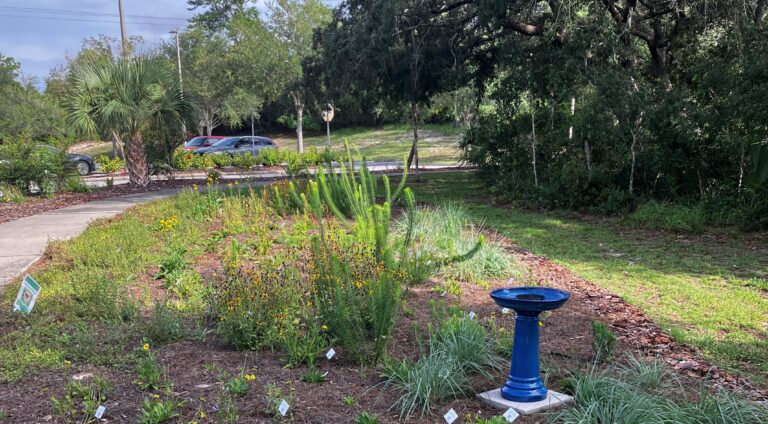
Welcome to the Ethnobotanical Garden at Ellis Acres This ethnobotanical garden showcases Florida’s rich native plant heritage, highlighting species valued both by wildlife and humans for their ecological and cultural significance. Each species in this garden plays an essential role in local ecosystems, offering food, shelter and habitat for pollinators, birds and other wildlife. Many…
Join us in celebrating National Wildflower Week and 25 years of protecting, promoting and planting Florida’s native wildflowers.
Twenty-three Milkworts occur in Florida, and all are native to the state. Three are endemic, found nowhere else on earth, and two of those are endangered.