
Bloom Report: Meet Florida’s “Milk” Plants
by Jeff Norcini
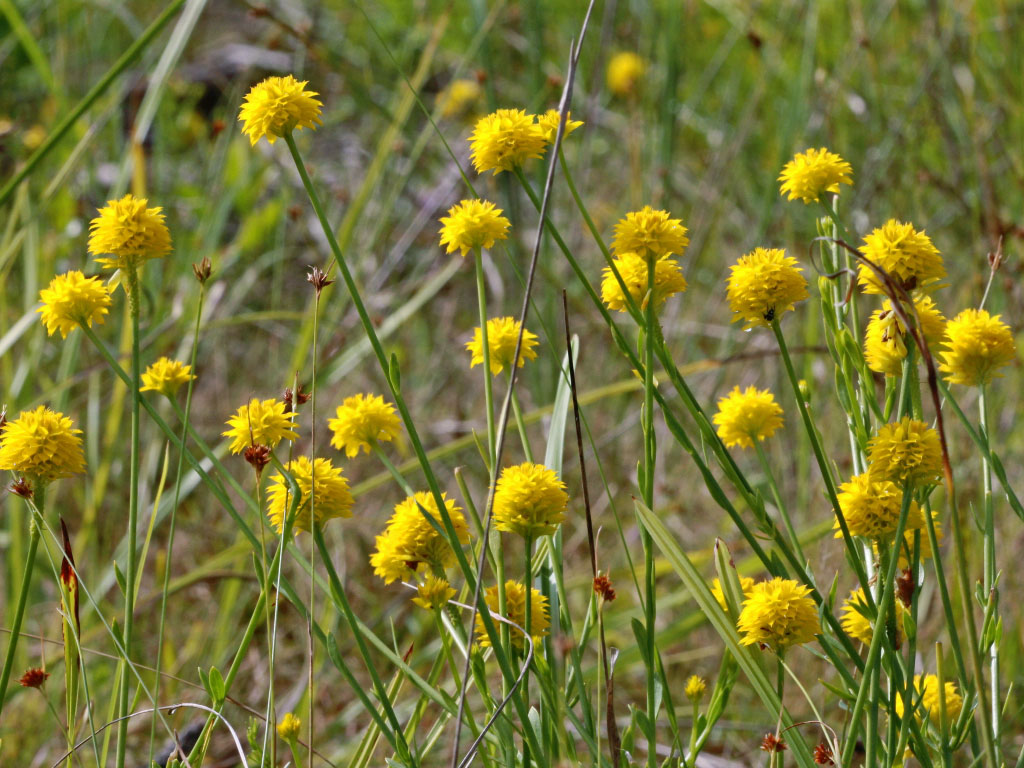
Pictured above: Yellow milkwort (Senega rugelli). Photo by Mary Keim.
Milkworts (wort means “plant”) are so named because it was once believed that these plants boosted milk production in nursing mothers and cattle — a folk belief that’s given them their distinctly dairy-themed name, even though the connection has long since been debunked.
Twenty-three Milkworts occur in Florida, and all are native to the state. Three are endemic, found nowhere else on earth, and two of those — Senega arenicola and S. lewtonii — are endangered. All but one of Florida’s milkworts belonged to the genus Polygala; recently, all but that lone exception were reclassified to the genus Senega.
Listed below are the most common milkworts you’re likely to encounter. The best places to find them are trails, meadows and roadsides in natural areas, especially in or near pine forests managed by prescribed burning — fire keeps the ground open and sunny, which these plants tend to favor. Most are low-growing, so they are more easy to spot when walking. The exceptions are Tall pinebarren milkwort (Senega cymosa) and Low pinebarren milkwort (Senega ramosa); both are tall and showy enough to spot from a moving car. While some milkworts start blooming in spring, early to mid-summer is the best window to see them all in flower.
The common names link to the species’ profiles on this website, where available. For additional photos and details, click “More info” to visit species’ pages on the Atlas of Florida Plants.
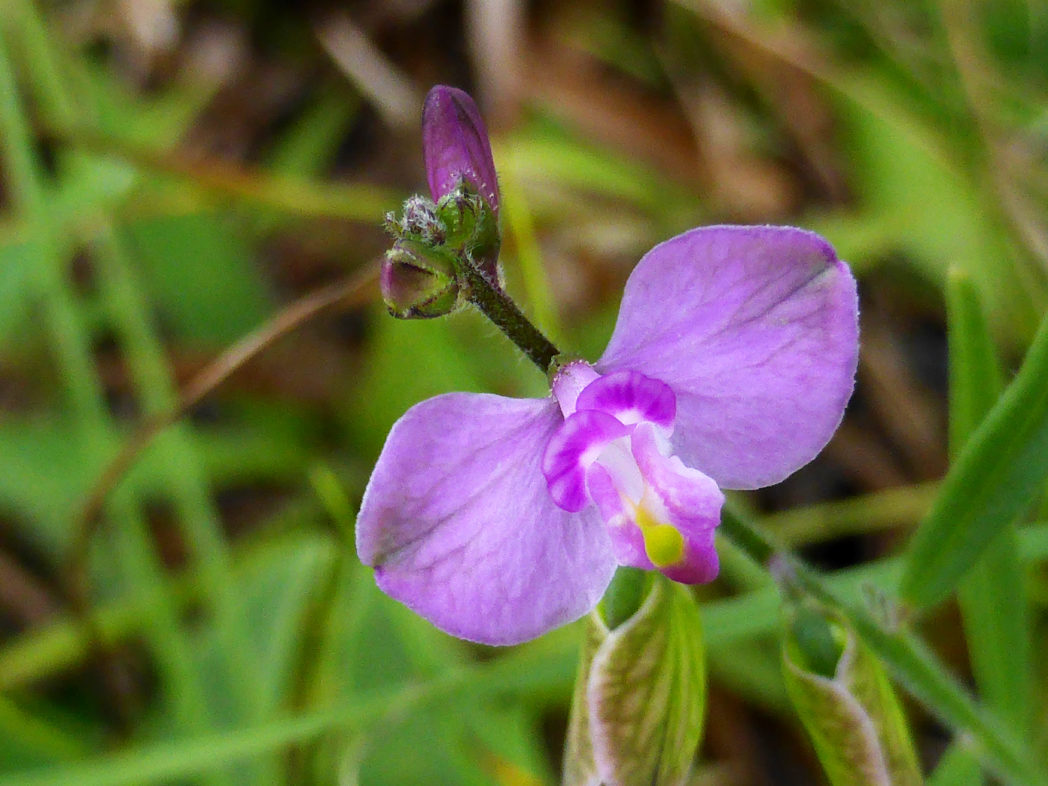
Showy milkwort
(Asemeia violacea)
More info
Flower color: Purplish
Habitat: Dry
Region: PH, N, C, S
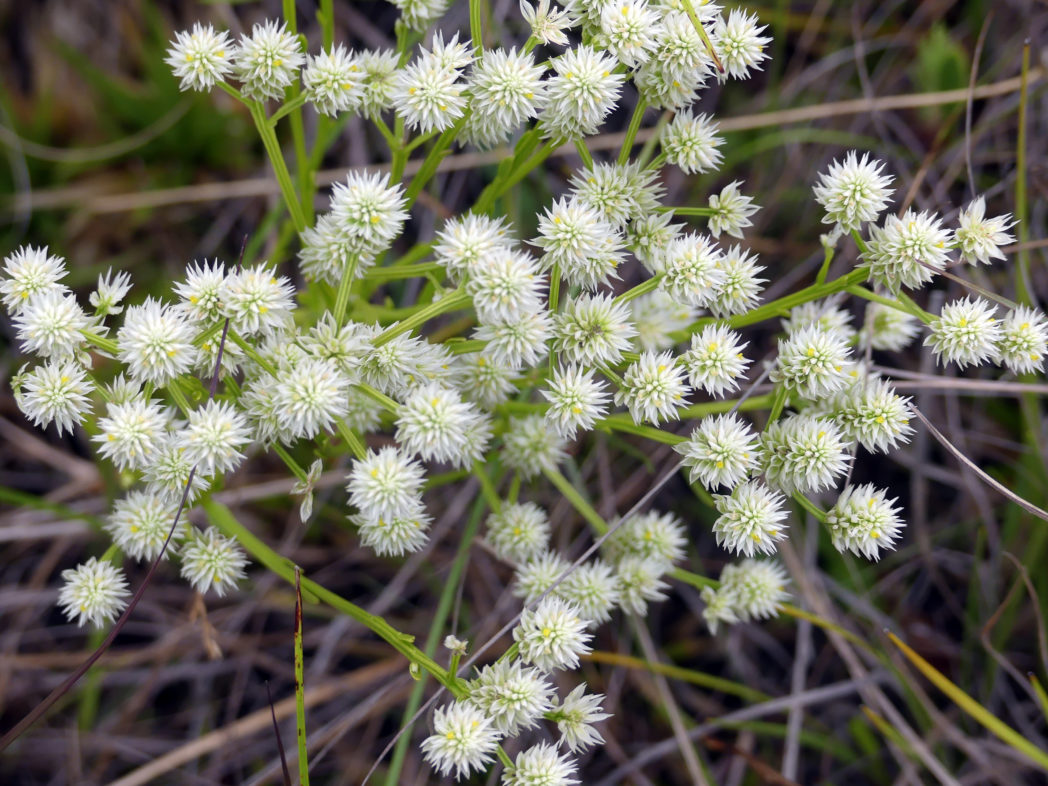
Balwin’s milkwort
(Senega balduini)
More info
Flower color: White
Habitat: Moist to wet
Region: PH, N, C, S
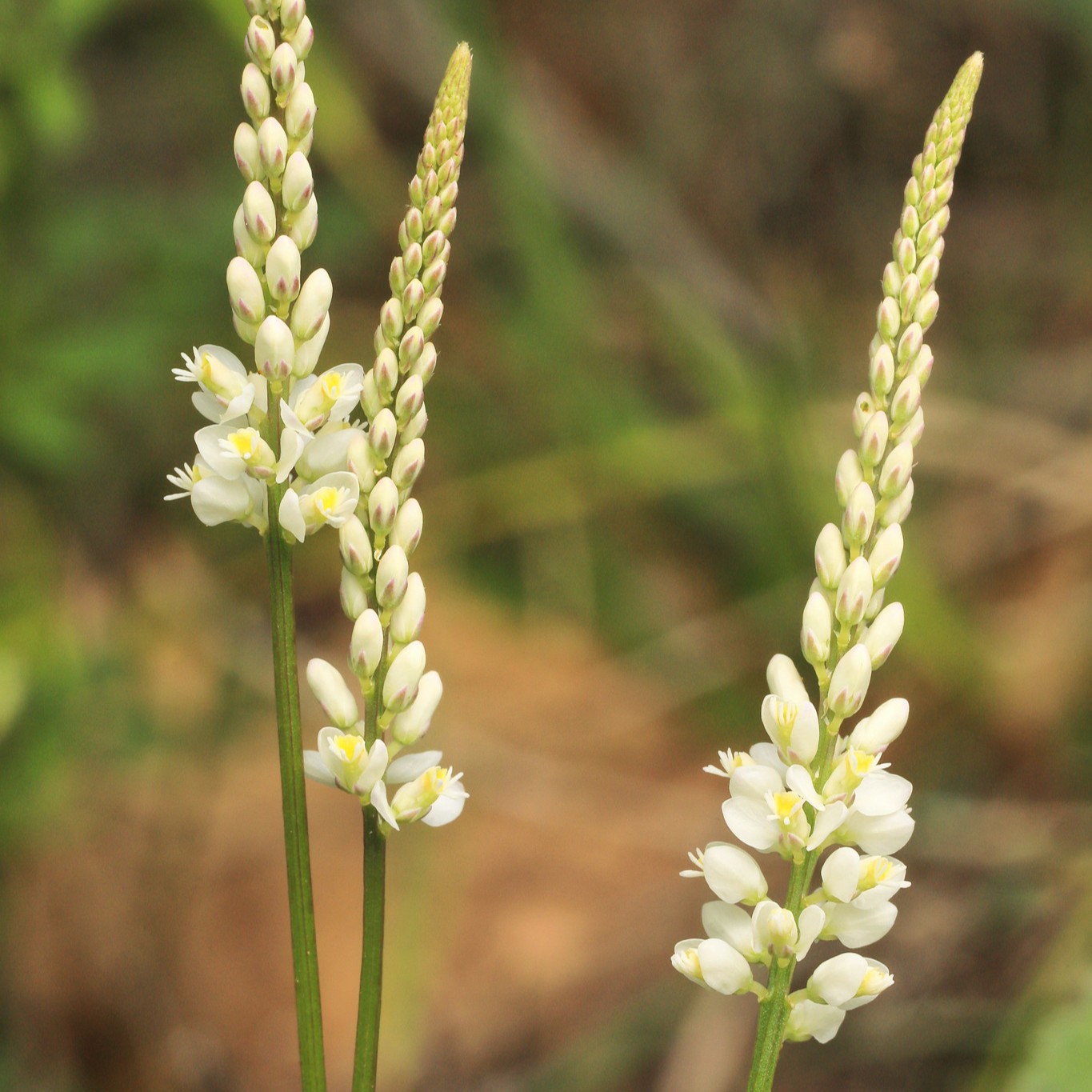
Boykin’s milkwort
(Senega boykinii)
More info
Flower color: White
Habitat: Slightly dry to moist
Region: Eastern PH, N, C, S (mainly Gulf coastal counties in N, C, S)
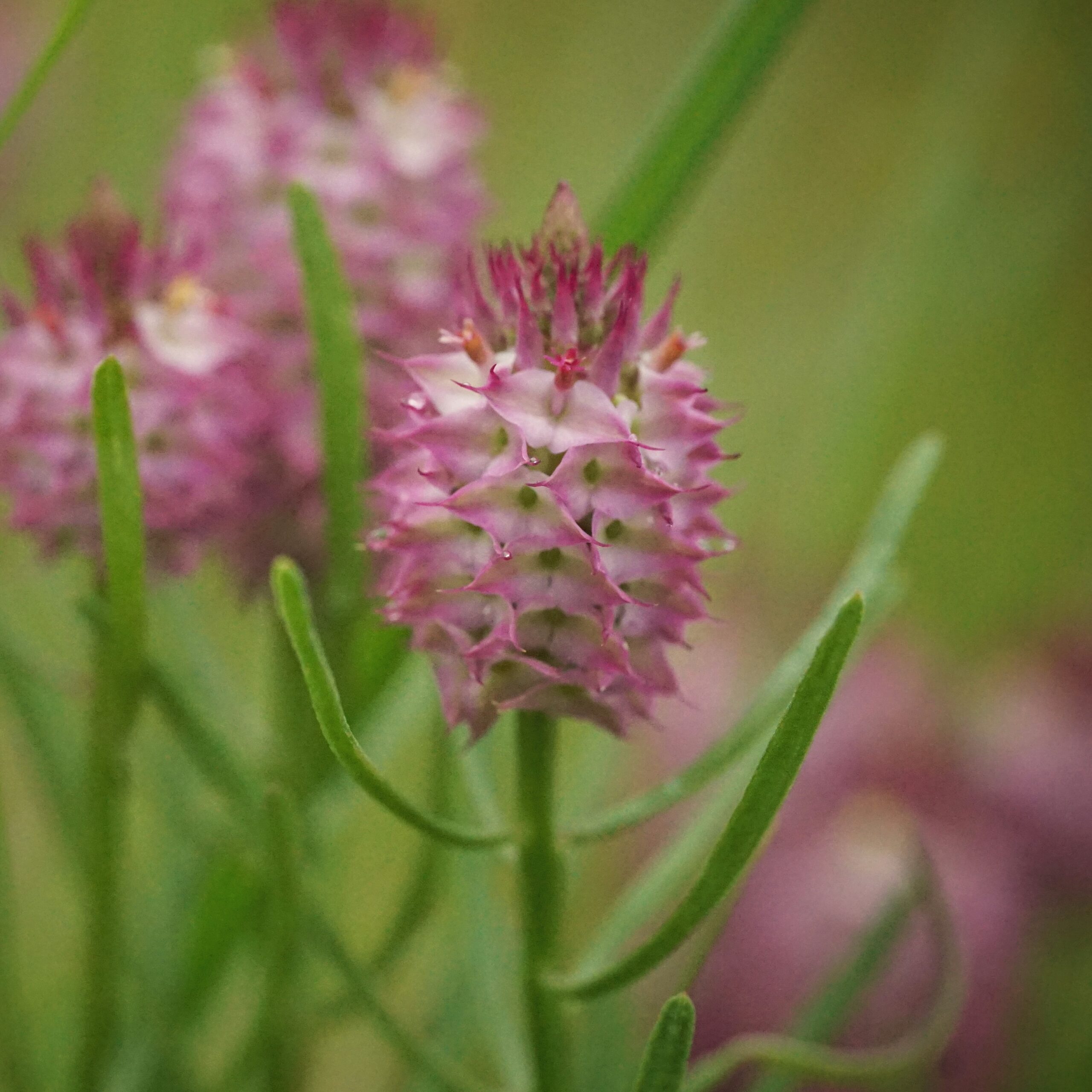
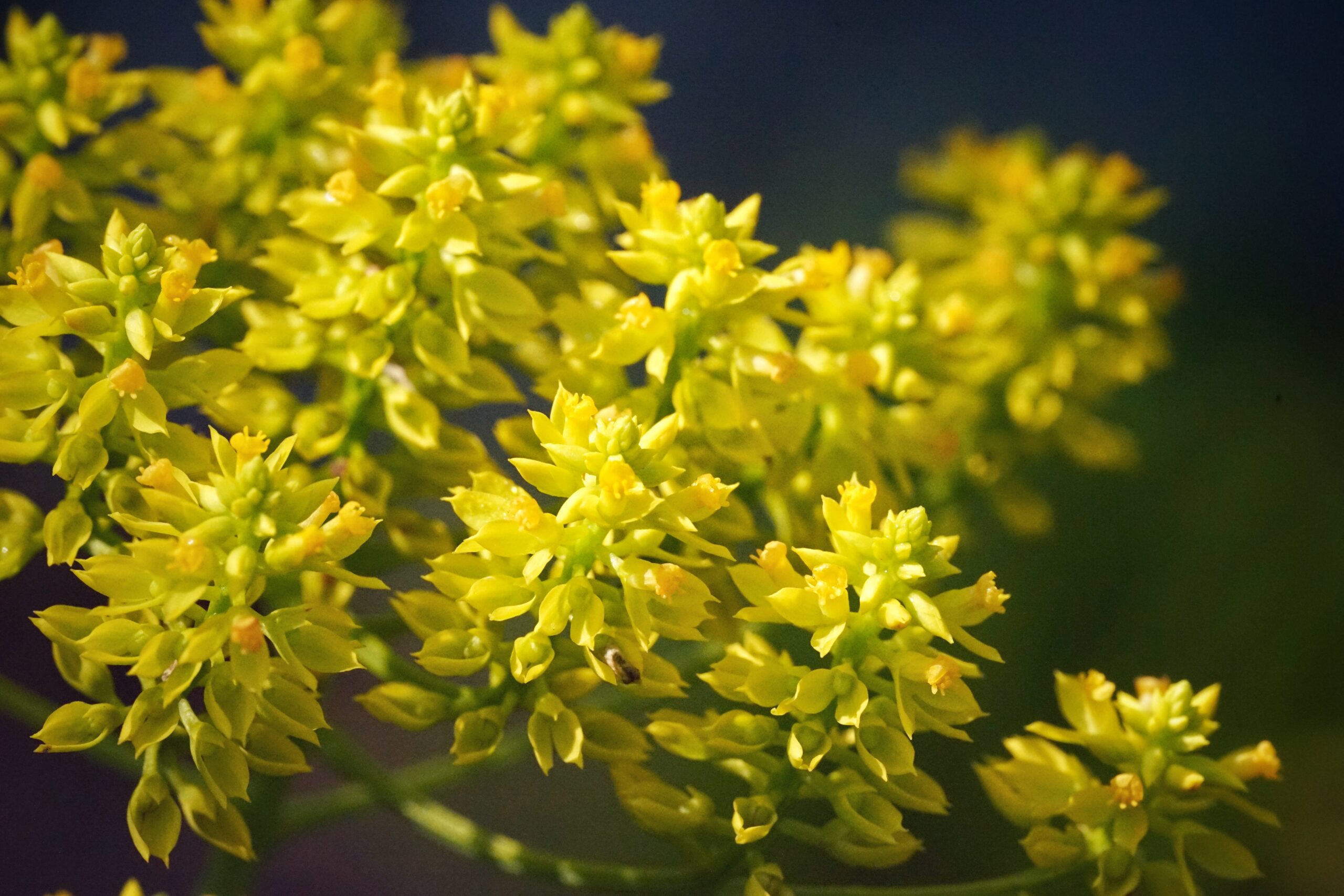
Tall pinebarren milkwort
(Senega cymosa)
More info
Flower color: Yellow
Habitat: Moist to wet
Region: PH, N, C, S (except extreme south Florida)
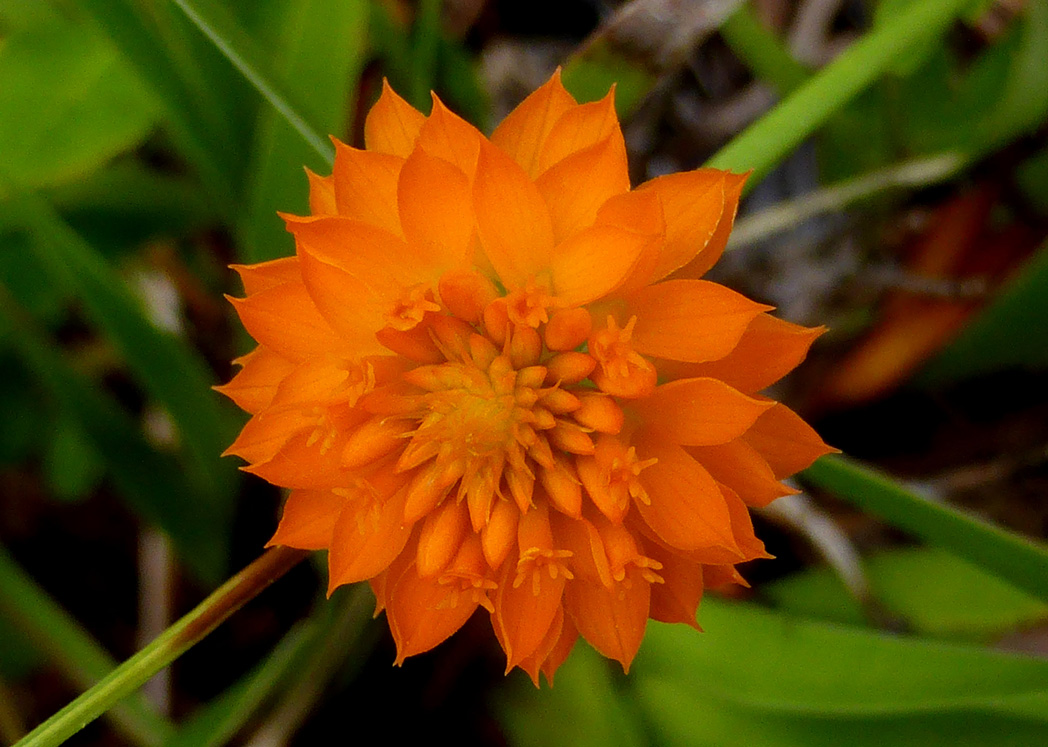
Orange milkwort
(Senega lutea)
More info
Flower color: Orange
Habitat: Moist
Region: PH, N, C, S
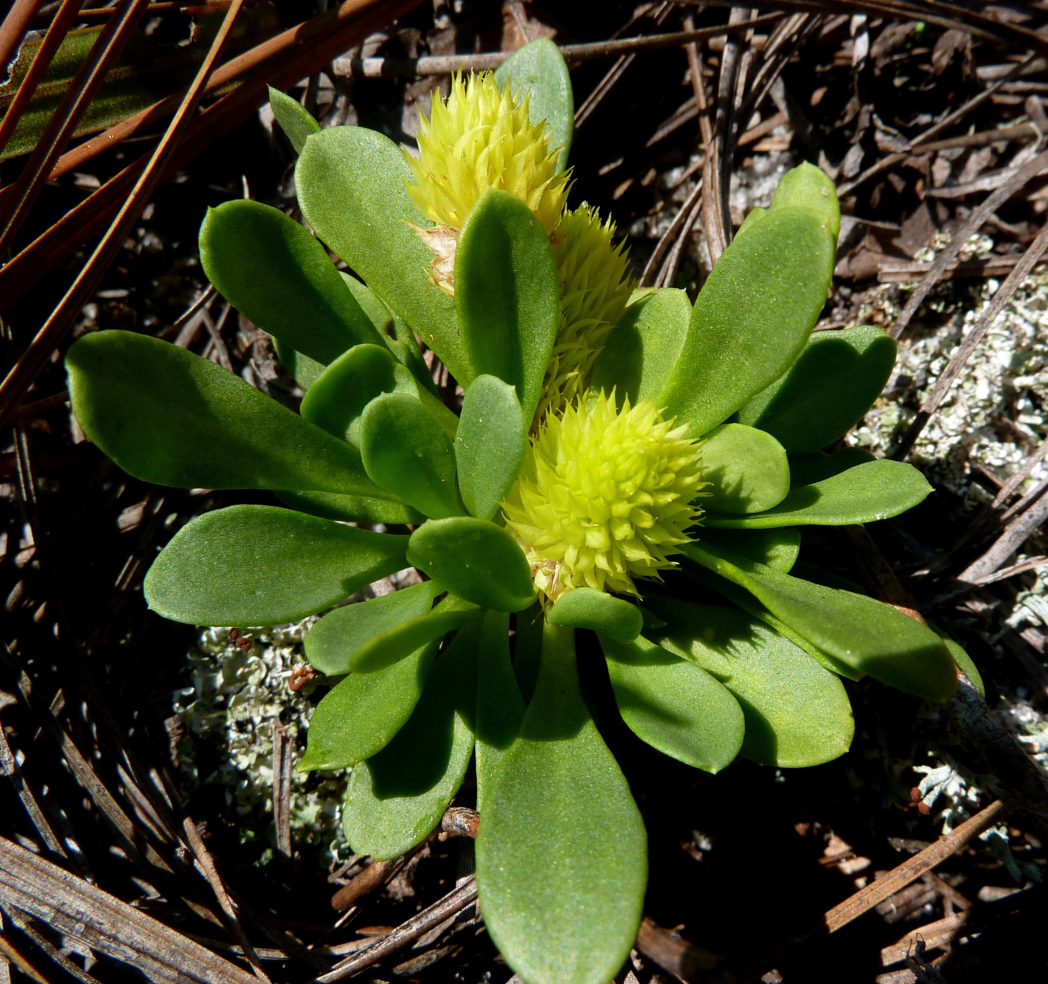
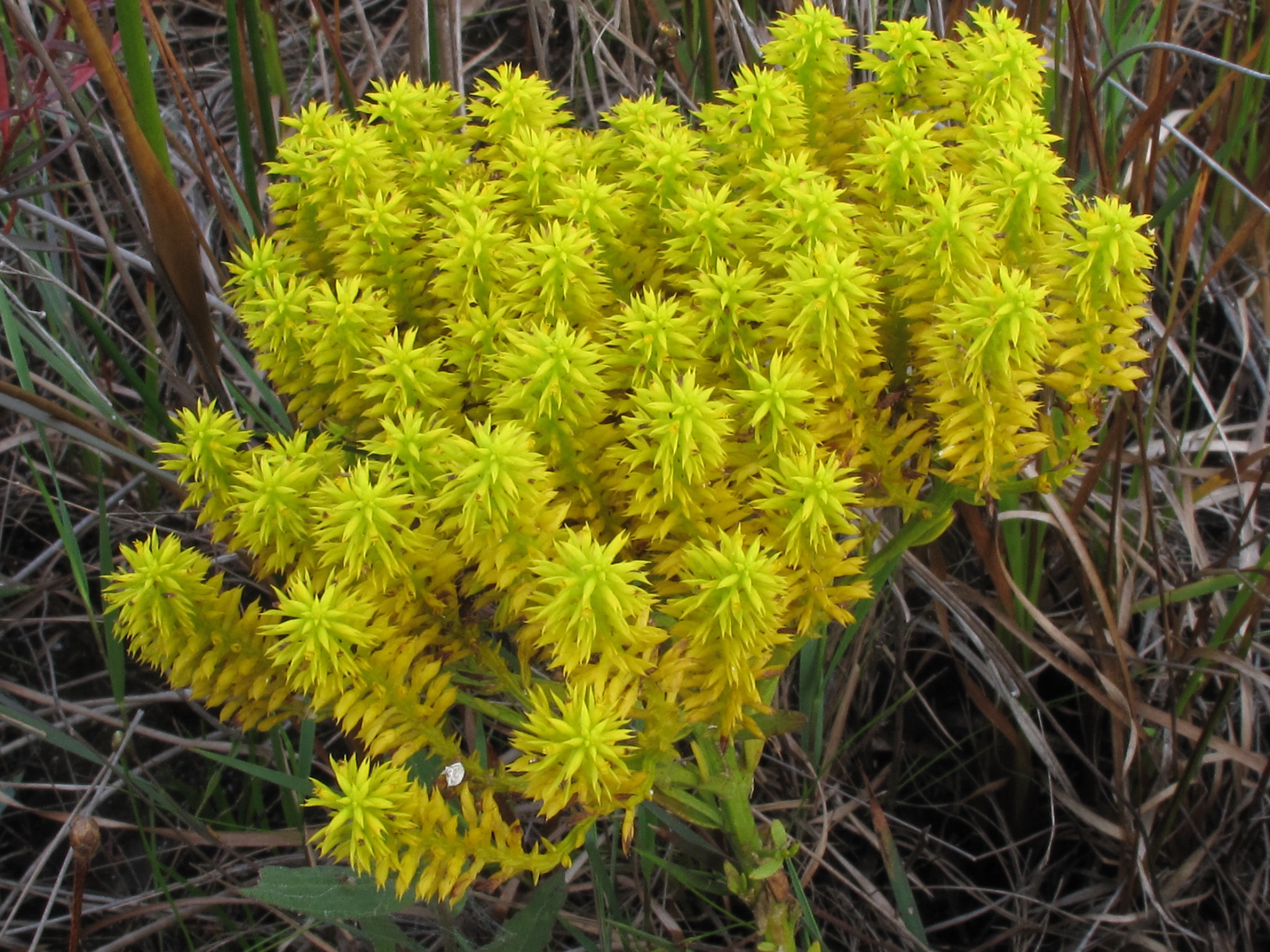
Low pinebarren milkwort
(Senega ramosa)
More info
Flower color: Yellow
Habitat: Moist
Region: PH, N, C, S
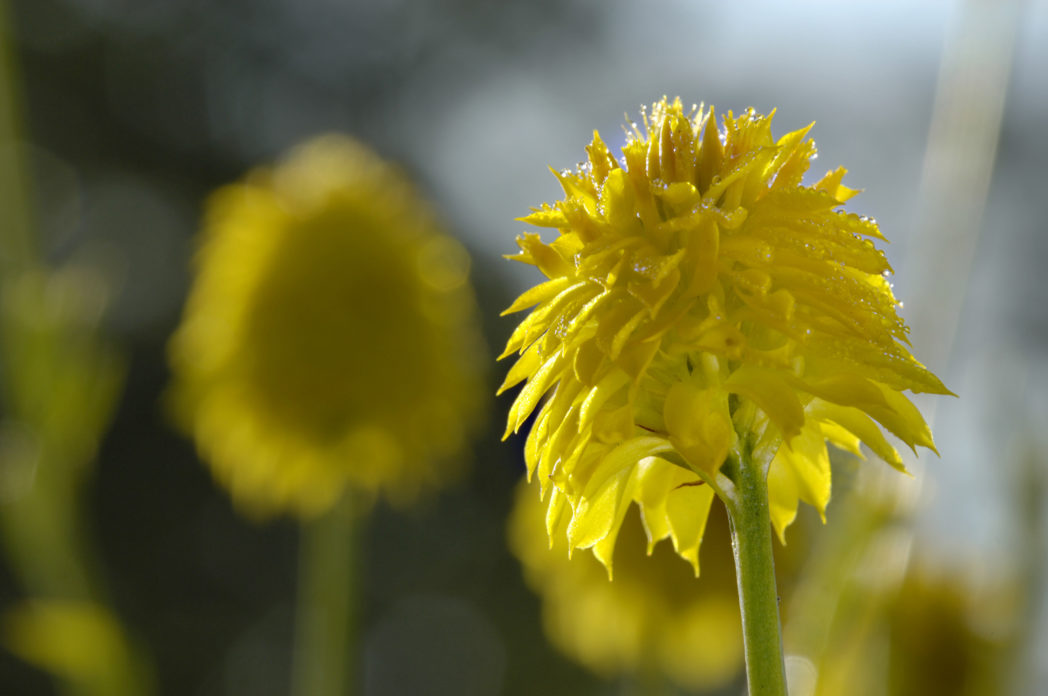
Yellow milkwort
(Senega rugelii)
More info
Flower color: Yellow
Habitat: Moist
Region: Endemic – N, C, S
As you explore and enjoy Florida’s spring beauty, remember this: Wildflowers are best left where they grow. Many of our native wildflowers reproduce only by seed, so picking flowers reduces their ability to sustain future generations. Instead of picking wildflowers, take a picture — it will last longer! If you’d like to bring wildflowers into your own space, consider planting some in your yard or in containers on your patio or porch.
Native wildflower seed packets are available from the Florida Wildflower Growers Cooperative. Click here to check availability and place an order. You can also find native wildflower plants (and sometimes seeds) at nurseries or garden centers that specialize in native species. Visit the Florida Association of Native Nurseries’ website to find a native garden center near you.