Sweat bees
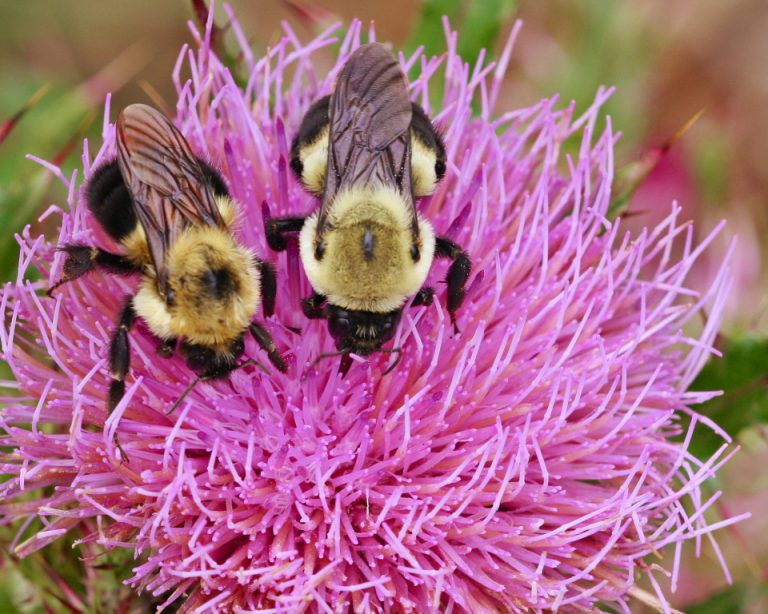
Halictidae, or sweat bees, are an extremely diverse group that are often abundant year round. Some are metallic green, others are smaller than a grain of rice, and nearly all are valuable pollinators.

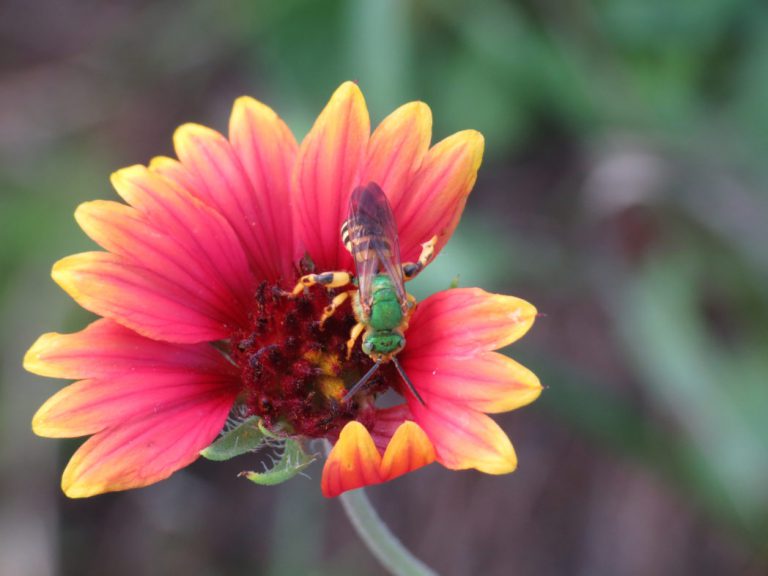
Halictidae, or sweat bees, are an extremely diverse group that are often abundant year round. Some are metallic green, others are smaller than a grain of rice, and nearly all are valuable pollinators.
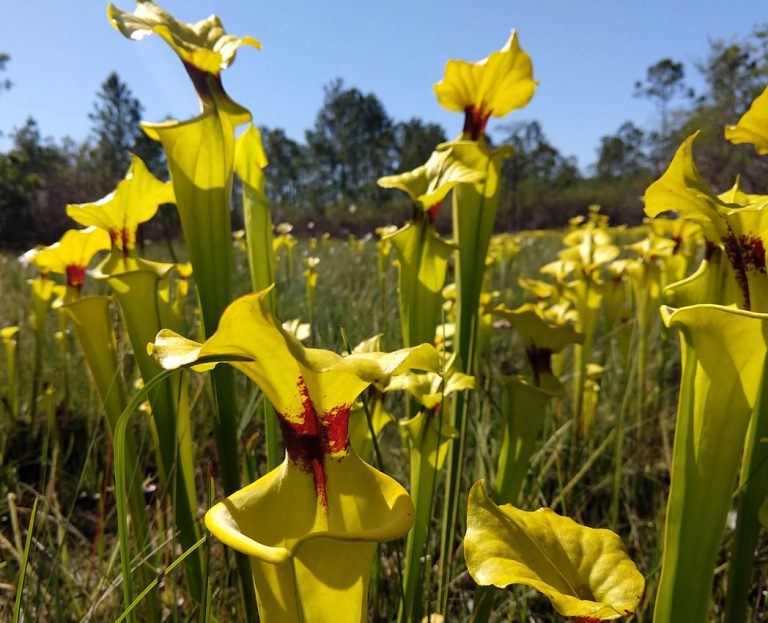
The Panhandle Wildflower Alliance’s Fall 2019 newsletter features updates about new wildflower programs, where to see wildflowers in bloom, and much more.
Five grants were awarded in 2020: Cutting Horse Eco-Center, Bonita Springs (Lee County); Folly Farm Nature Preserve, Safety Harbor (Pinellas County); Orange County UF/IFAS Extension, Orlando; Port St. Lucie Botanical Gardens (St. Lucie County); and Sanibel-Captiva Conservation Foundation (Lee County).
This bloom report covers spring 2020. Look for spring’s wildflower displays in wet areas and ditches. Dry-adapted wildflowers also may do well. Read our Bloom Report to find out more about what to expect.
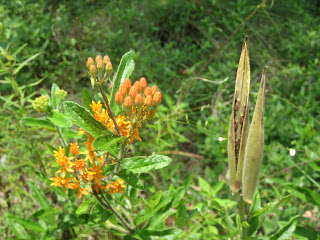
Although summer’s heat keeps many of us inside, it’s a busy time for wildflowers. Thousands of butterflies, bees, wasps and other insects visit flowers to obtain nectar.
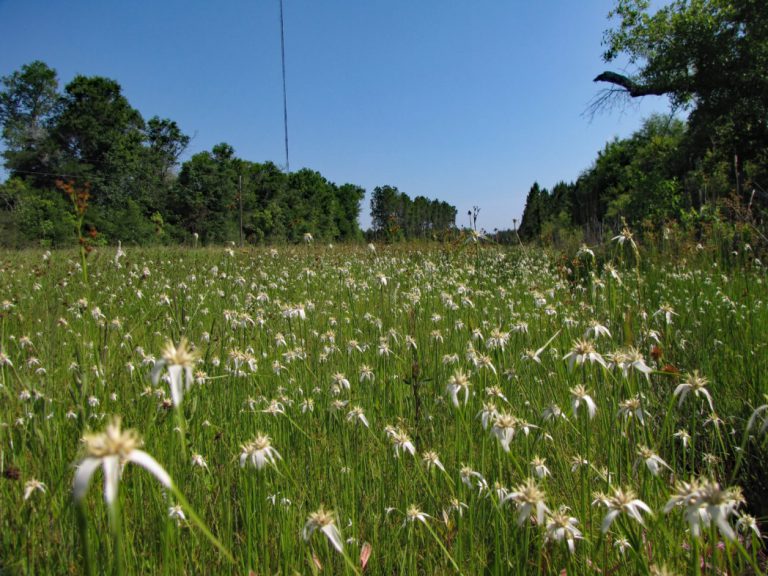
This bloom report is from spring 2019. Spring is the time of year that many of us associate with blooming plants – for good reason.
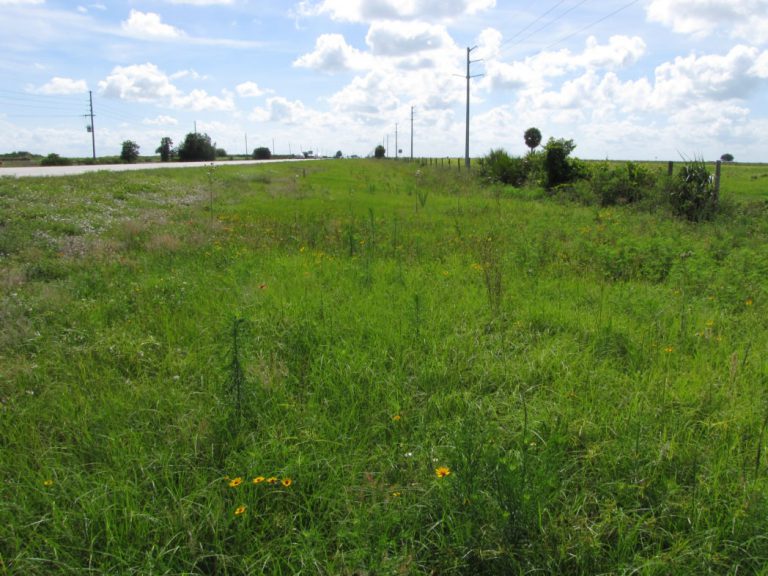
FWF will begin a 4-year study of economical and practical site prep methods to minimize weed competition in wildflower sites planted from seeds.
With interest mounting in using wildflowers in urban landscapes, there is a huge demand for information about Florida’s native plants. “20 Easy-to-Grow Wildflowers” features a selection of 20 “tried and true” species that are easy to grow and maintain.
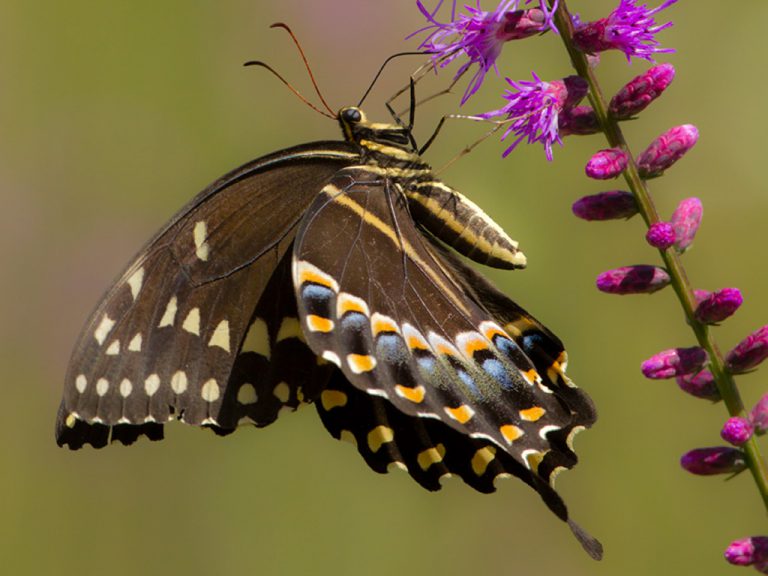
The Florida Wildflower Foundation has received a $17,000 grant from Stanley Smith Horticultural Trust for its project, “20 Easy Wildflowers to Grow Now!” It includes a publication, continuing education courses for horticultural professionals, and live social media events.
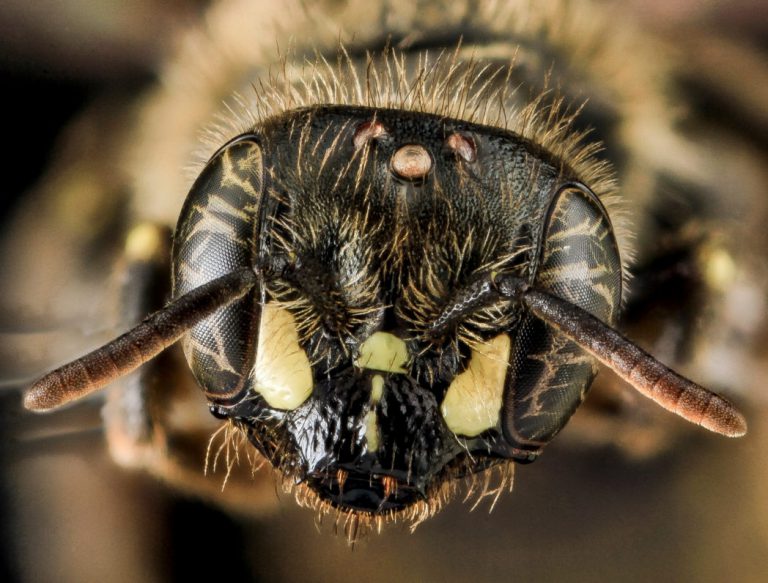
Mining bees (Andrenidae) are a diverse family and some of the first bees to fly come spring. But if you don’t see them in the air, you can usually spot their conspicuous nest entrances on the ground marked by mounds of excavated soil.
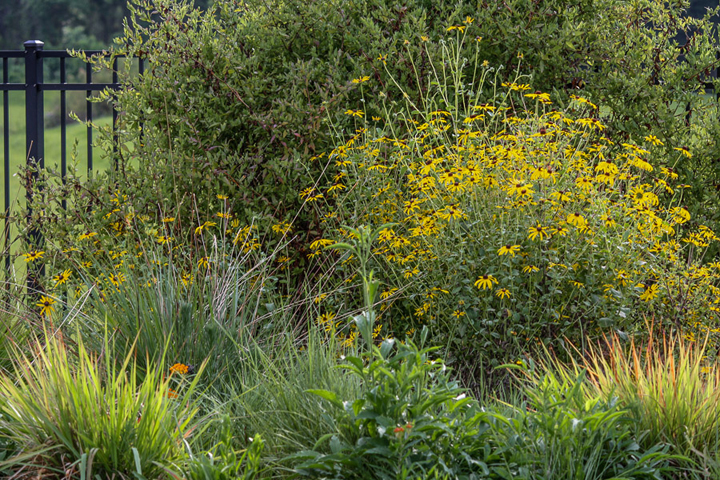
As summer progresses many of our fall-blooming wildflowers become tall and stately, forming backdrops and filling fence rows as they reach peak bloom from September through December. But this is when storms increase, bringing intense waves of wind and rain.
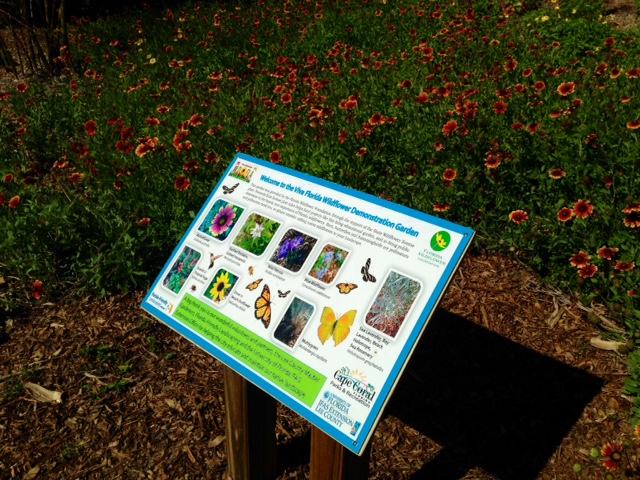
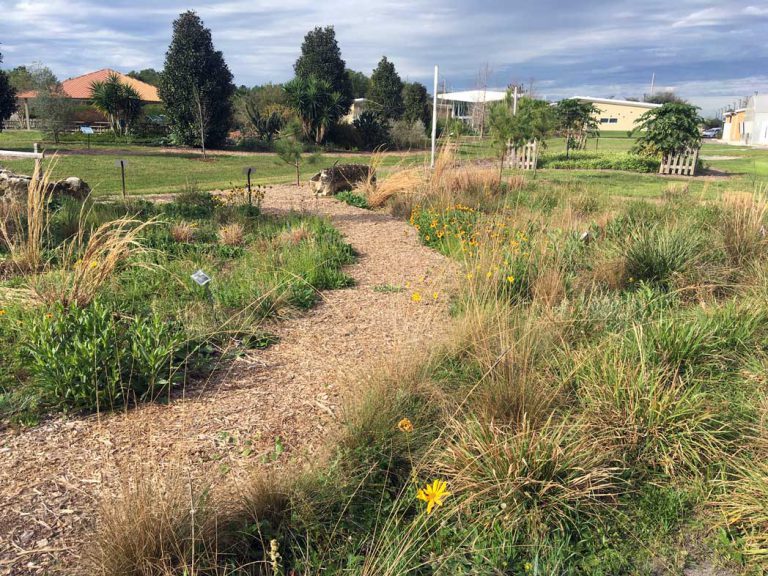
A visit to Cape Coral’s Rotary Park Environmental Center includes an opportunity to become acquainted with Florida’s beautiful wildflowers. With funds from the FWF’s Viva Florida Landscape Demonstration Garden grant, a native wildflower garden has been planted near the park’s education center.