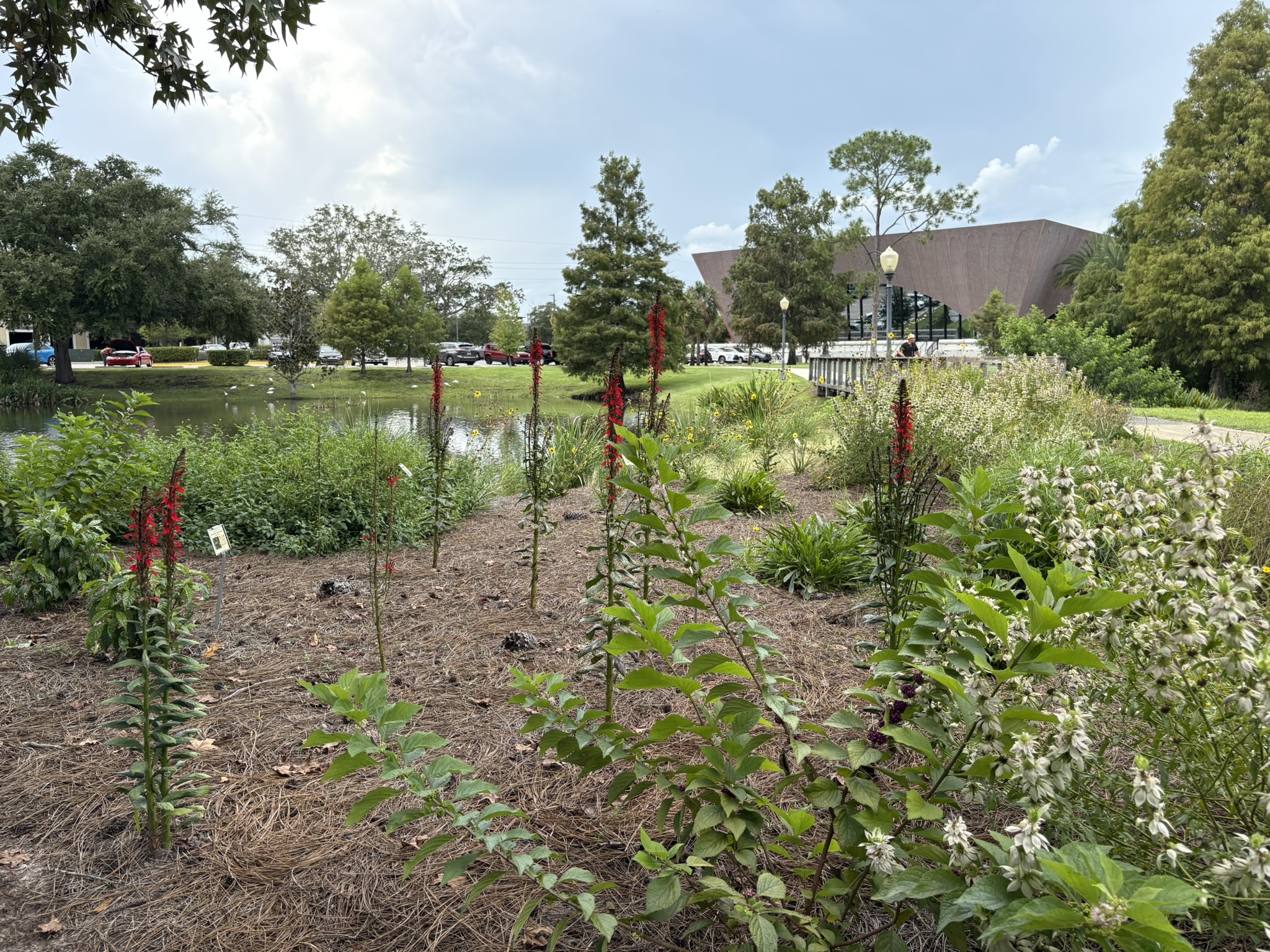
Installed in spring 2025, the garden at the Winter Public Library in Orange County was funded through a Seeds of Knowledge Library Demonstration Garden Grant. This native pollinator garden is located just outside the library, at the end of the bridge connecting to Martin Luther King Park, and offers a welcoming, highly visible space for learning and reflection with scenic views of the adjacent lake. Set within a 20-by-20-foot area in a heavily trafficked public setting, the garden engages library visitors, park users, and the broader community in the importance of native plants, pollinators, and sustainable landscaping. Its proximity to library classrooms and ongoing UF/IFAS Extension and community programming makes it an ideal hands-on learning site, complemented by a nearby outdoor learning area developed by the Library and Parks Department.
Winter Park Public Library in Orange County
DID YOU KNOW? Florida native plants are adapted to thrive in our climate, conditions and soil. They need less water than other plants, and require no fertilizers, pesticides or other chemicals. This saves precious water resources and keeps excess nutrients from polluting lakes, rivers and streams.
The garden was made possible by a grant from the Florida Wildflower Foundation.
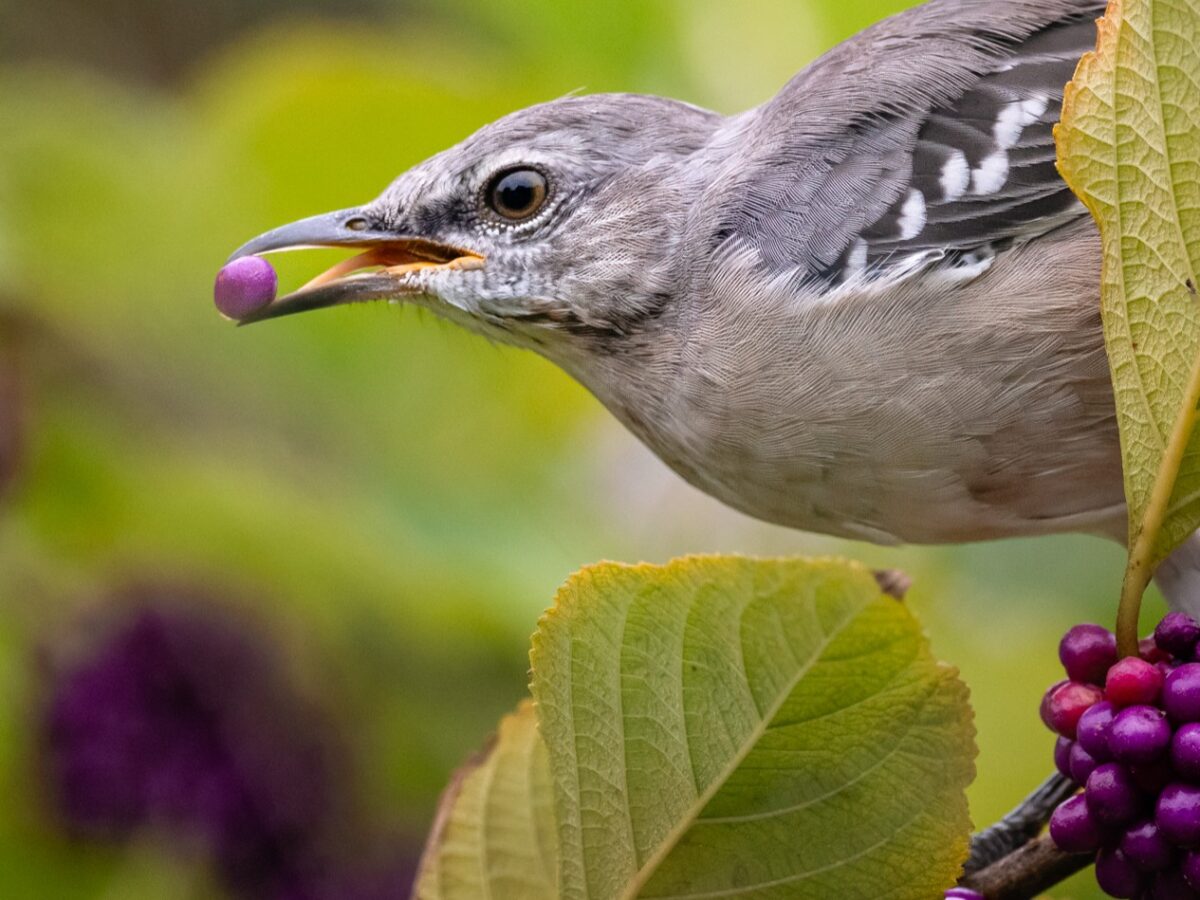
American beautyberry (Callicarpa americana) is a woody shrub found in pinelands and hammocks throughout Florida. Its flowers are a nectar source for pollinators, while the numerous berries provide food for…
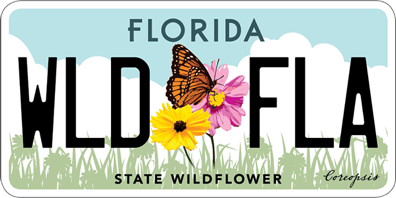
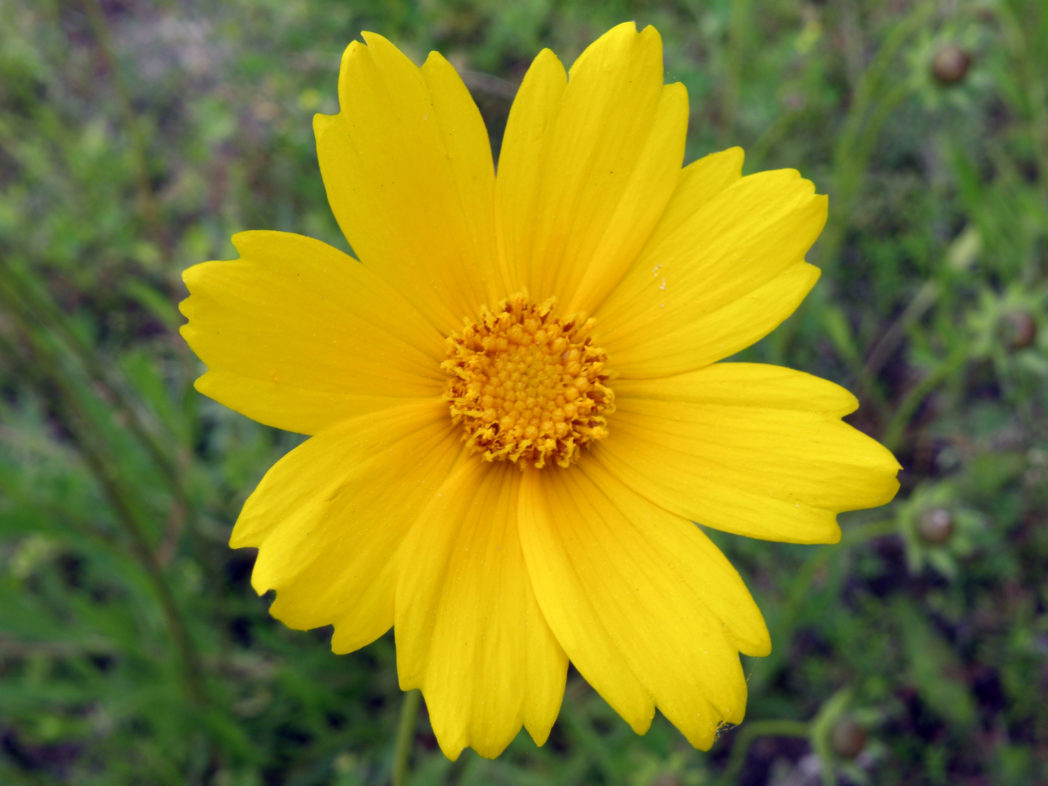
Lanceleaf tickseed (Coreopsis lanceolata ) has conspicuously sunny flowers that typically bloom in spring. It attracts butterflies and other pollinators, and its seeds are eaten by birds and small wildlife.
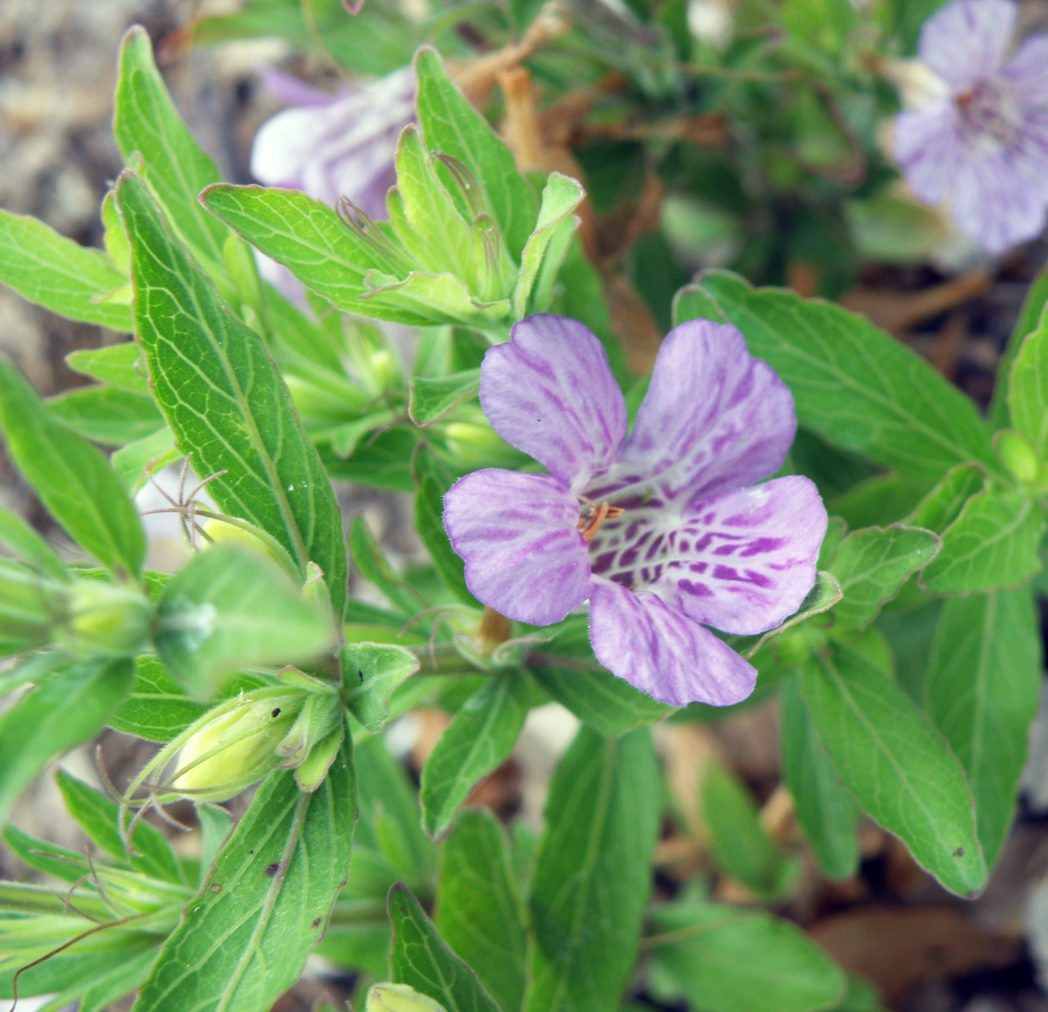
If you are tired of mowing, watering and fertilizing the lawn, consider replacing your turf grass with Oblongleaf twinflower (Dyschoriste oblongifolia), an easy-to-care-for native groundcover.
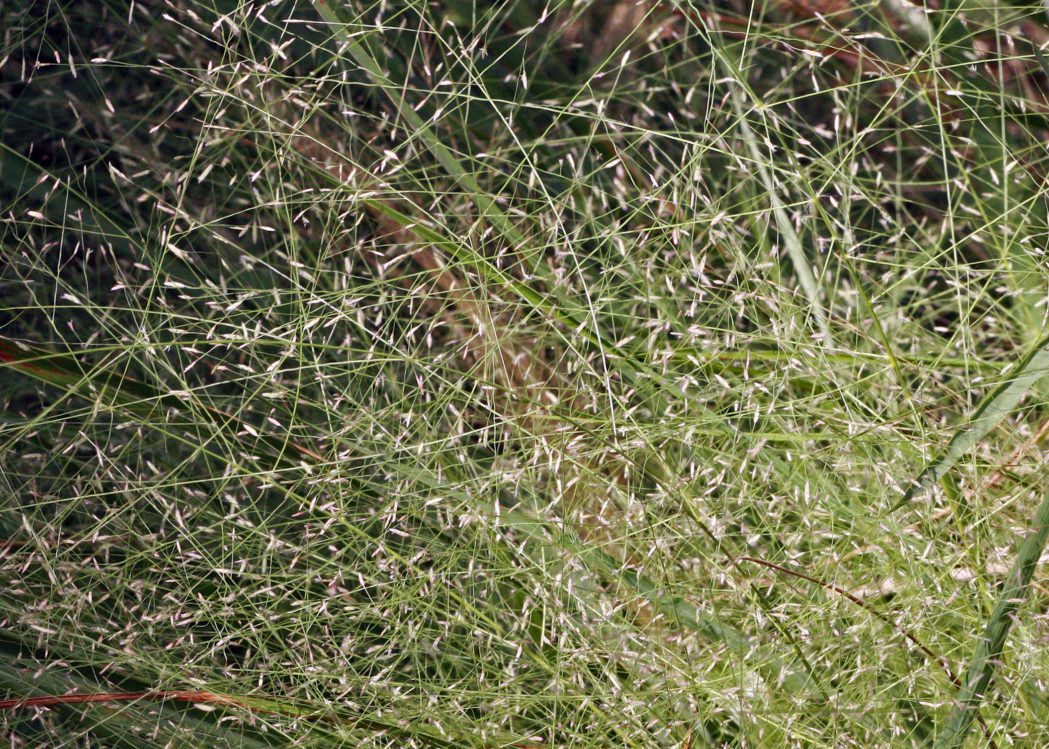
Elliott’s lovegrass (Eragrostis elliottii) is a perennial bunchgrass with an abundance of delicate flowers that cover the plant in a billowy beige haze.
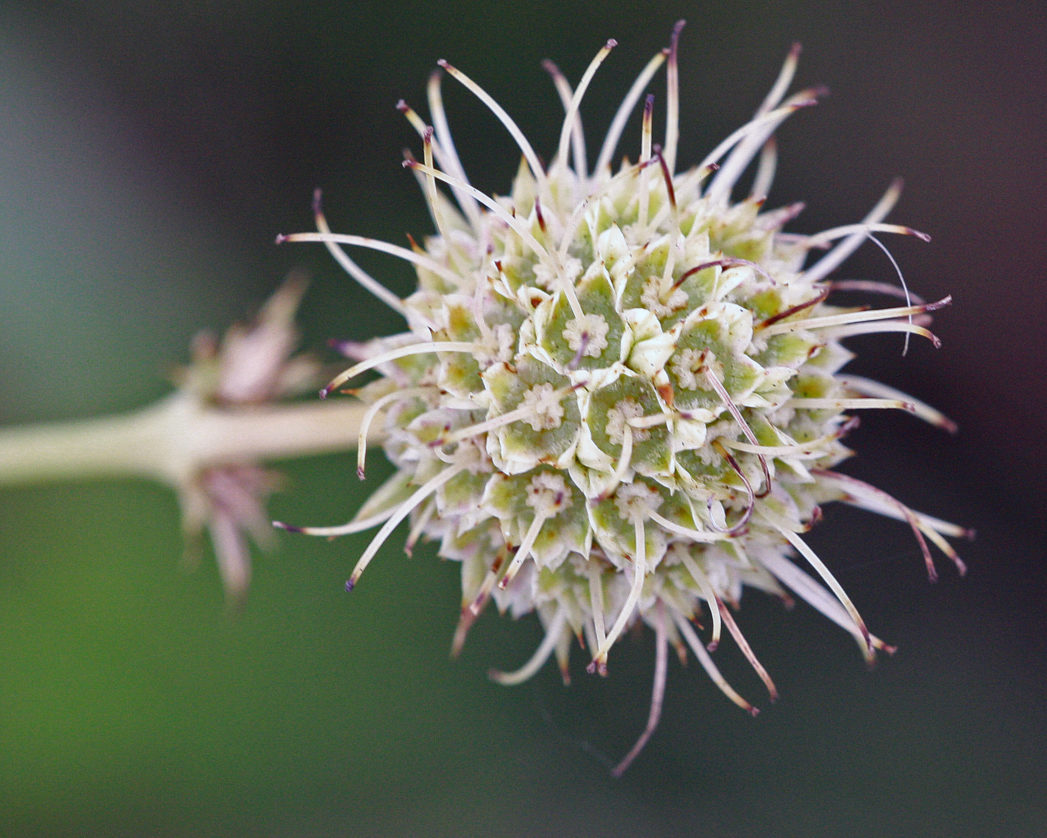
Button rattlesnakemaster (Eryngium yuccifolium ) is a peculiar perennial wildflower that occurs in flatwoods, sandhills, savannas and marshes throughout Florida. It blooms in late spring through fall.
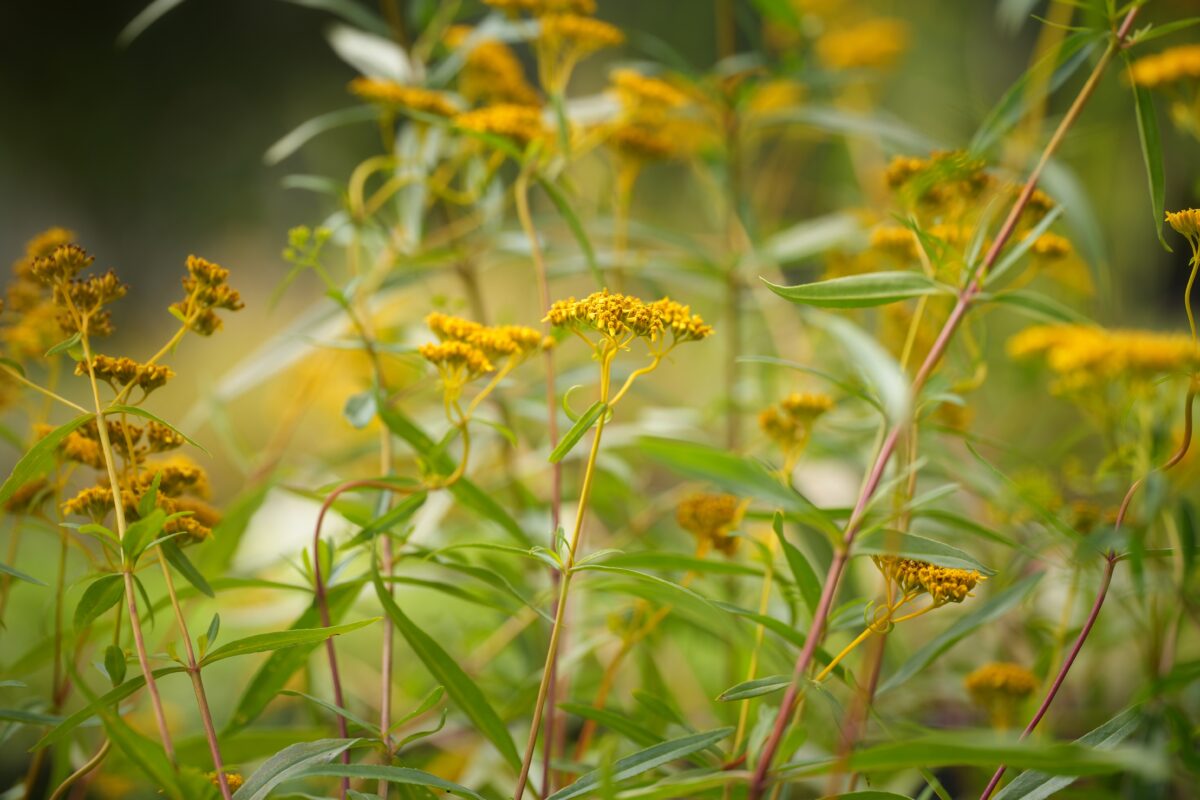
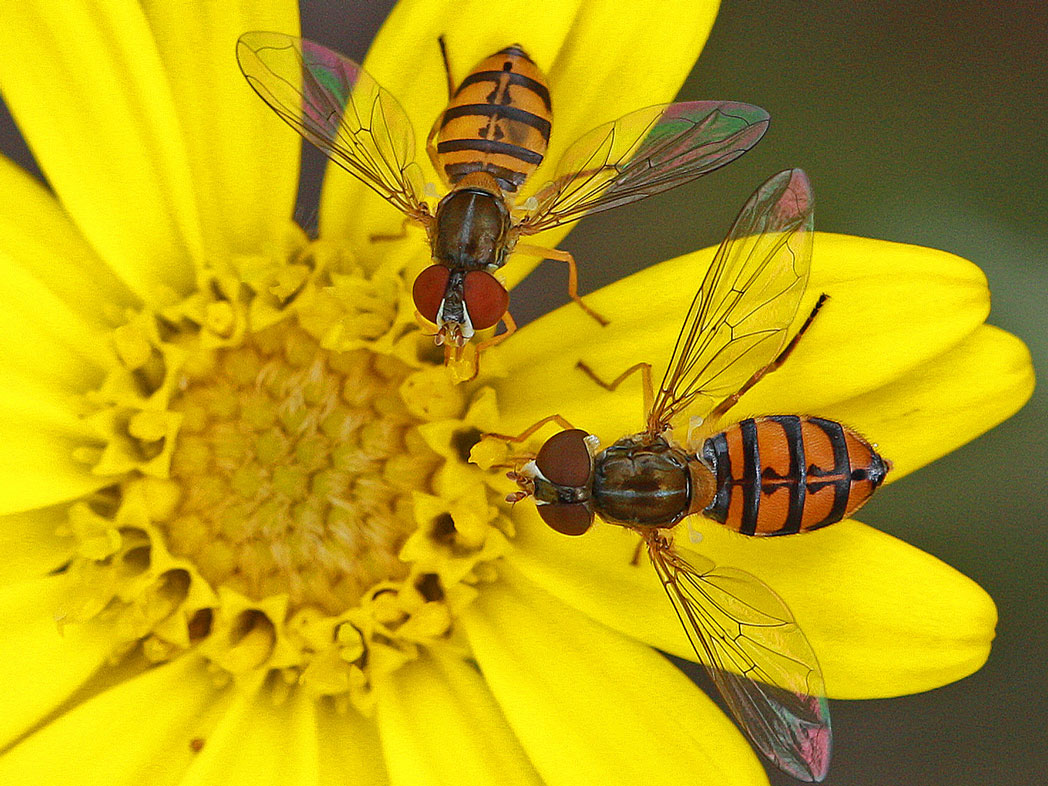
Narrowleaf yellowtops (Flaveria linearis) blooms in late summer through fall, producing many bright yellow flowers that are attractive to a plethora of butterflies, bees and flower beetles.
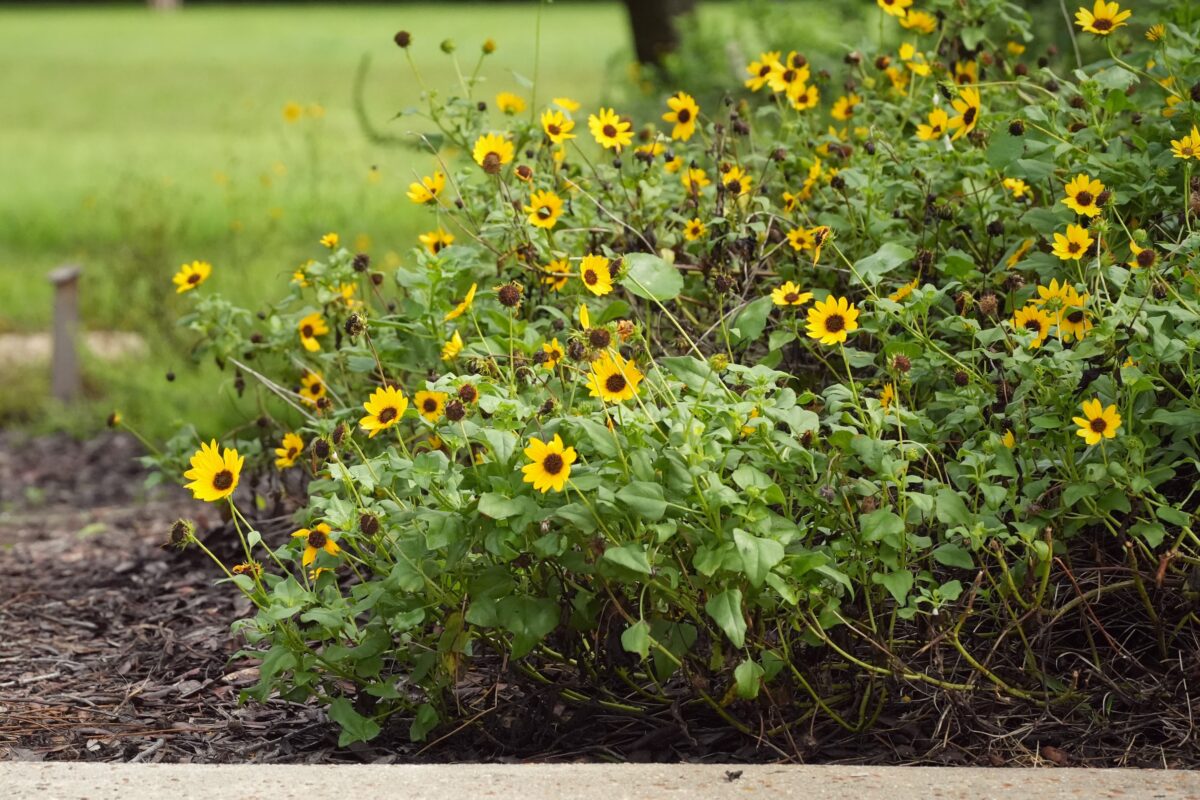
Dune sunflower (Helianthus debilis) occurs naturally along the coast. Its bright flowers attract a variety of pollinators, its dense growth pattern provides cover for many small animals and birds enjoy…
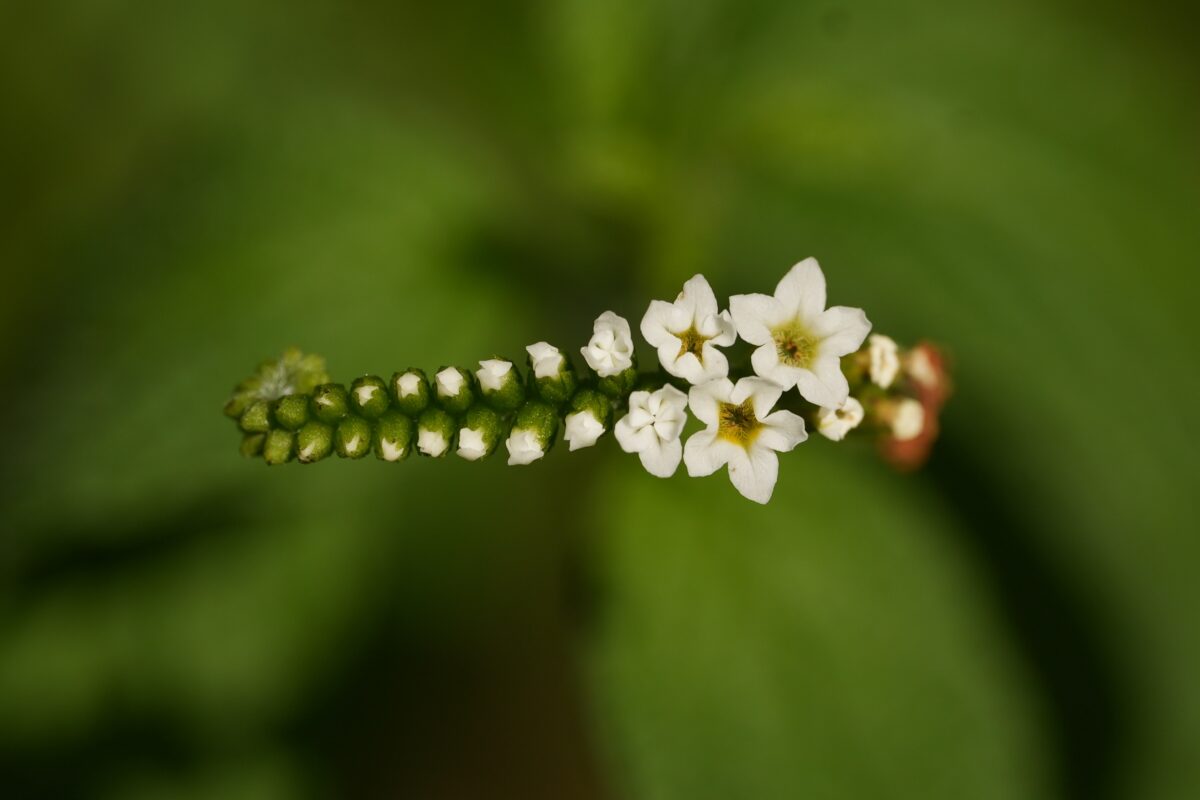
Scorpionstail (Heliotropium angiospermum) is a shrub-like plant with unique white flowers that bloom year-round. Its nectar attracts a variety of butterflies including the Miami blue and Schaus’ swallowtail.
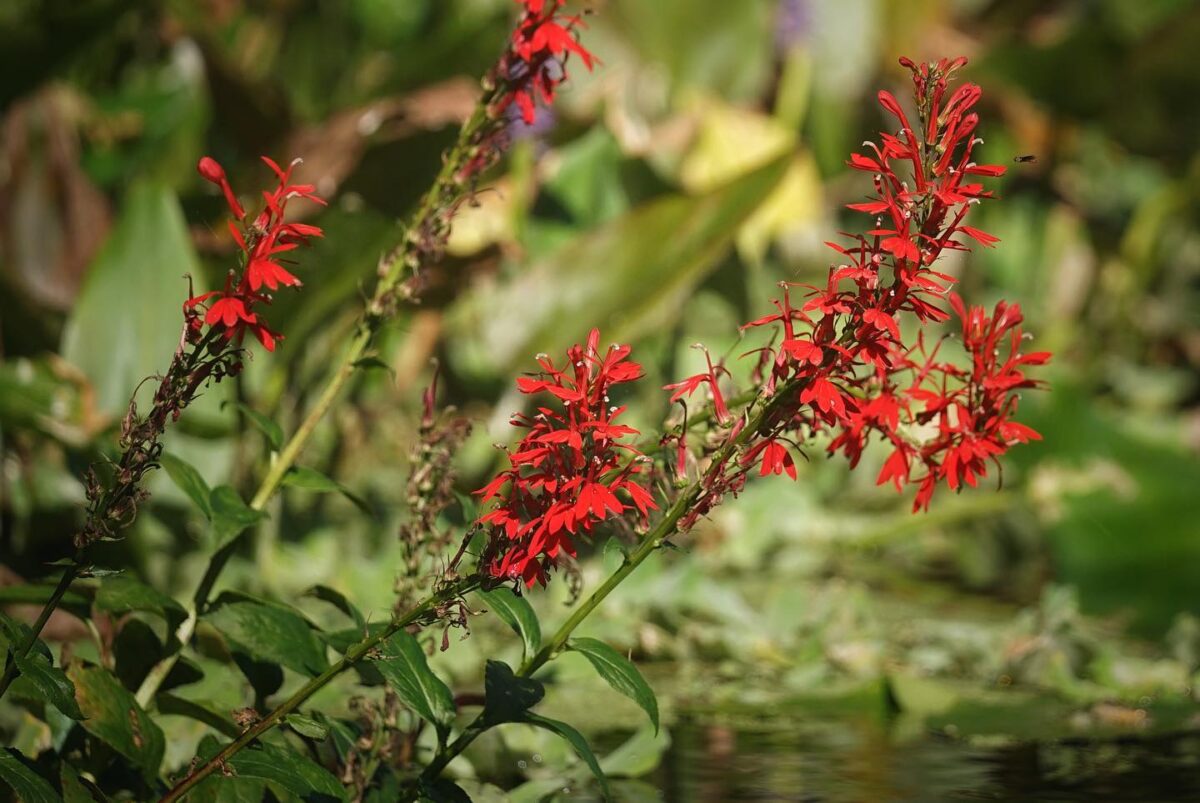
Cardinalflower (Lobelia cardinalis) is an aquatic wildflower with erect spikes of brilliant red blooms that attract hummingbirds, butterflies and bees.
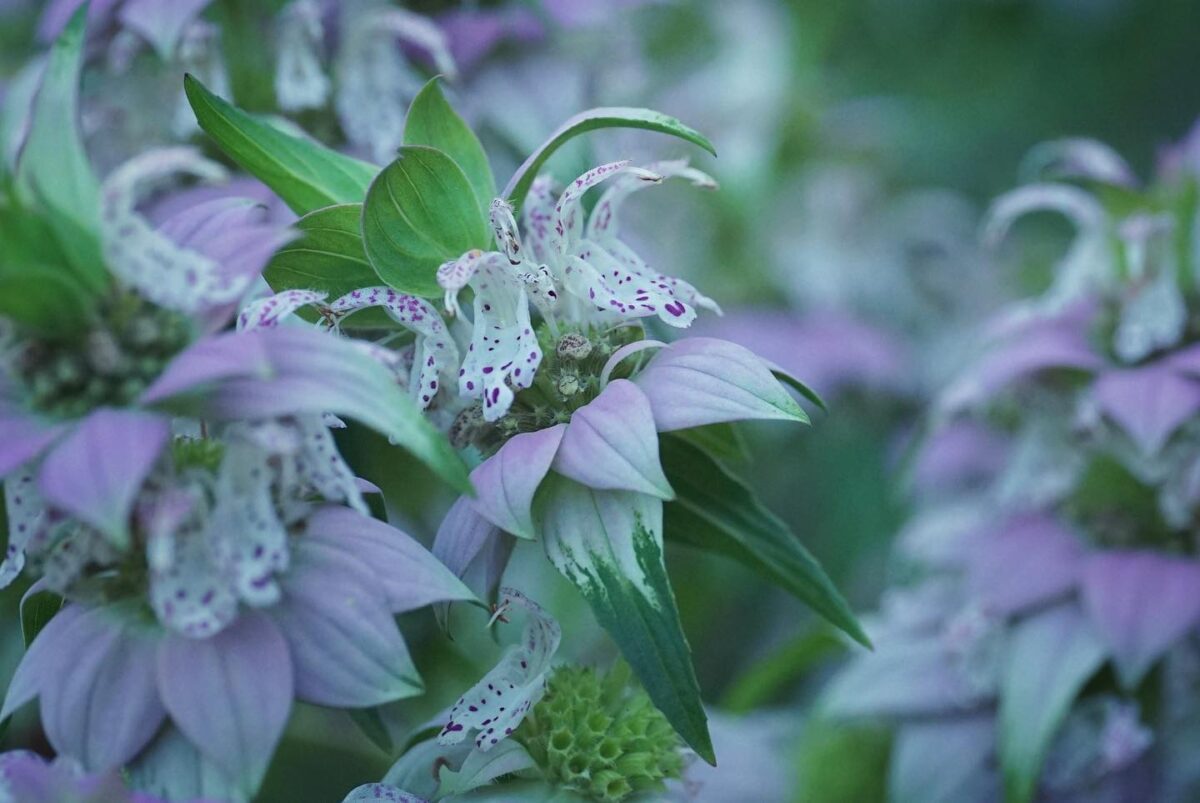
Spotted beebalm (Monarda punctata) is a robust, aromatic wildflower known to attract a huge variety of pollinating insects, including bees, wasps and butterflies. It blooms from early summer through fall.
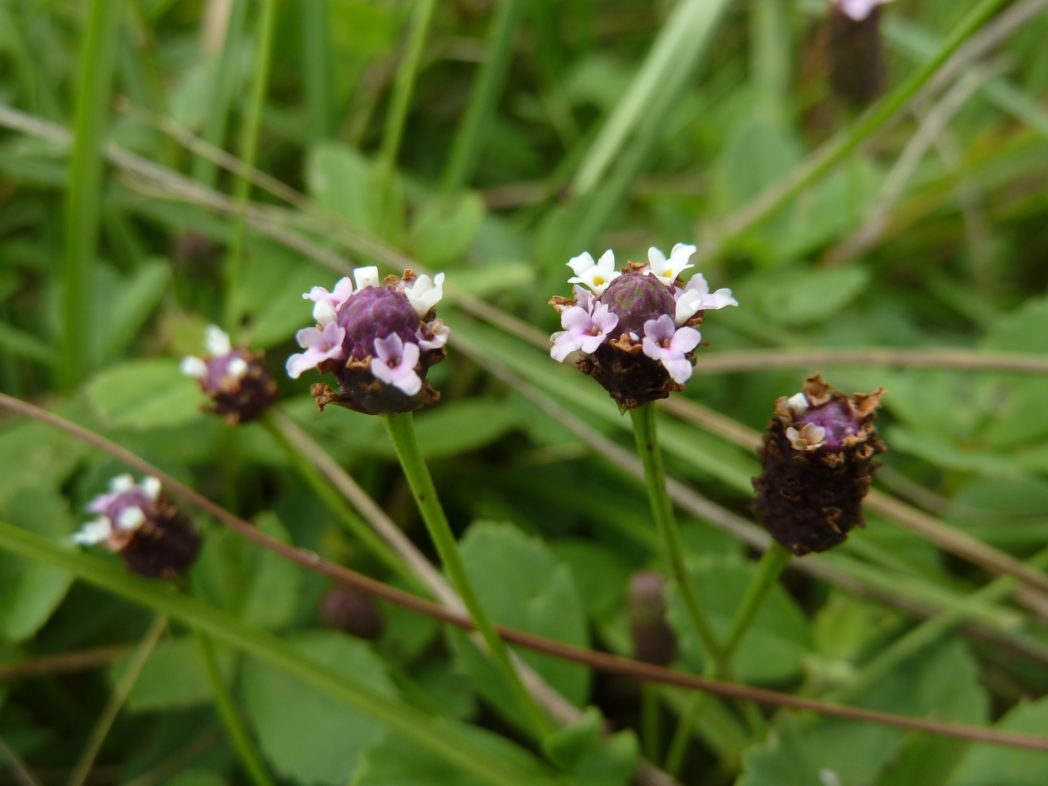
Frogfruit (Phyla nodiflora) is both a versatile and vital wildflower. This evergreen perennial is low-growing and creeping, often forming dense mats of green foliage.
Narrowleaf silkgrass (Pityopsis graminifolia) blooms late summer through early winter in sandhill, flatwoods and scrub habitats throughout the state. It has brilliant yellow flowers and silvery leaves.
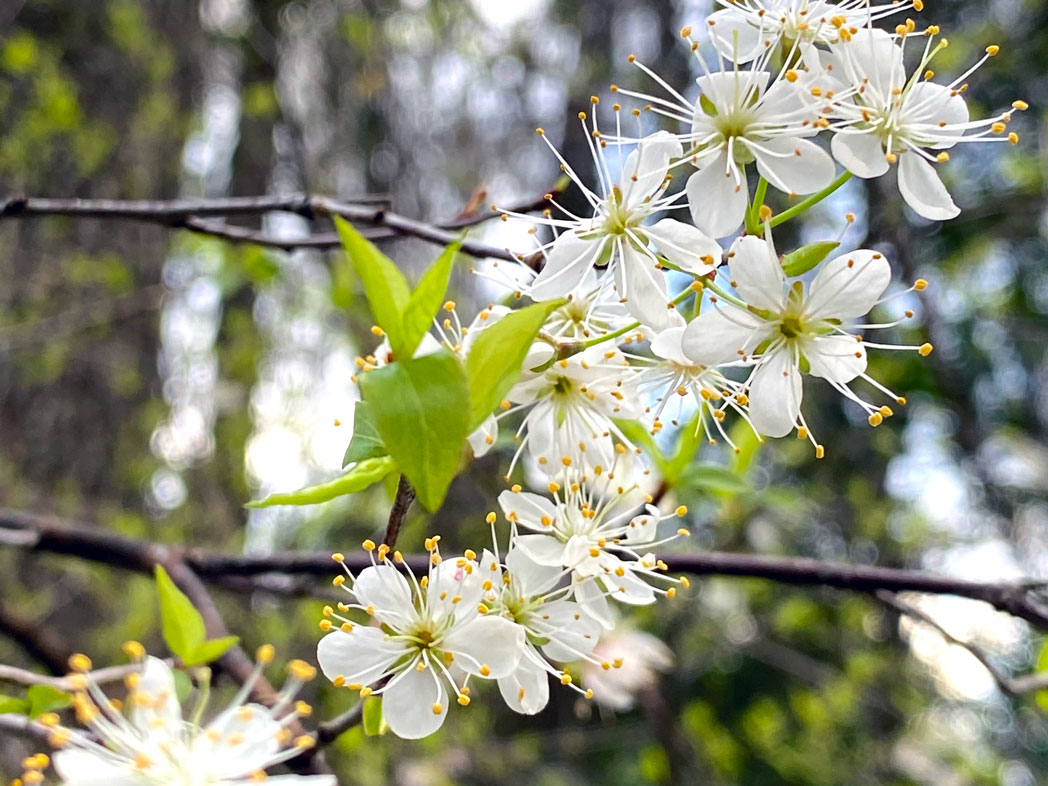
Flatwoods plum (Prunus umbellata) is a large shrub to small tree found in hammocks and woodlands throughout North and Central Florida. It flowers in spring, with profuse umbels of white…
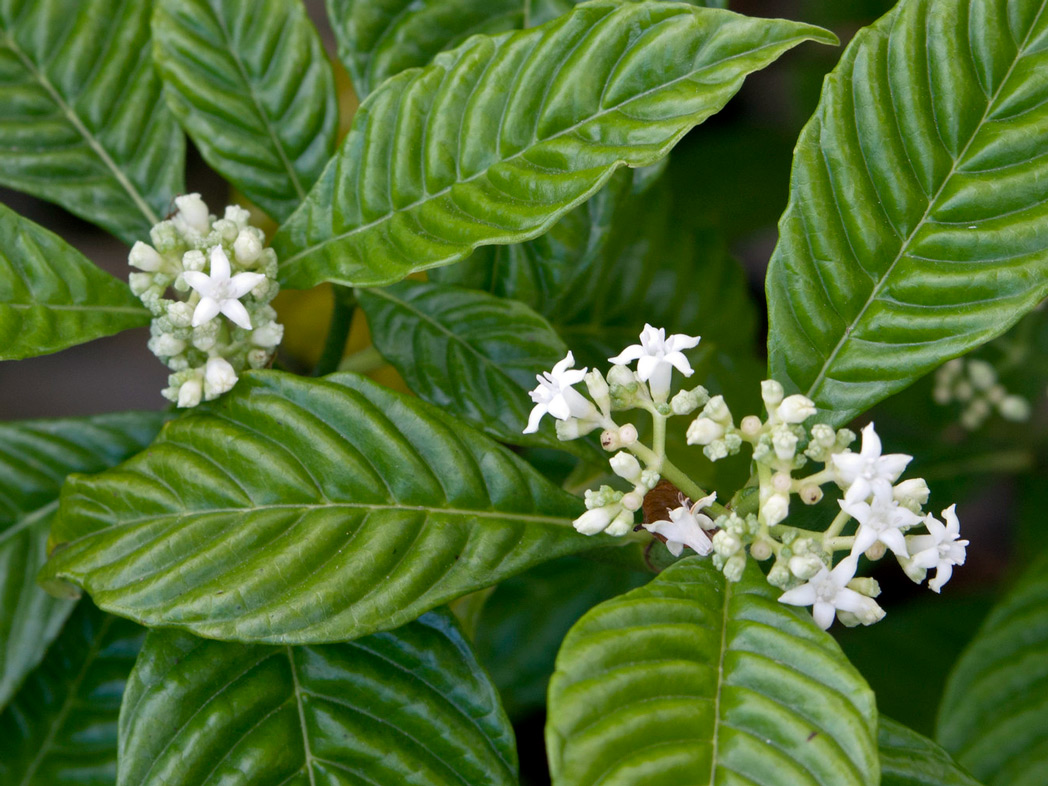
Wild coffee (Psychotria nervosa) flowers typically bloom in spring and summer, but may bloom year-round. They are attractive to a variety of pollinators, especially Atala and Schaus’ swallowtail butterflies.
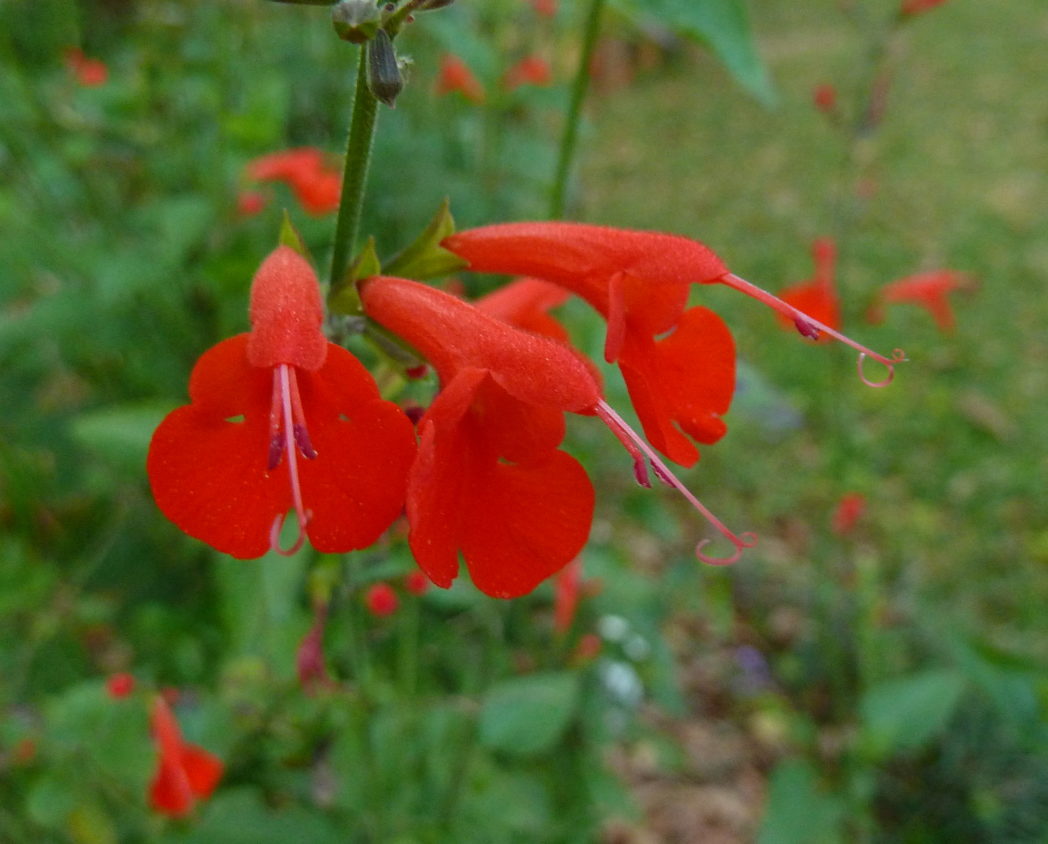
Tropical sage (Salvia coccinea) is a versatile perennial wildflower that no pollinator can resist, but it is particularly attractive to bees, large butterflies and hummingbirds.
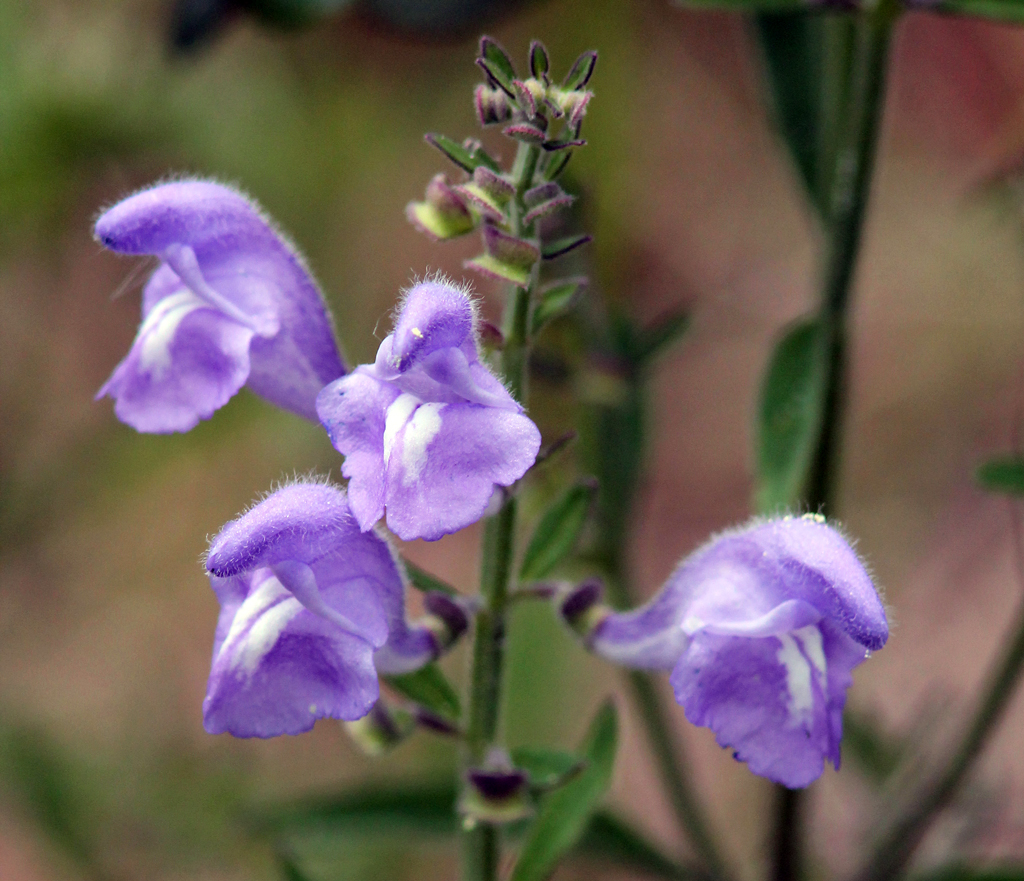
Helmet skullcap (Scutellaria integrifolia) typically blooms in late spring and summer, attracting a wide range of bees, including leafcutter, cuckoo and bumble bees.
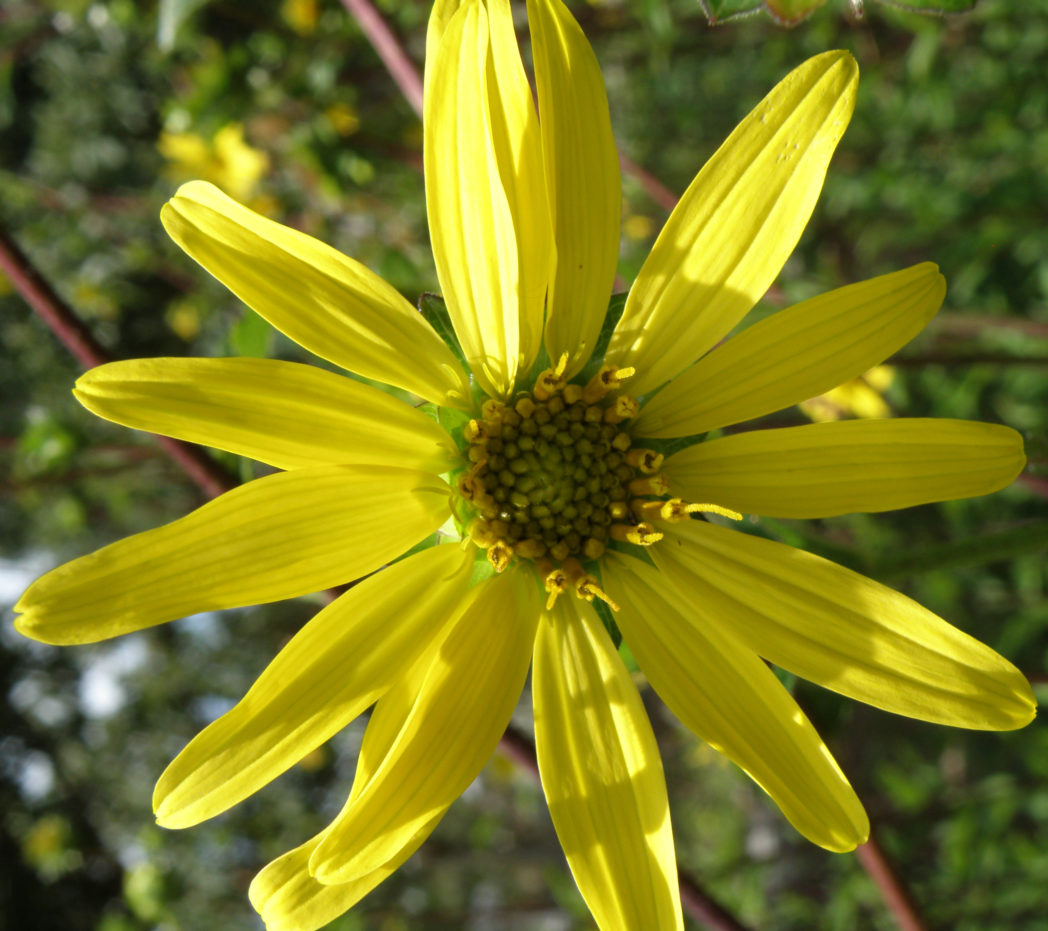
Starry rosinweed (Silphium asteriscus) is a robust perennial with showy yellow blooms. It occurs naturally in flatwoods, sandy pinelands and disturbed areas and attracts a variety of pollinators.
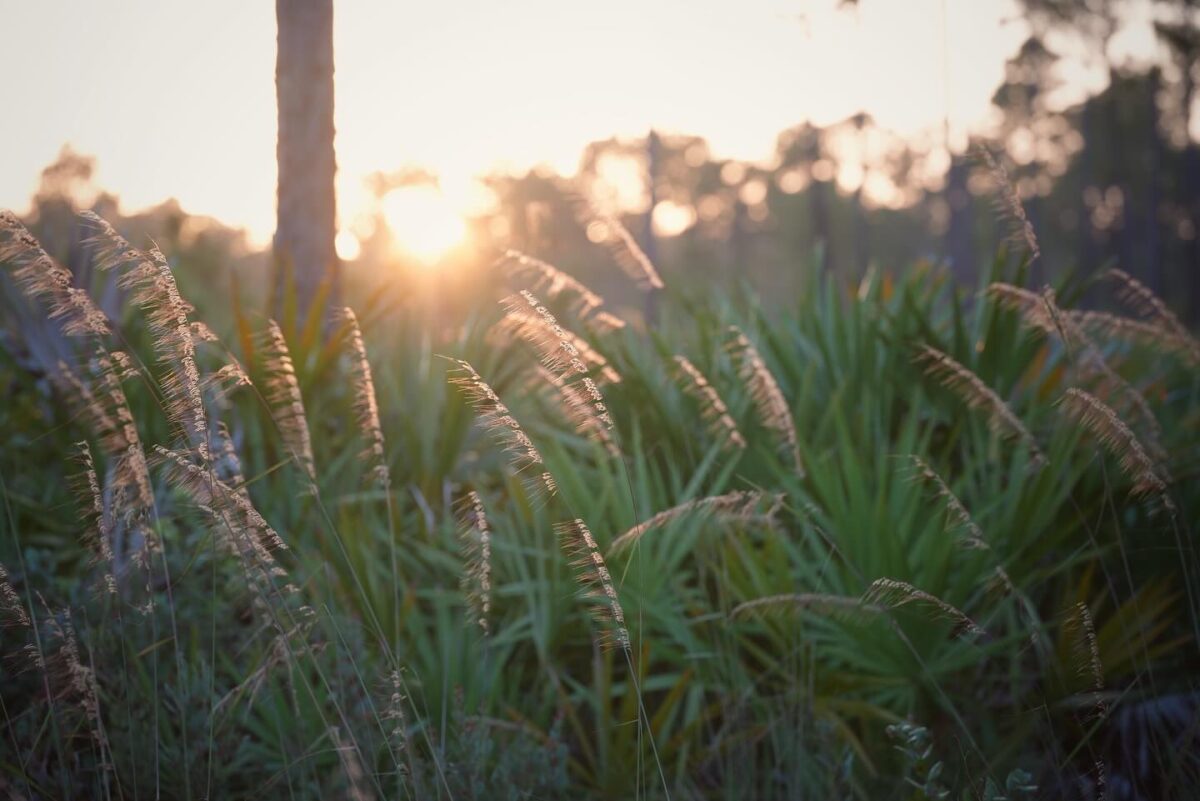
Lopsided indiangrass (Sorghastrum secundum) is a robust perennial bunchgrass that occurs in pinelands, sandhills and flatwoods. Throughout most of the year, it is rather indistinct. But in late summer, it…
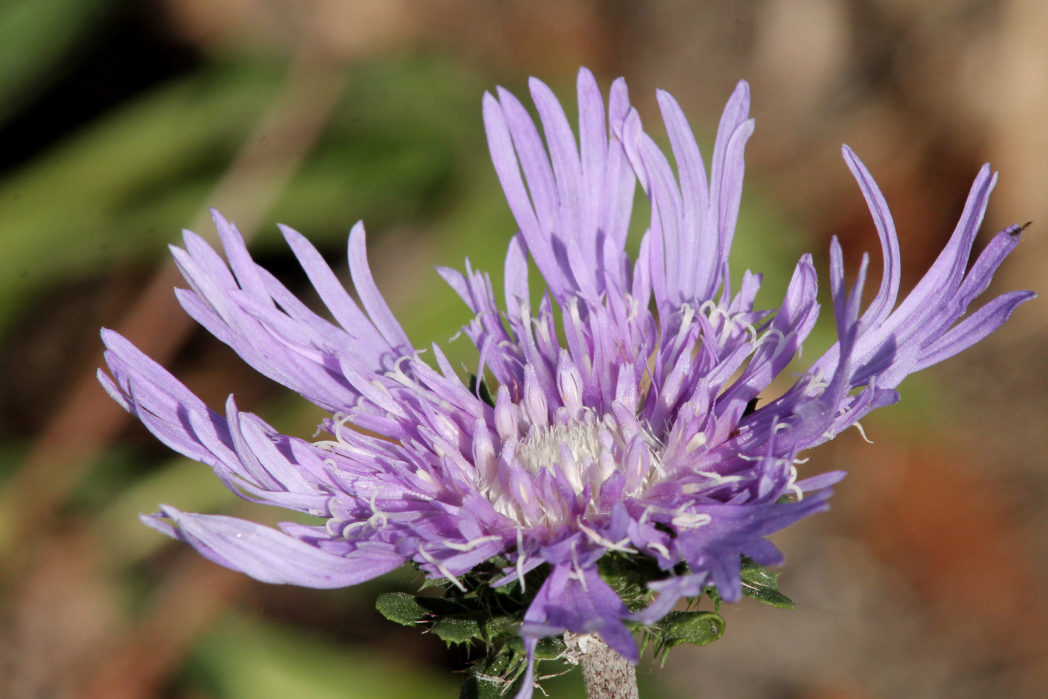
Stokes’ aster (Stokesia laevis) typically blooms in spring and summer, but may bloom throughout the year, attracting a variety of bees, wasps and butterflies.
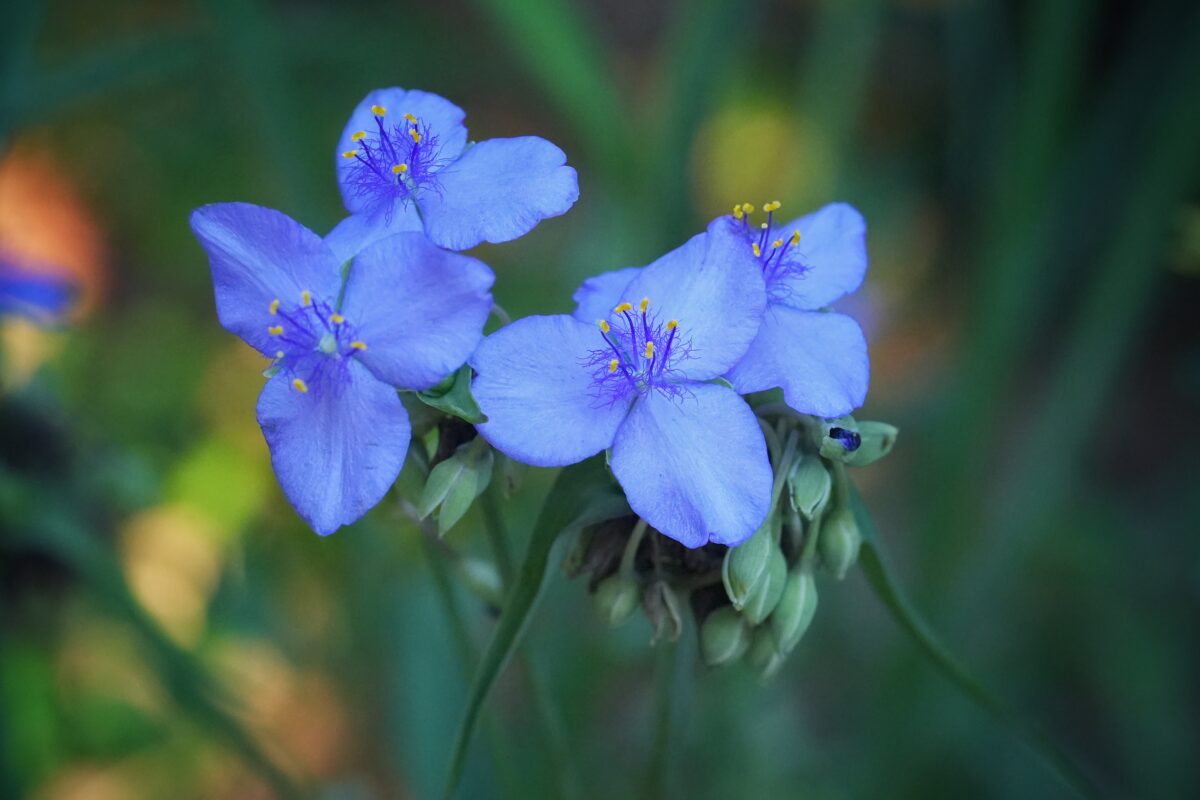
Spiderwort (Tradescantia ohiensis ) flowers attract many pollinators, especially bees. Like all species in the dayflower family, the flowers are ephemeral, meaning they stay open only one day.
Help Florida’s wildlife and environment by using native wildflowers and plants in your landscape. Click here to learn more information on planting, selecting and maintaining native plants, or check out these resources: