Search Results for: Salvia

  • Foundation awards 9 Viva Florida grants

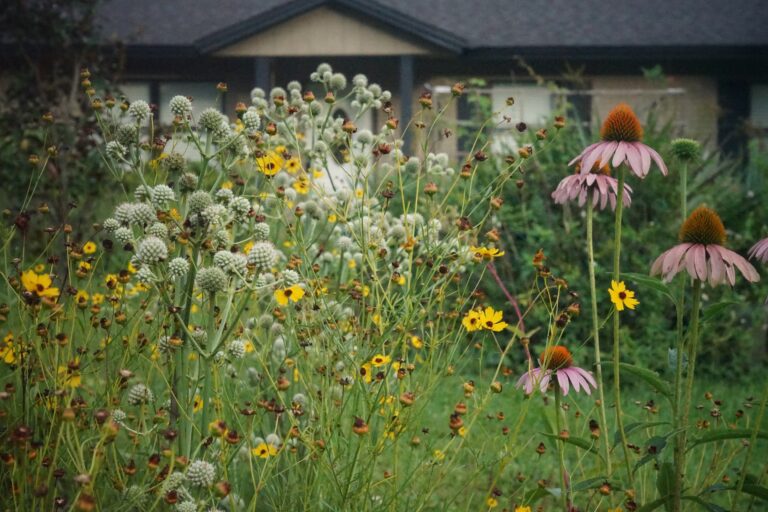
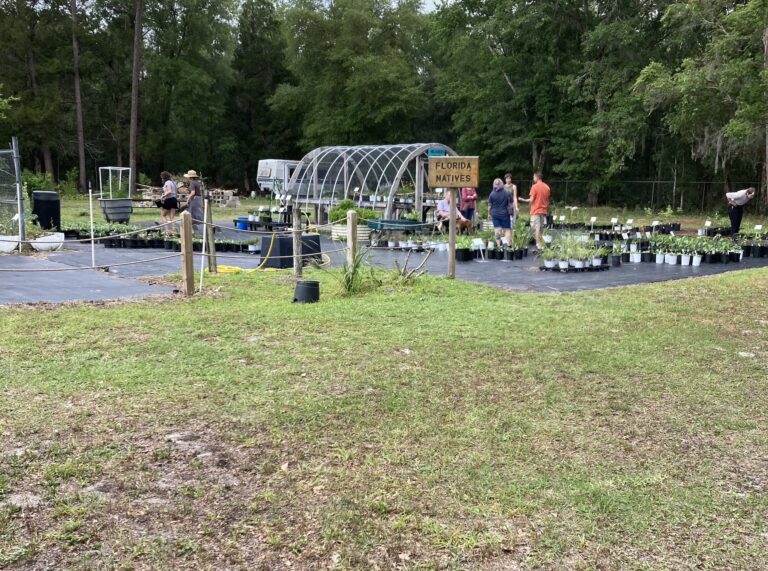
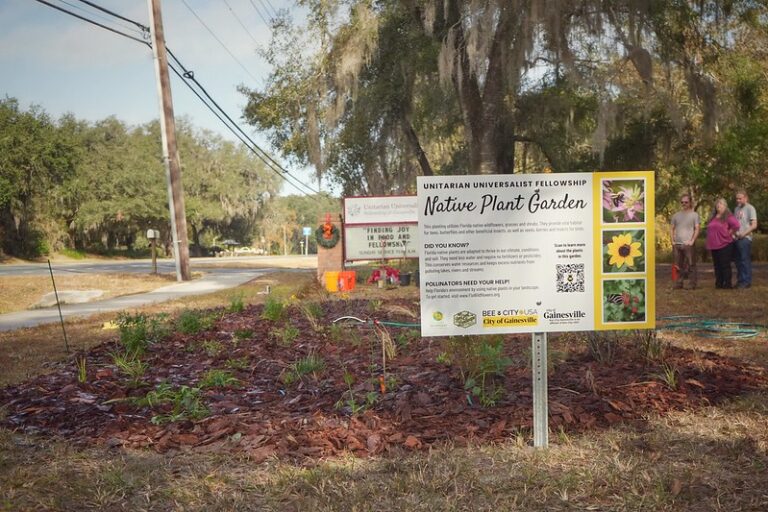
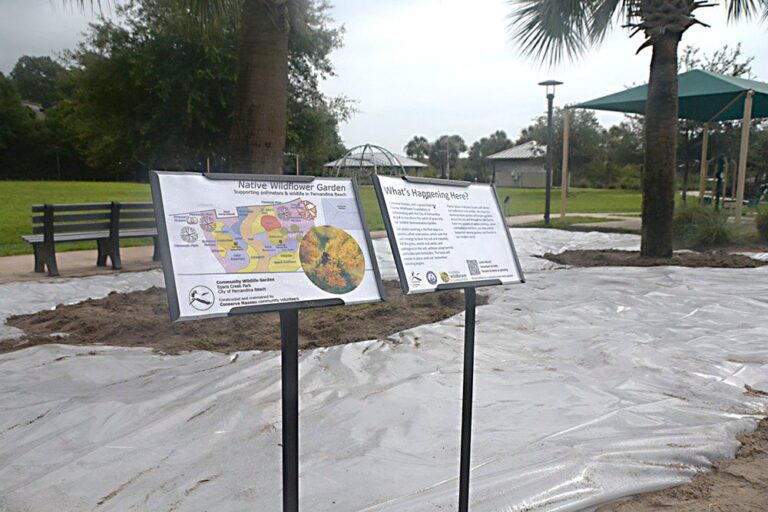
    The Florida Wildflower Foundation is pleased to announce the recipients of the 2023 Viva Florida Landscape Demonstration Garden grants. Nine grants were awarded for projects from Palm Beach County in South Florida to Santa Rosa County in the Panhandle.
  • White-lined sphinx moth

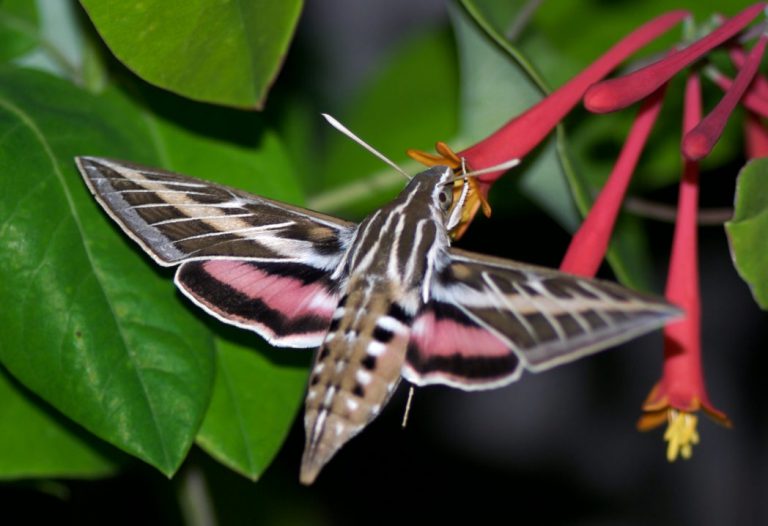
    White-line sphinx moths can be found throughout the world, but are especially common in North America. They live in habitats ranging from desert to tropics and will forage on a wide variety of flowers.

  • Zebra longwing

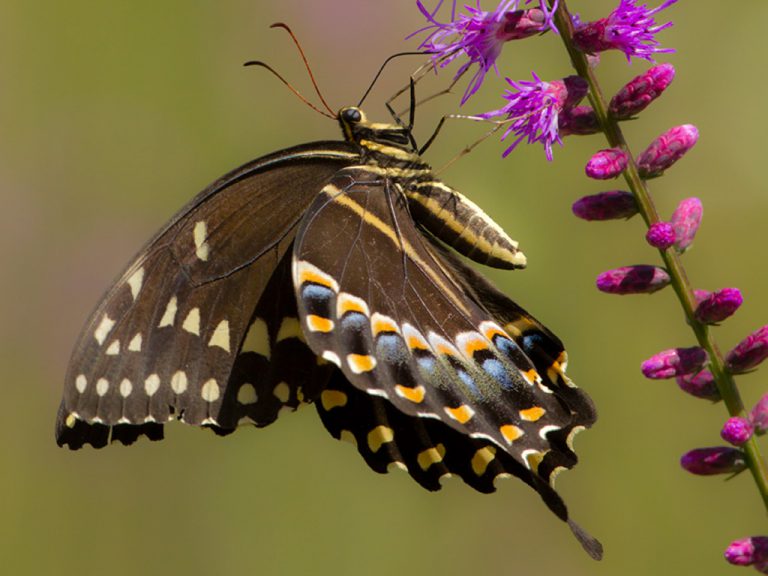
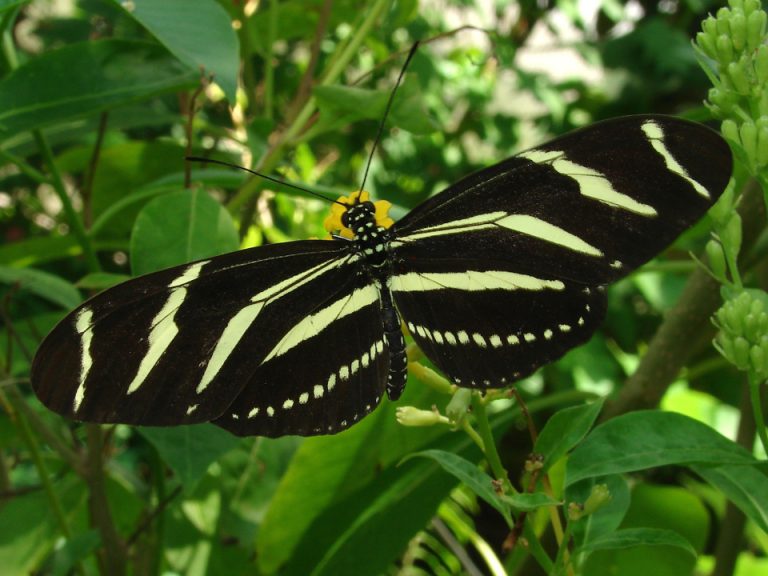
    Zebra longwing butterflies ( Heliconius charitonia) are found throughout the state, but this common Florida butterfly is anything but ordinary! Their elongated wings make them easy to distinguish from other Florida natives, but their unique attributes don’t stop there.

  • 20 Easy-to-Grow Wildflowers — your guide to success!

    With interest mounting in using wildflowers in urban landscapes, there is a huge demand for information about Florida’s native plants. “20 Easy-to-Grow Wildflowers” features a selection of 20 “tried and true” species that are easy to grow and maintain.

  • Panhandle Wildflowers

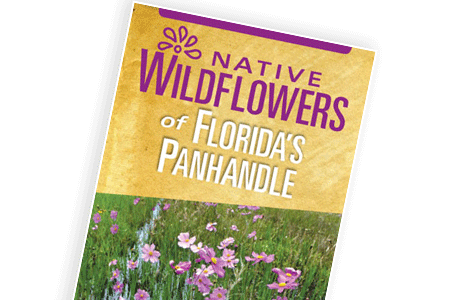
    The Panhandle’s plentiful public lands and rural roadsides make it a wonderful place to see wildflowers. Learn what’s blooming and where with this helpful brochure.

  • FWF receives grant for “20 Easy Wildflowers”

    The Florida Wildflower Foundation  has received a $17,000 grant from Stanley Smith Horticultural Trust for its project, “20 Easy Wildflowers to Grow Now!” It includes a publication, continuing education courses for horticultural professionals, and live social media events.

  • Bloom Report: Head south and look to moist areas

    This bloom report is from November 2017. In November, the foliage of many native grasses has senesced. The various shades of brown and reddish brown that native grasses exhibit through the latter stages of life adds an aesthetic that appeals to many folks.

  • Blanketflower – native or not?

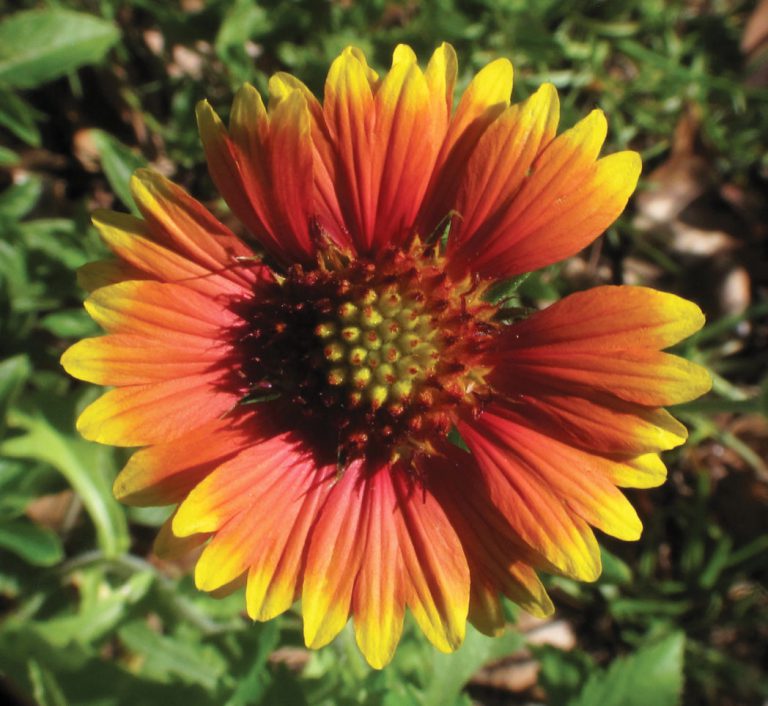
    Recent research found that Gaillardia pulchella is not a native Florida species, but rather an introduced species. The news sparked many different reactions across the state. Experts weigh in on what this means for Florida gardeners.