Search Results for: Monarda

  • Meet board member Sara Burke

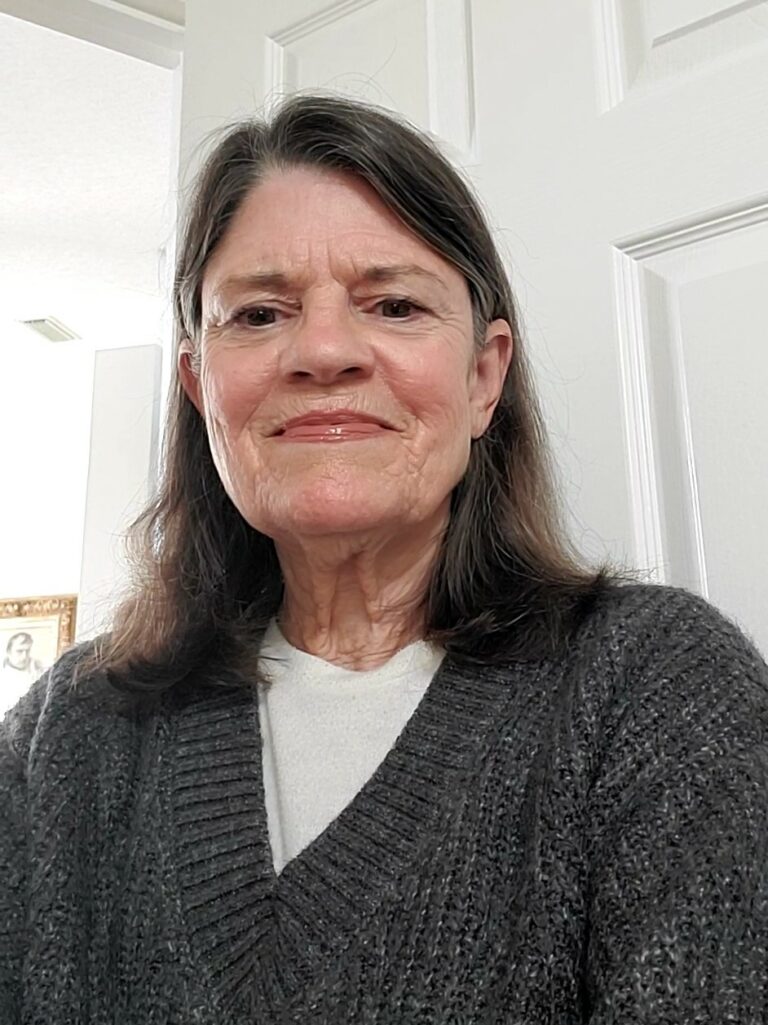
    Sara Burke brings to the Florida Wildflower Foundation board of directors an extensive background in communications. She is passionate about protecting Florida’s environment by creating a revolution in our own backyards!

  • Giant swallowtail

    From its wingspan to its range across the Americas — and even its appetite for oranges — everything about the Giant swallowtail is just that: giant!

  • Micanopy Native Plant Garden

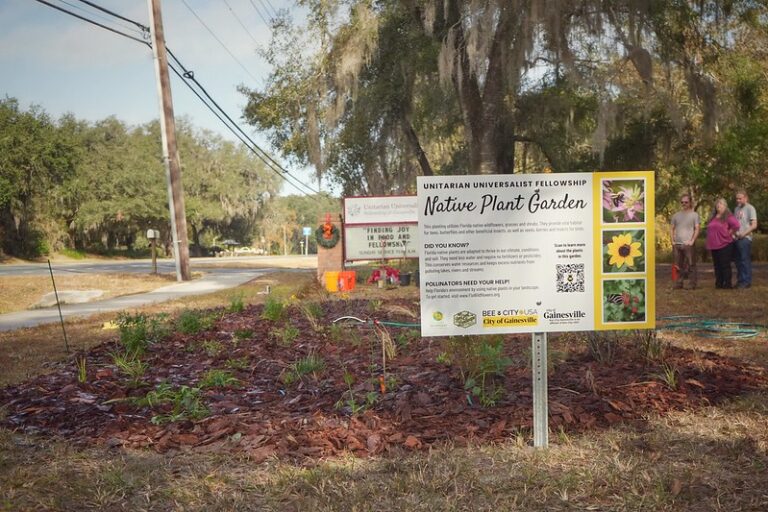
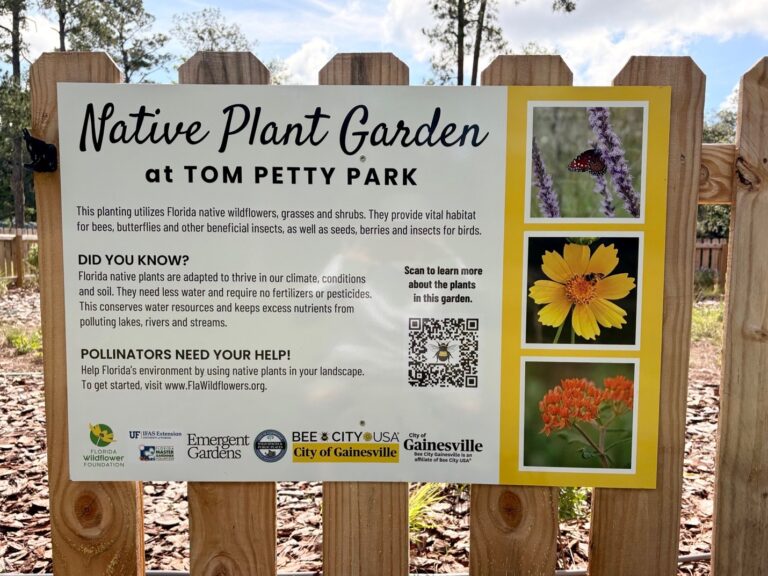
    The Micanopy native plant garden utilizes Florida native wildflowers, grasses and shrubs that provide vital habitat for bees, butterflies and other beneficial insects, as well as seeds, berries and insects for birds.

  • National Wildflower Week

    Join us in celebrating National Wildflower Week and 25 years of protecting, promoting and planting Florida’s native wildflowers.

  • Foundation awards 5 Viva Florida grants

    Five grants were awarded in 2020: Cutting Horse Eco-Center, Bonita Springs (Lee County); Folly Farm Nature Preserve, Safety Harbor (Pinellas County); Orange County UF/IFAS Extension, Orlando; Port St. Lucie Botanical Gardens (St. Lucie County); and Sanibel-Captiva Conservation Foundation (Lee County).

  • Bloom Report: Summer wildflower viewing

    Spring and fall wildflowers can be spectacular with a plethora of yellow and purple flowers, but summer seems to offer a wider diversity of colorful, showy wildflowers along roadsides.

  • Member profile: Chris Waltz

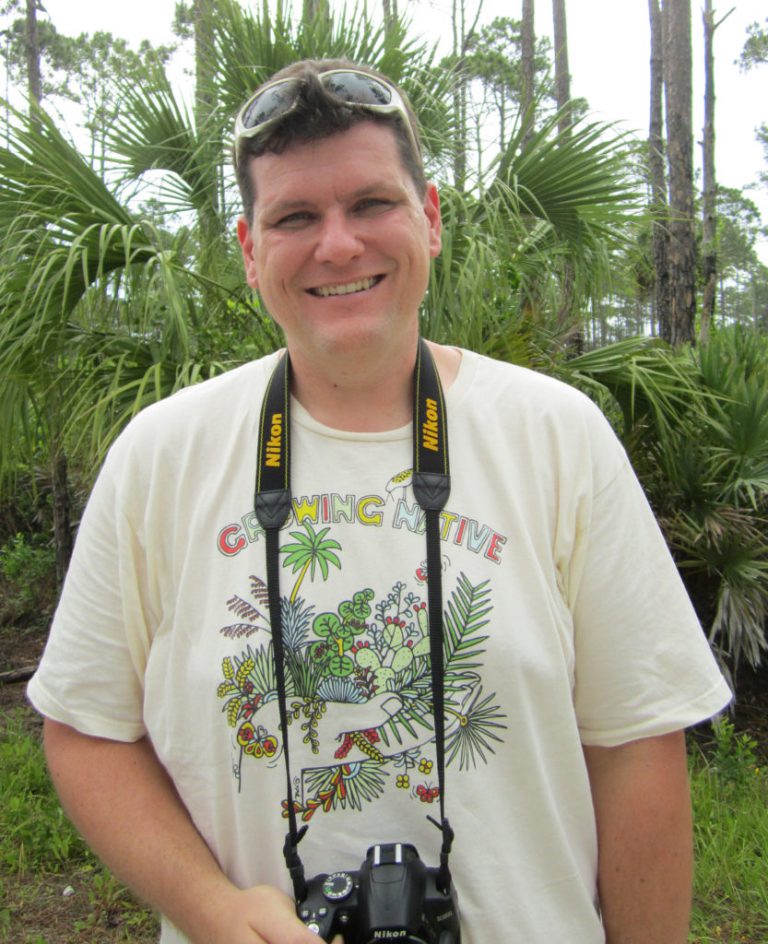
    FWF member Chris Waltz is known to many in native plant circles because of the supporting role he plays in conferences and other events. Here is what Chris has to say about his involvement with the Florida Wildflower Foundation.

  • Pinellas garden demonstrates beauty, variety of natives

    More than 38,000 visitors have had the opportunity to become better acquainted with the beauty and benefit of Florida’s native wildflowers since the establishment of a wildflower demonstration garden at the Pinellas County UF/IFAS Extension in Largo.
  • Cuckoo bees

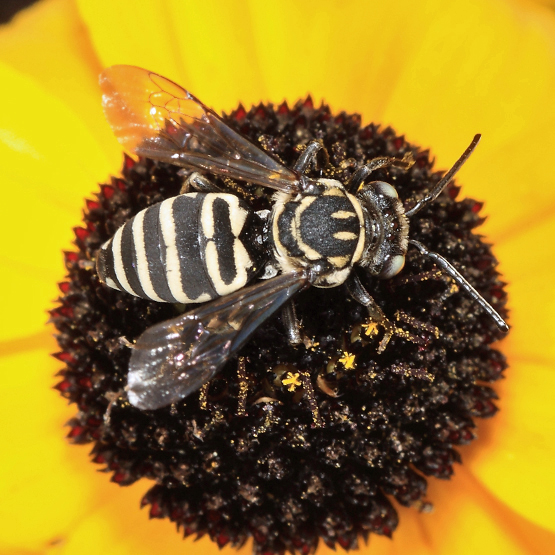
    Cuckoo bees are often mistaken for wasps because their body shape resembles a wasp, and they are nearly hairless. They also lack the pollen baskets that most bees have on their legs because they do not collect pollen for their young.