Spring “weeds” benefit pollinators
Many of our spring blooming wildflowers put on a showy display. Others, not so much. However, all of them benefit pollinators, either as larval host plants or by supplying nectar.

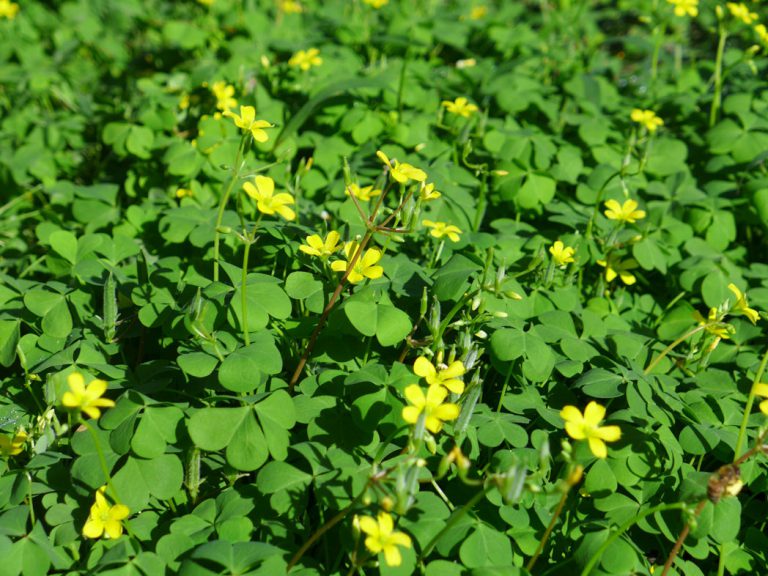
Many of our spring blooming wildflowers put on a showy display. Others, not so much. However, all of them benefit pollinators, either as larval host plants or by supplying nectar.
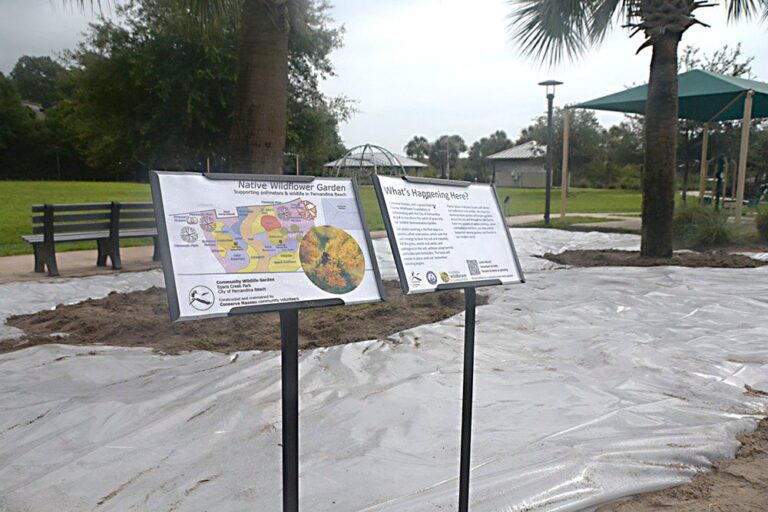
The Florida Wildflower Foundation is pleased to announce the recipients of the 2023 Viva Florida Landscape Demonstration Garden grants. Nine grants were awarded for projects from Palm Beach County in South Florida to Santa Rosa County in the Panhandle.
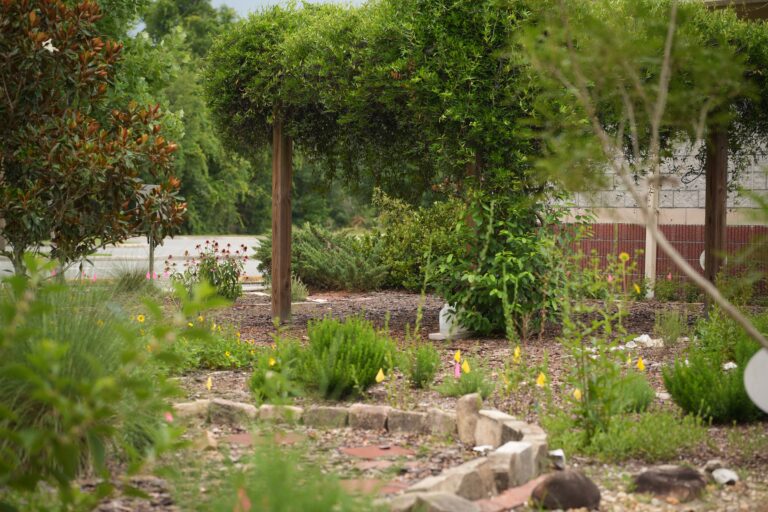
The Fort White Branch Library in Columbia County was selected to pilot the Seeds of Knowledge Library Demonstration Garden Grant in spring 2025.
Thank you for attending our plant giveaway in partnership with Florida Nursery Mart on Saturday, April 11. Earn 10% off your next purchase of native plants at Florida Nursery Mart – just email a photo of your newly planted plant to Info@FlaWildflowers.org, and we’ll send you a discount code. Learn more about your new native…
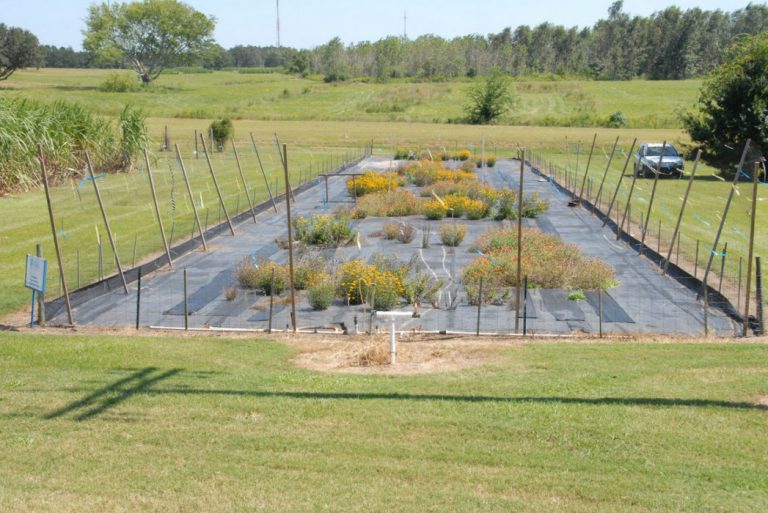
Research Wildflowers are disappearing throughout the world. It’s urgent that we discover what they need to thrive. To do this, the Foundation supports horticultural research and assists students studying wildflowers. Student Support Our University of Florida endowment is developing tomorrow’s scientists. Search Literature We’ve compiled an index of scientific literature on 290 common Southeastern wildflower…
Protecting Roadsides
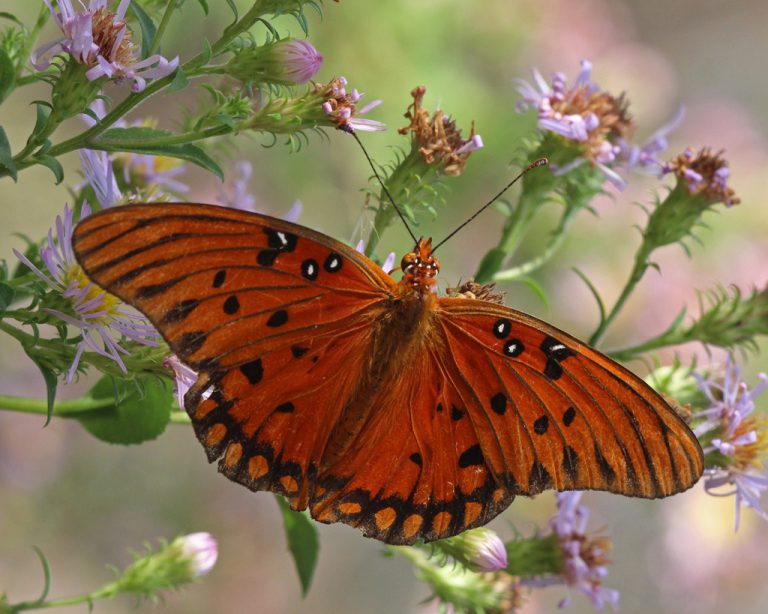
The Gulf fritillary is sometimes known as the Passion butterfly — so named because of its ardor for Passionflower. You will find so much to love about this unique pollinator!
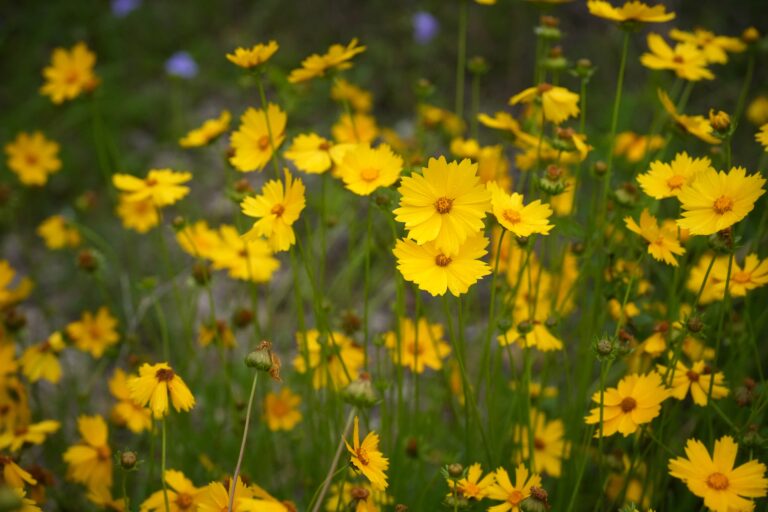
The Florida Wildflower Foundation is pleased to announce the recipients of the 2024 Viva Florida Landscape Demonstration Garden grants.
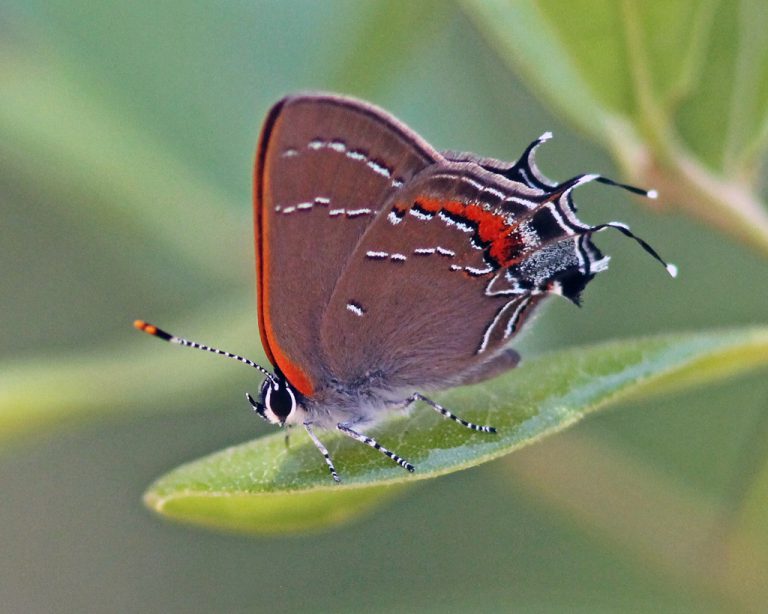
You might not see very much of the Oak hairstreak butterfly, but that doesn’t mean they aren’t around. They are usually just hanging out in the trees above your head!
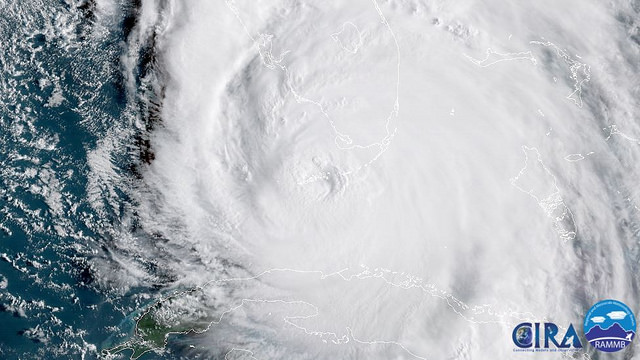
What did Hurricane Irma’s high winds mean to the spreading of plants? Will we see more plant movement as a result? The answers depend on a variety of factors.
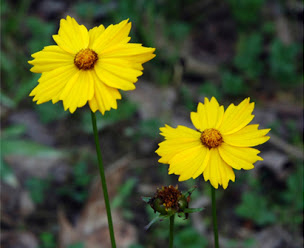
Coreopsis bakeri has gone undetected for years because of its resemblance to our common Lanceleaf tickseed ( Coreopsis lanceolata). It is has been isolated long enough to have become a distinct species.
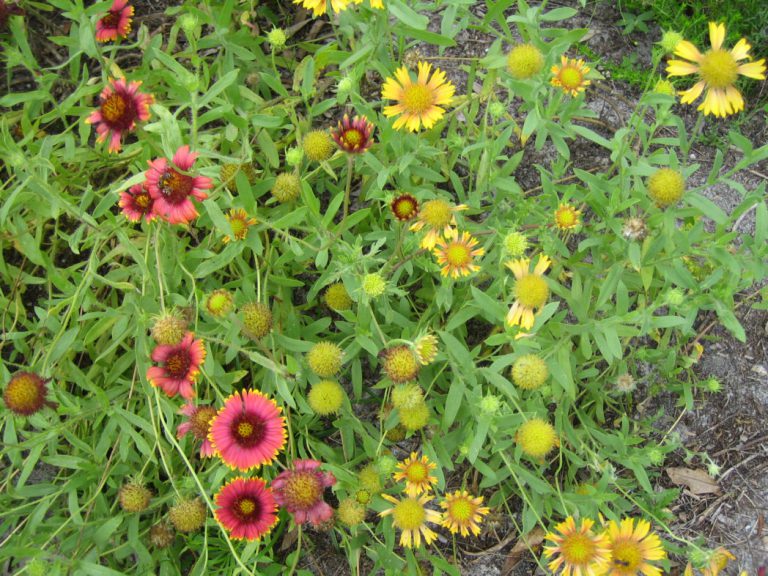
Do you ever have white flower forms of your typically blue Spiderwort ( Tradescantia ohiensis) or Stokes’ aster ( Stokesia laevis)? Wonder what’s going on?