Emily Taber Public Library Native Plant Garden
Emily Taber Public Library in Baker County was selected for the Seeds of Knowledge Library Demonstration Garden Grant in spring 2026.

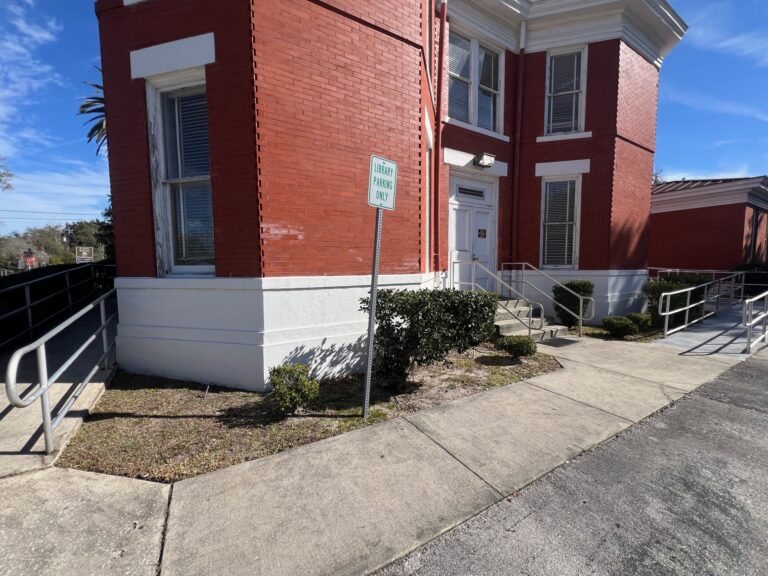
Emily Taber Public Library in Baker County was selected for the Seeds of Knowledge Library Demonstration Garden Grant in spring 2026.
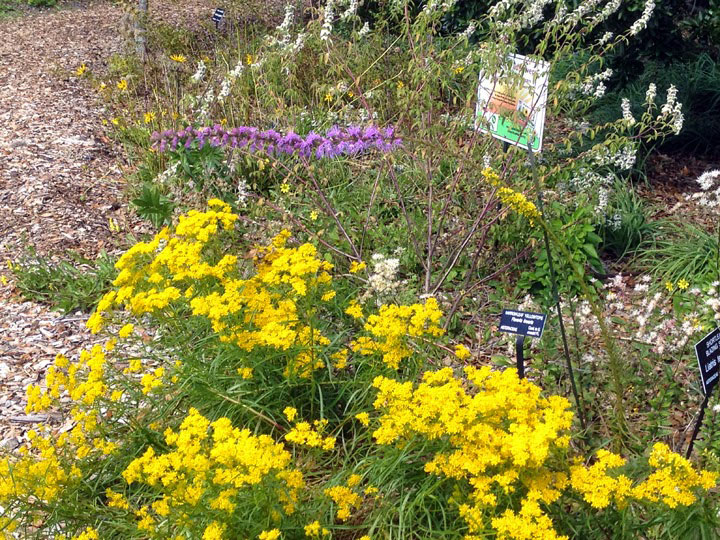
More than 38,000 visitors have had the opportunity to become better acquainted with the beauty and benefit of Florida’s native wildflowers since the establishment of a wildflower demonstration garden at the Pinellas County UF/IFAS Extension in Largo.

Spring and fall wildflowers can be spectacular with a plethora of yellow and purple flowers, but summer seems to offer a wider diversity of colorful, showy wildflowers along roadsides.

October brings dappled moonlight to a wildflower garden, leading one gardener to thoughts of ghosts and maybe even goblins.

Bushnell Public Library in Sumter County was selected for the Seeds of Knowledge Library Demonstration Garden Grant in spring 2026.
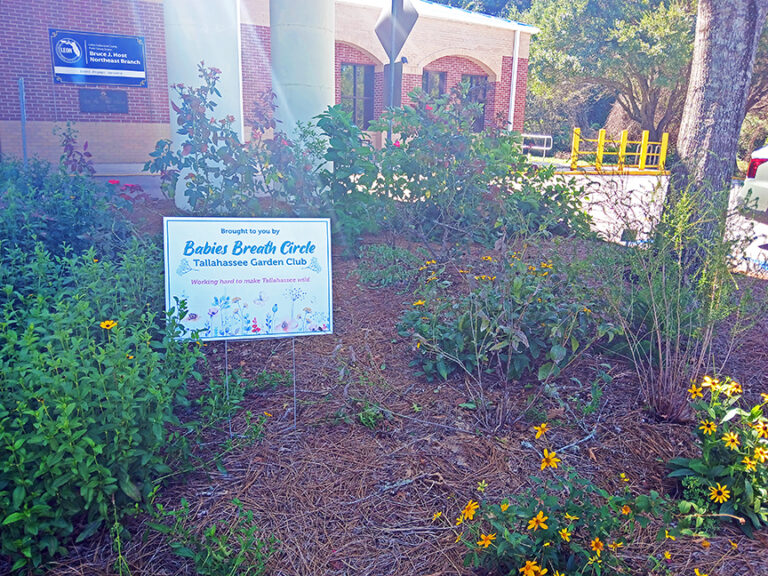
Bruce J. Host Northeast Branch Library in Tallahassee was selected to pilot the Seeds of Knowledge Library Demonstration Garden Grant in spring 2024.

The Winter Park Public Library in Orange County was selected to pilot the Seeds of Knowledge Library Demonstration Garden Grant in spring 2025.

Spring Hill Branch Library in Hernando County was selected for the Seeds of Knowledge Library Demonstration Garden Grant in spring 2026.

Orange Park Library in Clay County was selected for the Seeds of Knowledge Library Demonstration Garden Grant in spring 2026.
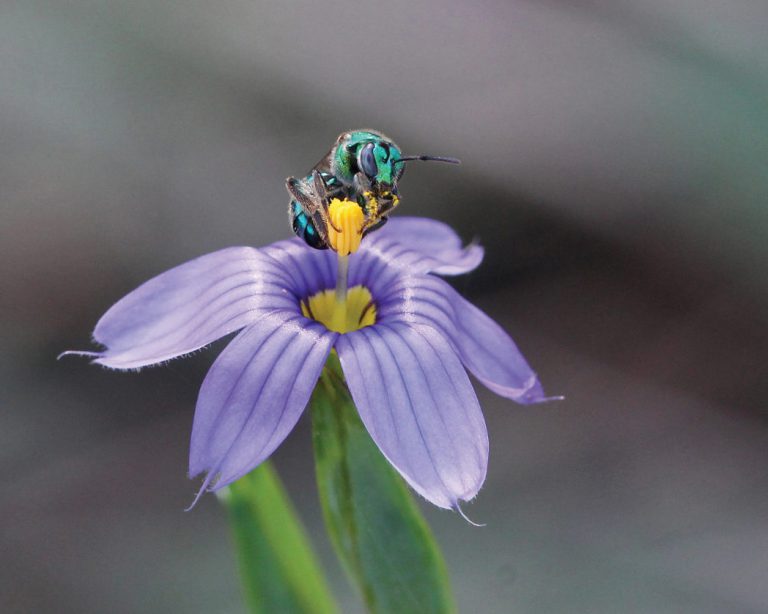
This bloom report is from March 2017. Earlier-than-normal blooming of spring wildflowers is occurring more often, but this year stands out because some wildflowers are blooming nearly a month earlier than expected.
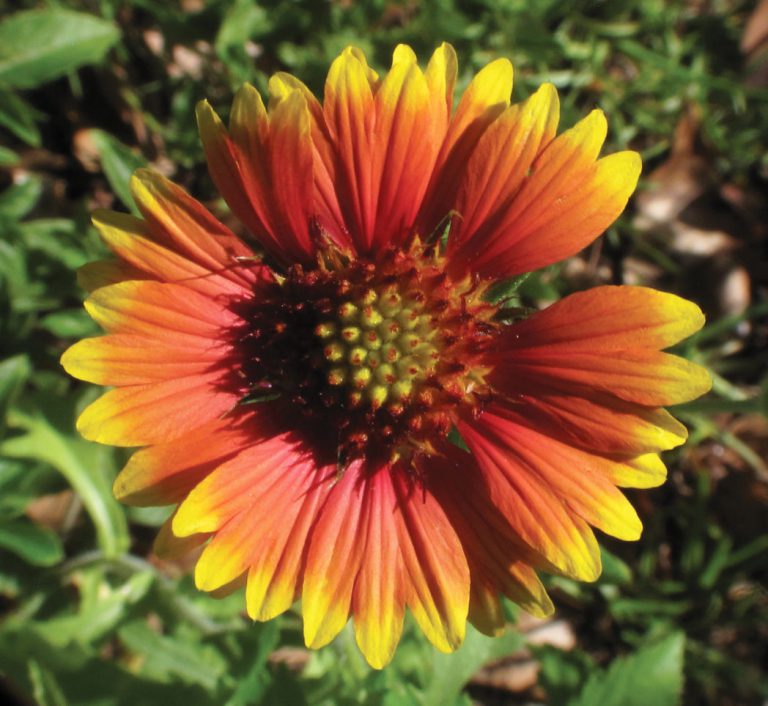
Recent research found that Gaillardia pulchella is not a native Florida species, but rather an introduced species. The news sparked many different reactions across the state. Experts weigh in on what this means for Florida gardeners.
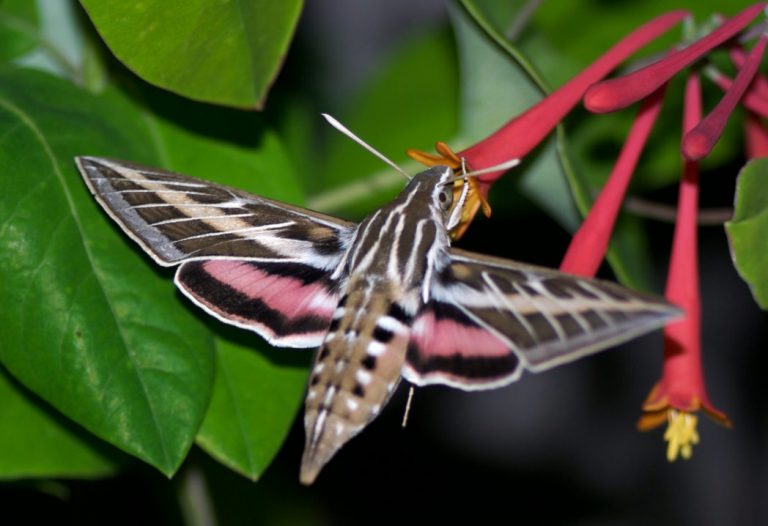
White-line sphinx moths can be found throughout the world, but are especially common in North America. They live in habitats ranging from desert to tropics and will forage on a wide variety of flowers.