Fall news from PWA counties
The Panhandle Wildflower Alliance’s Fall 2019 newsletter features updates about new wildflower programs, where to see wildflowers in bloom, and much more.

The Panhandle Wildflower Alliance’s Fall 2019 newsletter features updates about new wildflower programs, where to see wildflowers in bloom, and much more.
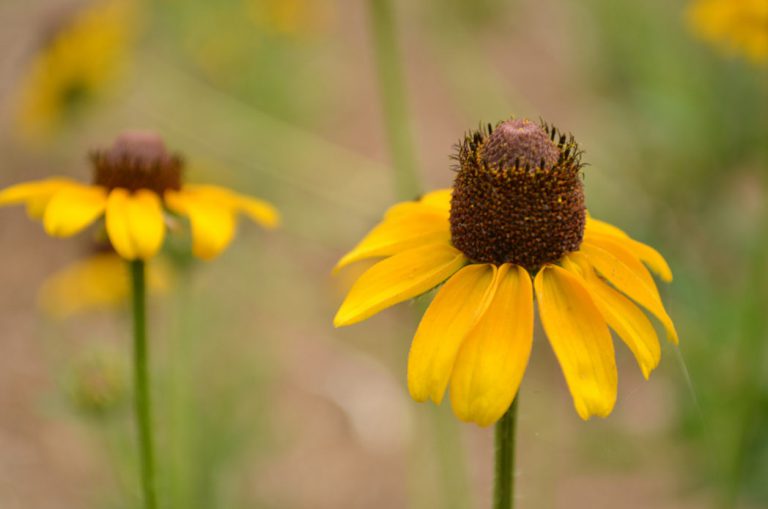
“Fall is for planting” has been the unofficial promotional campaign of the nursery industry for many years. This slogan applies to sowing seeds of native wildflowers and grasses as well, at least here in Florida.
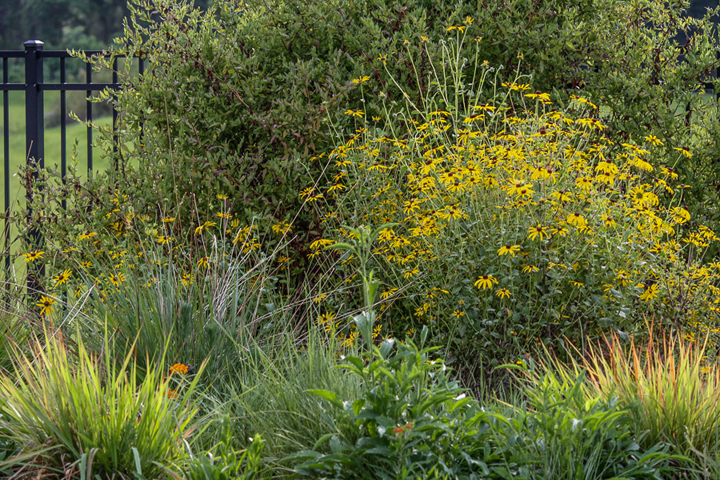
As summer progresses many of our fall-blooming wildflowers become tall and stately, forming backdrops and filling fence rows as they reach peak bloom from September through December. But this is when storms increase, bringing intense waves of wind and rain.
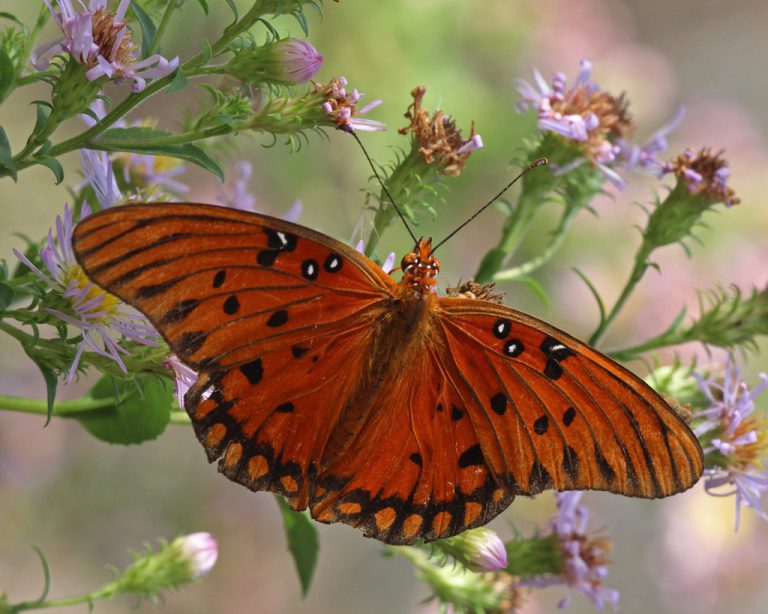
The Gulf fritillary is sometimes known as the Passion butterfly — so named because of its ardor for Passionflower. You will find so much to love about this unique pollinator!

Spring is a time for trimming winter debris, cleaning up bird baths and feeders, and getting your garden in order.
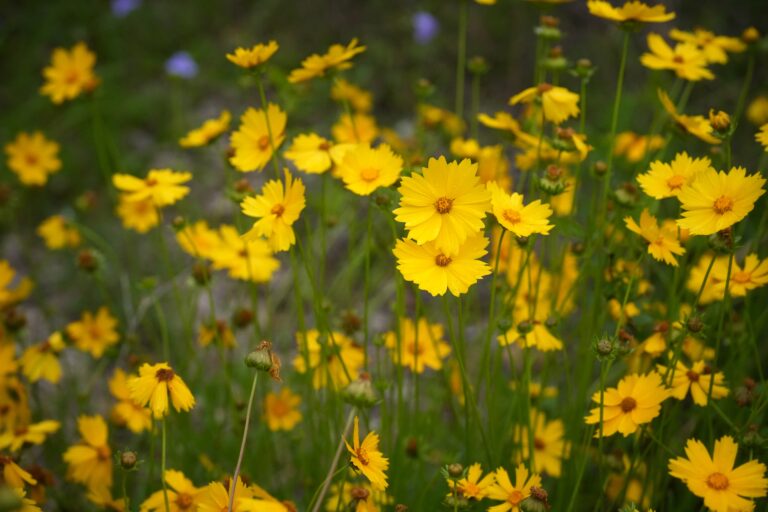
The Florida Wildflower Foundation is pleased to announce the recipients of the 2024 Viva Florida Landscape Demonstration Garden grants.
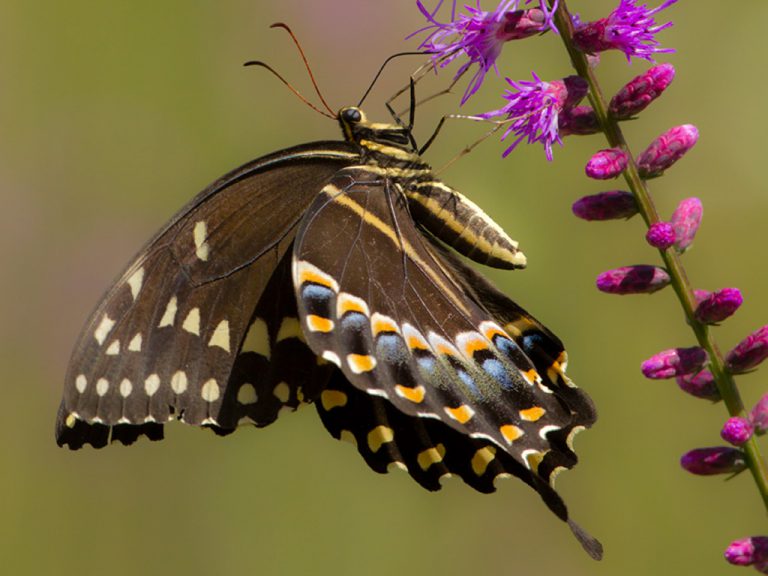
The Florida Wildflower Foundation has received a $17,000 grant from Stanley Smith Horticultural Trust for its project, “20 Easy Wildflowers to Grow Now!” It includes a publication, continuing education courses for horticultural professionals, and live social media events.

Read about Escambia County’s new wildflower program, Santa Rosa County’s mowing challenges, spectacular blooms in Jefferson County, Leon County’s City Nature Challenge and much more news from around the Panhandle in the PWA Summer 2019 newsletter.

FWF is working to expand roadside wildflower conservation programs throughout the state by working with local wildflower advocates. We are looking for leaders to help initiate or direct existing wildflower programs in Bay, Escambia, Holmes, Leon and Okaloosa counties.
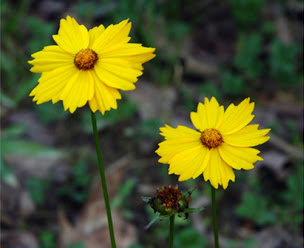
Coreopsis bakeri has gone undetected for years because of its resemblance to our common Lanceleaf tickseed ( Coreopsis lanceolata). It is has been isolated long enough to have become a distinct species.
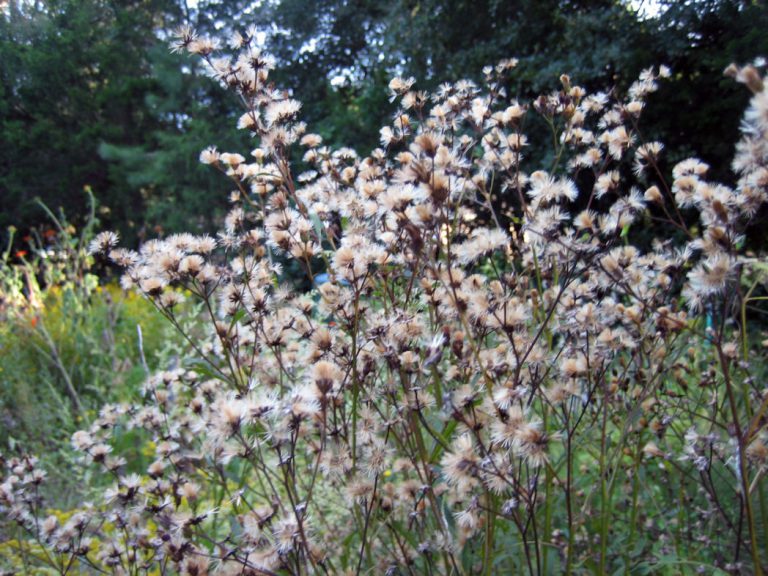
As you return to the garden after the last two months of unbearable heat, biting bugs and sweat, you’ll probably encounter a lot of overgrown stems. Cut those back to their base to freshen up the plant for winter.
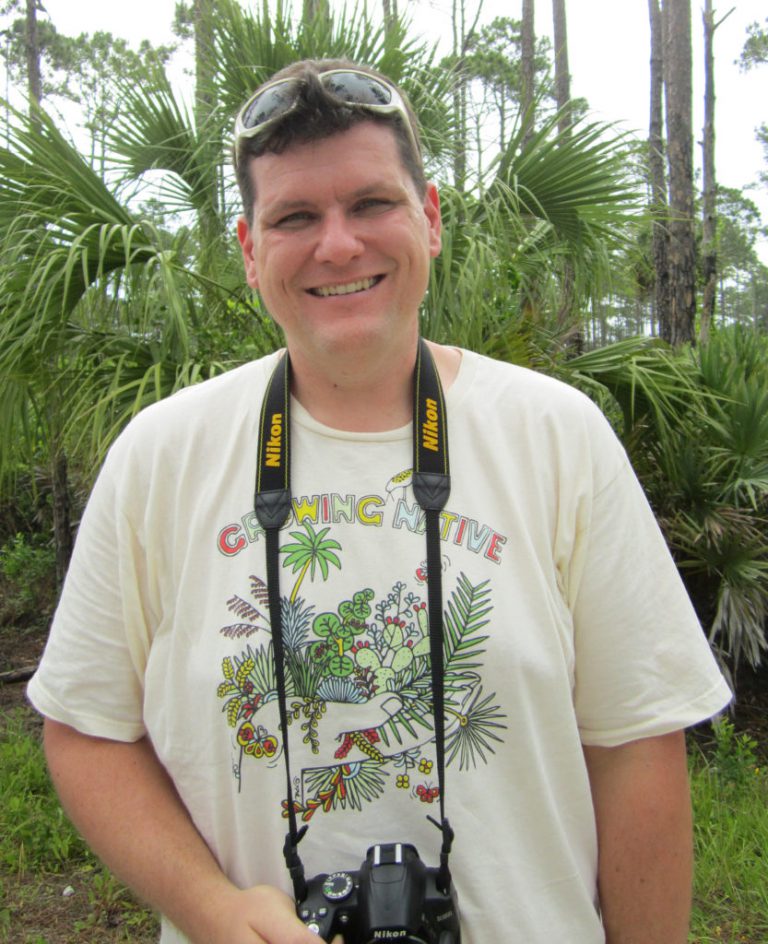
FWF member Chris Waltz is known to many in native plant circles because of the supporting role he plays in conferences and other events. Here is what Chris has to say about his involvement with the Florida Wildflower Foundation.