
Welcome to the Ethnobotanical Garden at Ellis Acres
This ethnobotanical garden showcases Florida’s rich native plant heritage, highlighting species valued both by wildlife and humans for their ecological and cultural significance. Each species in this garden plays an essential role in local ecosystems, offering food, shelter and habitat for pollinators, birds and other wildlife. Many have also been used for food, medicine, textiles, tools or ceremonial purposes, reflecting the ways people have interacted with Florida’s flora for generations.
Explore the species featured in the garden and learn about their unique contributions to wildlife and human traditions.
Educational use only: The ethnobotanical information on this page highlights traditional or historical uses of Florida’s native plants. Some species may have parts that are toxic or unpalatable. This information is provided for educational purposes only; we do not provide preparation guidance and do not encourage harvesting or consumption. Always consult a qualified expert before consuming any wild plants.
Featured plants
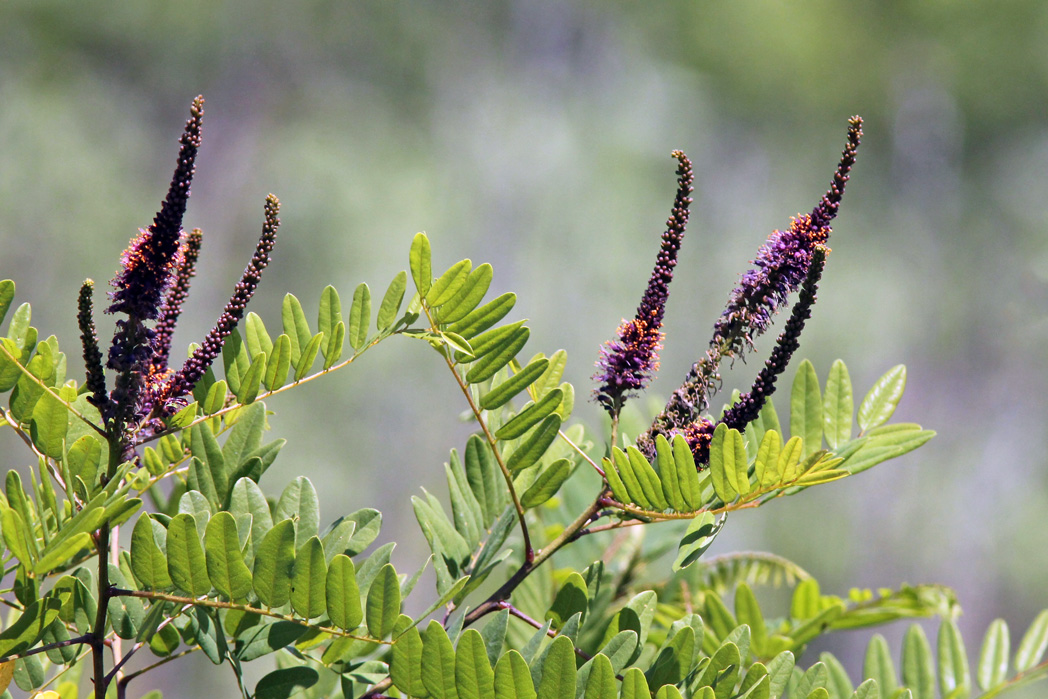
False indigo
(Amorpha fruticosa) is a nitrogen-fixing shrub that helps enrich soils. It supports pollinators with its fragrant purple flowers and is a larval host for the Silver-spotted skipper, Southern dogface and Gray hairstreak butterflies. Learn more…
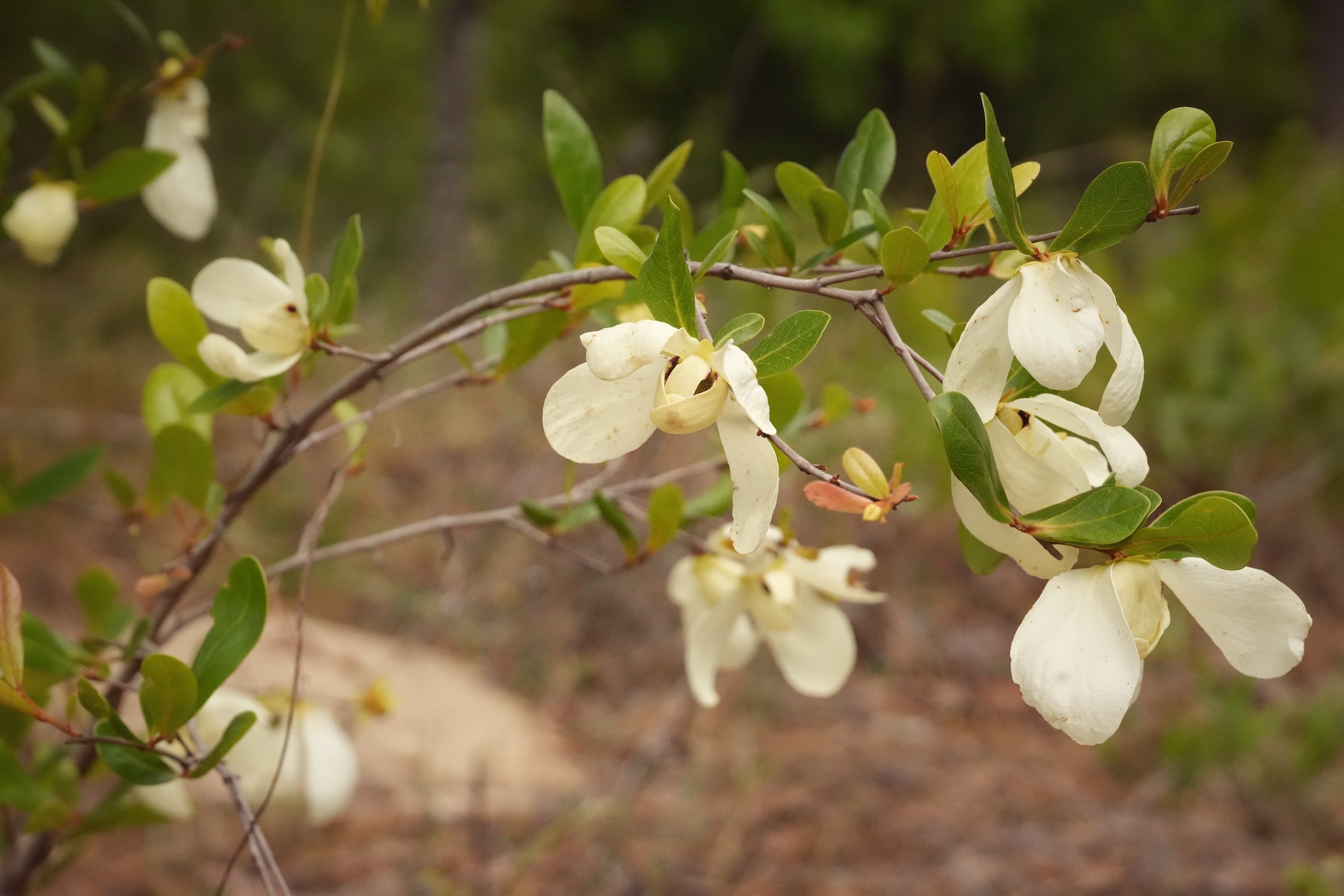
Bigflower pawpaw
(Asimina obovata) produces edible fruits that are consumed by small mammals and birds, and were also traditionally eaten by Native Americans. Its flowers attract beetle and fly pollinators, and the plant is a larval host for the Zebra swallowtail and Pawpaw sphinx butterflies.
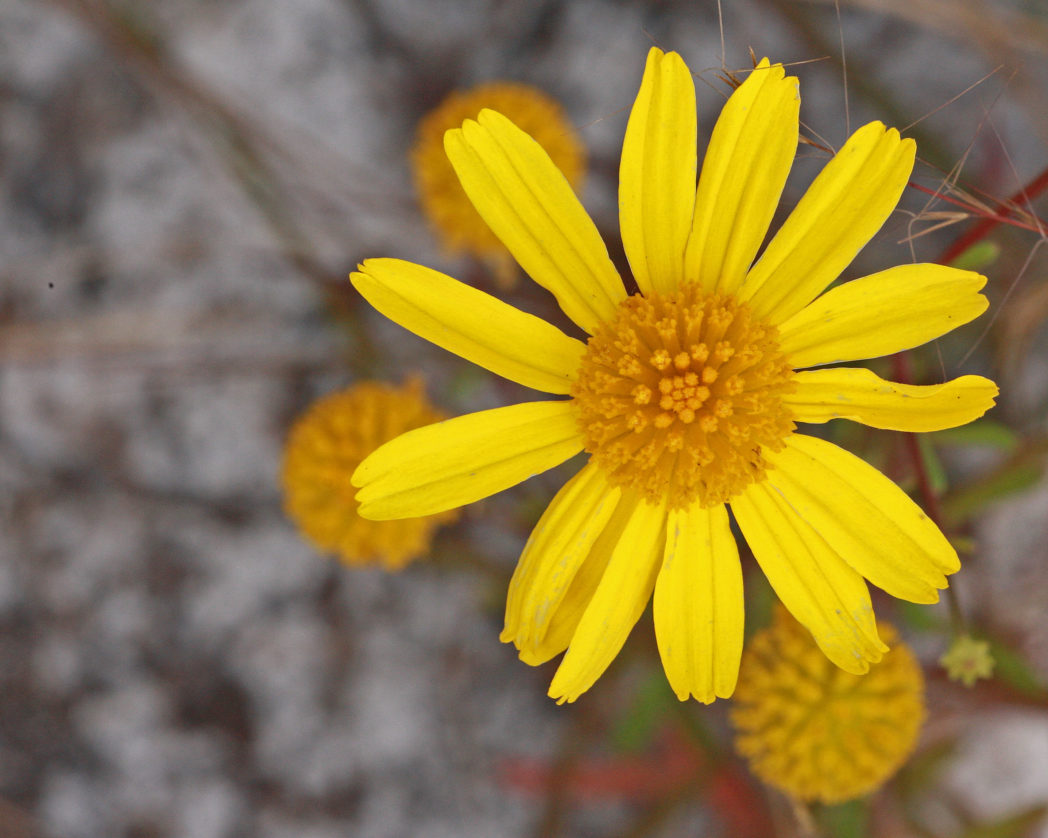
Coastalplain honeycombhead
(Balduina angustifolia) is a striking wildflower that offers nectar for bees and butterflies throughout its bloom period. Learn more…
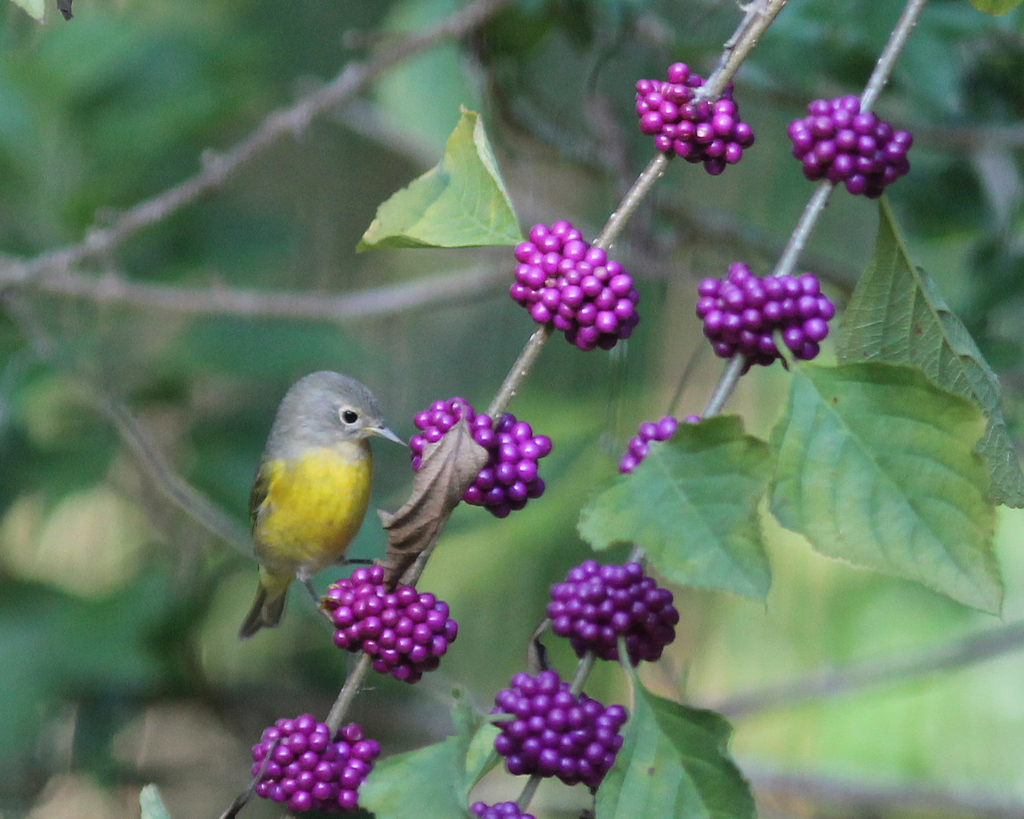
American beautyberry
(Callicarpa americana) has bright purple berries that feed birds and small mammals. They are edible for humans but can be astringent and are more commonly made into jelly. The leaves were historically used as an insect repellent. Learn more…
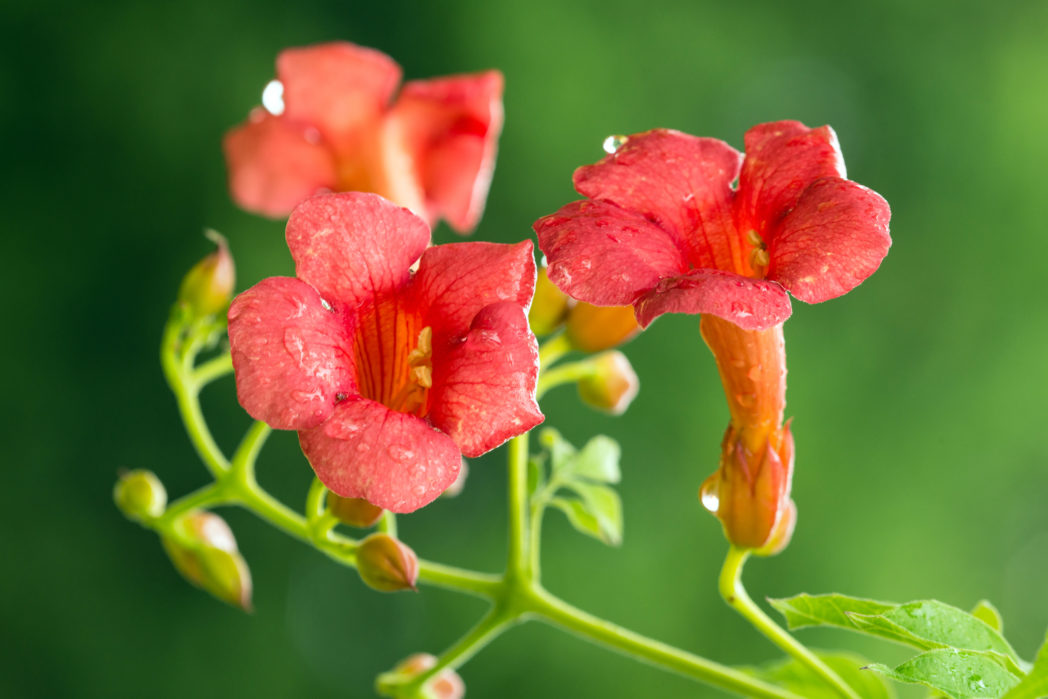
Trumpet creeper
(Campsis radicans) is a climbing vine with bright tubular flowers that attract hummingbirds and bees. Learn more…
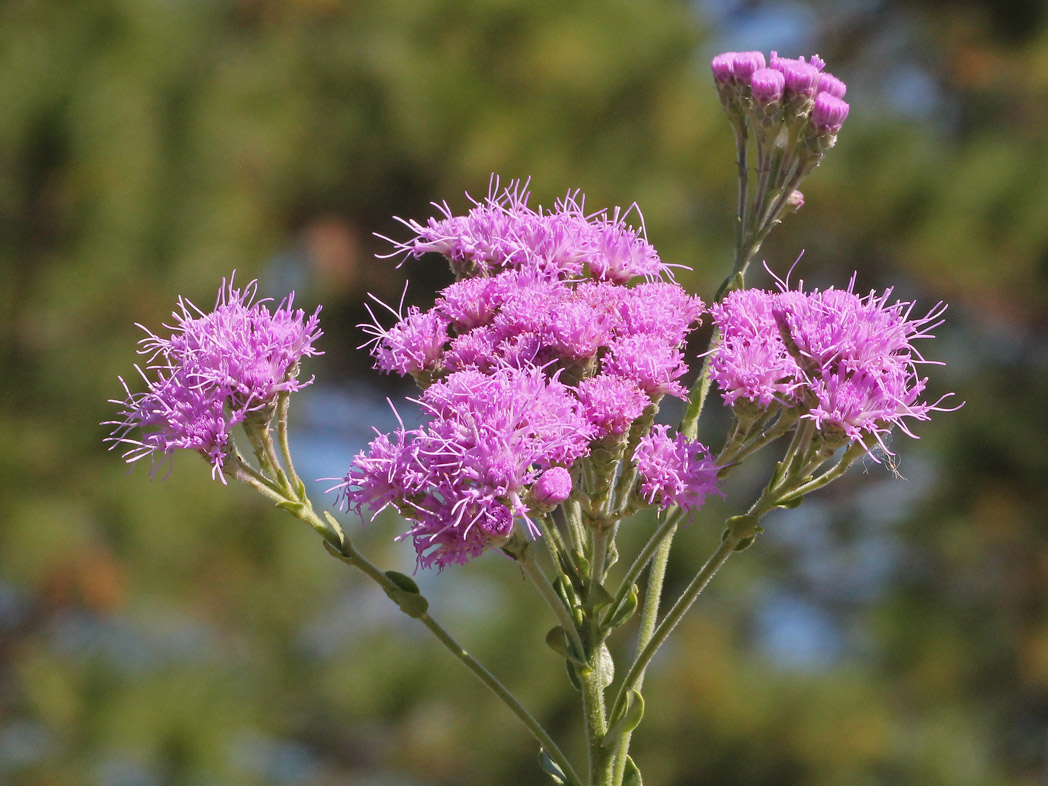
Florida paintbrush
(Carphephorus corymbosus) is a showy, fall-blooming wildflower that provides nectar for butterflies and other pollinators. Learn more…
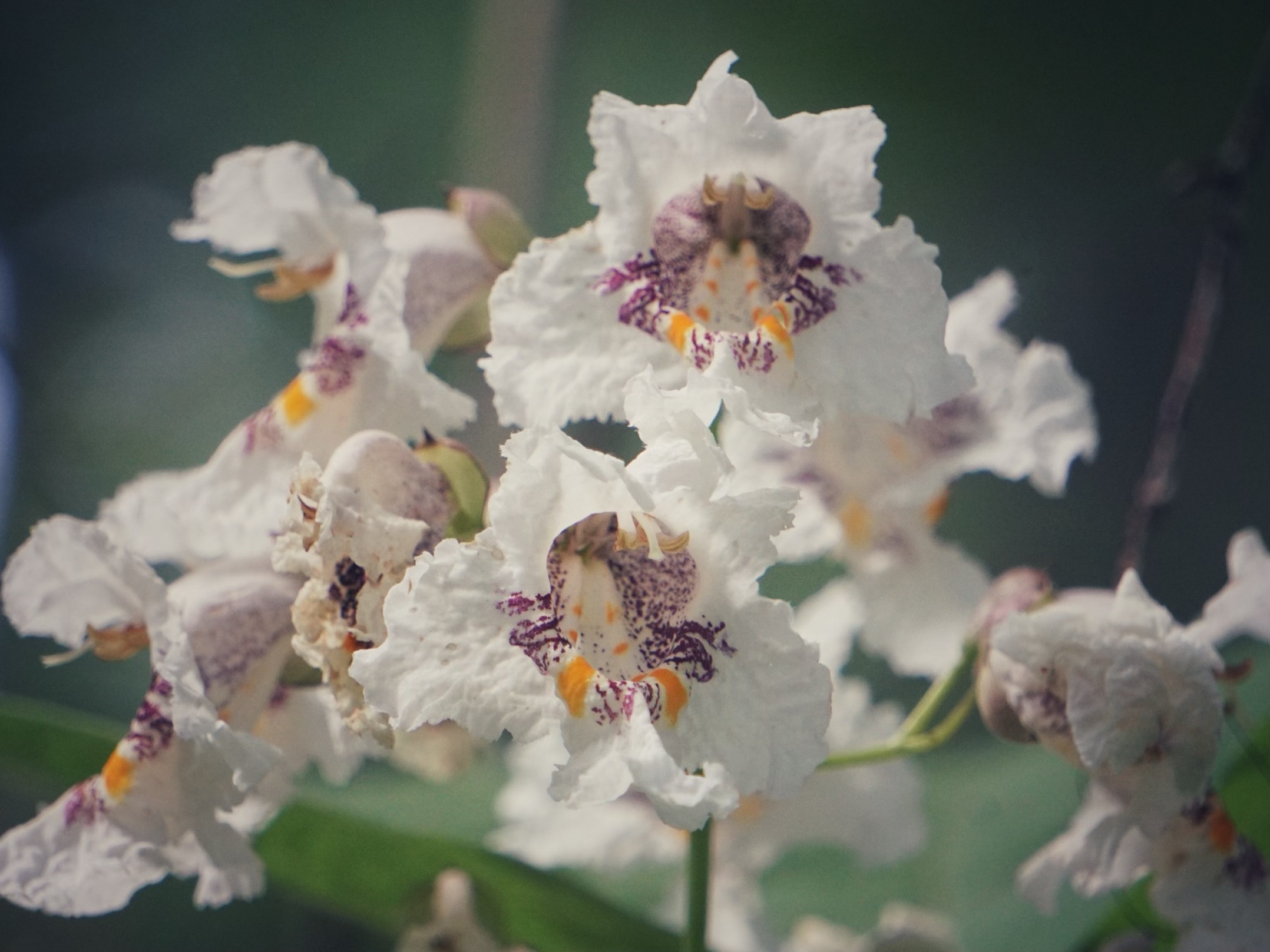
Southern catalpa
(Catalpa bignonioides) is a larval host for the Catalpa sphinx moth, whose caterpillars were traditionally used as fishing bait. Its bark and leaves have also been used in remedies for respiratory and skin ailments. Learn more…
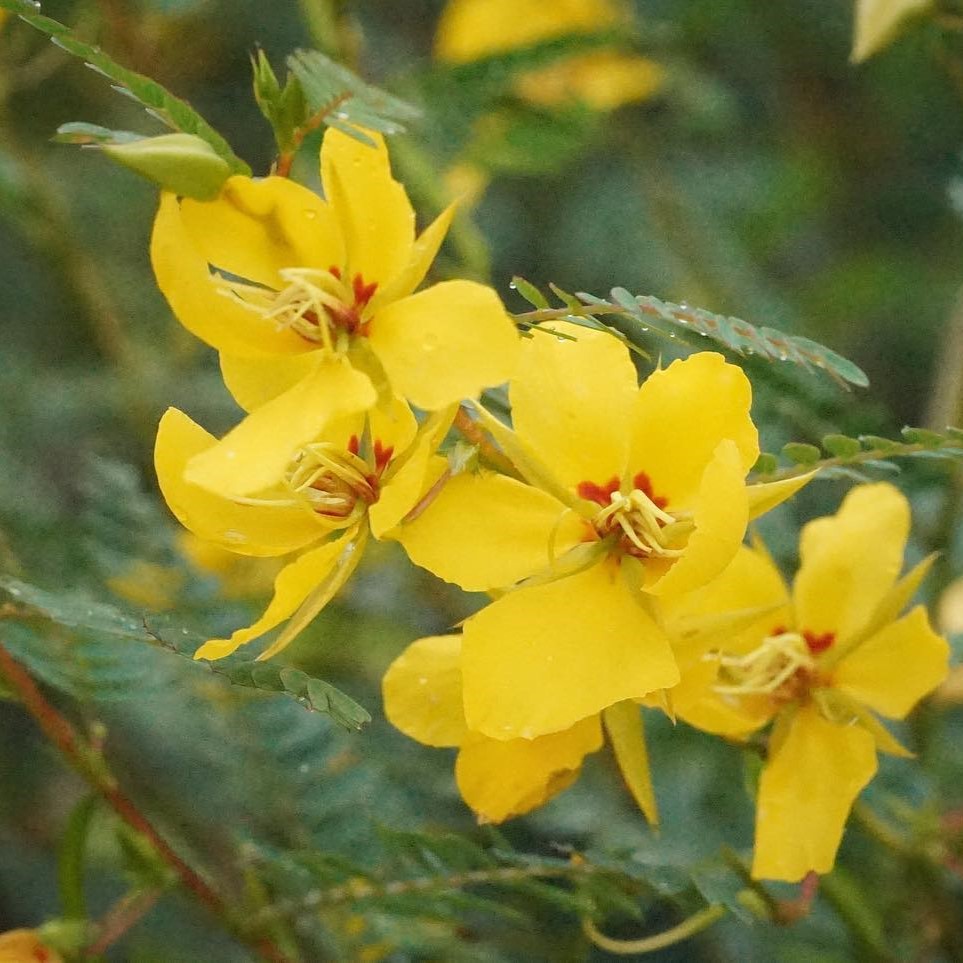
Partridgepea
(Chamaecrista fasciculata) is a nitrogen-fixing plant with bright yellow flowers that attract butterflies and long-tongued bees. Its seeds are eaten by birds and other wildlife, and it serves as a larval host for several butterflies. Learn more…
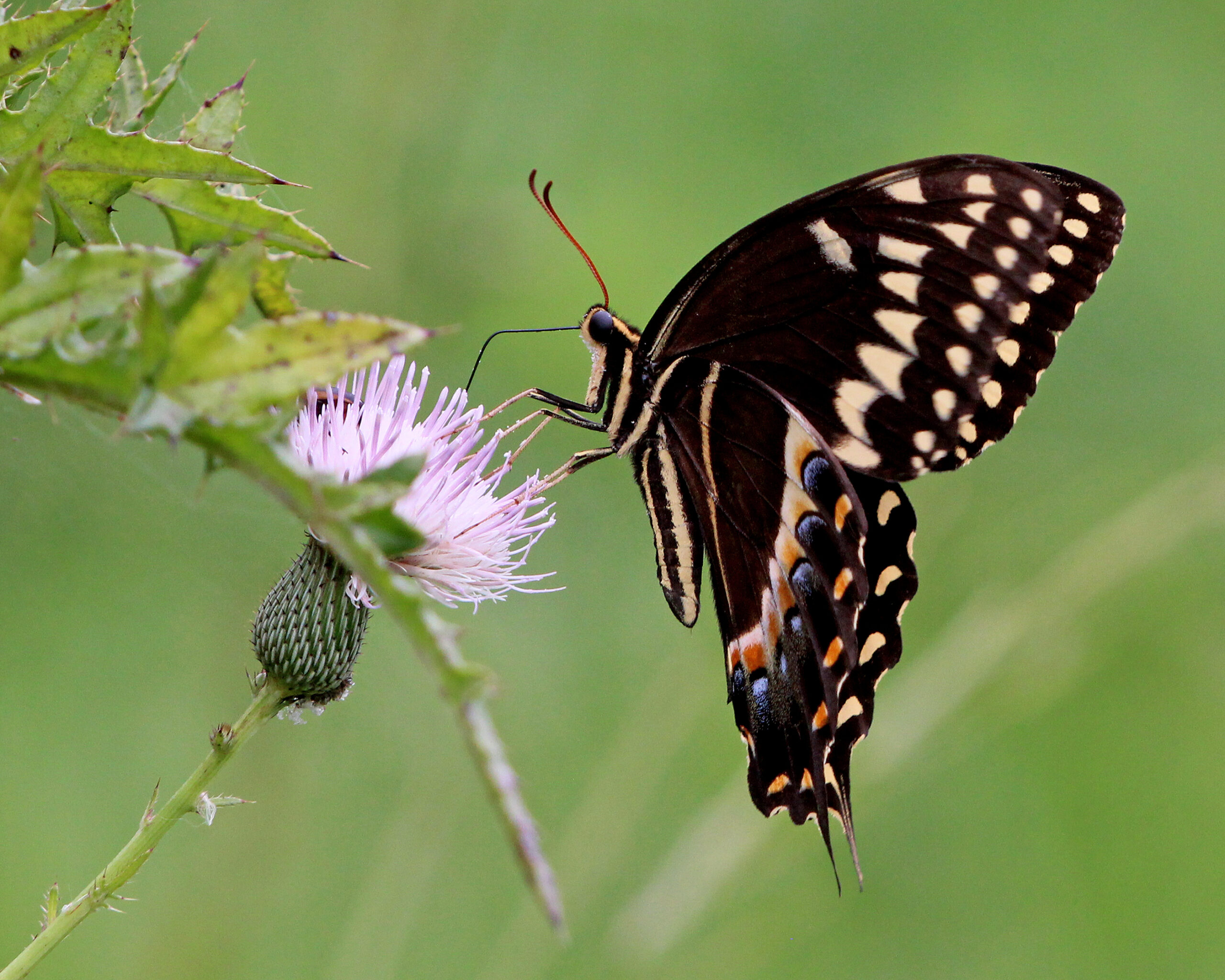
Nuttall’s thistle
(Cirsium nuttallii) attracts a variety of pollinators and provides seeds for birds. Parts of the plant are edible for humans, though its sharp spines make it difficult to handle. Native Americans also used the plant for making tools and weapons.
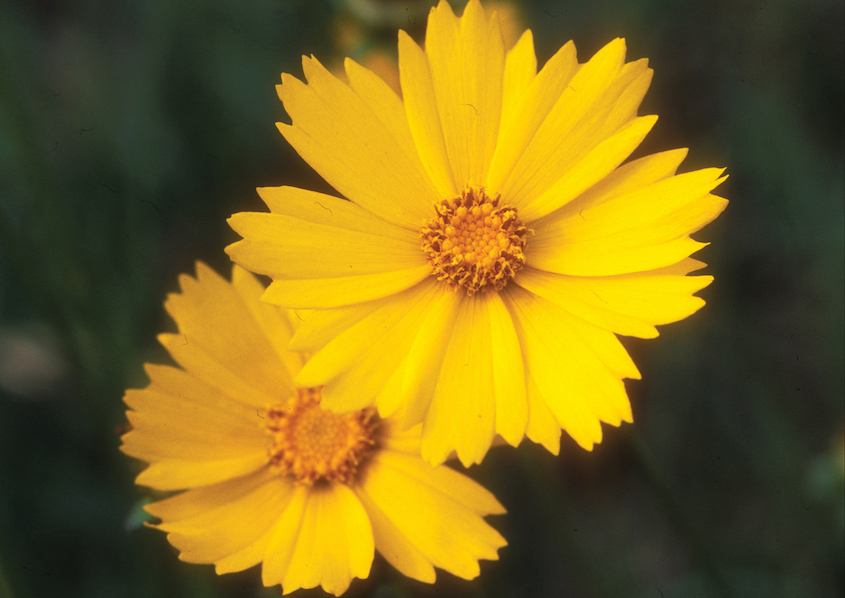
Lanceleaf tickseed
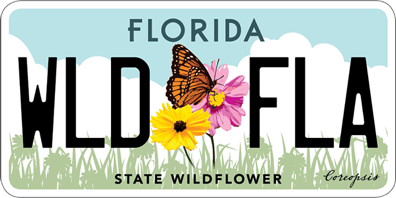
(Coreopsis lanceolata) is Florida’s state wildflower. Its flowers provide nectar for pollinators and its fibrous roots help stabilize soils. Learn more…
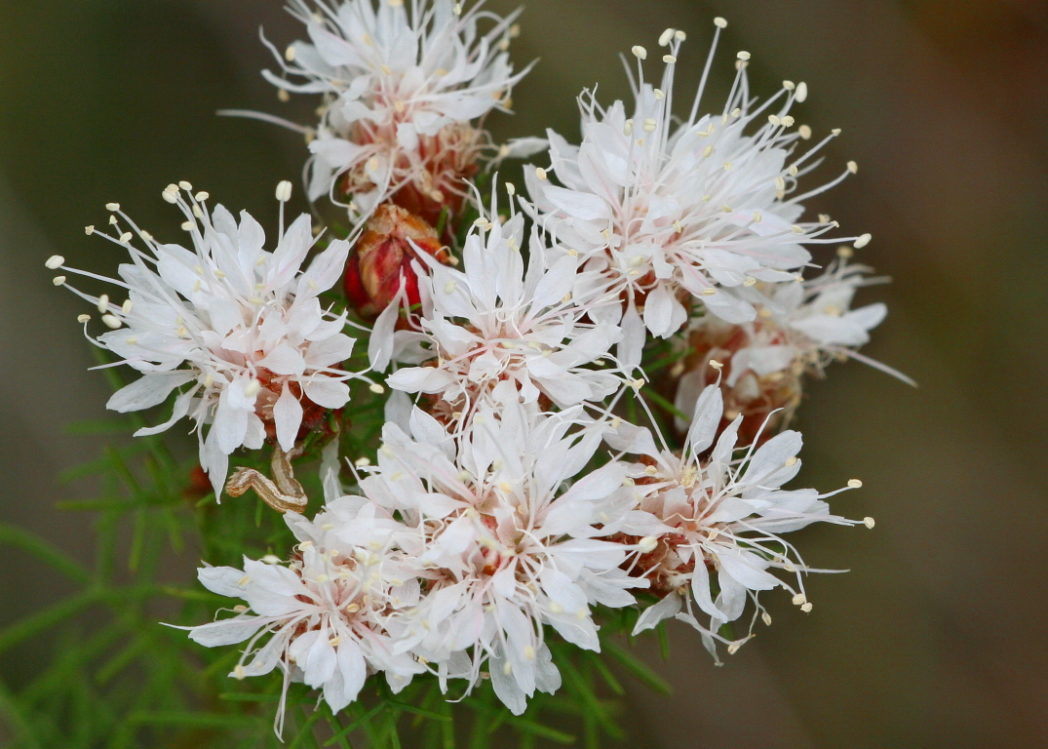
Summer farewell
(Dalea pinnata) attracts numerous pollinators, particularly bees. Its seed pods provide food for birds and small wildlife. It is a larval host for the Southern dogface butterfly and enriches soil as a nitrogen-fixer. Learn more…
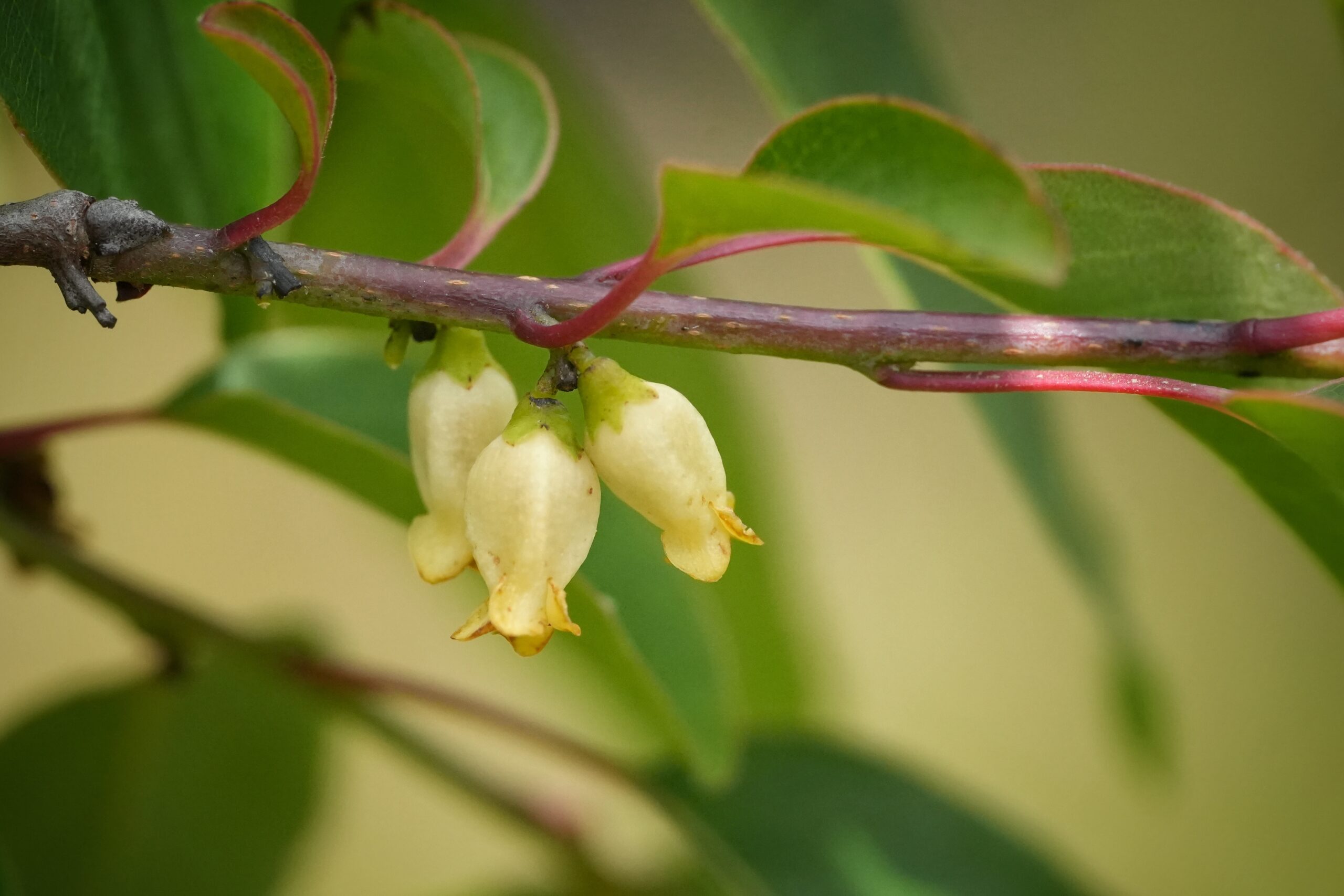
Common persimmon
(Diospyros virginiana) is a versatile tree with many uses. Its fruit is enjoyed by wildlife and humans, and its seeds and dried leaves have traditionally been used to make teas or coffee extenders. The wood has also been used for tools and furniture.
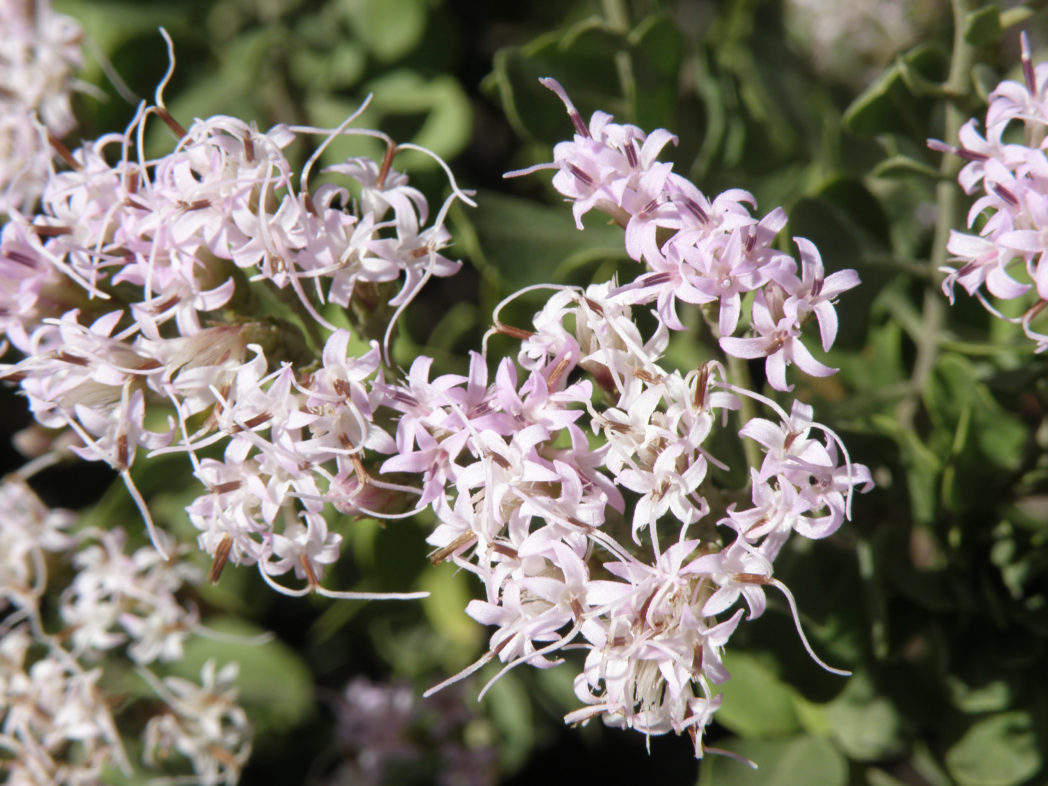
Garberia
(Garbera heterophylla) is a state-listed threatened species endemic to Central Florida. Its pink blooms are an excellent nectar source for many butterflies and bees. Learn more…
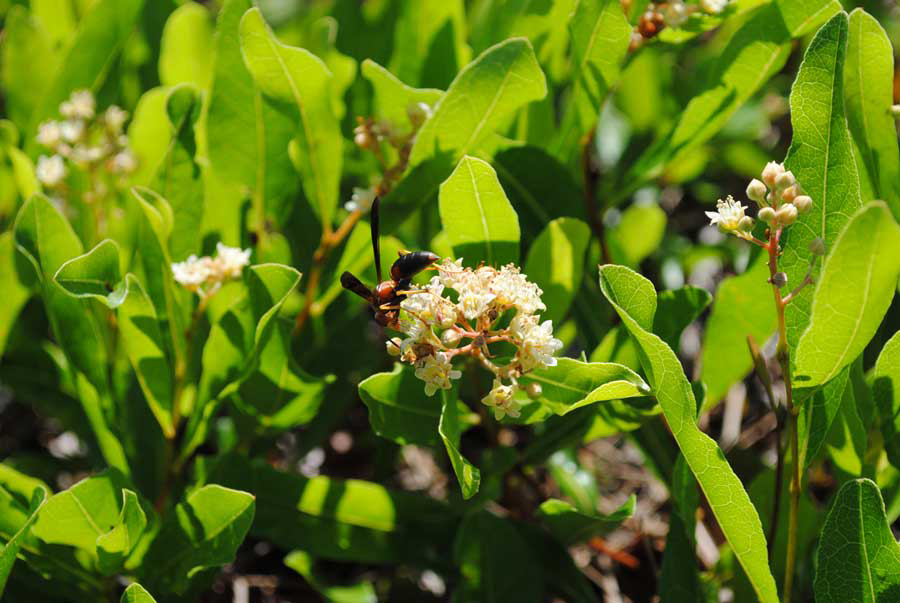
Gopher apple
(Geobalanus oblongifolius) is a low-growing shrub whose fruits are eaten by gopher tortoises, birds and mammals, making it an important component of wildlife habitat. The fruit is also edible for humans, though generally considered bland. Learn more…
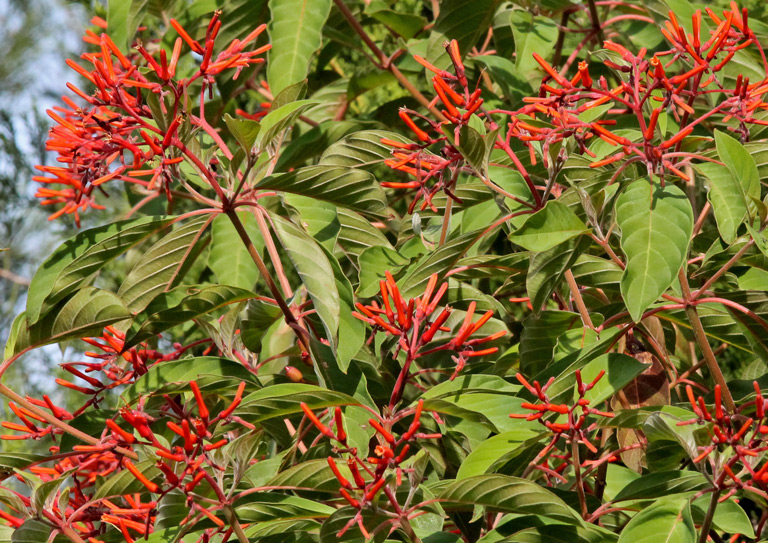
Firebush
(Hamelia patens) has bright red flowers that attract hummingbirds and butterflies. Birds and small mammals eat its berries. They are edible for humans, though not especially palatable. Leaves, stems, flowers and roots were also used traditionally for medicinal purposes. Learn more…
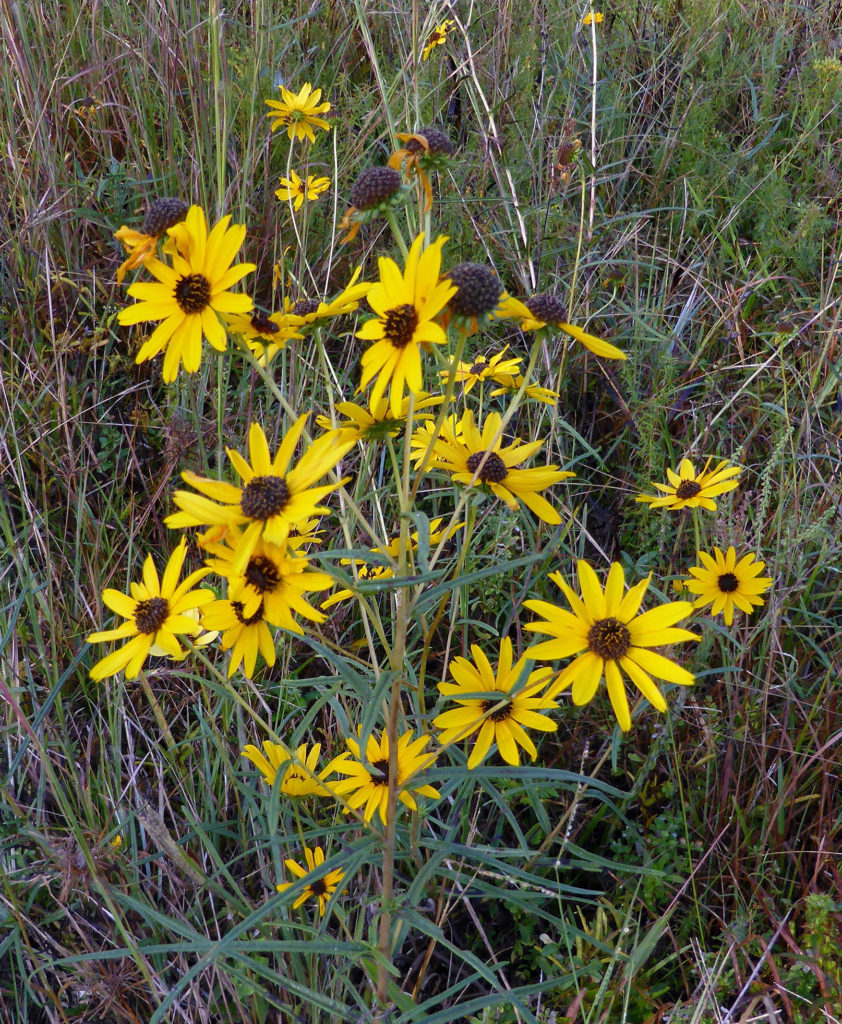
Narrowleaf sunflower
(Helianthus angustifolius) provides pollen and nectar for bees and butterflies. Its seeds offer a tasty treat for birds. Learn more…
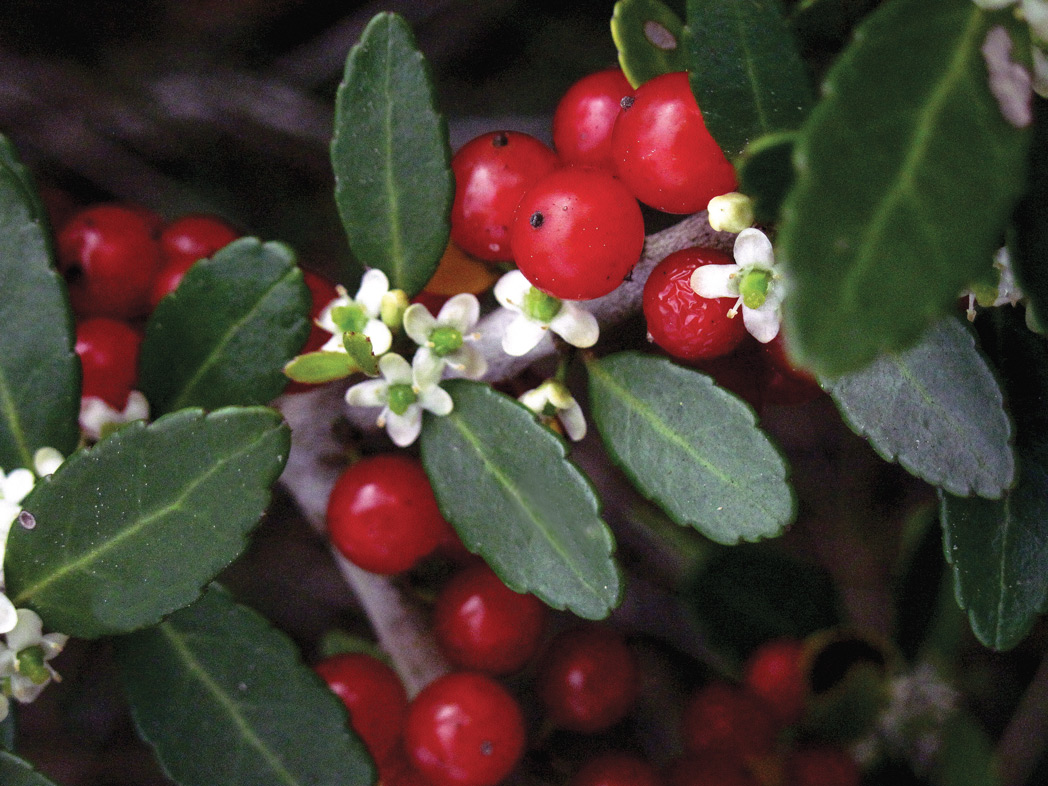
Yaupon holly
(Ilex vomitoria) provides berries that feed birds and habitat for wildlife. Historically, its leaves were brewed as a tea by Indigenous people. It is the only plant native to North America that contains caffeine. Learn more…
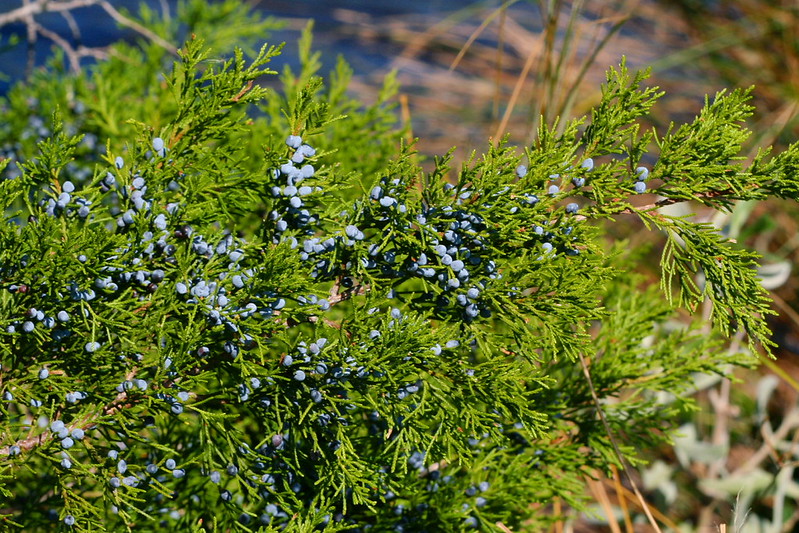
Eastern red cedar
(Juniperus virginiana) provides shelter and nesting habitat for birds and other wildlife. Its aromatic wood has been used traditionally for woodcraft, weaponry and shelter.
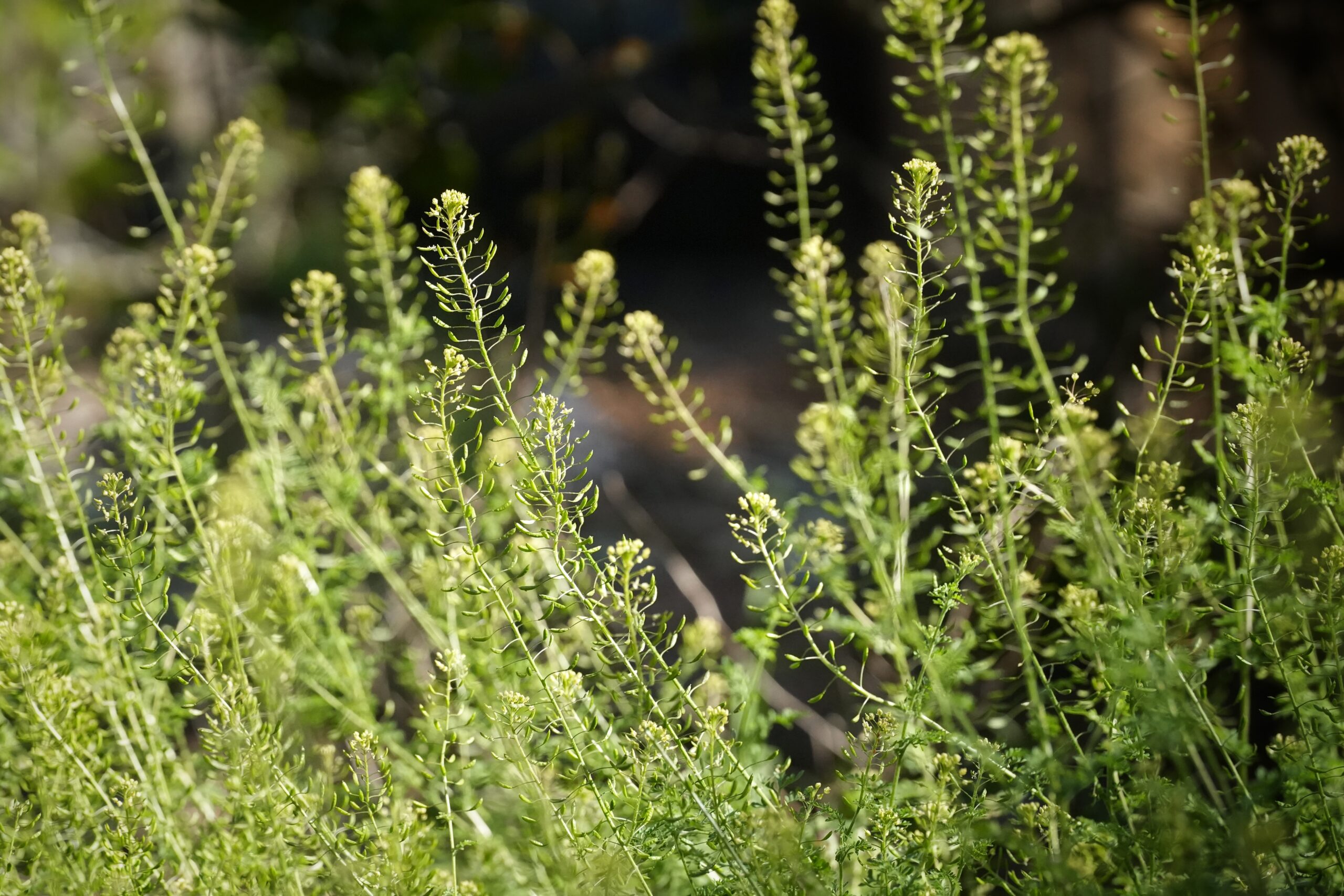
Pepperweed
(Lepidium virginicum) produces edible leaves and seeds with a peppery, horseradish-like taste. The flowers attract a variety of pollinators, and the plant is a larval host for the Checkered white butterfly. Learn more...
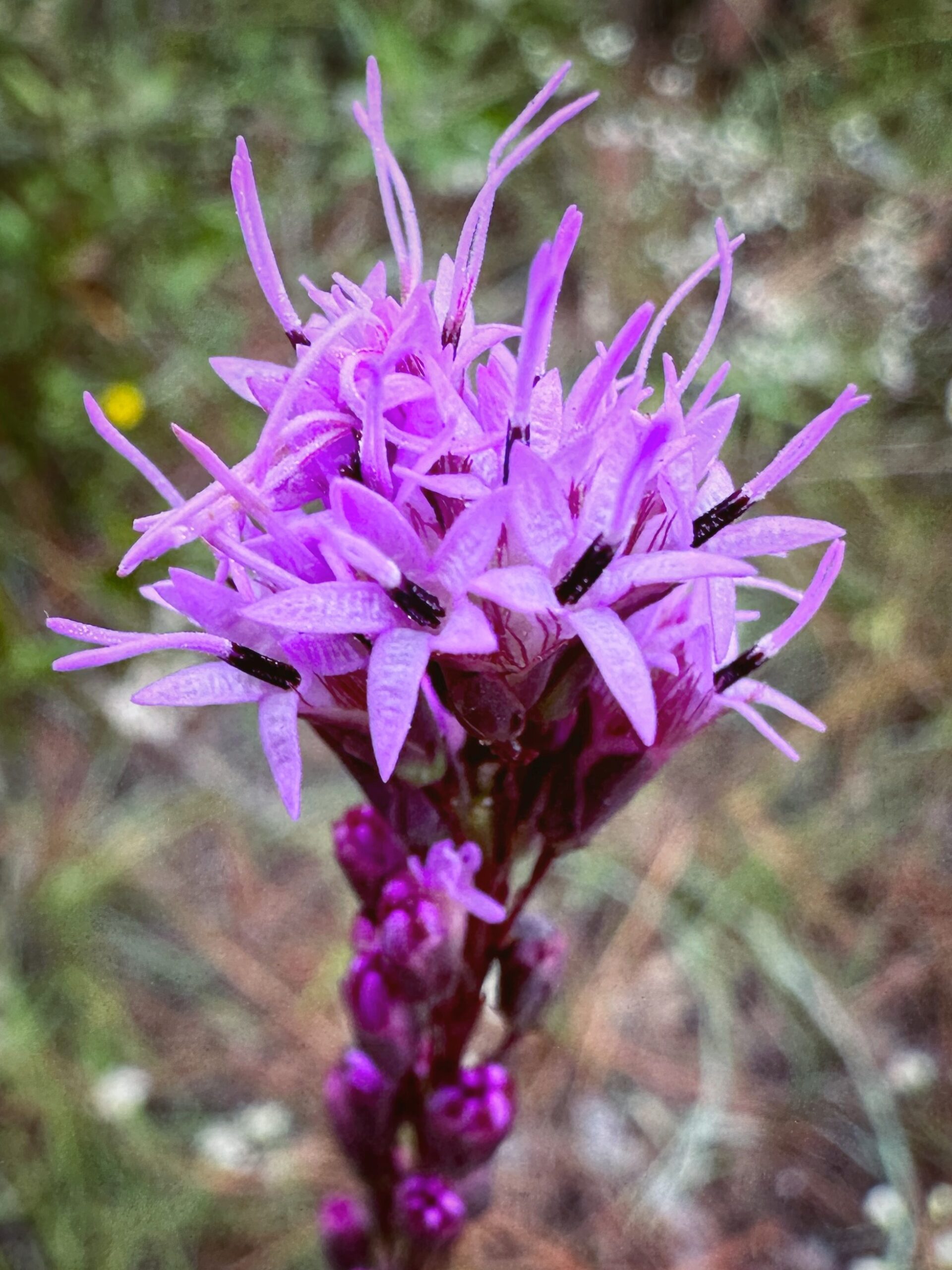
Shortleaf blazing
(Liatris tenuifolia) blooms with showy purple flowers that provide nectar for butterflies, bees and other pollinators. Learn more Learn more...
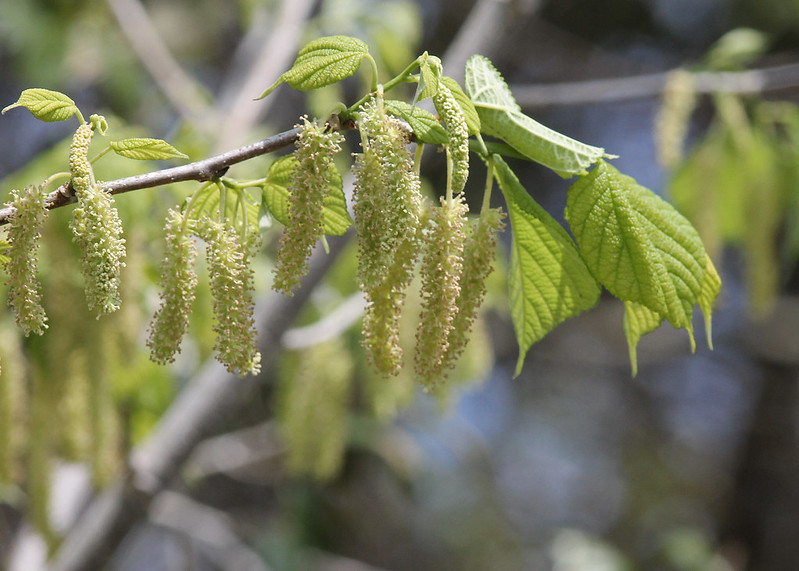
Mulberry
(Morus rubra) trees produce sweet, juicy fruit enjoyed by humans and wildlife alike, and its leaves feed silkworms in traditional uses.
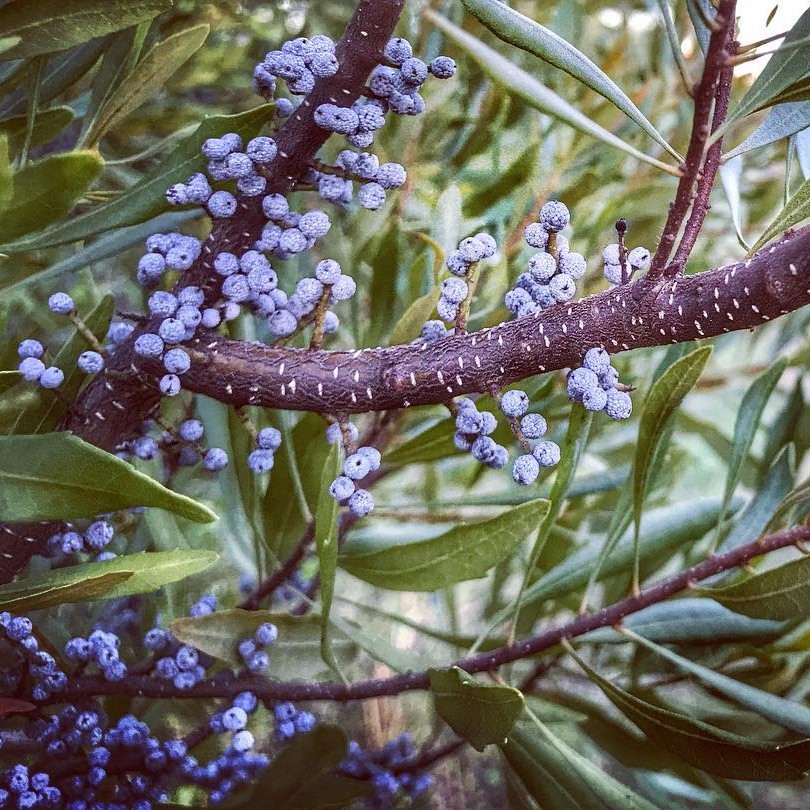
Wax myrtle
(Myrica cerifera) bears aromatic berries that feed birds. Their waxy coating has long been used to make candles. Once the wax is removed, the remaining fruits have been used like peppercorns. The leaves were historically used for seasoning and medicinal purposes.
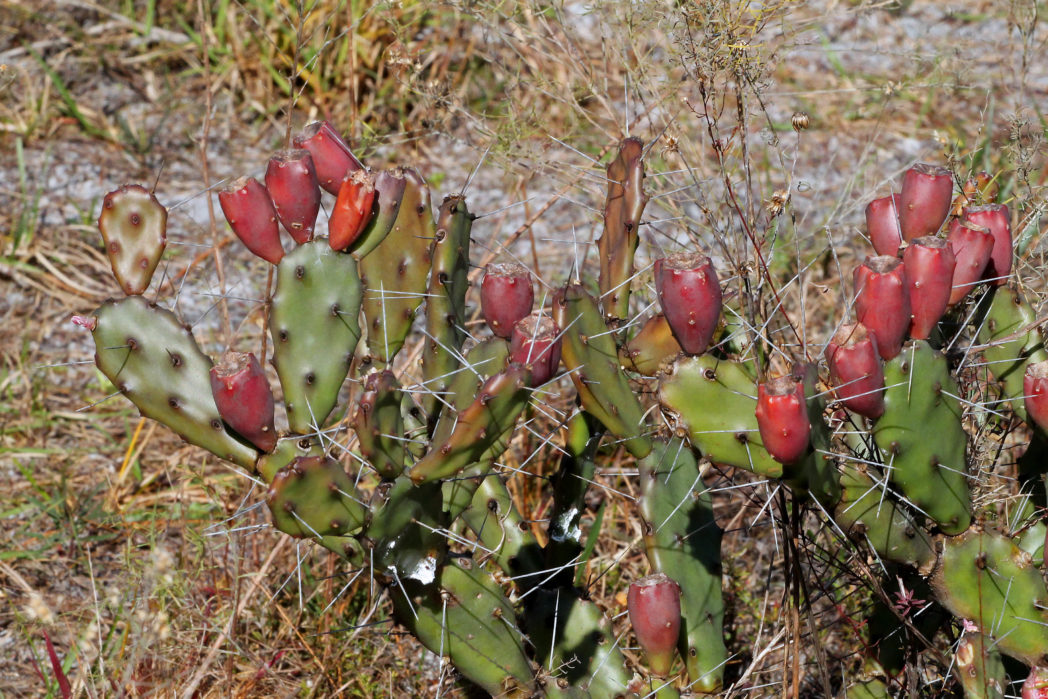
Pricklypear cactus
(Opuntia spp.) is an important food source for pollinators, birds, and other small wildlife. The plant is edible for humans, though its spines and tiny glochids require caution. Pricklypear also hosts the cochineal insect, which has been used historically to produce a red dye. Learn more…
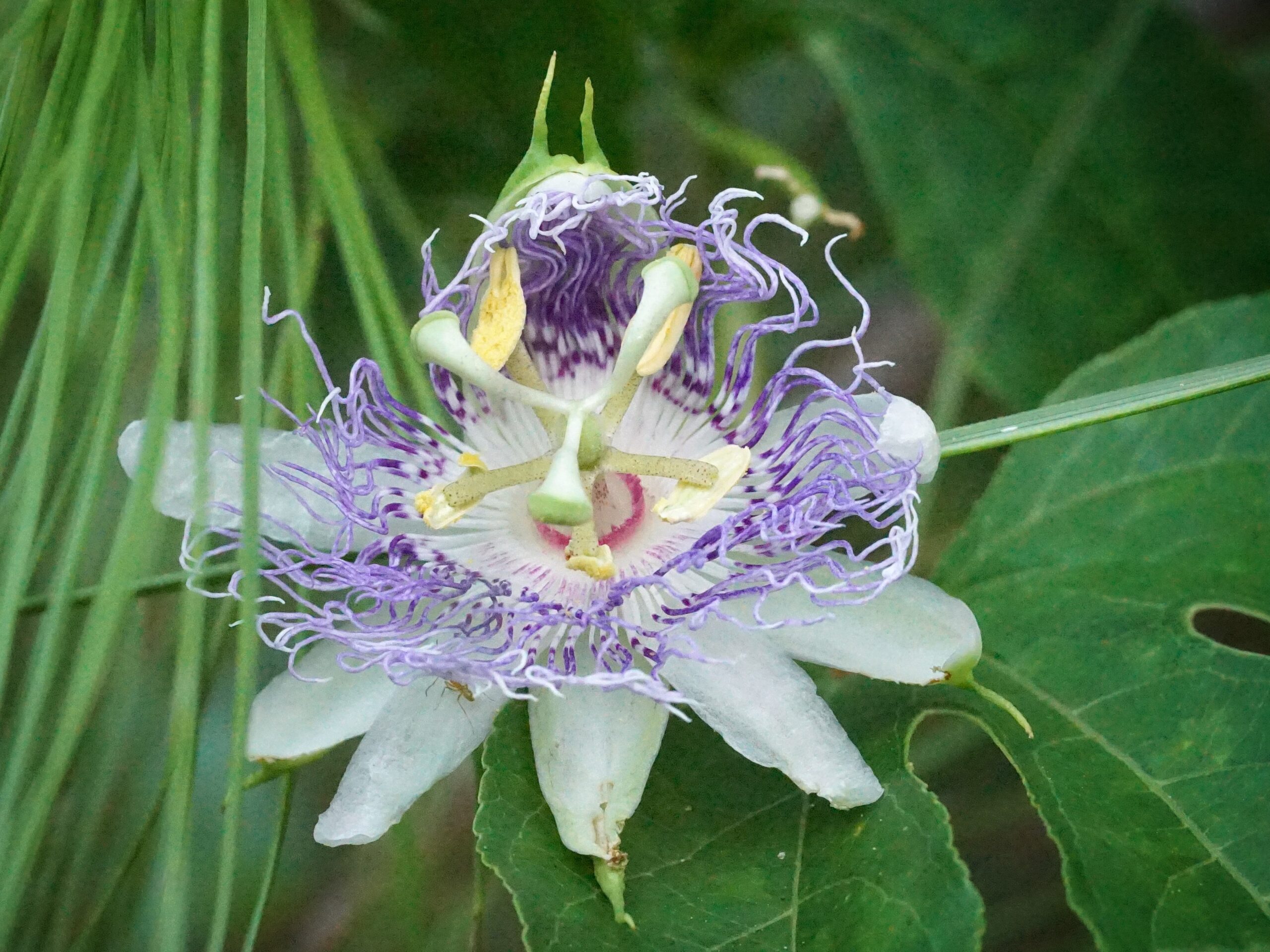
Passionflower
(Passiflora incarnata) is a larval host for butterflies such as the Gulf fritillary and Zebra longwing, and its striking purple flowers attract bees. The fruit is edible for humans, and the plant’s leaves and flowers have medicinal uses. Learn more…
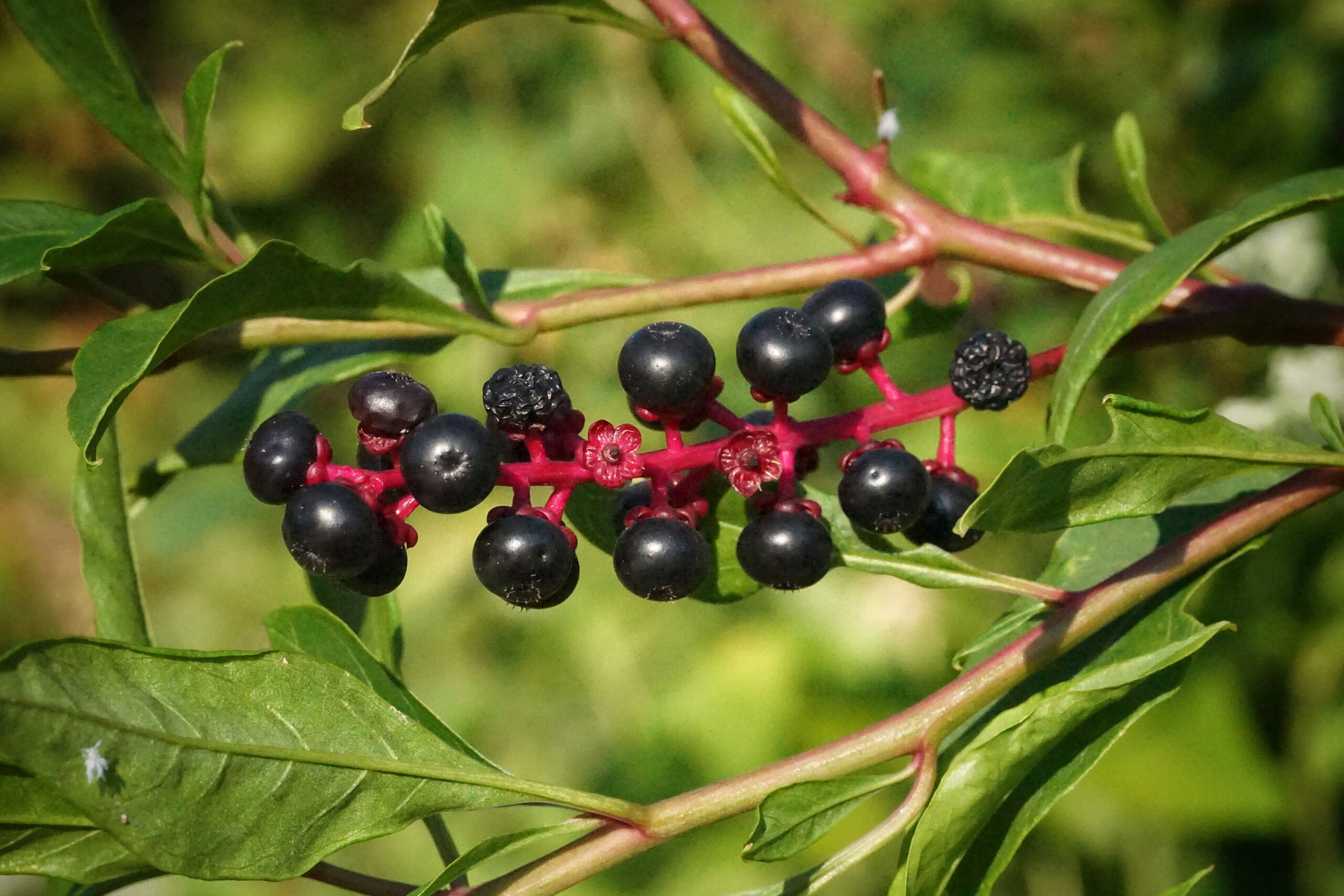
Pokeweed
(Phytolacca americana) berries feed birds and small mammals. Its flowers attract bees. While young shoots were historically eaten (so-called “poke salad”), all parts of the plant are toxic to humans. Its dark berries were traditionally used as a dye. Learn more…
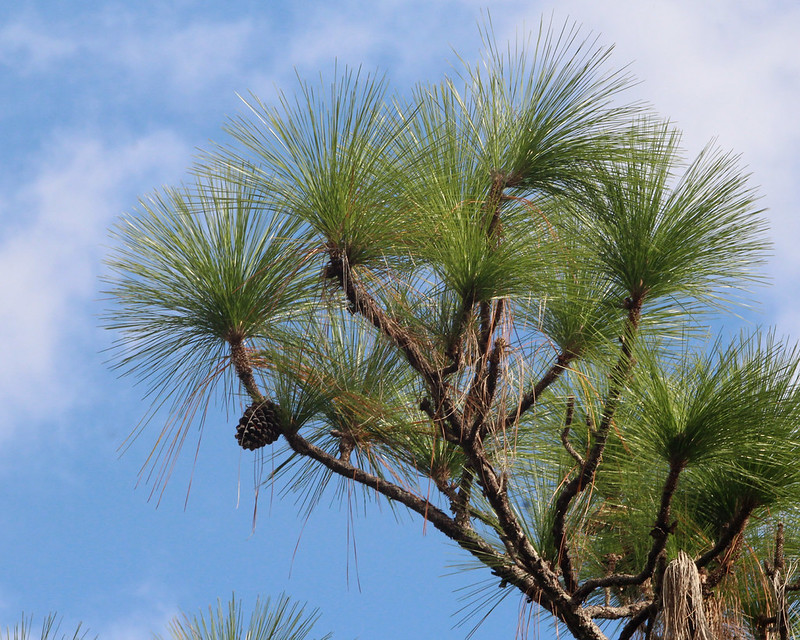
Longleaf pine
(Pinus palustris) is a keystone species that provides nesting habitat, shelter and food for a wide range of wildlife. The entire plant is technically edible for humans, and its timber and resin have traditional uses.
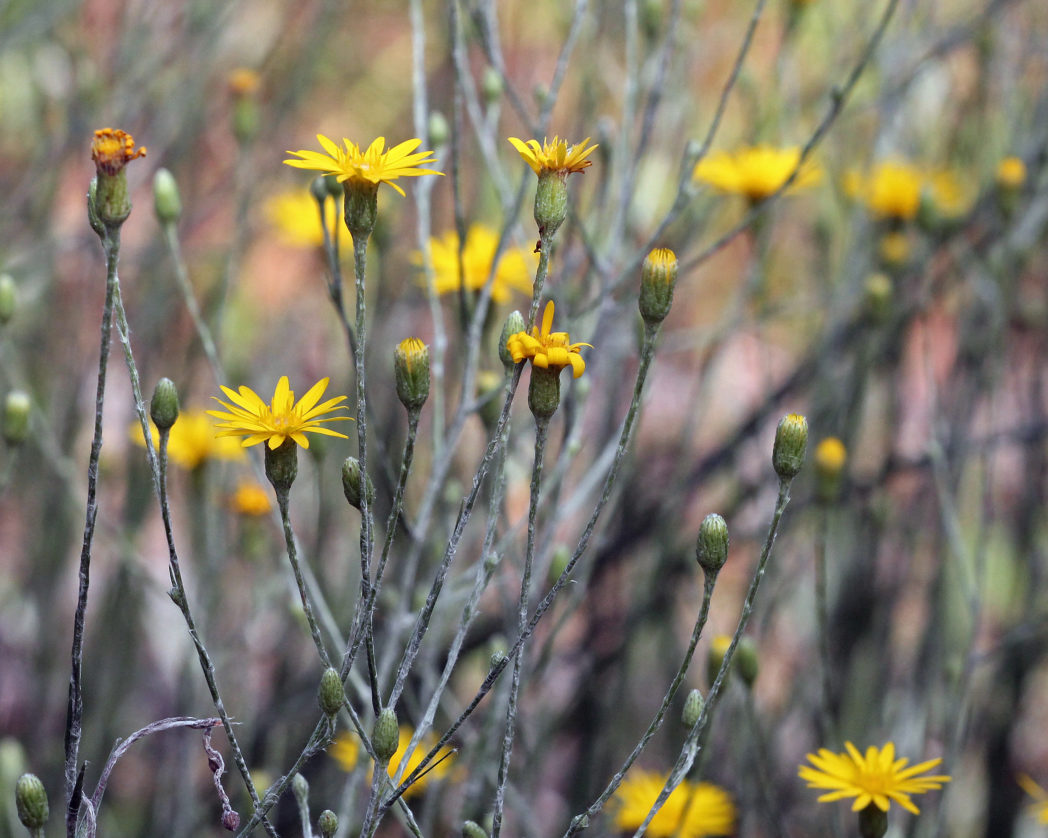
Narrowleaf silkgrass
(Pityopsis graminifolia) flowers provide nectar for pollinators. Its grasslike foliage are covered in fine hairs, giving it a silvery hue. Learn more…
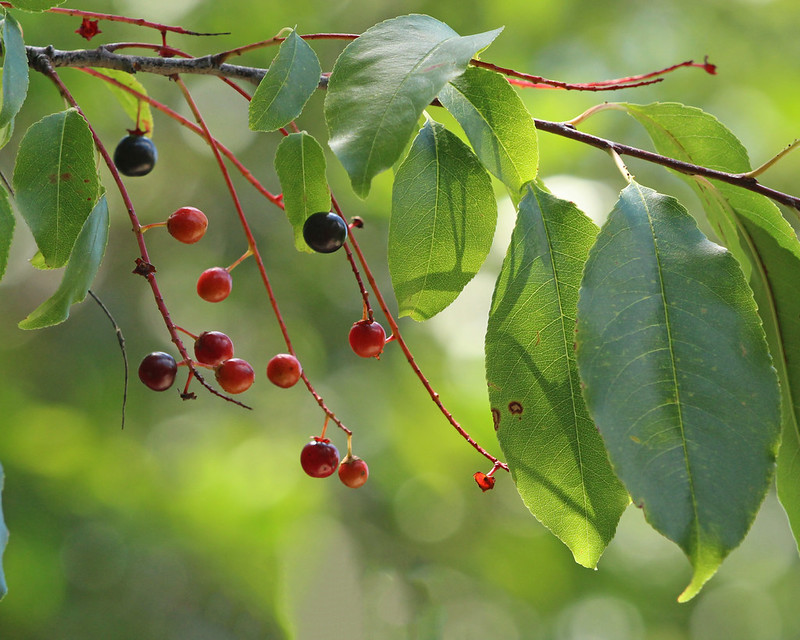
Black cherry
(Prunus serotina) fruit is eaten by birds and other wildlife. Humans have historically consumed it, as well, though all parts of the plant contain cyanogenic compounds and can be toxic if not processed properly. Its bark was traditionally used in cough remedies.
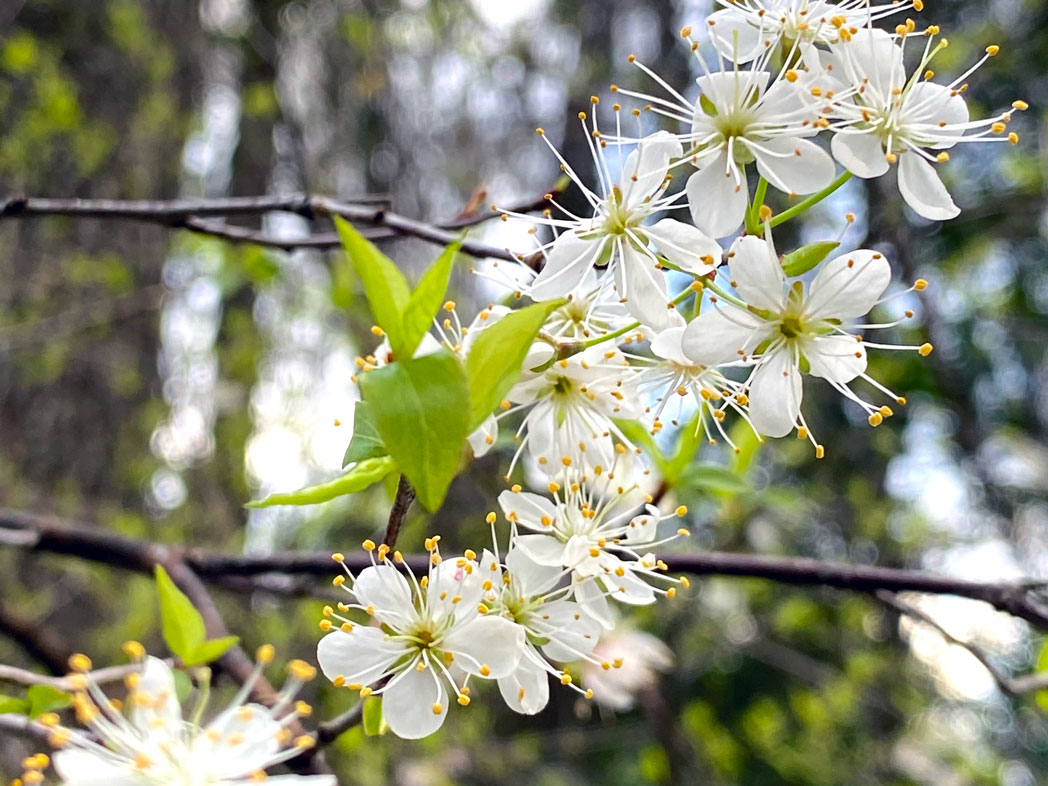
Flatwoods plum
(Prunus umbellata) flowers provide nectar for pollinators, especially bees. Its sweet fruit is eaten by birds and other wildlife. They are edible for humans, too, though they tend to be bitter and are best made into jelly. The seeds can be toxic and should not be consumed. Learn more…
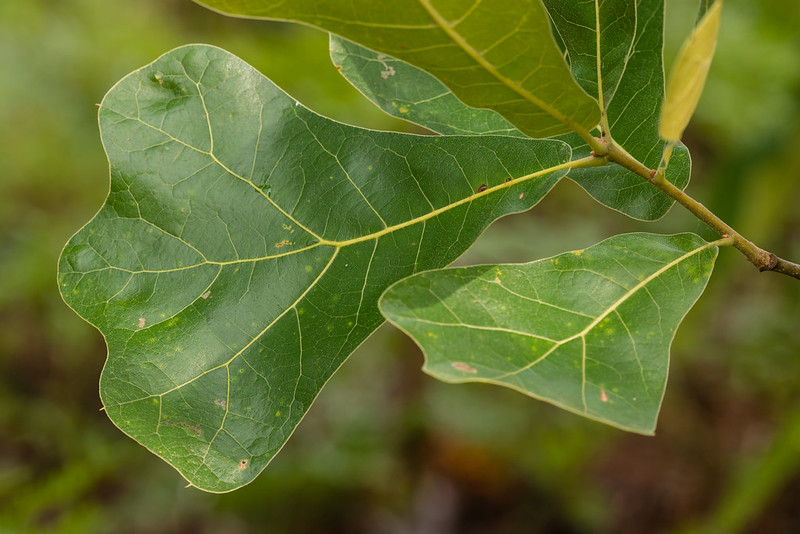
Bluejack oak
(Quercus marilandica) produces acorns that are a critical food source for wildlife, including squirrels, birds and deer. Humans can consume acorns after leaching to remove tannins. Historically, they were ground into flour.
Live oak
(Quercus virginiana) produces acorns eaten by numerous wildlife species and provides essential canopy and nesting habitat. Like other oaks, its acorns can be processed for human consumption after removing tannins.
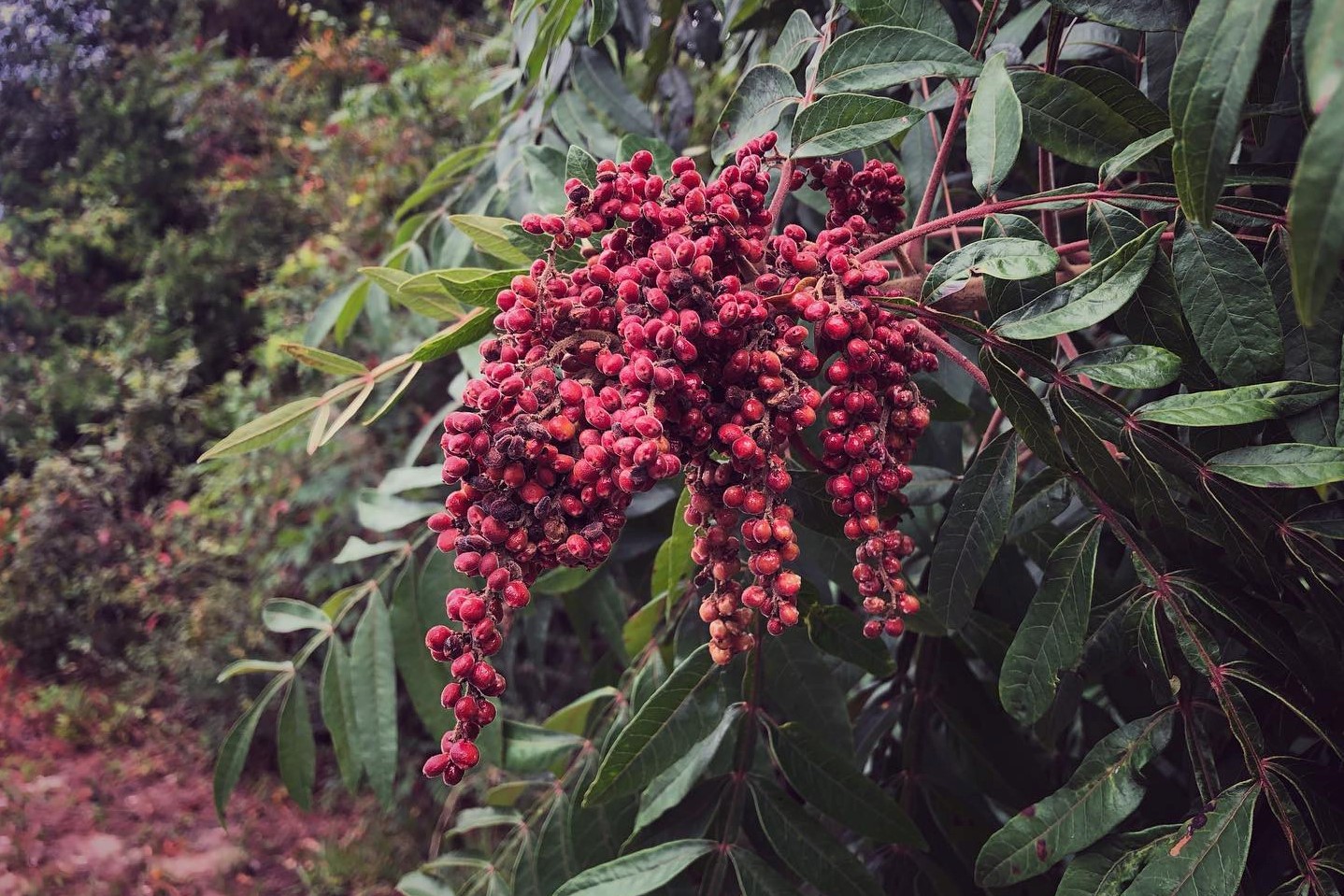
Winged sumac
(Rhus copallinum) has a long history of both culinary and medicinal use. Its tart red berries were brewed into a refreshing drink and used as a natural dye by Native Americans. The plant is a larval host for the Red-banded hairstreak butterfly and Luna moth, provides nectar for pollinators and berries for birds and small mammals, and is browsed by deer and rabbits. Learn more…
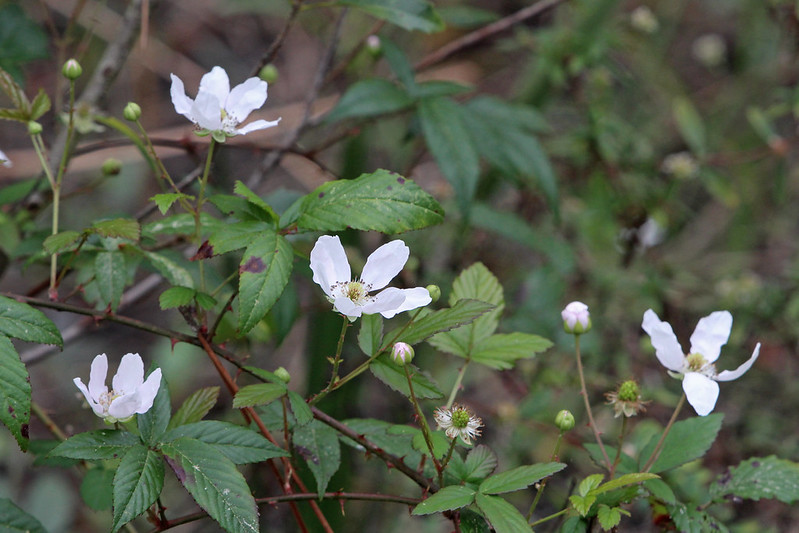
Dewberry
(Rubus spp.) flowers provide nectar for pollinators. Its sweet fruits are eaten by birds, other wildlife and humans. Leaves have historically been brewed into a tea.
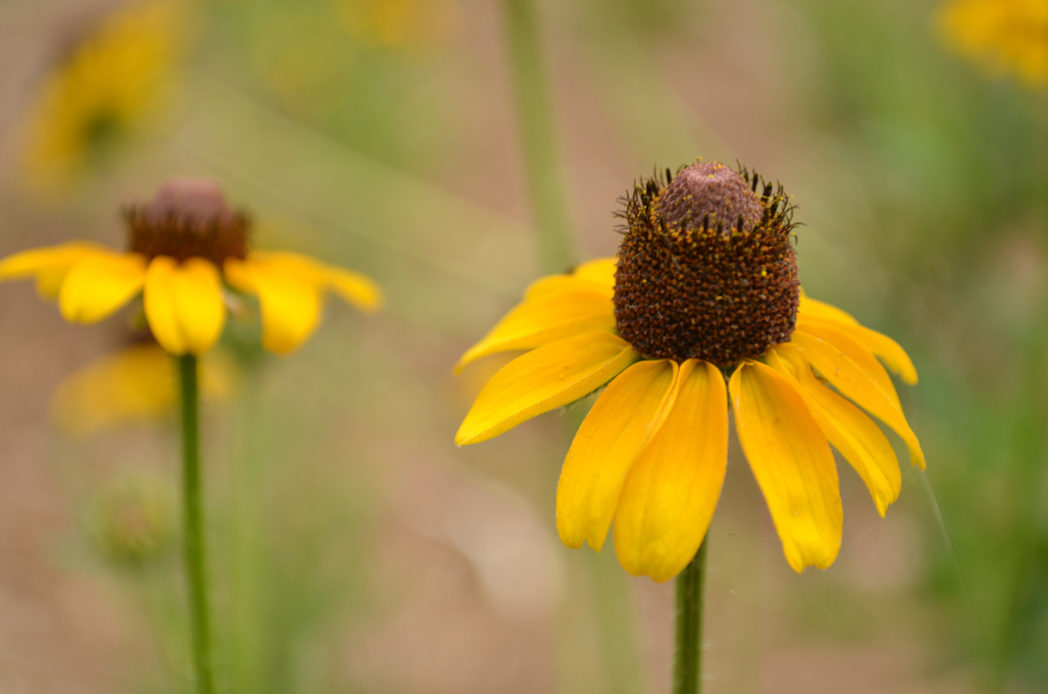
Black-eyed Susan
(Rudbeckia hirta) is a bright yellow wildflower that provides nectar and pollen for bees and butterflies. Its seeds are eaten by songbirds. The plant is a larval host for several moths. Learn more…
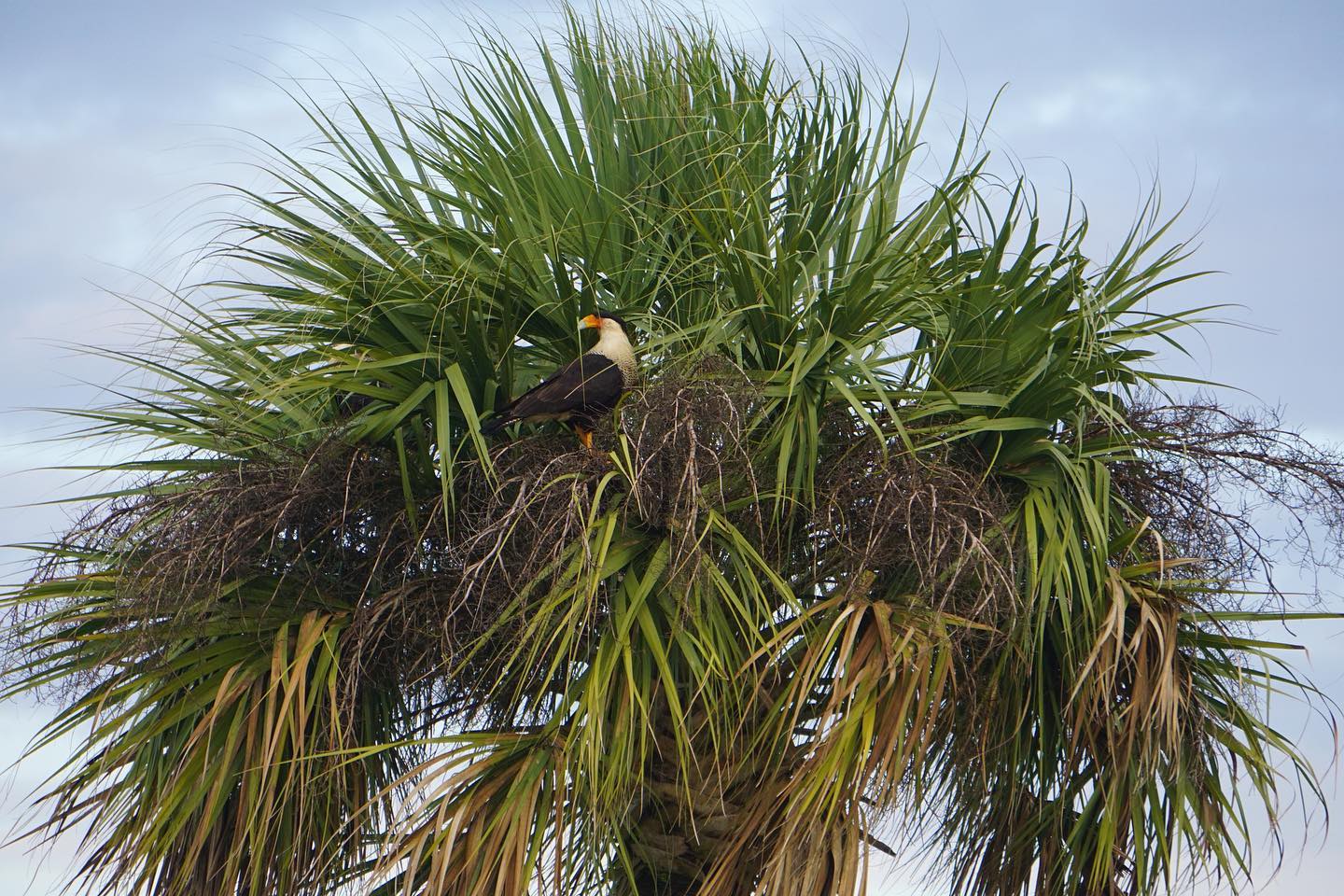
Sabal palm
(Sabal palmetto) is Florida’s state tree, providing habitat and food for wildlife. Native Americans called it the “tree of life” and used its parts for food, weaving, tools and shelter. Learn more…
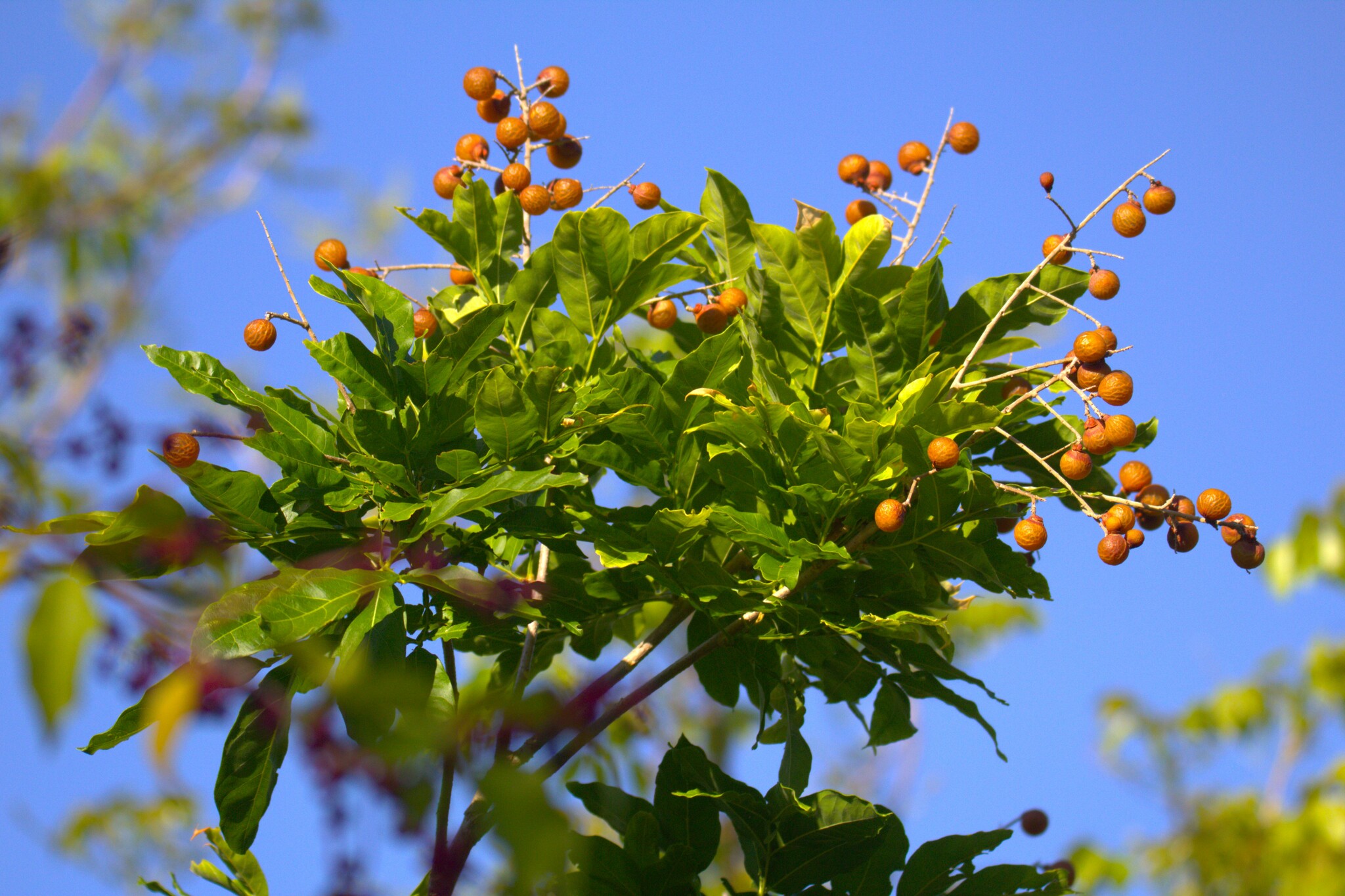
Soapberry
(Sapindus saponaria) produces fruits containing saponins that were traditionally used as soap and detergent. Birds eat the fruit, but the saponins make it toxic for human consumption.
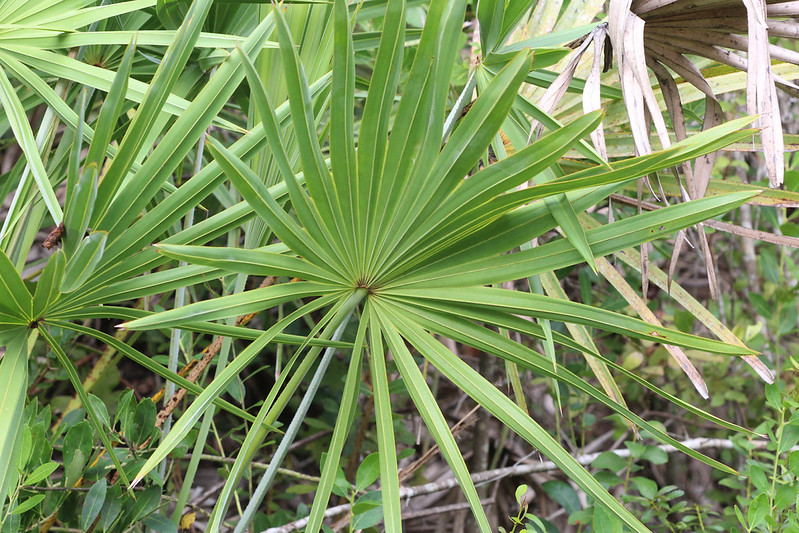
Saw palmetto
(Serenoa repens) produces flowers and fruit that are extremely valuable to wildlife, feeding hundreds of insect species as well as birds and mammals, including black bears. Its berries are technically edible for humans though many find them unpleasant. The plant has also been used in traditional medicine. Learn more…
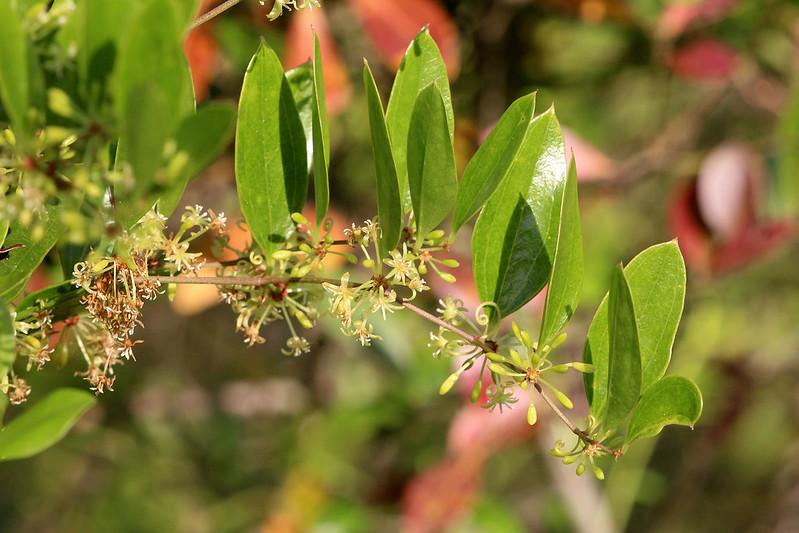
Greenbrier
(Smilax spp.) provides cover and food for birds, rabbits, deer and other wildlife. Many parts of the plant are edible for humans, though caution is advised due to spines and species variability. Historically, some species were also used medicinally.
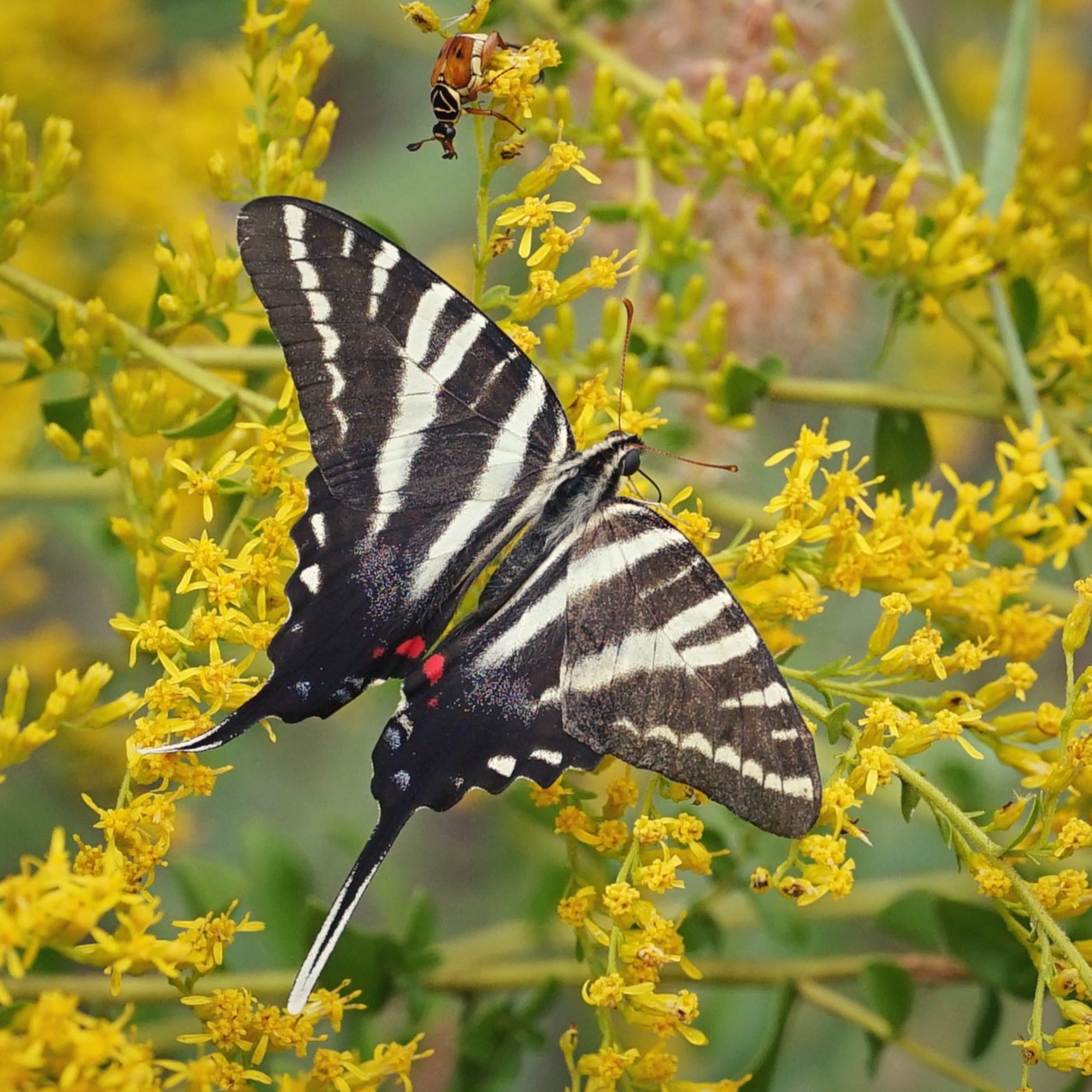
Chapman’s goldenrod
(Solidago odora) produces nectar for bees, butterflies and other pollinators and seeds for birds. Historically, its leaves have been brewed into an aromatic tea. Learn more…
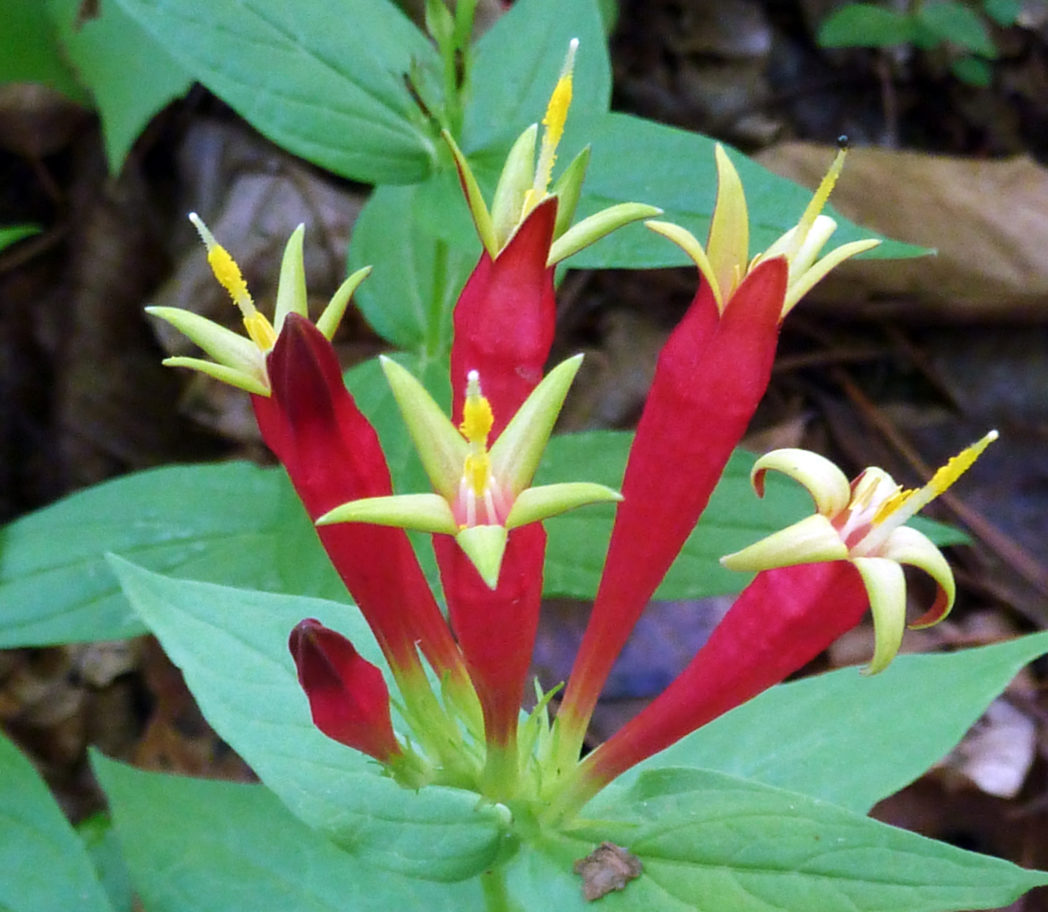
Woodland pinkroot
(Spigelia marilandica) produces striking flowers that attract pollinators and hummingbirds. It was historically used as a medicinal plant but is highly toxic if not properly processed. Learn more…
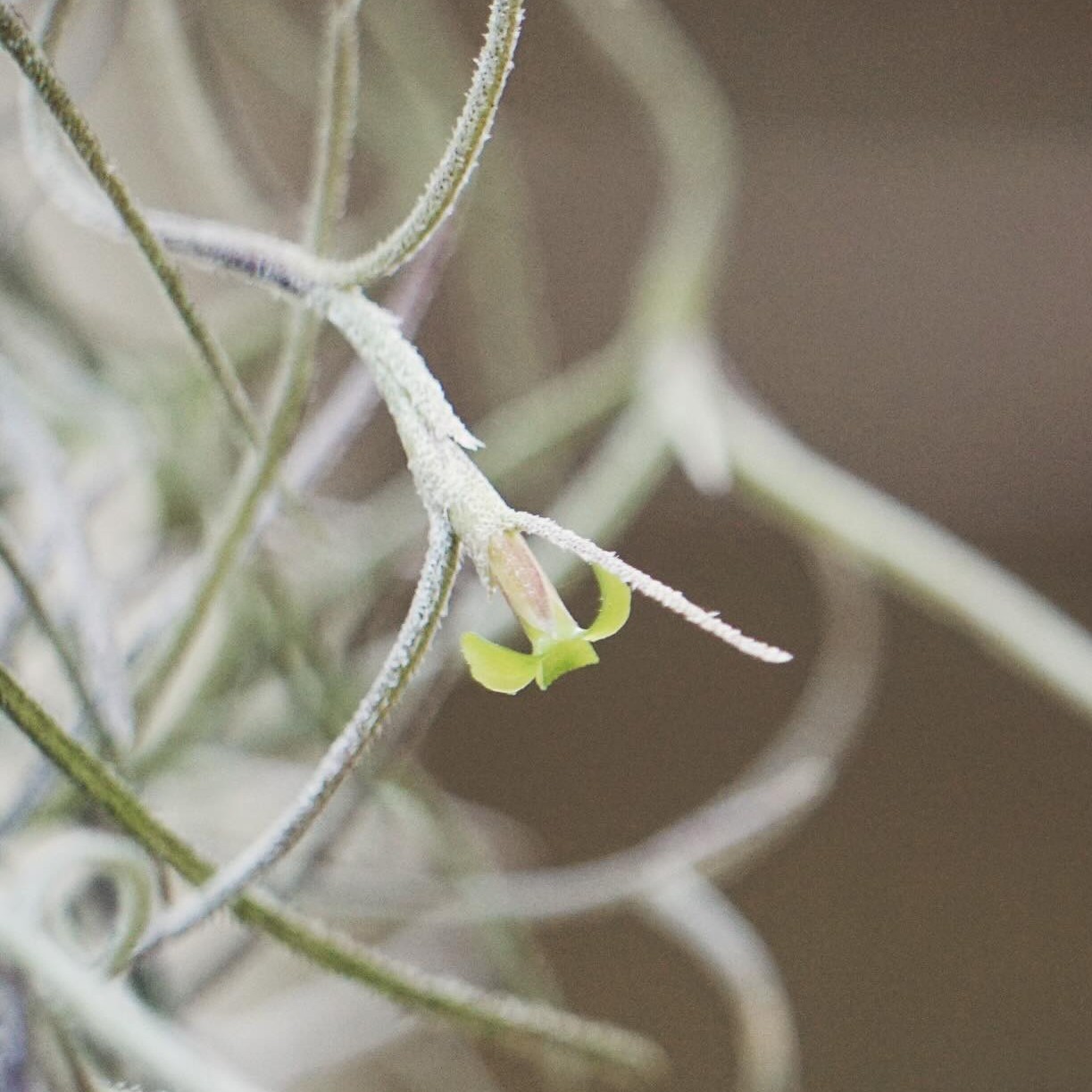
Spanish moss
(Tillandsia usneoides)
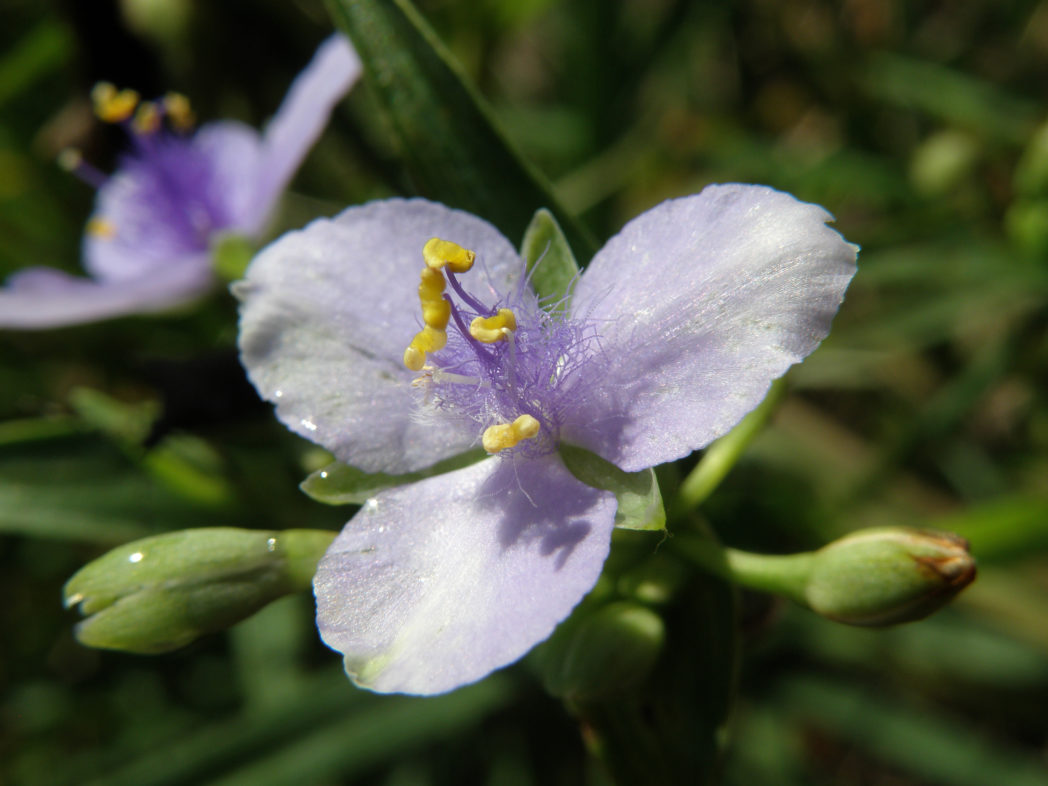
Spiderwort
(Tradescantia ohiensis) produces purple blooms that feed pollinators. The plant is edible to humans and also has traditional medicinal applications. Learn more…
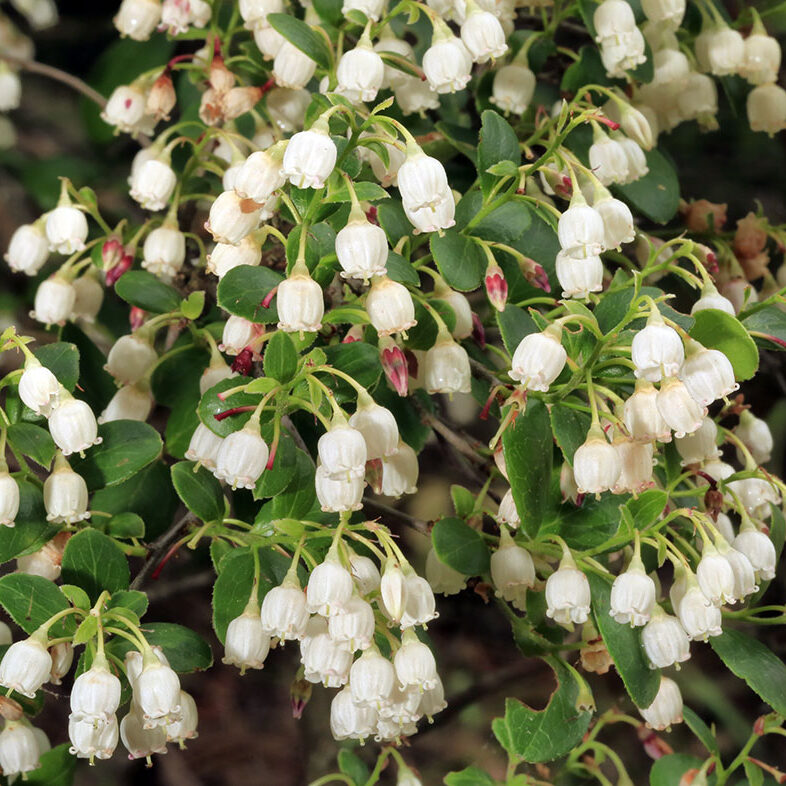
Sparkleberry
(Vaccinium arboreum) produces small berries that feed birds and mammals. The berries are edible for humans, though they can be mildly astringent. Pollinators benefit from the nectar of its flowers. Learn more…
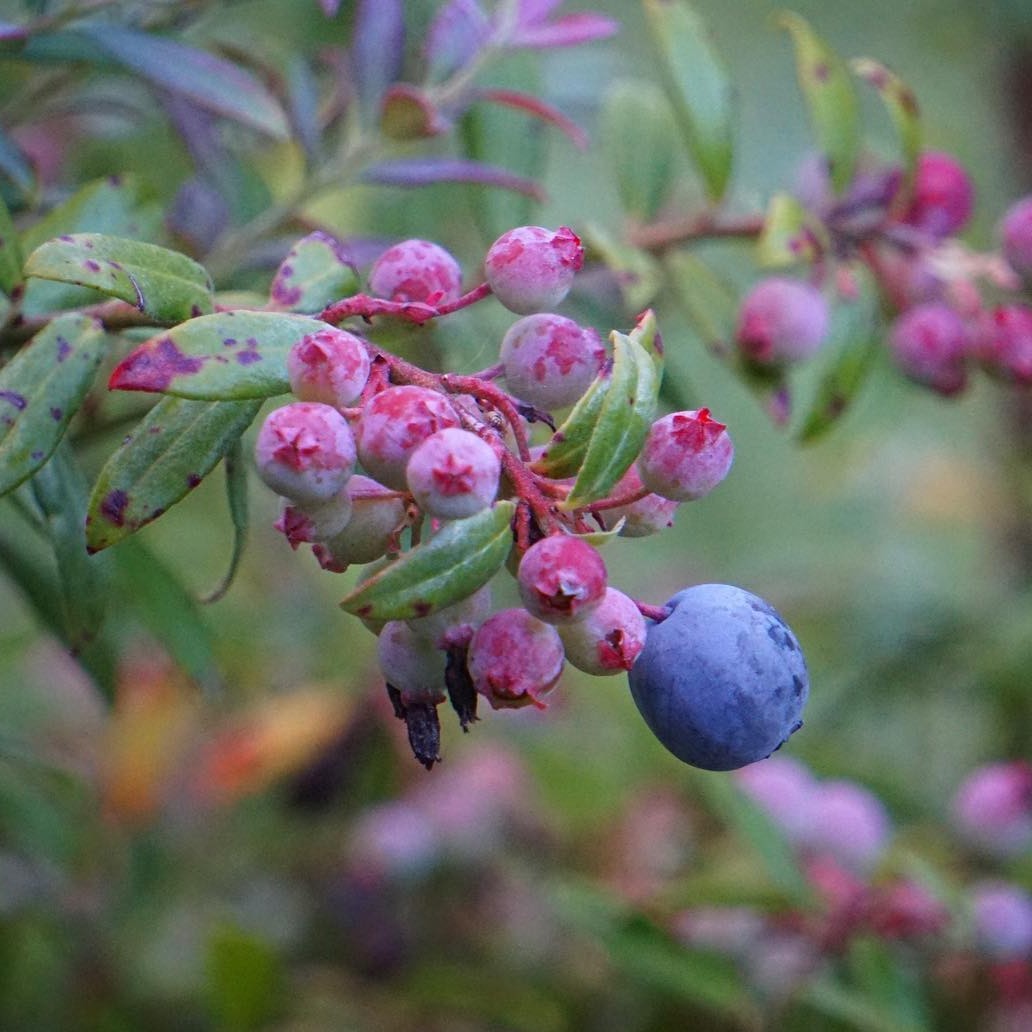
Darrow’s blueberry
(Vaccinium darrowii) provides edible berries for both wildlife and humans. Its flowers support pollinators. Learn more...
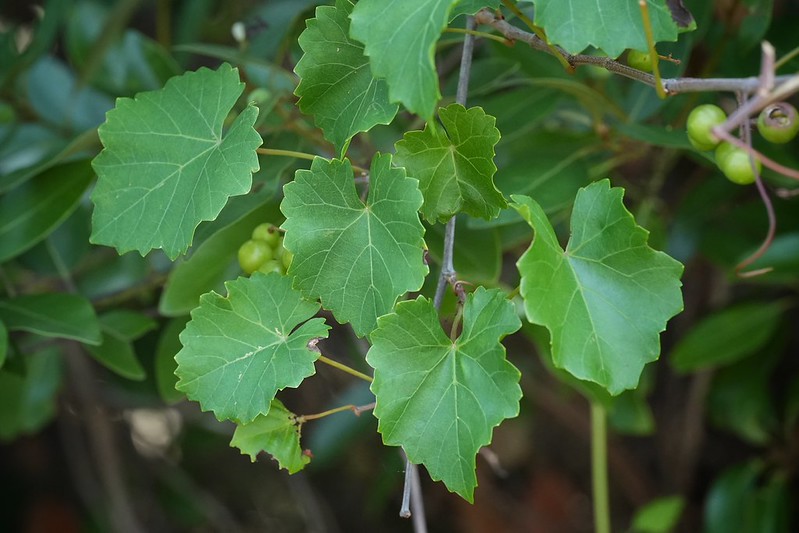
Grapevine
(Vitis spp.) produces edible fruit enjoyed byu humans and wildlife. Young leaves are also edible. Its flowers support pollinators, and its vines provide structural habitat for climbing wildlife.
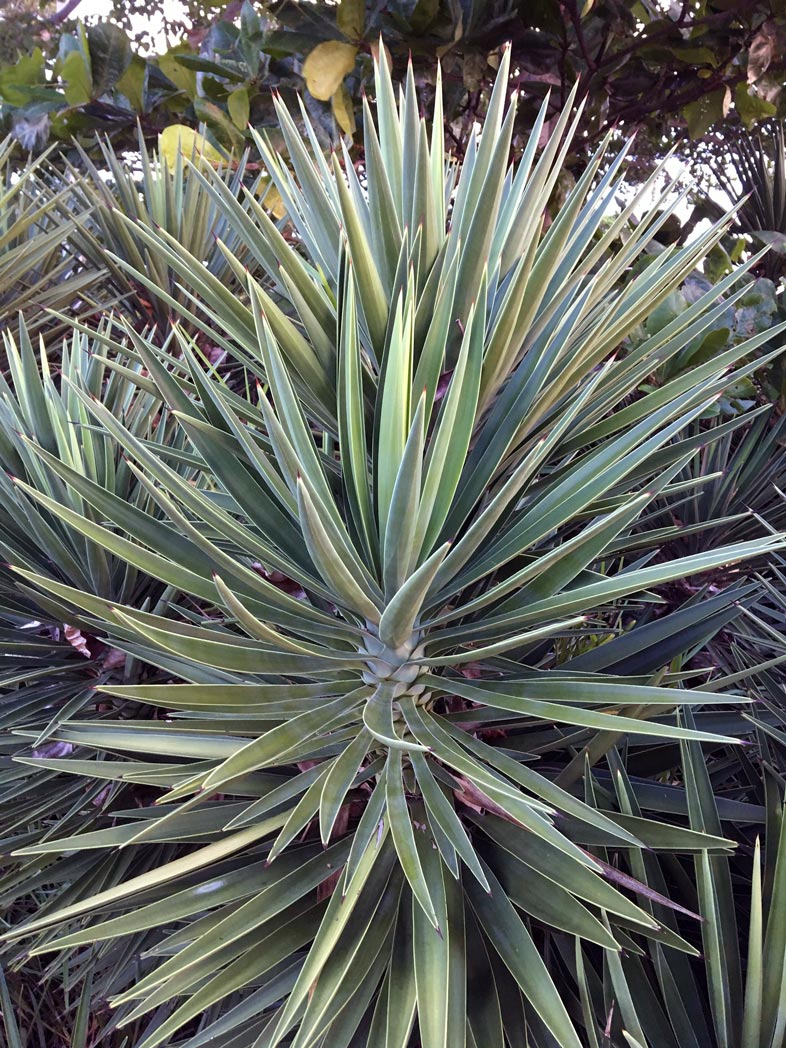
Adam’s needle
(Yucca filamentosa) is a larval host for the Cofaqui and Yucca giant skipper butterflies. Its flowers attract hummingbirds and butterflies. Many parts of the plant are edible when properly prepared, and its leaves, roots and stalks were historically used for fibers, soap and kindling. Learn more…
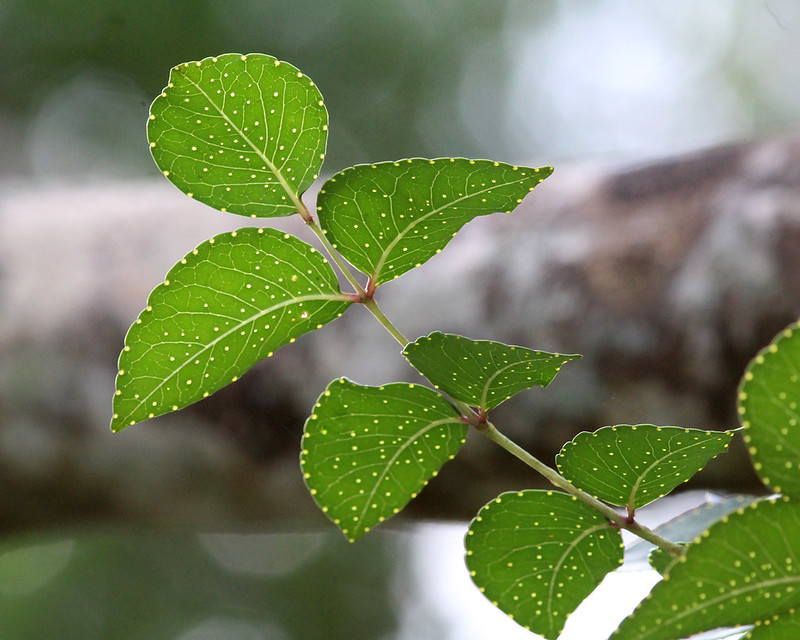
Hercules’ club
(Zanthoxylum clava-herculis) produces fruits and seeds eaten by birds. Its bark, berries and leaves have many traditional medicinal uses.