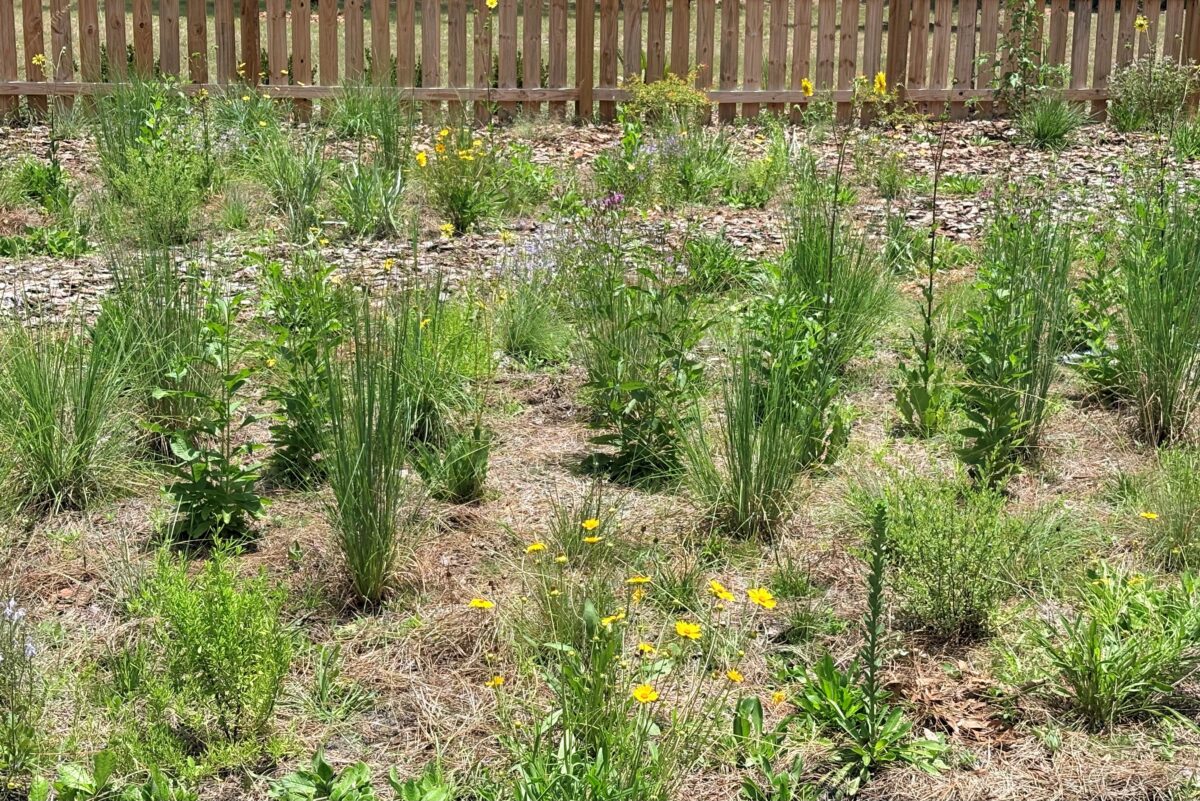
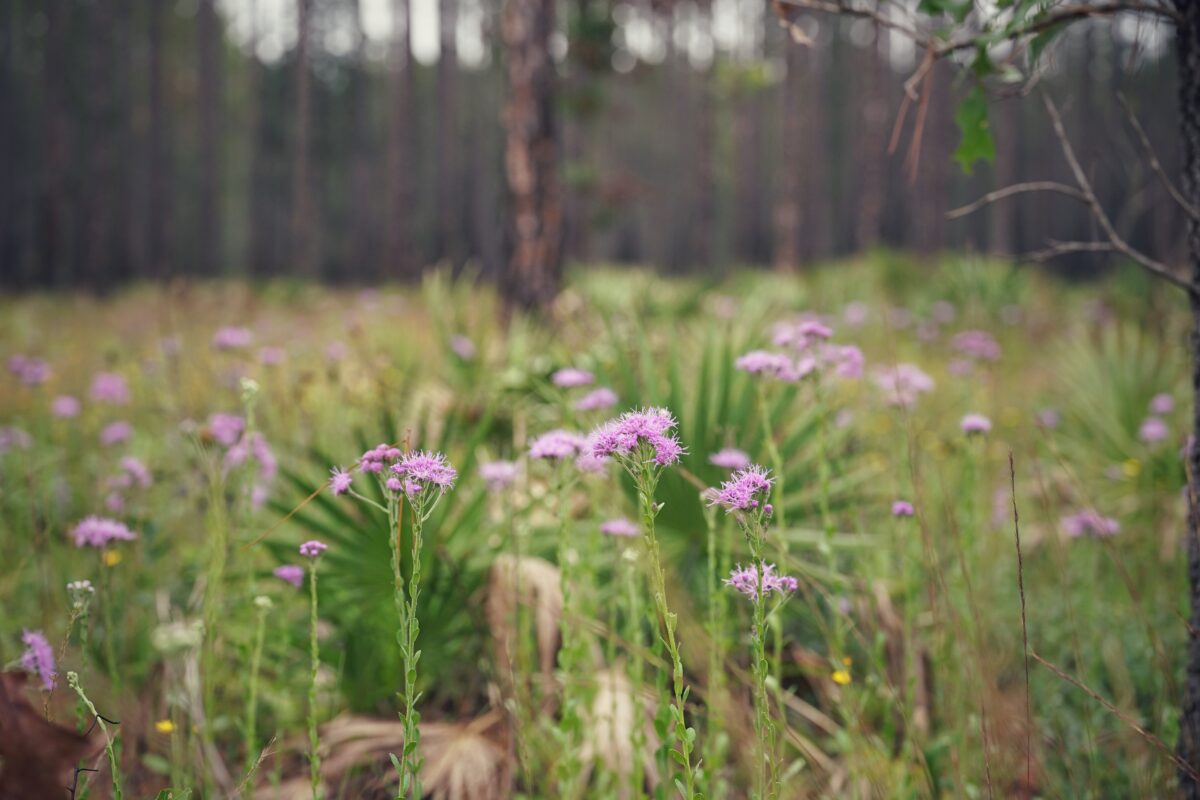
“You belong among the wildflowers” — the opening line of Tom Petty’s song “Wildflowers” inspired this Bee City pollinator garden at Tom Petty Park in northeast Gainesville. As a boy, Petty lived just blocks away from what was then known as Northeast Park. In 2019, the City of Gainesville officially renamed the park in his honor.
After more than a year of site preparation, volunteers installed approximately 250 native plants representing more than 30 species, following a design created by landscape designer Evan Galbicka of Emergent Gardens.
The Tom Petty Park pollinator garden is a collaborative effort between the City of Gainesville’s Wild Spaces & Public Places initiative, the Parks, Recreation and Cultural Affairs Department, the Urban Forestry Division, the UF/IFAS Extension Alachua County Master Gardeners, Bee City Gainesville and Galbicka. Designed to provide habitat for pollinators and a welcoming green space for the community, the garden reflects Petty’s lyric about finding “somewhere to feel free” — a place where visitors can connect with Florida’s native wildflowers and the wildlife they support.
In July 2026, the flowers are starting to bloom. Photo by Greg McGann.
The garden features Florida native wildflowers, grasses and shrubs that support butterflies, bees, birds and other wildlife, all planted by volunteers.
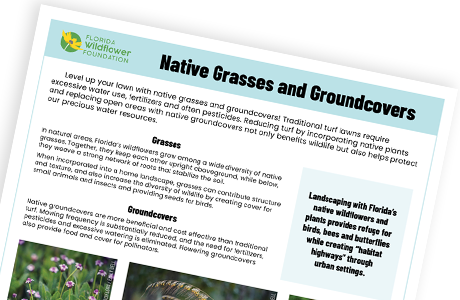
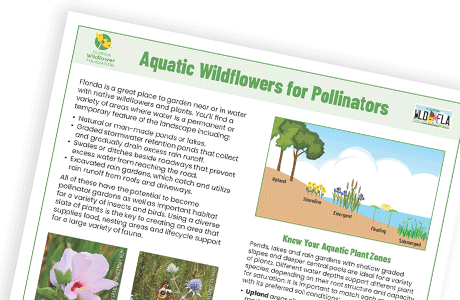
Florida native plants are adapted to thrive in our climate, conditions and soil. They need less water than other plants, and require no fertilizers, pesticides or other chemicals. This saves precious water resources and keeps excess nutrients from polluting lakes, rivers and streams.
The City of Gainesville received its Bee City USA designation in November 2022. An initiative of the Xerces Society, Bee City USA’s mission is to galvanize communities to sustain pollinators by providing them with healthy habitat, rich in a variety of native plants and free of insecticides. Pollinators like bumble bees, sweat bees, mason bees, honey bees, butterflies, moths, beetles, flies, hummingbirds, and many others are responsible for the reproduction of almost ninety percent of the world’s flowering plant species and one in every three bites of food we consume.
The Florida Wildflower Foundation protects, connects and expands native wildflower habitats through education, research, planting and conservation. Learn more at FlaWildflowers.org.
The Tom Petty Park Native Garden — Featured Plants
The following native species were planted in the Tom Petty Park native plant garden:
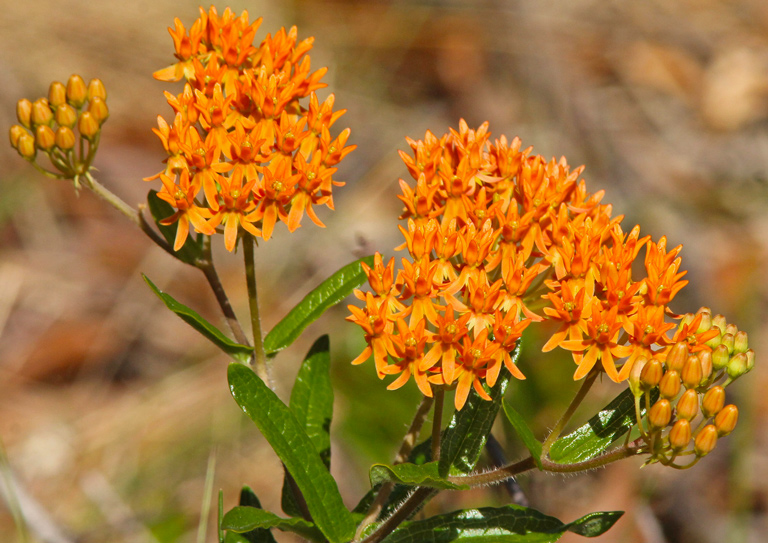
Butterfly milkweed (Asclepias tuberosa) is a perennial that produces large, showy clusters of bright orange to reddish flowers from spring through fall. It occurs naturally in sandhills, pine flatwoods, and…
Florida paintbrush (Carphephorus corymbosus) blooms from mid-summer into fall, attracting butterflies and other pollinators. It occurs naturally in sandhills, pine flatwoods, scrubby flatwoods, mesic flatwoods and ruderal areas.
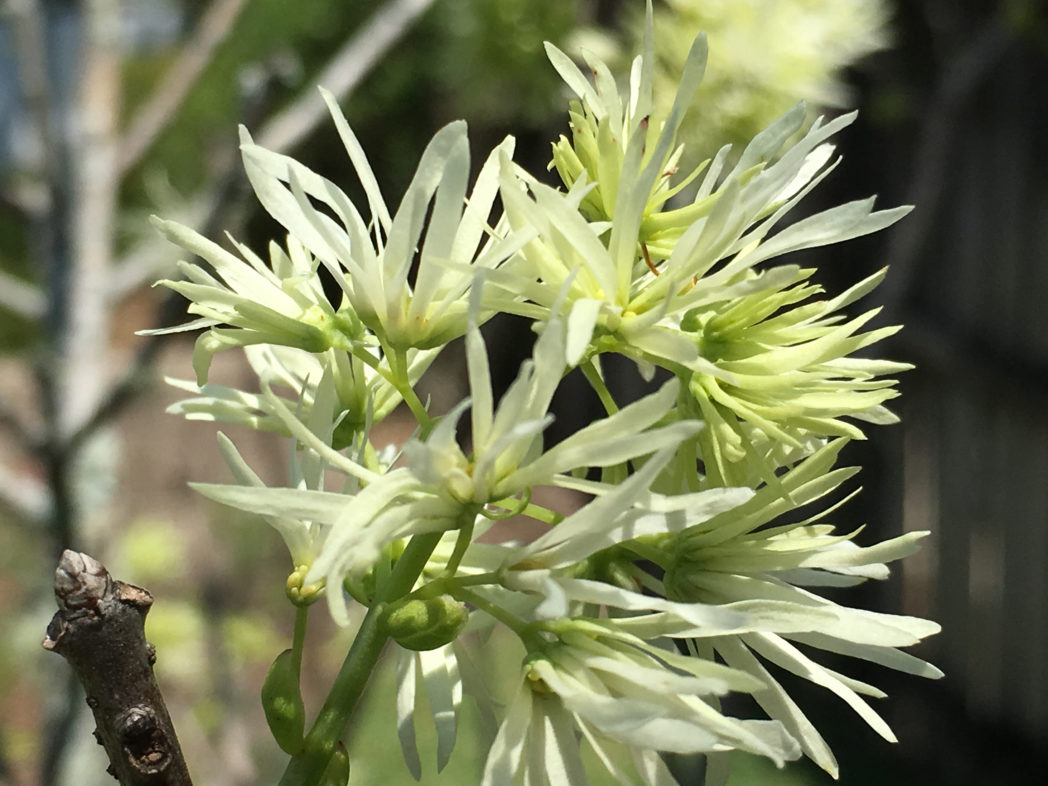
Fringetree (Chionanthus virginicus) is often overshadowed by dogwood, plum and other spring-flowering trees. But Fringetree’s graceful tassled flowers put on an equally spectacular display.
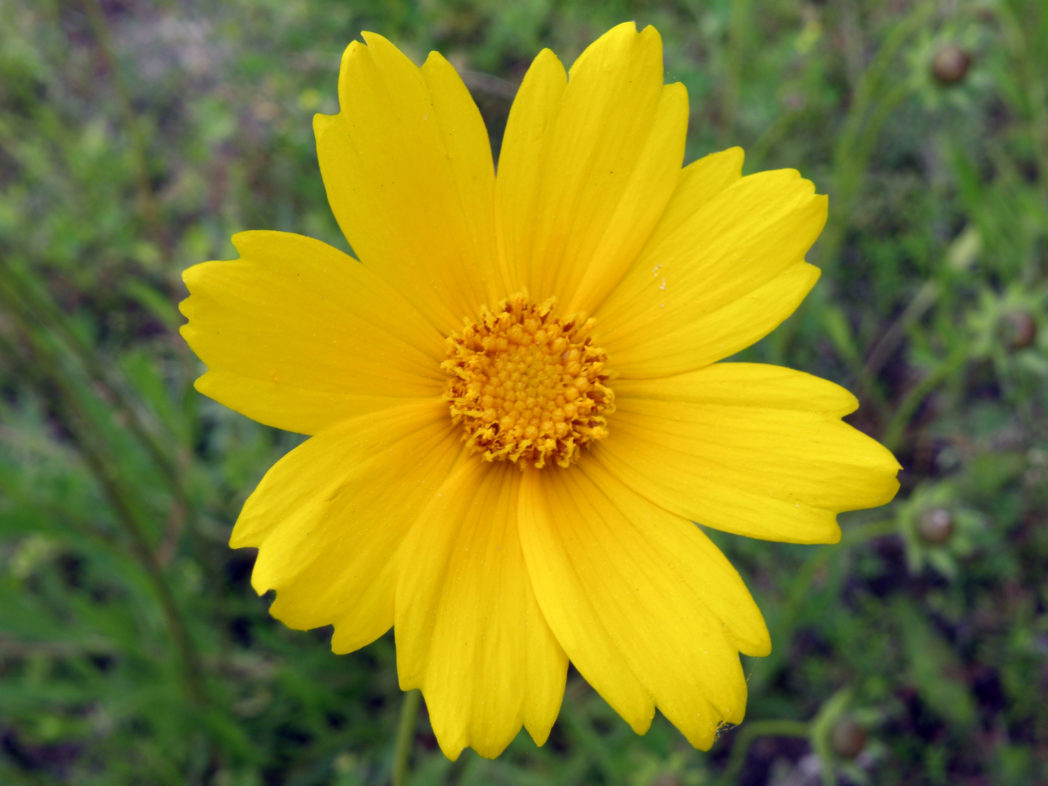
Lanceleaf tickseed (Coreopsis lanceolata ) has conspicuously sunny flowers that typically bloom in spring. It attracts butterflies and other pollinators, and its seeds are eaten by birds and small wildlife.
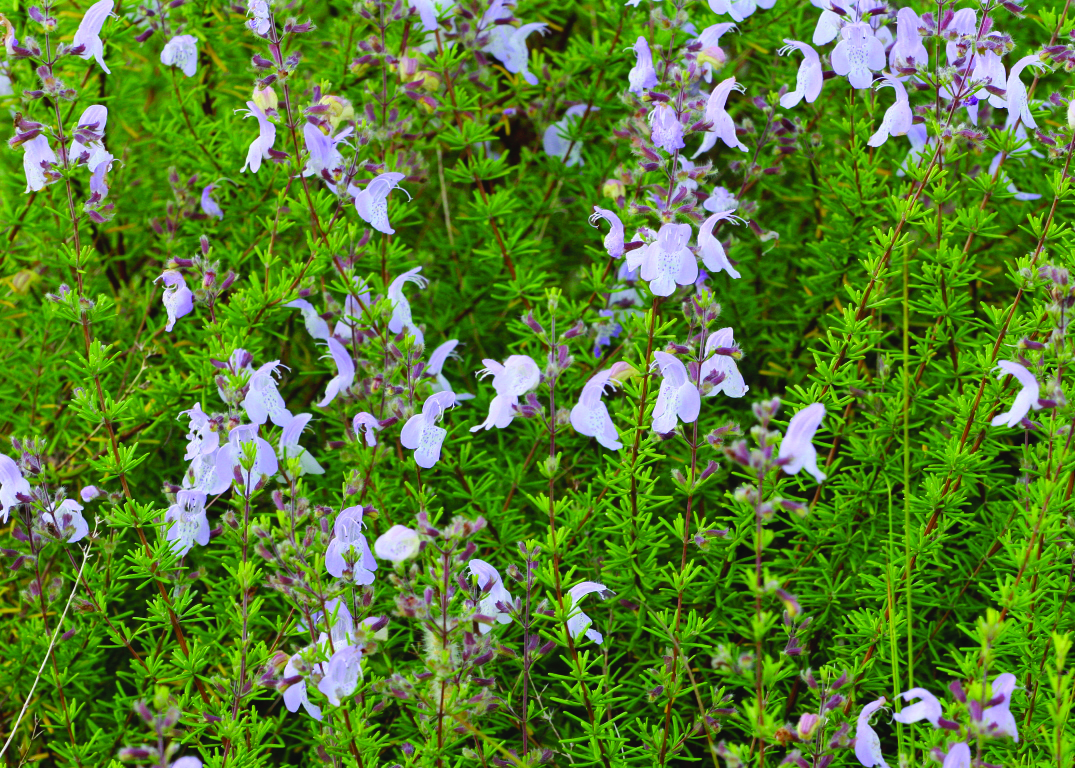
Largeflower false rosemary (Conradina grandiflora) is an endemic and state-threatened wildflower that occurs naturally in scrub habitats along the east coast of Central and South Florida.
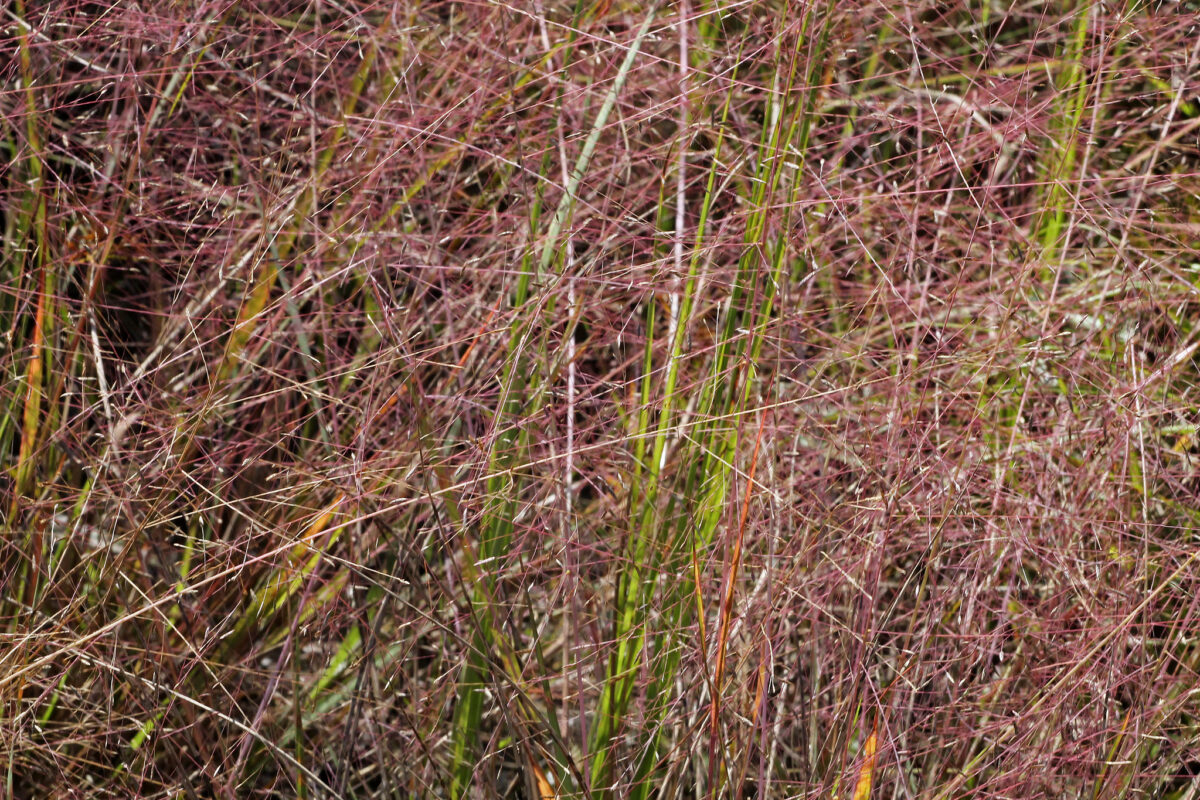
Purple lovegrass (Eragrostis spectabilis) is a perennial bunchgrass with an abundance of delicate flowers that cover the plant in a billowy purple haze.
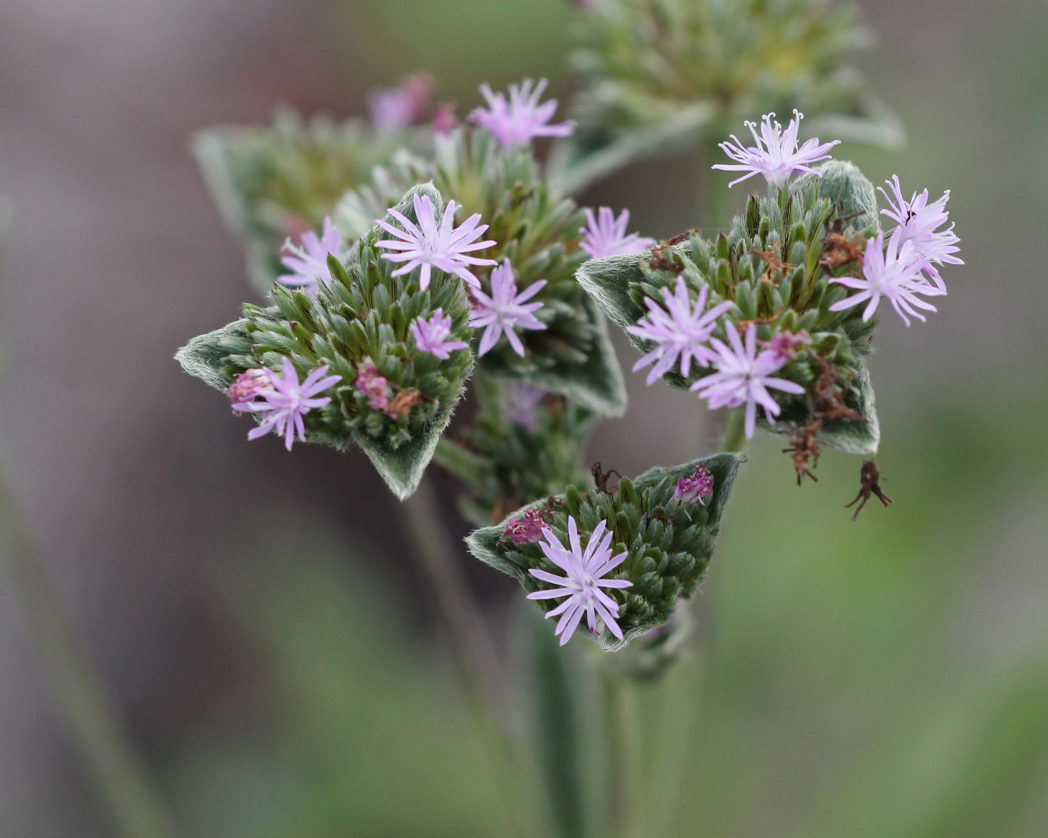
You’d probably expect an elephant-sized flower from a plant called Tall elephantsfoot (Elephantopus elatus), but it’s not the flower that gives this plant its name.
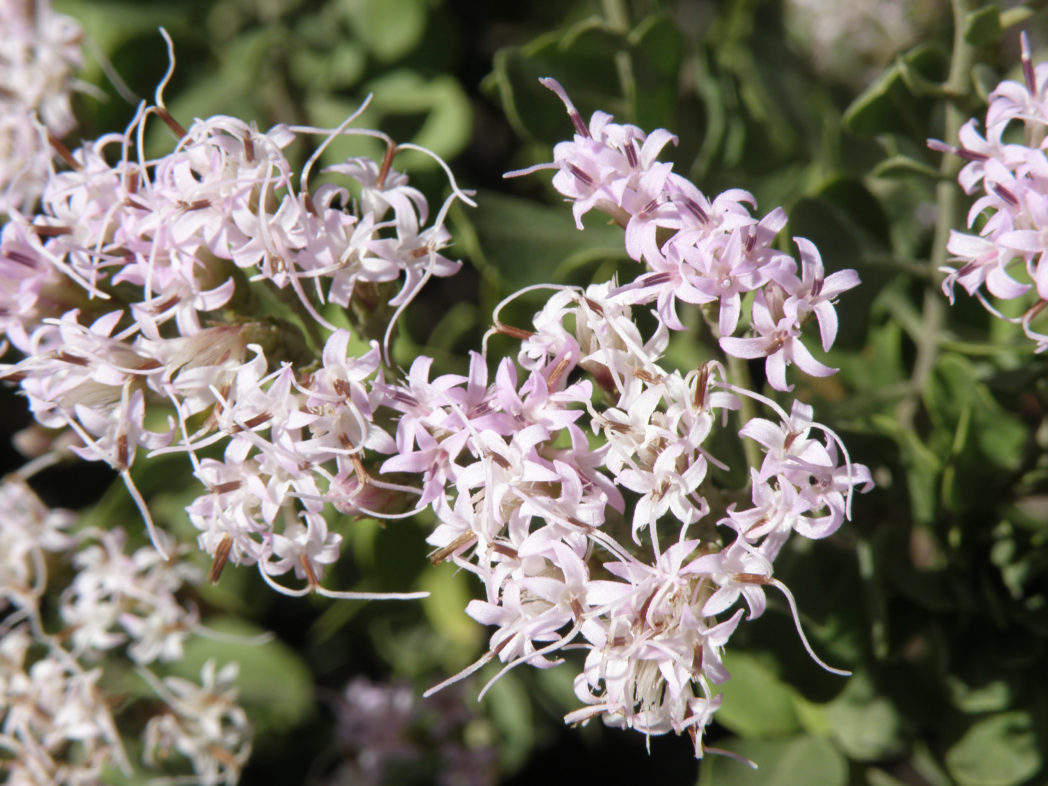
Garberia (Garberia heterophylla) is endemic to Florida’s north and central peninsula and is a state-listed threatened species. It is an excellent nectar source for many butterflies and bees.
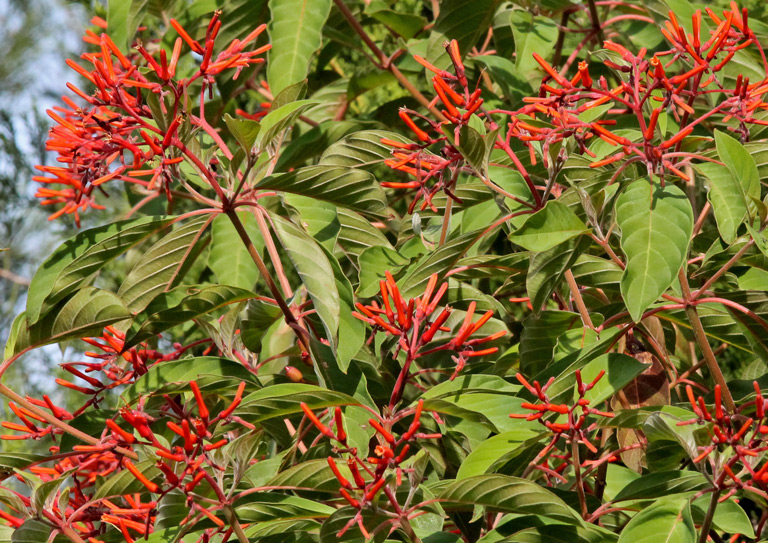
Firebush (Hamelia patens var. patens) is a hardy shrub to small tree. It produces clusters of bright orange to red tubular flowers that are filled with nectar, attracting butterflies and…
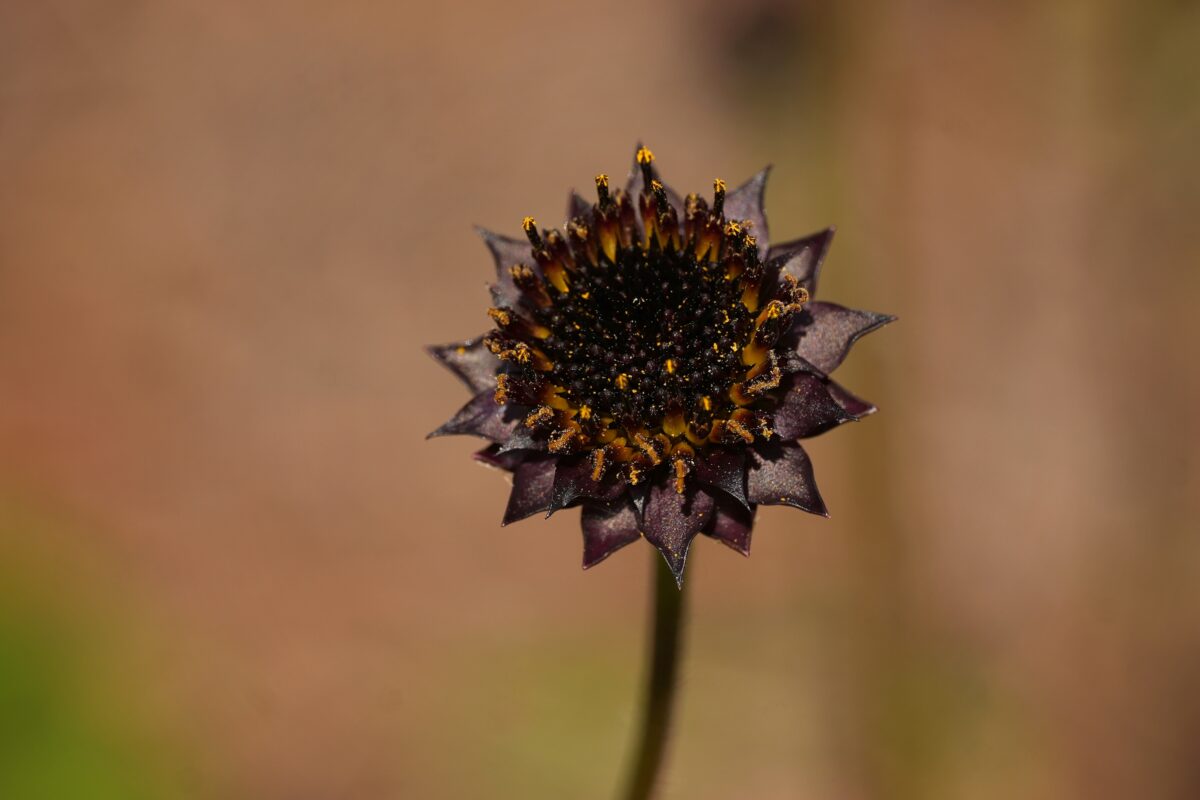
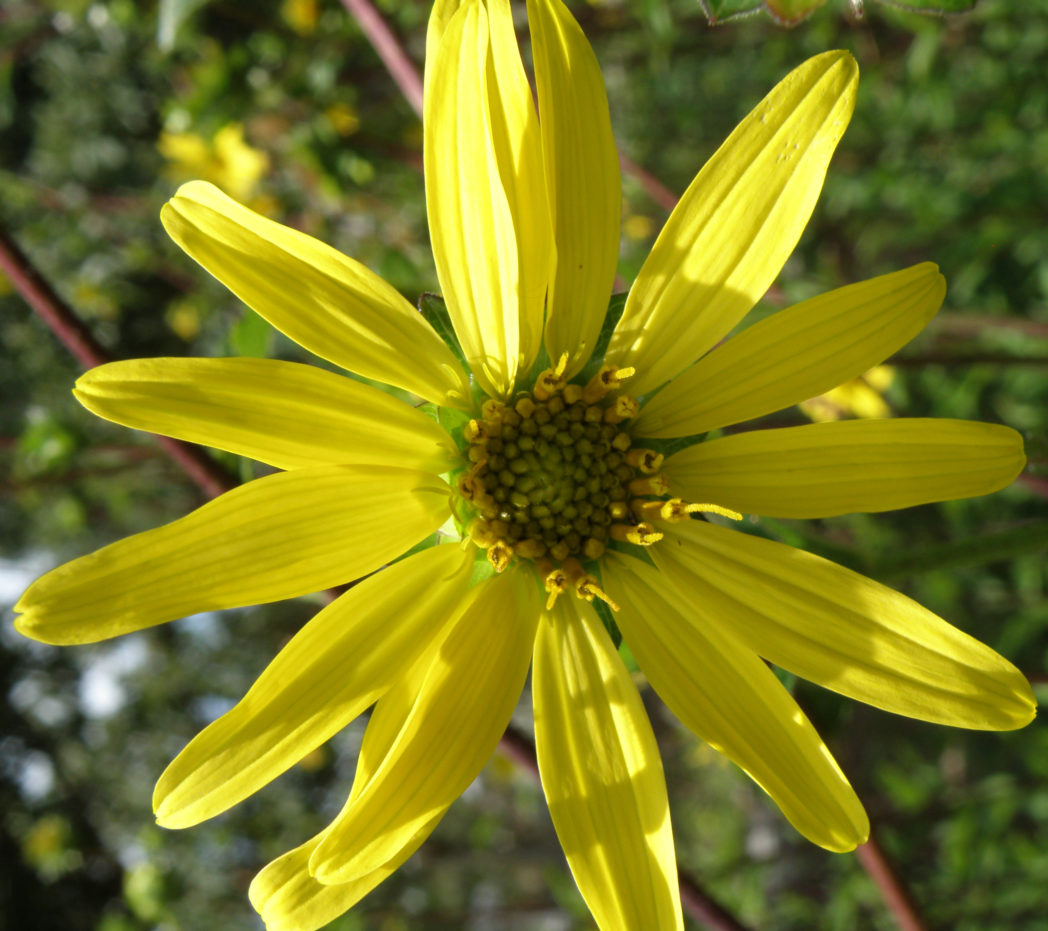
Rayless sunflower (Helianthus radula) is a unique member of the Helianthus genus—its ray florets are almost entirely absent. It blooms late spring through fall and attracts a variety of pollinators.
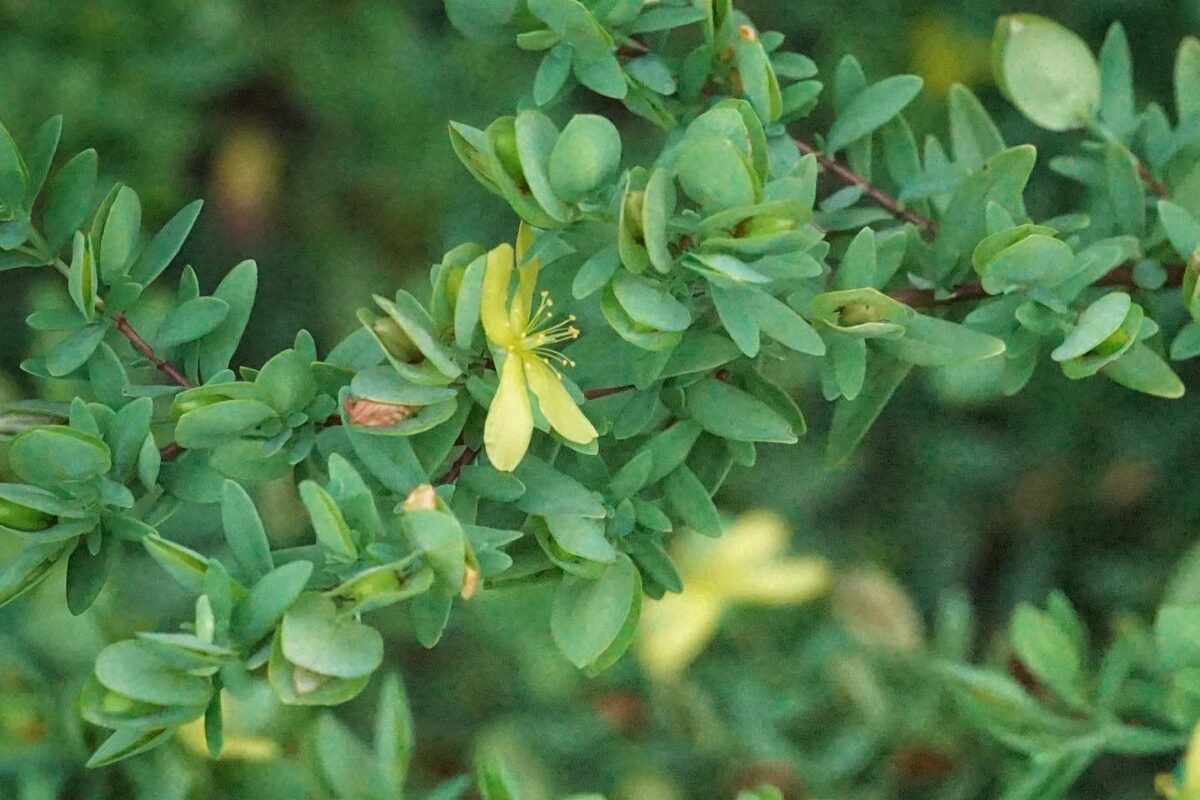
St. Andrew’s cross Hypericum St. Andrew’s cross ( Hypericum hypericoides) is found in wet pine flatwoods, calcareous hammocks, floodplain forests and mixed woodlands throughout Florida. Bees and butterflies love its…
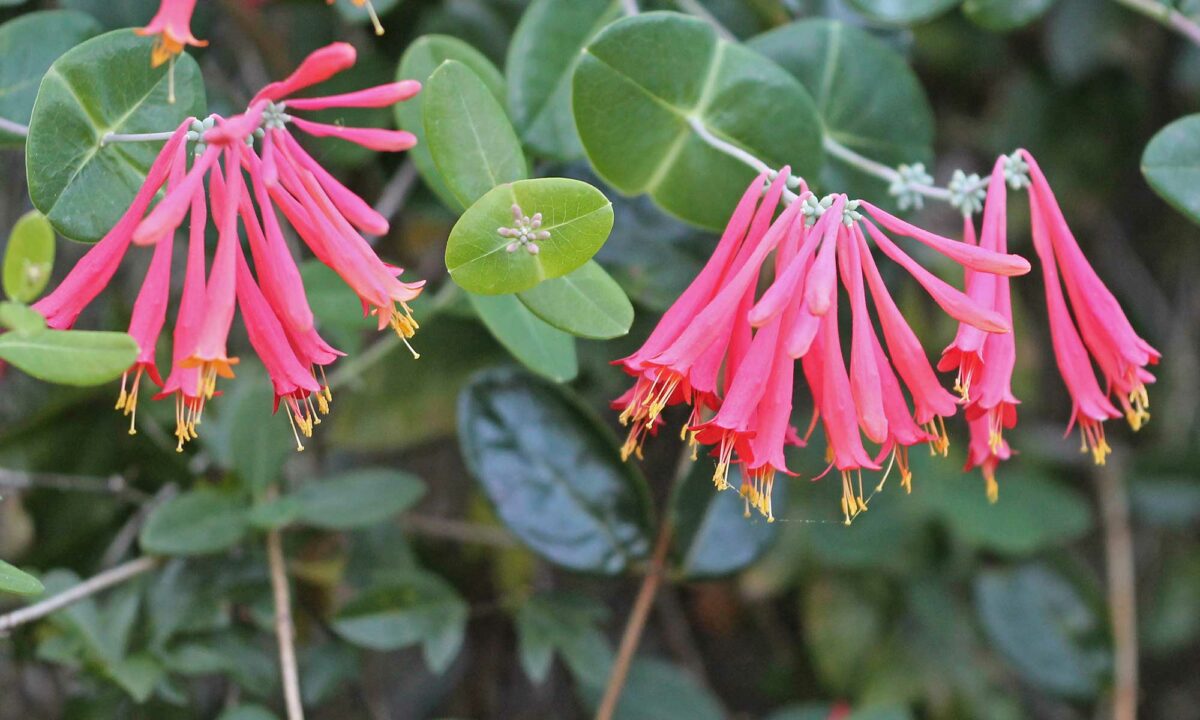
Coral honeysuckle (Lonicera sempervirens) flowers are attractive to many butterflies, and hummingbirds find them irresistible. Birds such as Northern cardinals enjoy the bright red berries.
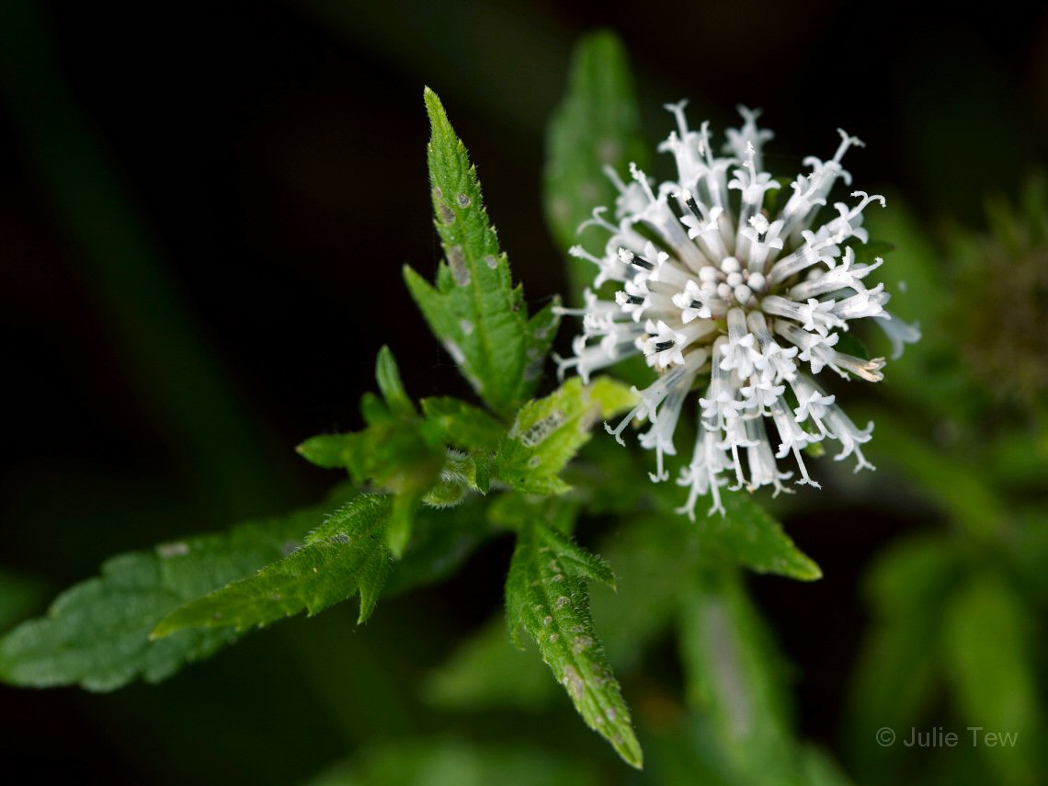
Also known as Cat’s tongue, Salt and pepper and Nonpareil, Snow squarestem (Melanthera nivea) typically blooms summer through early winter, but can bloom year-round, attracting bees, butterflies and other pollinators.
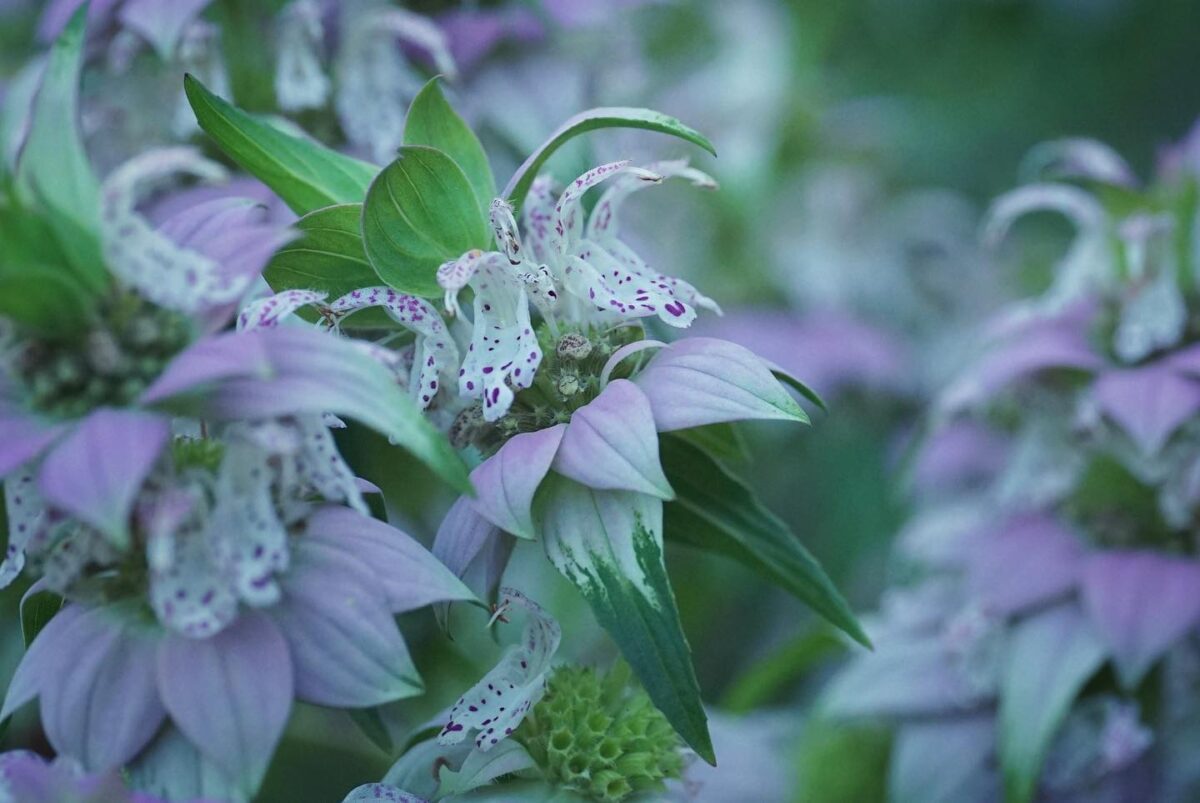
Spotted beebalm (Monarda punctata) is a robust, aromatic wildflower known to attract a huge variety of pollinating insects, including bees, wasps and butterflies. It blooms from early summer through fall.
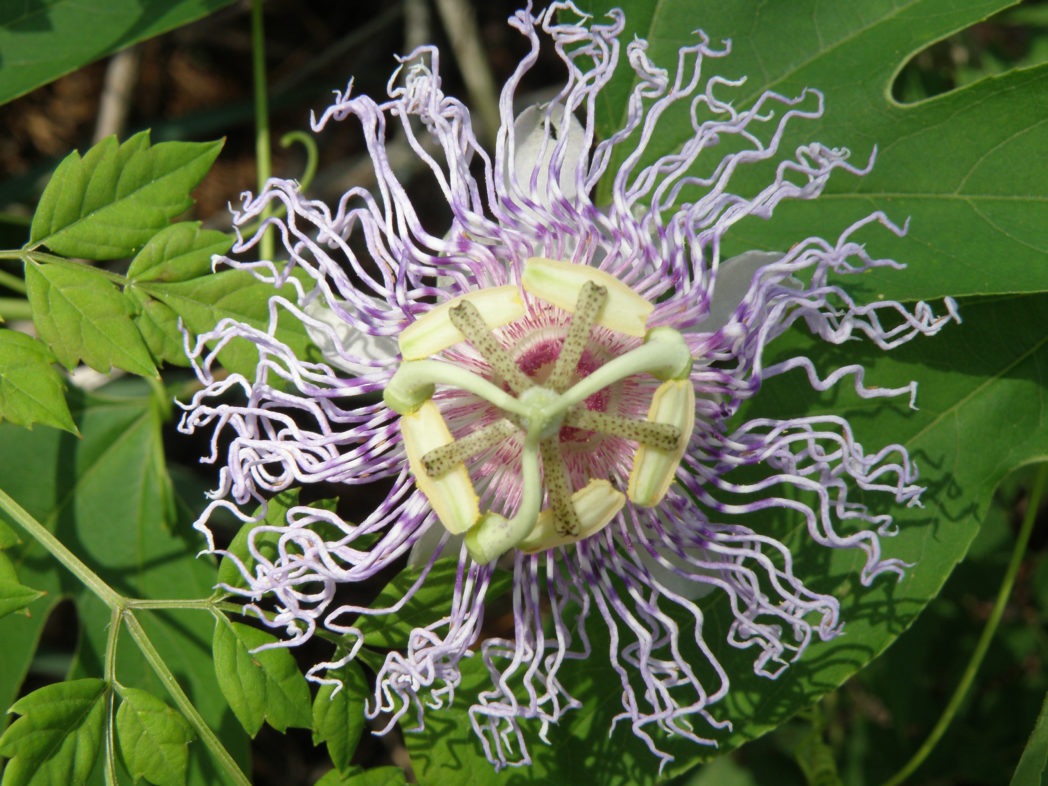
Purple passionflower (Passiflora incarnata) has extraordinarily intricate purple-and-white-fringed flowers. The plant is the larval host plant of several butterflies including the Gulf fritillary and Zebra longwing.
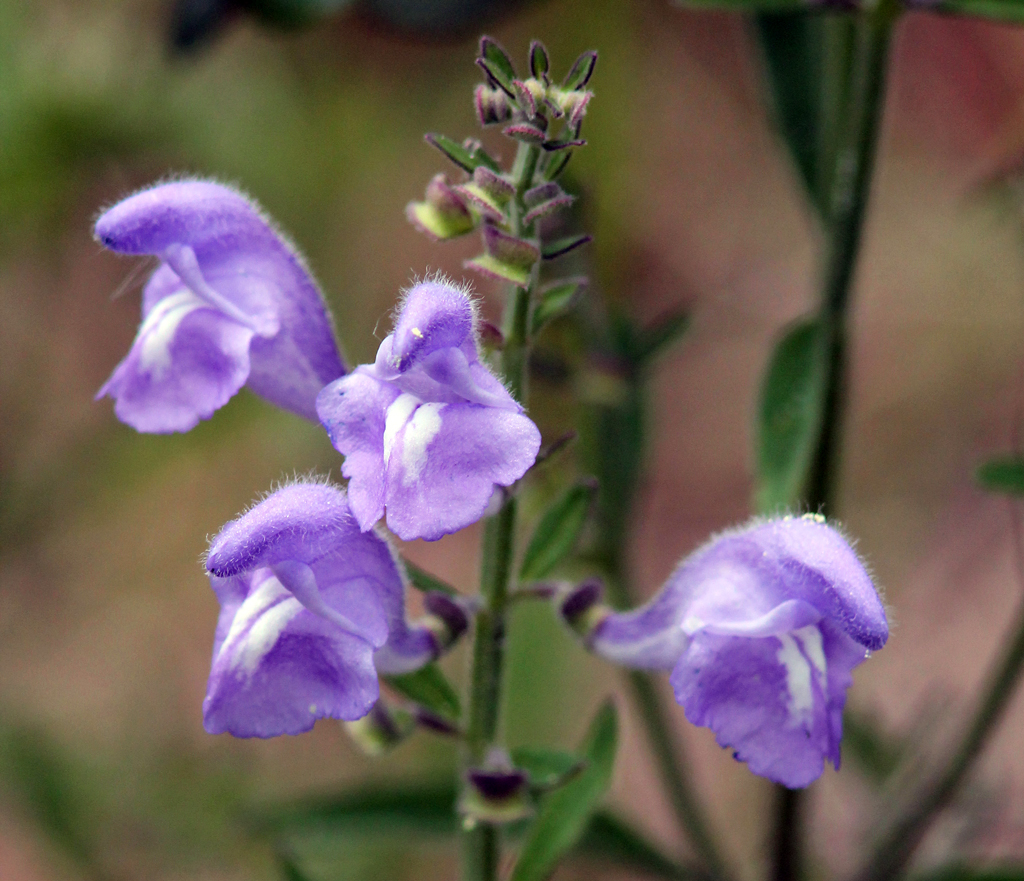
Helmet skullcap (Scutellaria integrifolia) typically blooms in late spring and summer, attracting a wide range of bees, including leafcutter, cuckoo and bumble bees.
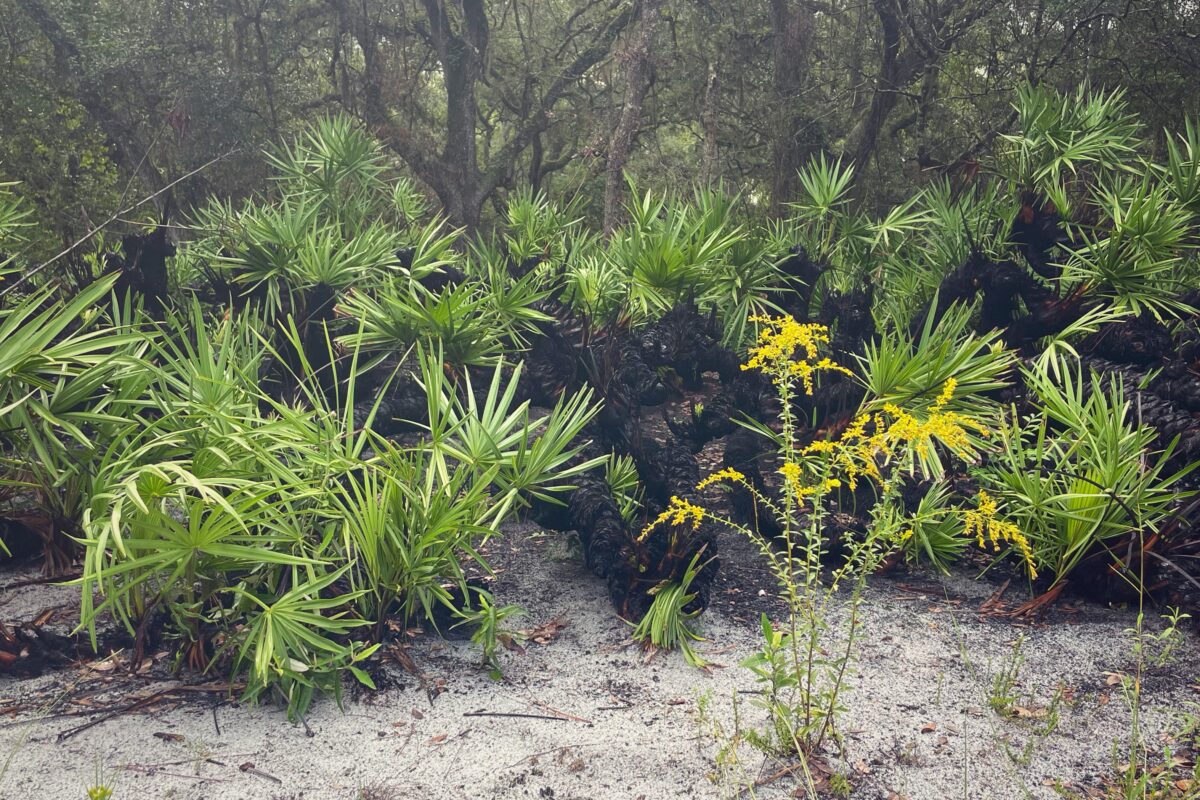
Saw palmetto (Serenoa repens) is an evergreen shrub found in scrub, pinelands, coastal hammocks, and dunes throughout Florida. Dr. Mark Deyrup of Archbold Biological Station calls it the “most amazing…
Starry rosinweed (Silphium asteriscus) is a robust perennial with showy yellow blooms. It occurs naturally in flatwoods, sandy pinelands and disturbed areas and attracts a variety of pollinators.
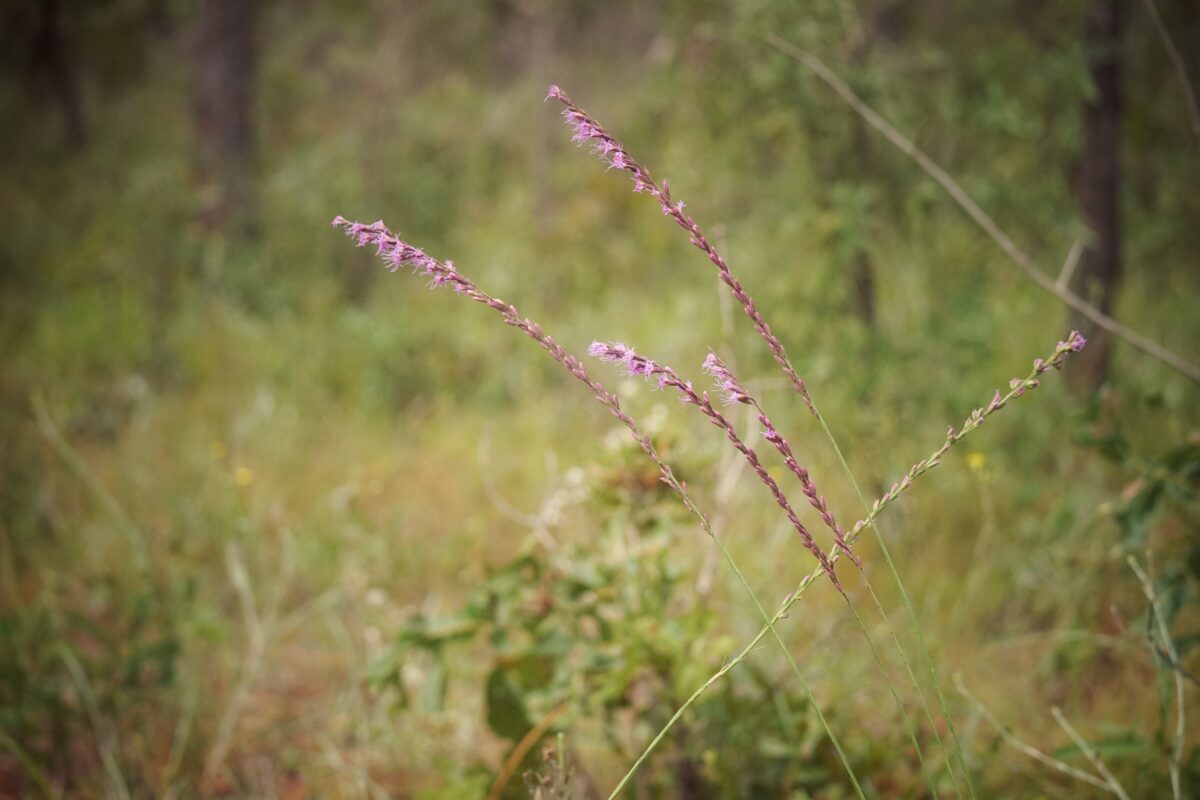
Shortleaf blazing star (Liatris tenuifolia) is endemic to the Southeastern Coastal Plain and thrives in the dry, well-drained sands of Florida’s scrub and pine flatwoods. The beautiful lavender fall blooms…
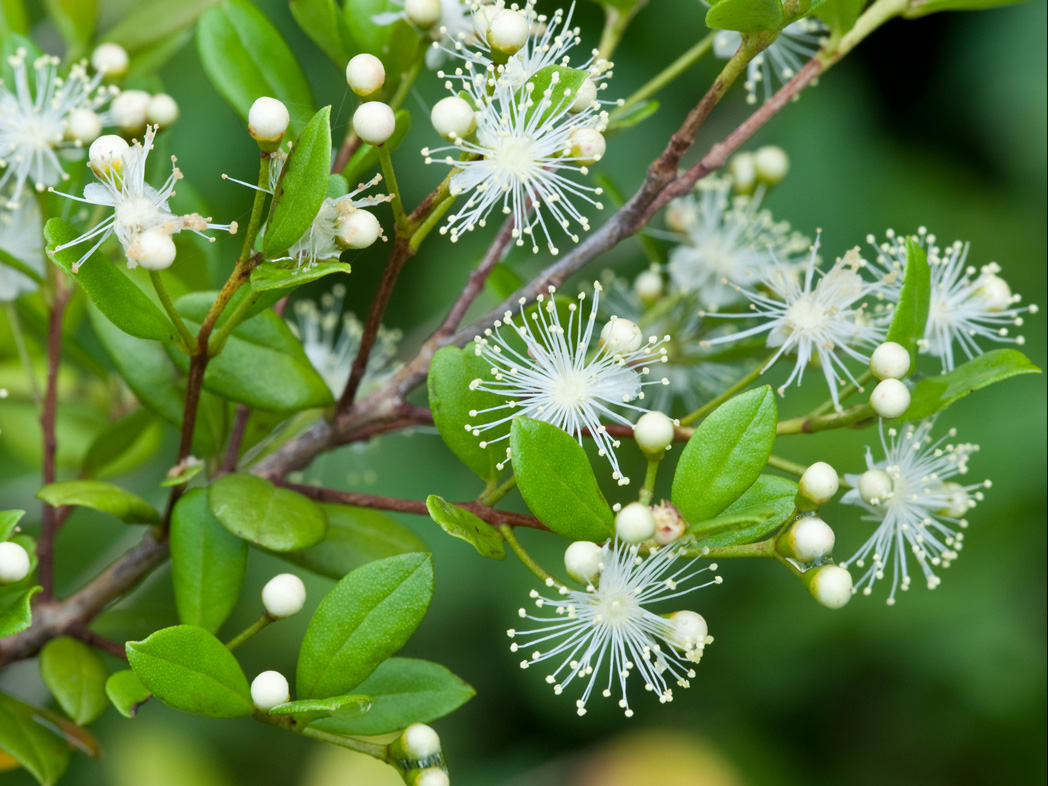
Simpson’s stopper (Myrcianthes fragrans) has year-round blooms that attract a variety of butterflies and bees; its fruit provides food for many bird species.
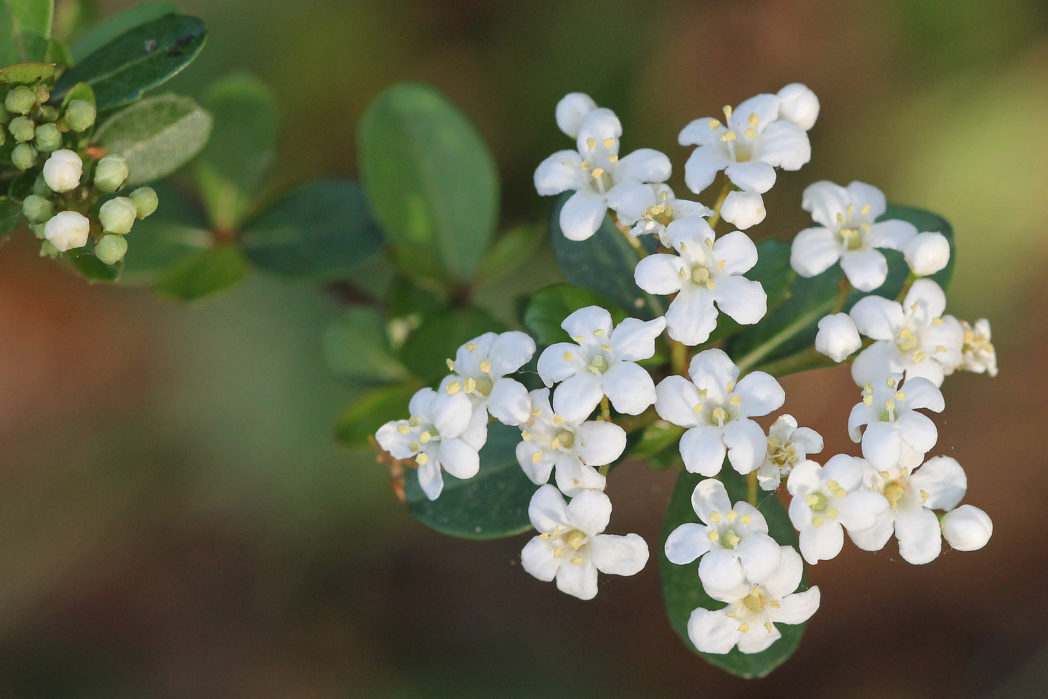
Walter’s viburnum (Viburnum obovatum) has showy spring flowers that pollinators love, and produce abundant fruit in summer and fall on which birds and other wildlife feast.
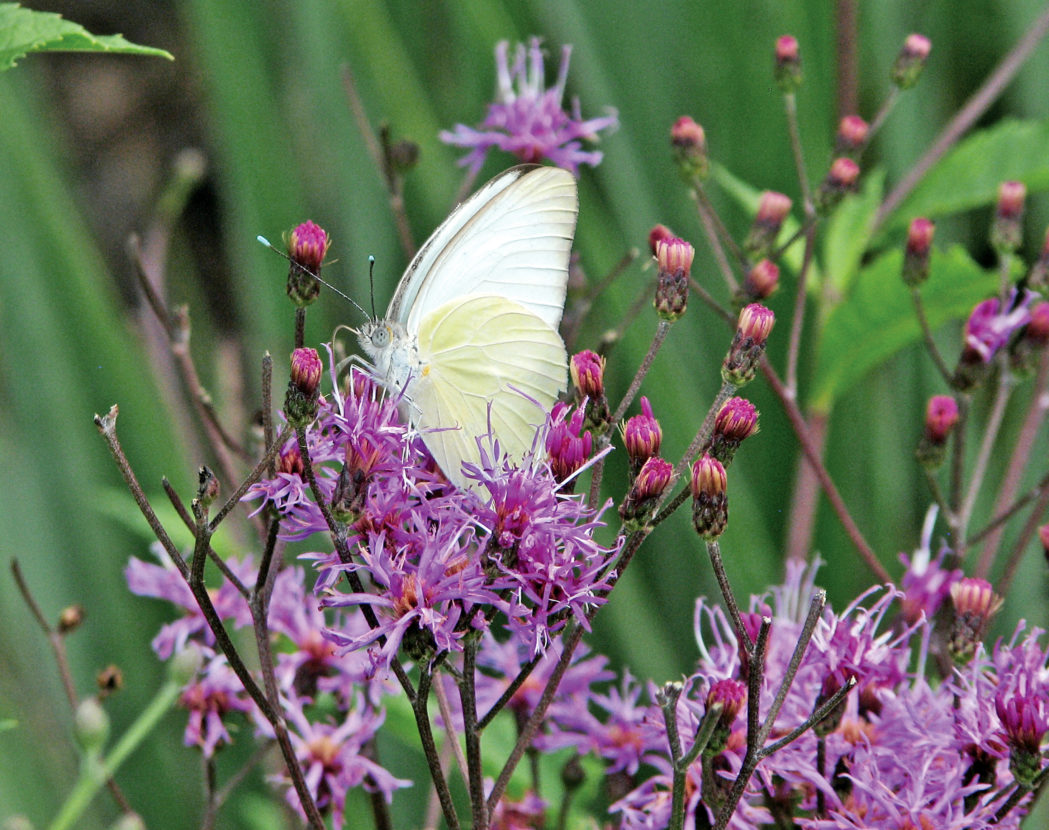
Giant ironweed (Vernonia gigantea) is a robust perennial wildflower that blooms in summer and fall, attracting a variety of pollinators, especially butterflies.
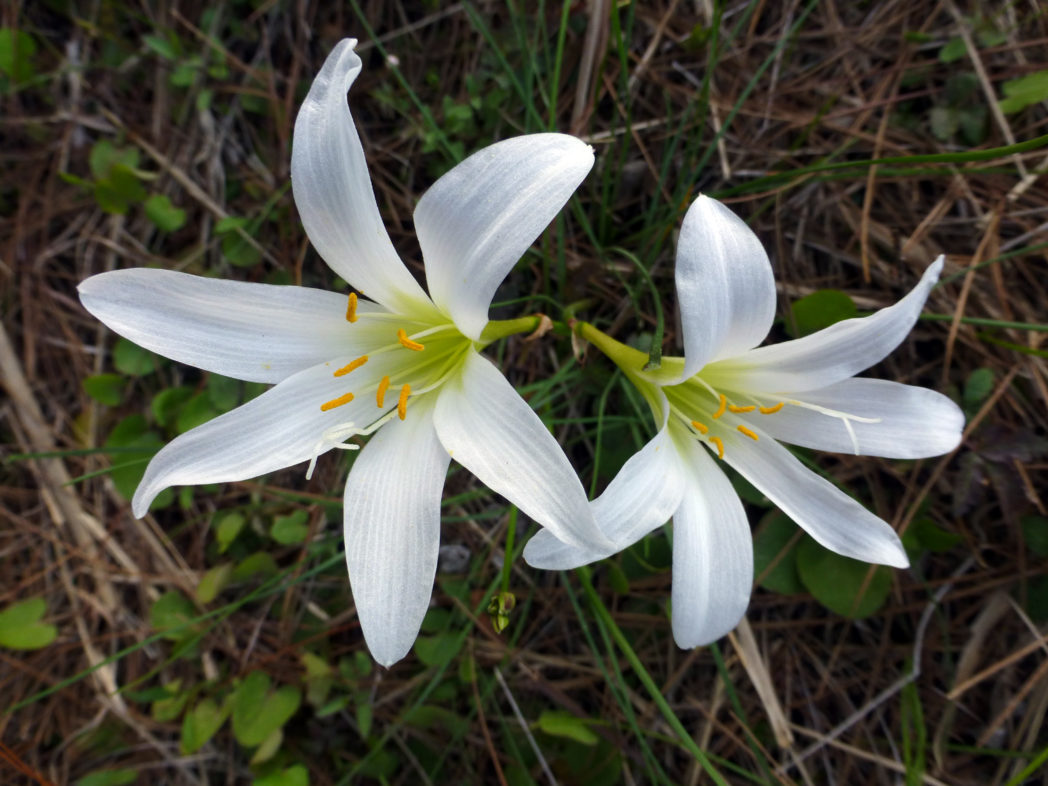
Rain lily (Zephyranthes atamasca) is a short-lived perennial wildflower that blooms late winter through early summer. Its showy, solitary flowers are white,sometimes tinged with pink).
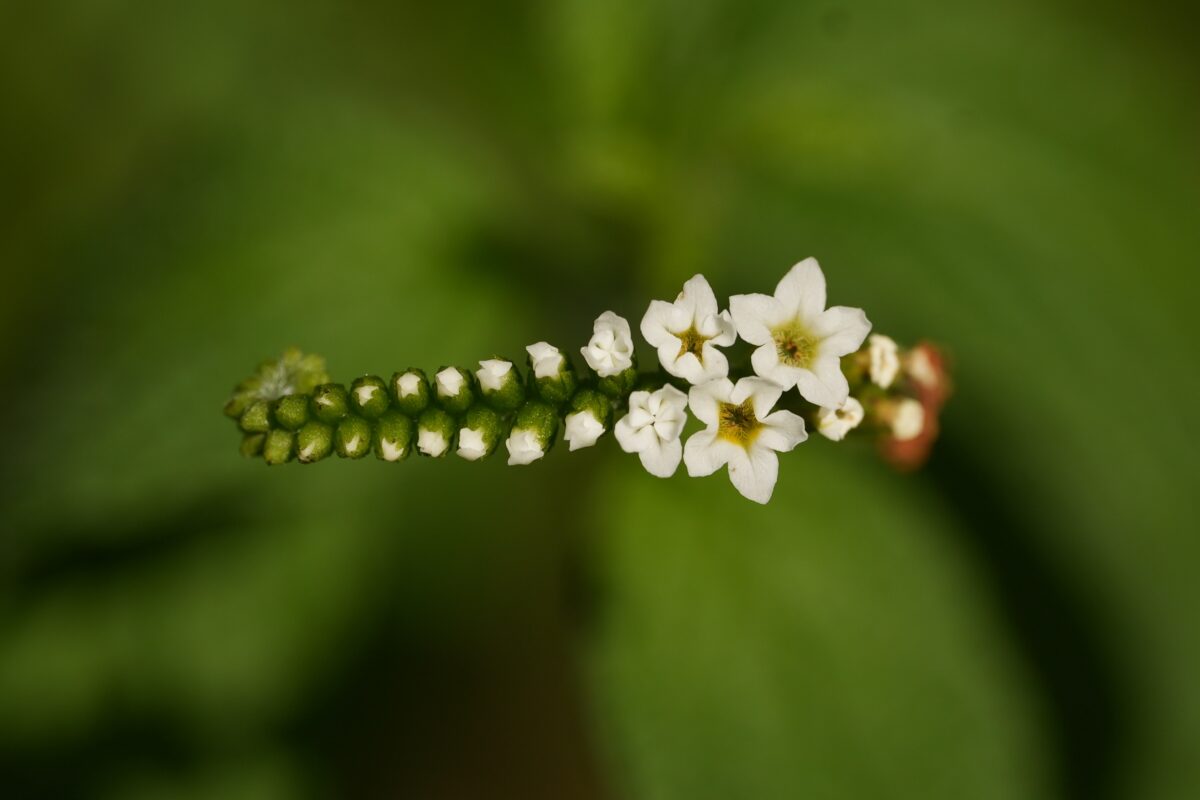
Scorpionstail (Heliotropium angiospermum) is a shrub-like plant with unique white flowers that bloom year-round. Its nectar attracts a variety of butterflies including the Miami blue and Schaus’ swallowtail.
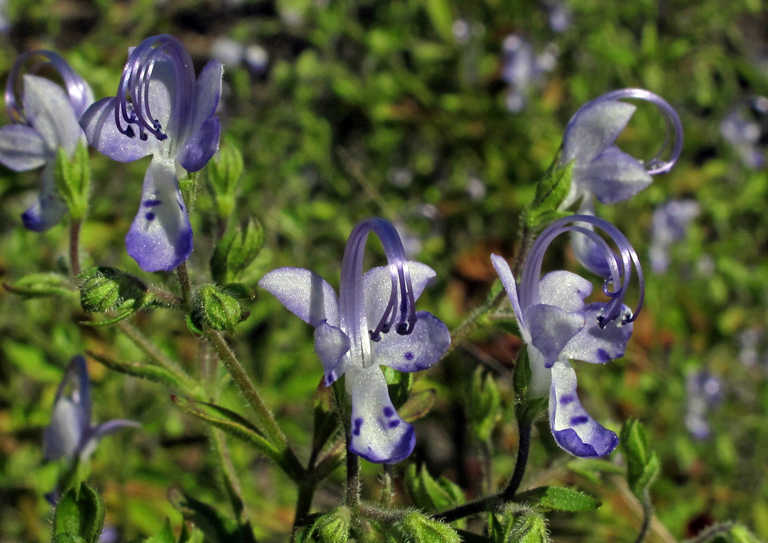
Forked bluecurls (Trichostema dichotomum ) have dainty yet distinctive bluish-purple flowers. They are short-lived, opening only in the morning, but individual plants may produce thousands of flowers throughout a season…
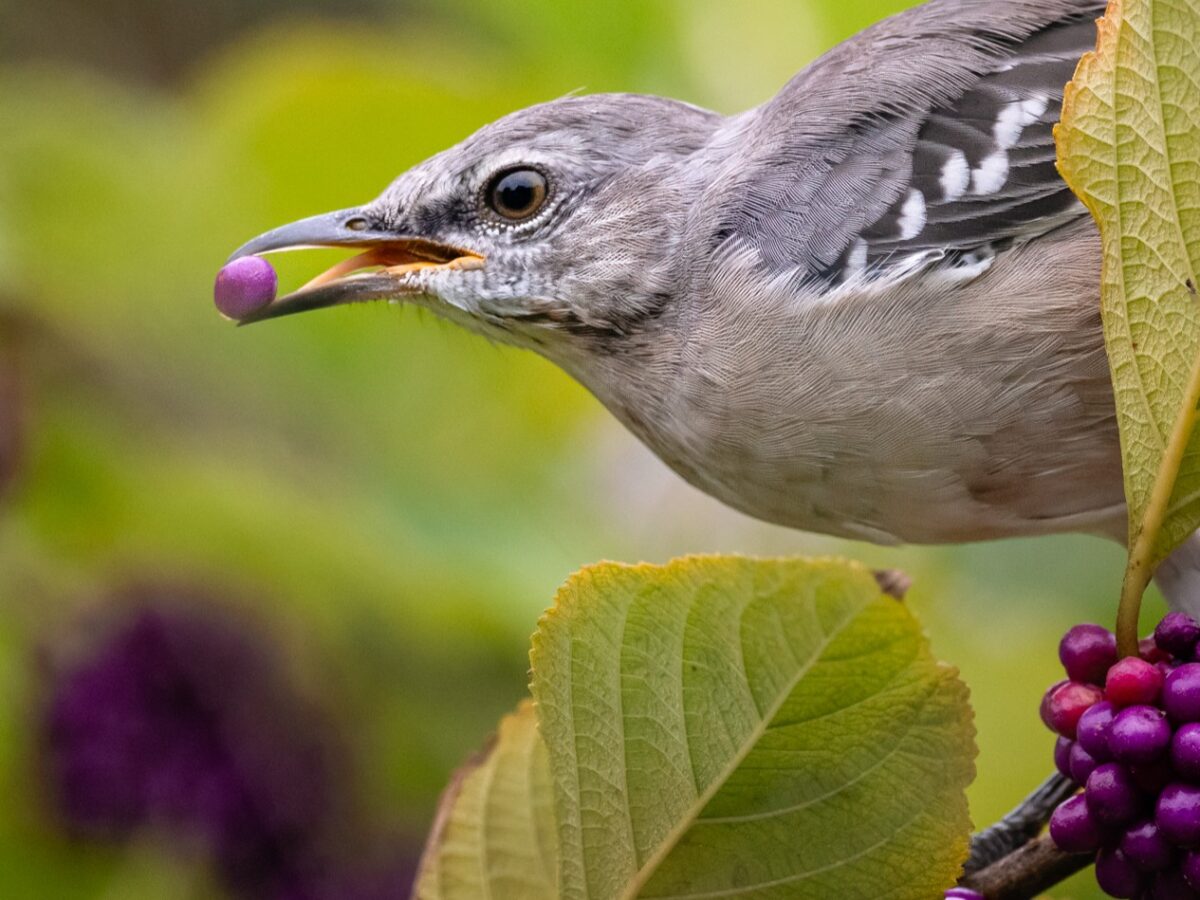
American beautyberry (Callicarpa americana) is a woody shrub found in pinelands and hammocks throughout Florida. Its flowers are a nectar source for pollinators, while the numerous berries provide food for…
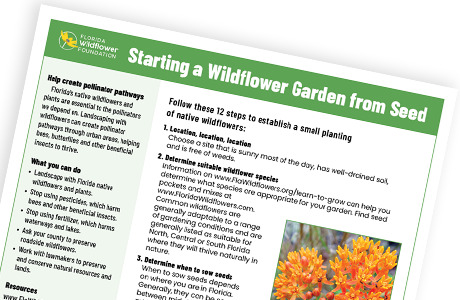
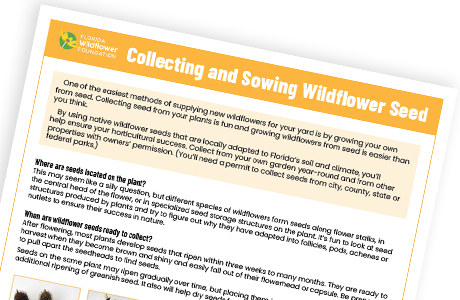
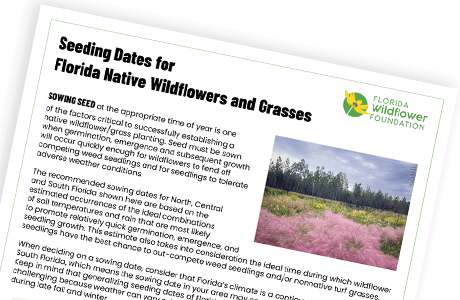
Help Florida’s wildlife and environment by using native wildflowers and plants in your landscape. Click here to learn more information on planting, selecting and maintaining native plants, or check out these resources: