Search Results for: asclepias

  • Fall 2018 Panhandle Wildflower Alliance Newsletter

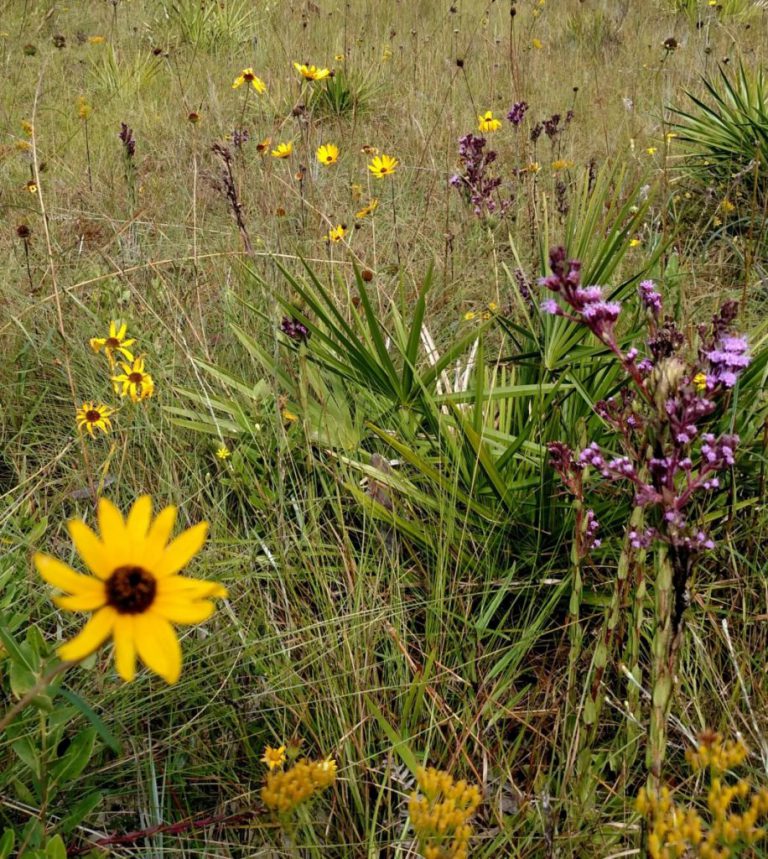
    The Fall 2018 Panhandle Wildflower Alliance newsletter features news about life after Hurricane Michael, State Road 65 wildflowers, and Santa Rosa County’s wildflower program and extension garden, as well as a call for volunteers for a planting project.
  • Saving Roadside Plants Works!

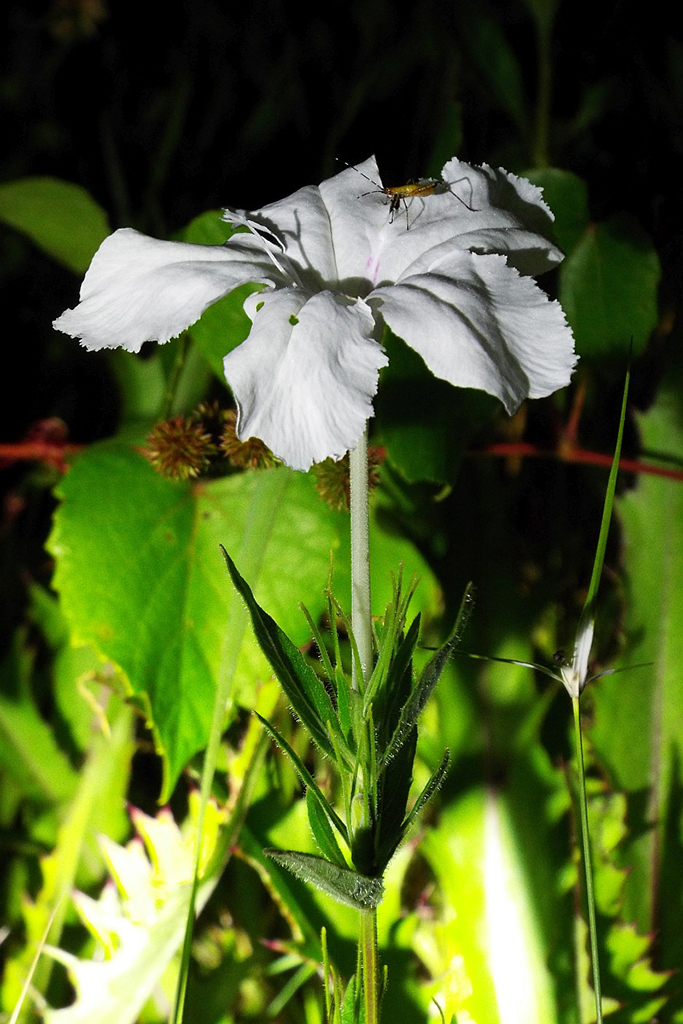
    When Scott Davis found a large population of the state-listed endangered Night-blooming petunia (Ruellia noctiflora) growing along US 98, he asked the Florida Department of Transportation (FDOT) to declare it a protected wildflower area. FDOT did.

  • Celebrate native bees and other pollinators

    Do you enjoy juicy watermelons, local blueberries and strawberries and fresh Florida orange juice? How about carrots, broccoli, almonds and apples? If you do, please thank an insect.

  • Florida milkvine

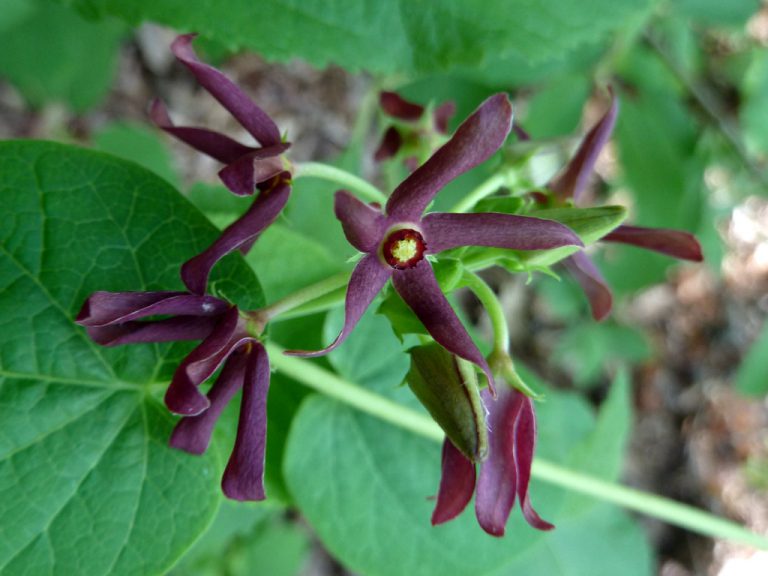
    Florida milkvine (Matelea floridana) is a deciduous twining vine that occurs naturally in sandhills, woodlands and other open habitats. Its small flowers bloom in late spring and summer.

  • Silver-spotted skipper

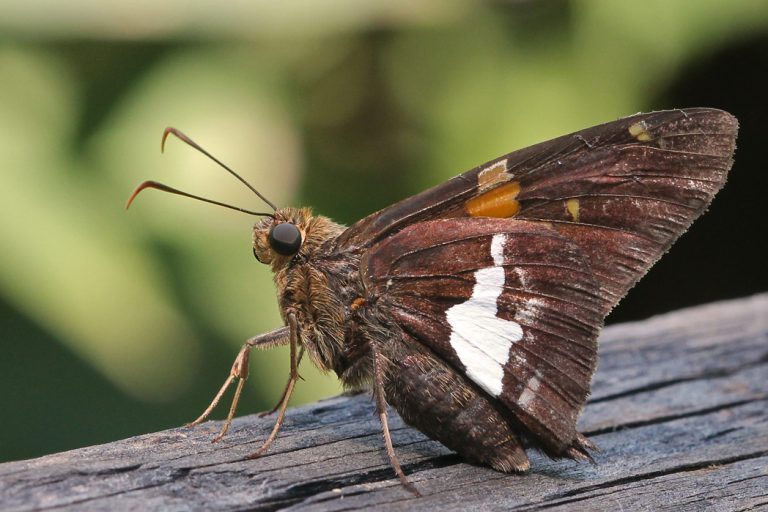
    You might find one of these creatures hanging upside-down, but it’s not a bat (or a vampire). It’s a Silver-spotted skipper!

  • Member profile: Jeff Weber

    Get to know Florida Wildflower Foundation member Jeff Weber. Jeff is dedicated to protecting and restoring Florida’s natural ecology in his free time and in his as an environmental specialist with Sarasota County Parks.

  • Fall news from PWA counties

    The Panhandle Wildflower Alliance’s Fall 2020 newsletter features updates about new wildflower programs, where to see wildflowers in bloom, and much more.

  • Leafless swallowwort

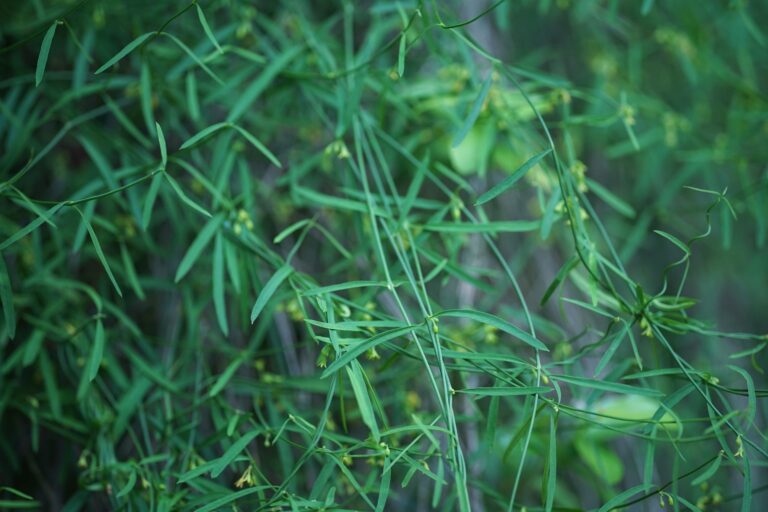
    Leafless swallowwort is a strange little flowering vine that occurs along the edges of upland to coastal hammocks and floodplain to pineland forests. It is the sole larval host for the Giant milkweed bug (Sephina gundlachi).

  • Longwood Native Plant Garden

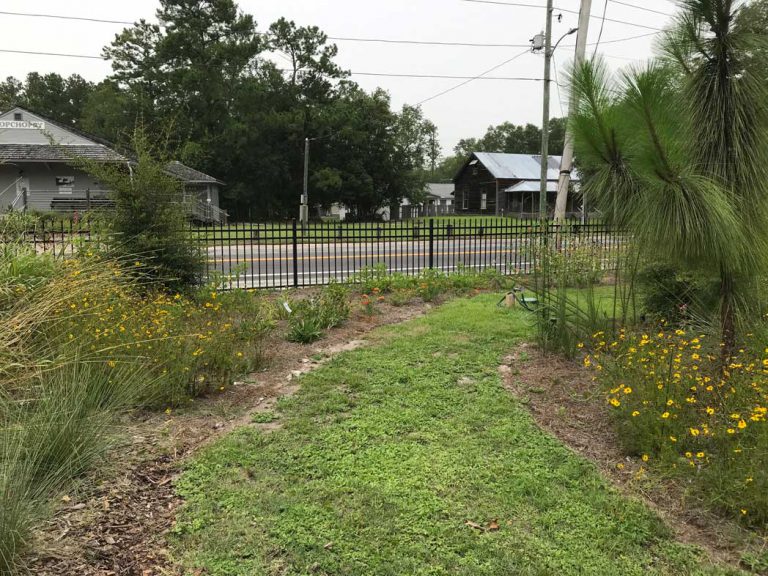
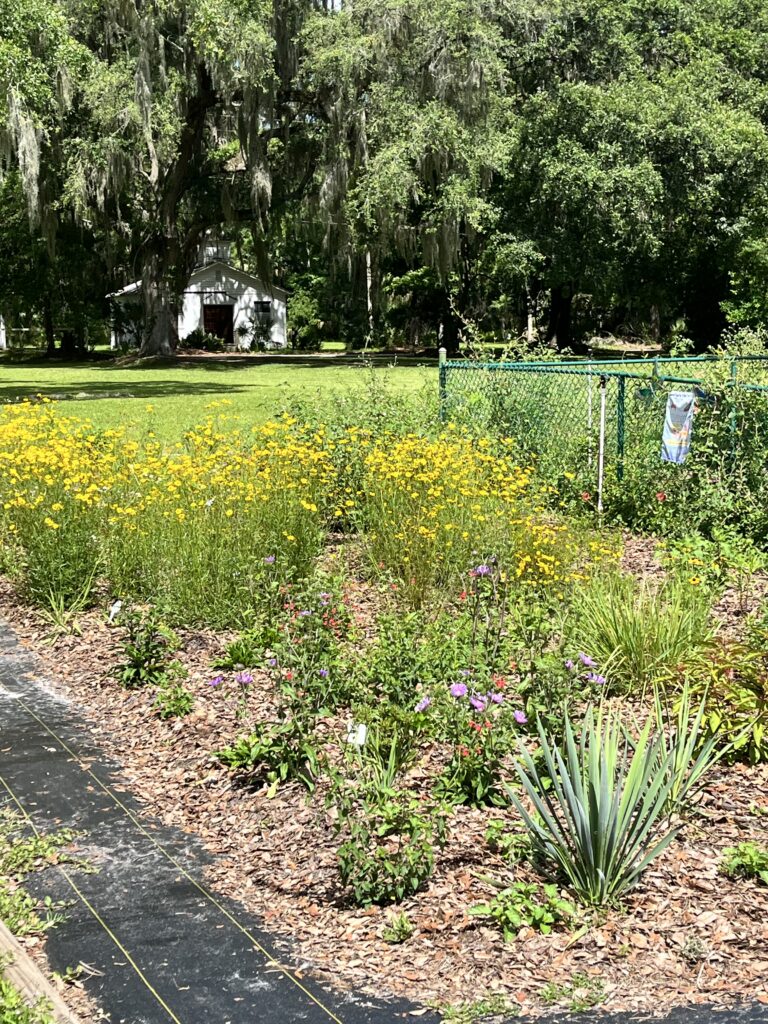
    The Longwood native plant garden utilizes Florida native wildflowers, grasses and shrubs that provide vital habitat for bees, butterflies and other beneficial insects, as well as seeds, berries and insects for birds.