Great purple hairstreak
The Great purple hairstreak is a relatively large butterfly that can often be found in oak hammocks. Oddly, Great purple hairstreaks can be identified by the iridescent blue, not purple, on the upper side of their wings.

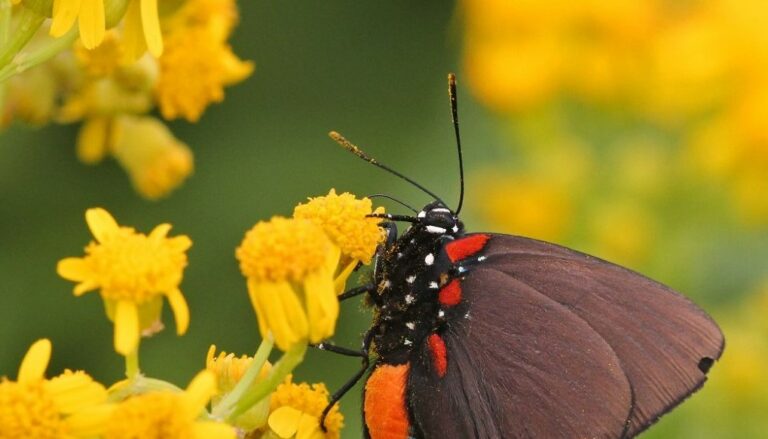
The Great purple hairstreak is a relatively large butterfly that can often be found in oak hammocks. Oddly, Great purple hairstreaks can be identified by the iridescent blue, not purple, on the upper side of their wings.
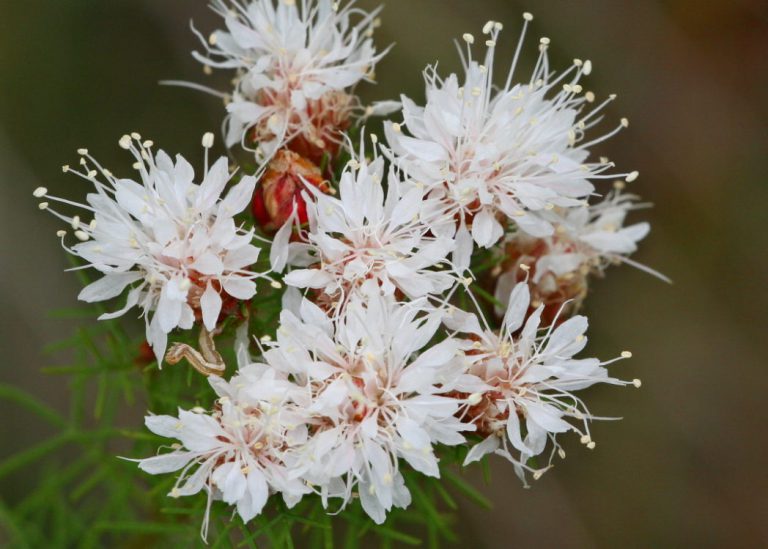
This bloom report is from fall 2019. Because much of Florida experienced a prolonged hot, dry spell in September, the best show is expected to be in south Central Florida and southward, which received more rain.
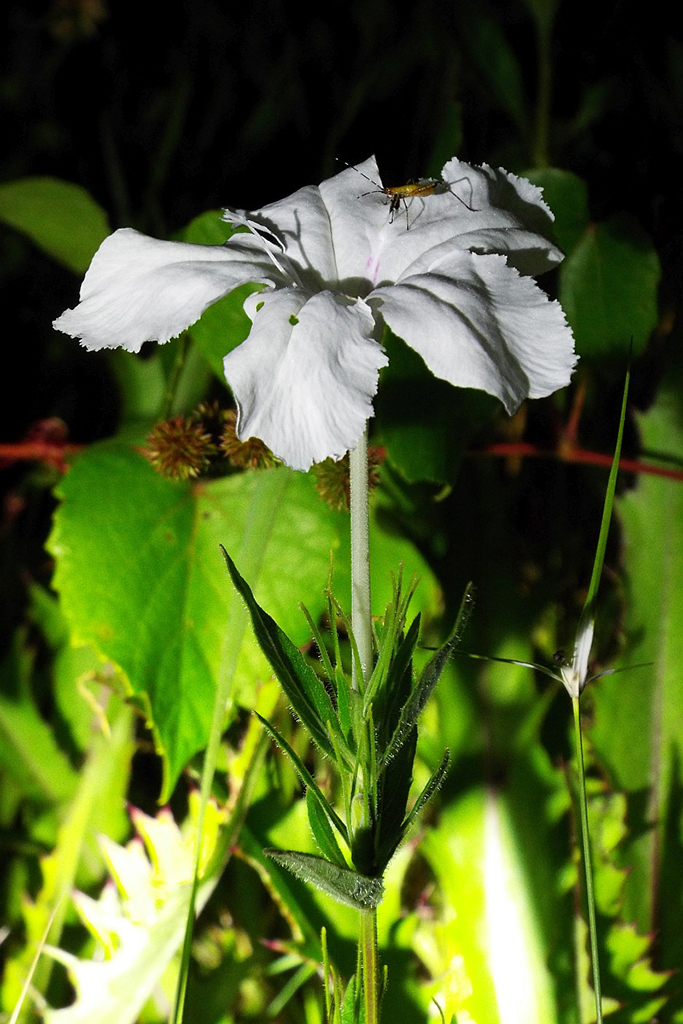
When Scott Davis found a large population of the state-listed endangered Night-blooming petunia (Ruellia noctiflora) growing along US 98, he asked the Florida Department of Transportation (FDOT) to declare it a protected wildflower area. FDOT did.
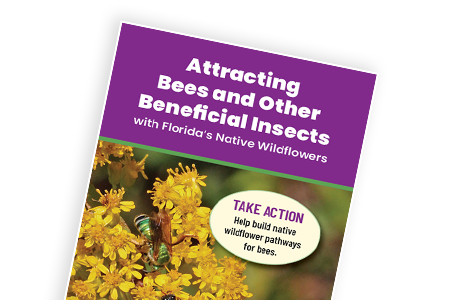
You can help provide food and habitat for Florida’s native bees and other beneficial insects by landscaping with native wildflowers. Versión en español disponible.
The Florida Wildflower Foundation has received a $17,000 grant from Stanley Smith Horticultural Trust for its project, “20 Easy Wildflowers to Grow Now!” It includes a publication, continuing education courses for horticultural professionals, and live social media events.
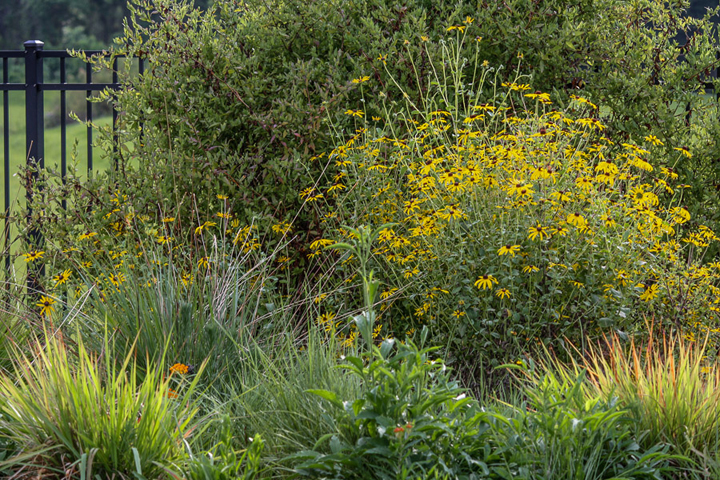
As summer progresses many of our fall-blooming wildflowers become tall and stately, forming backdrops and filling fence rows as they reach peak bloom from September through December. But this is when storms increase, bringing intense waves of wind and rain.
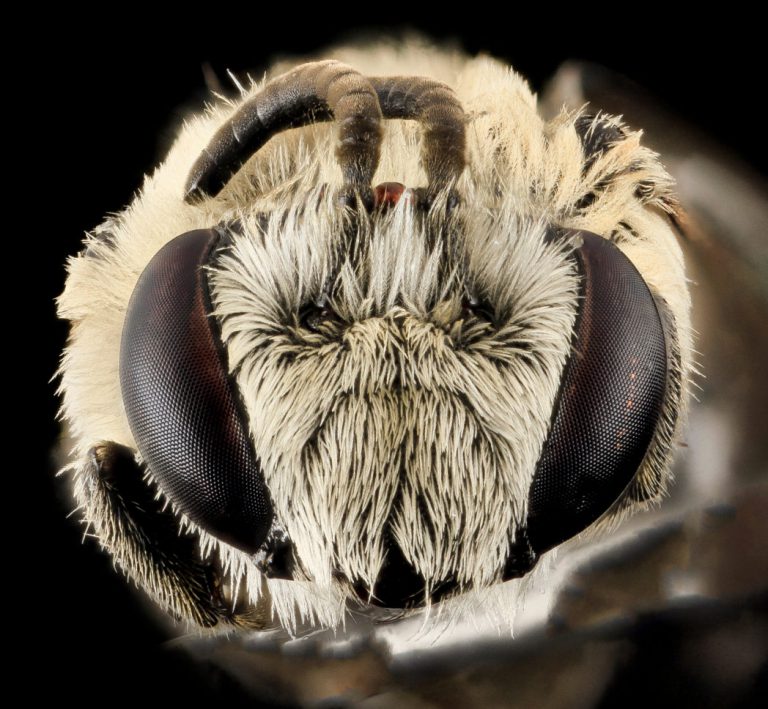
Colletids are one of the smaller bee families in Florida, but are diverse in size and appearance. They’re named for the unique cellophane-like substance that many females secrete to line the walls of their nest cells.
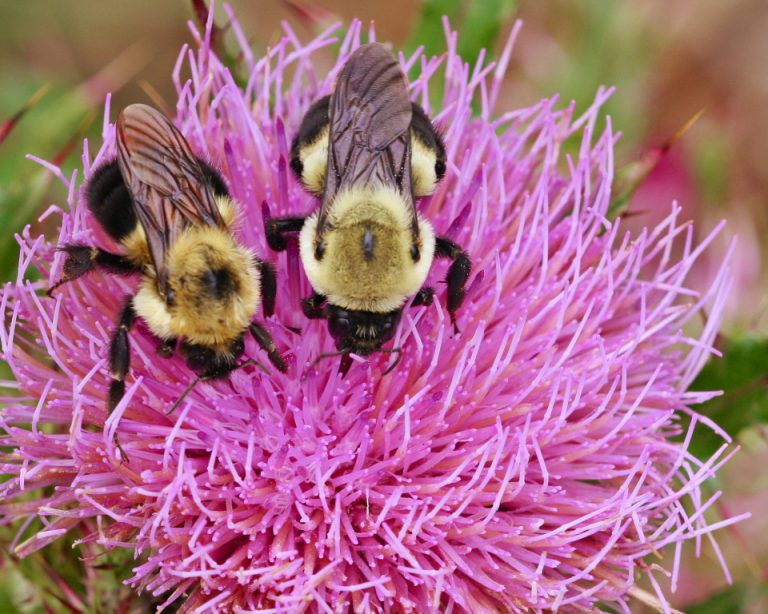
Bumble bees are very efficient pollinators because they “buzz pollinate.” The bee grabs onto a flower and vibrates its flight muscles but not its wings. This causes the flower to release its pollen.
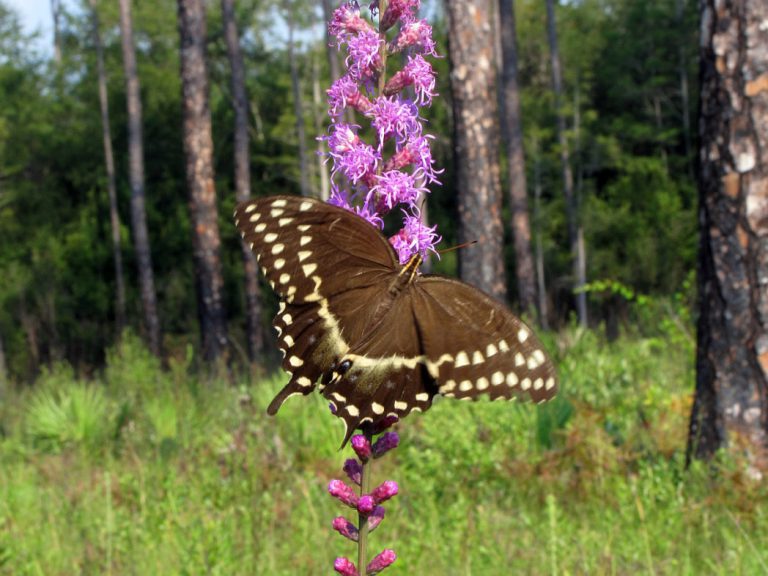
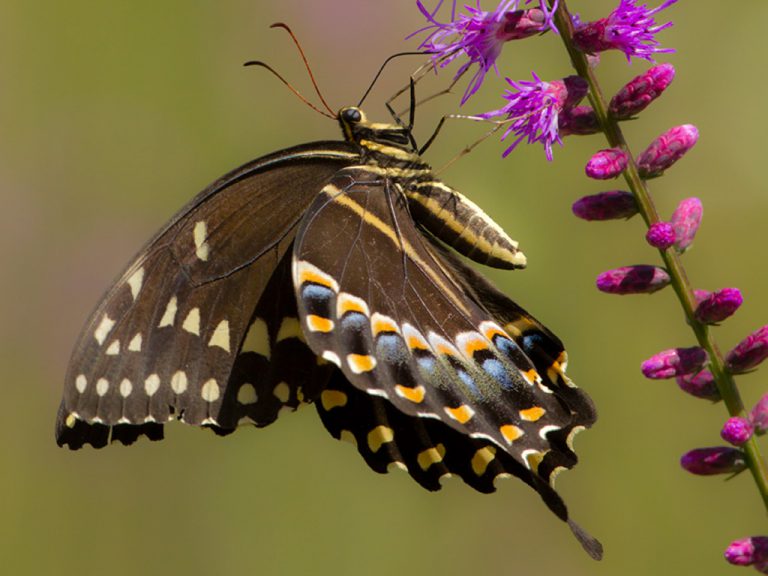
Pollinators and the native plants that support them have come to the forefront this year. The showiest of the pollinators are the butterflies, which often are seen flitting around native wildflowers.
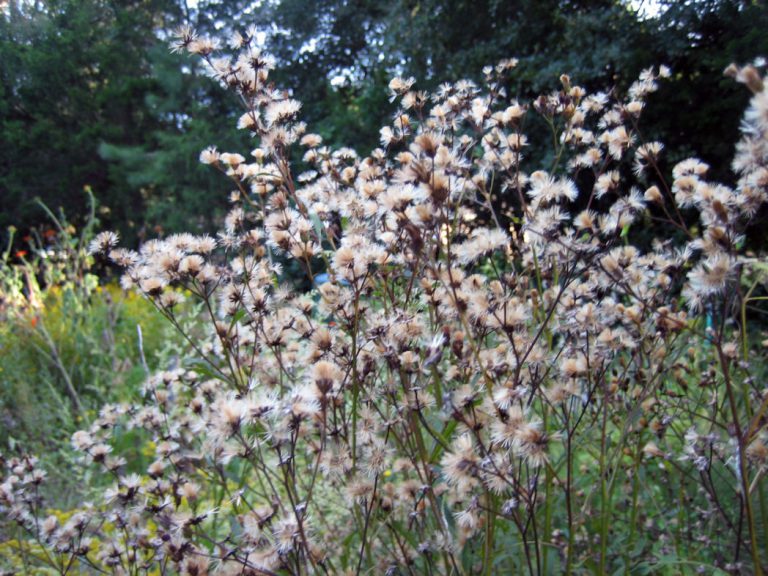
As you return to the garden after the last two months of unbearable heat, biting bugs and sweat, you’ll probably encounter a lot of overgrown stems. Cut those back to their base to freshen up the plant for winter.
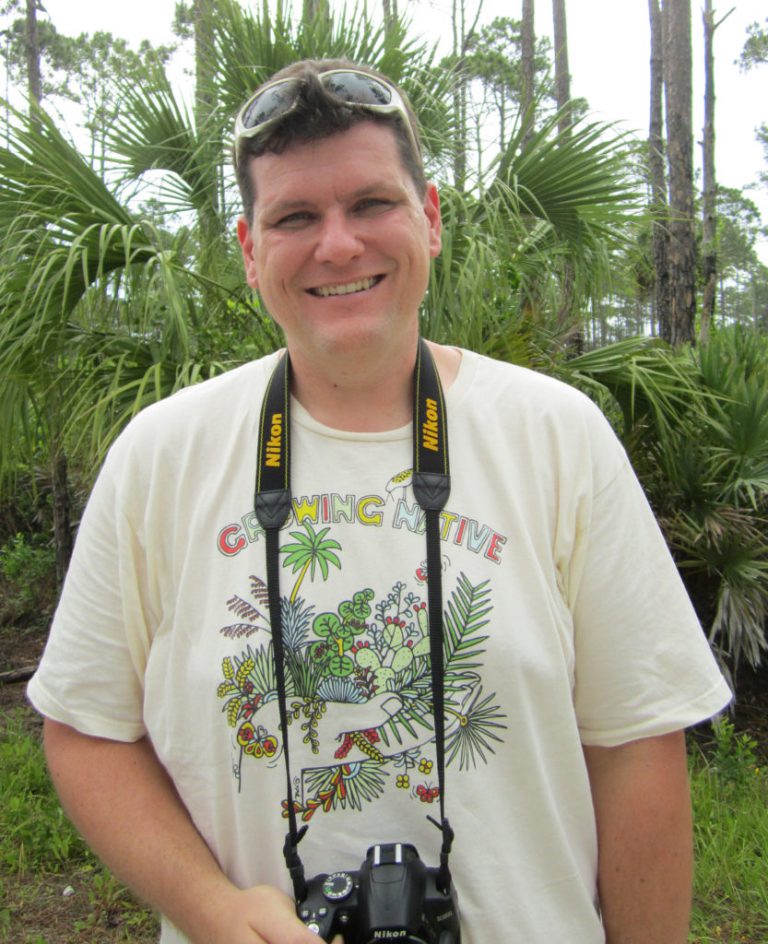
FWF member Chris Waltz is known to many in native plant circles because of the supporting role he plays in conferences and other events. Here is what Chris has to say about his involvement with the Florida Wildflower Foundation.
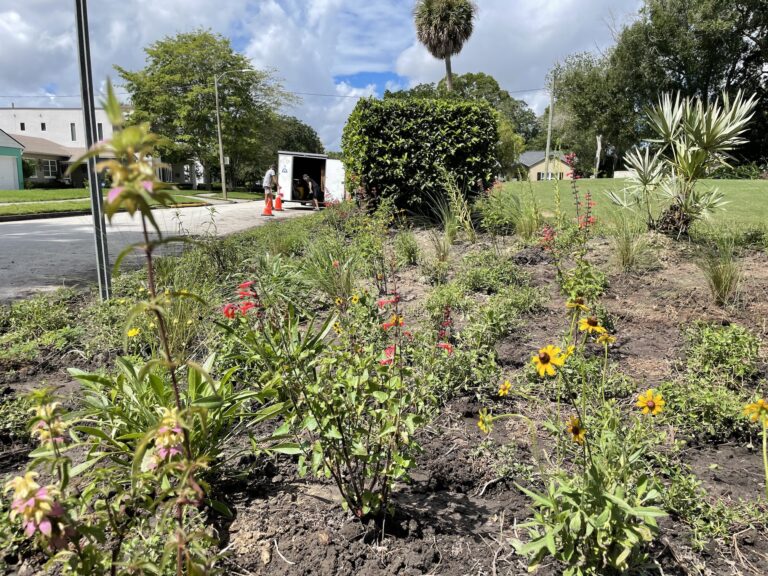
The Dubsdread Golf Course native plant garden utilizes Florida native wildflowers, grasses and shrubs that provide vital habitat for bees, butterflies and other beneficial insects, as well as seeds, berries and insects for birds.