
Parker Public Library Native Plant Garden
Parker Public Library in Bay County have established a native plant garden in partnership with the 850 Garden Club, creating a vibrant and educational space to reconnect the library with the community. Spanning approximately 456 square feet across two highly visible sites at the library entrance, the project will transform the previously underutilized areas into a welcoming landscape that supports pollinators and serves as a hub for gardening programs and activities. By integrating native plants into this central community space, the library aims to inspire residents and expand access to outdoor hands-on learning opportunities.
DID YOU KNOW? Florida native plants are adapted to thrive in our climate, conditions and soil. They need less water than other plants, and require no fertilizers, pesticides or other chemicals. This saves precious water resources and keeps excess nutrients from polluting lakes, rivers and streams.
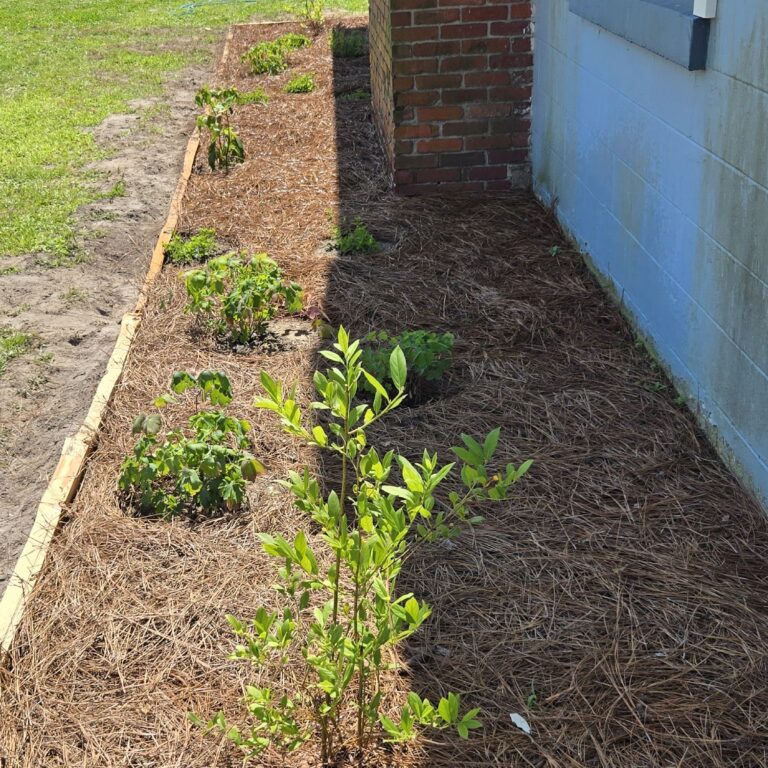
Parker Public Library Native plant garden
The garden was made possible by a grant from the Florida Wildflower Foundation.
The following native species were planted:
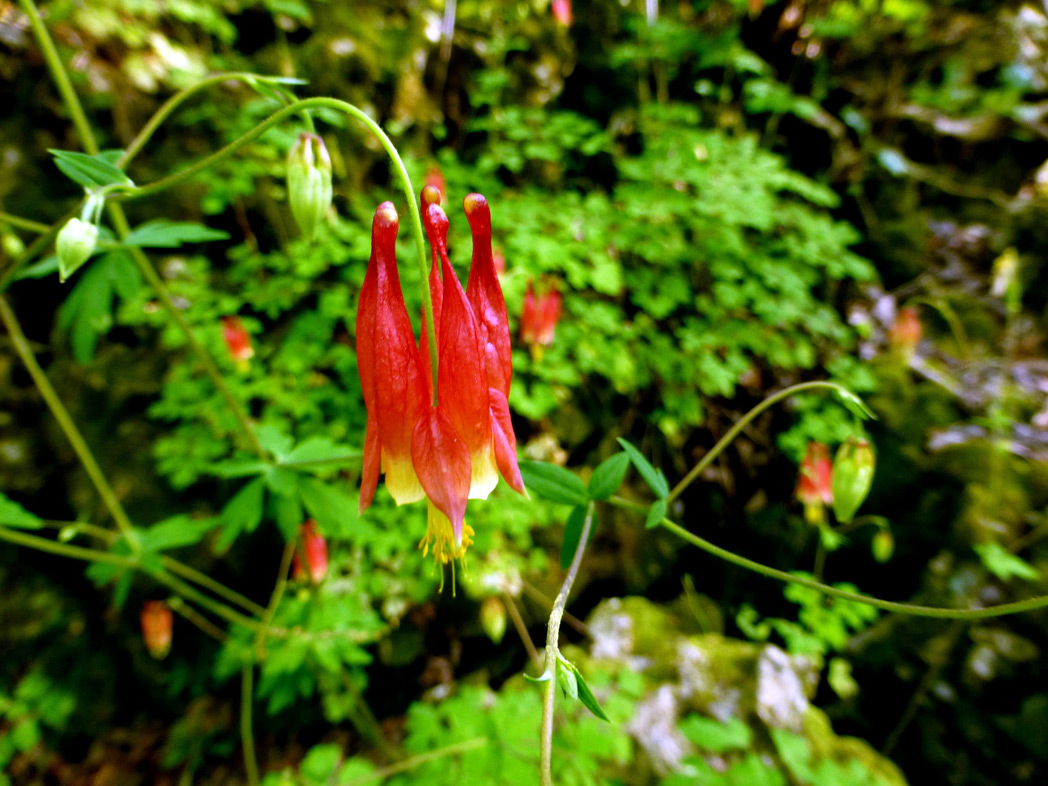
Wild columbine
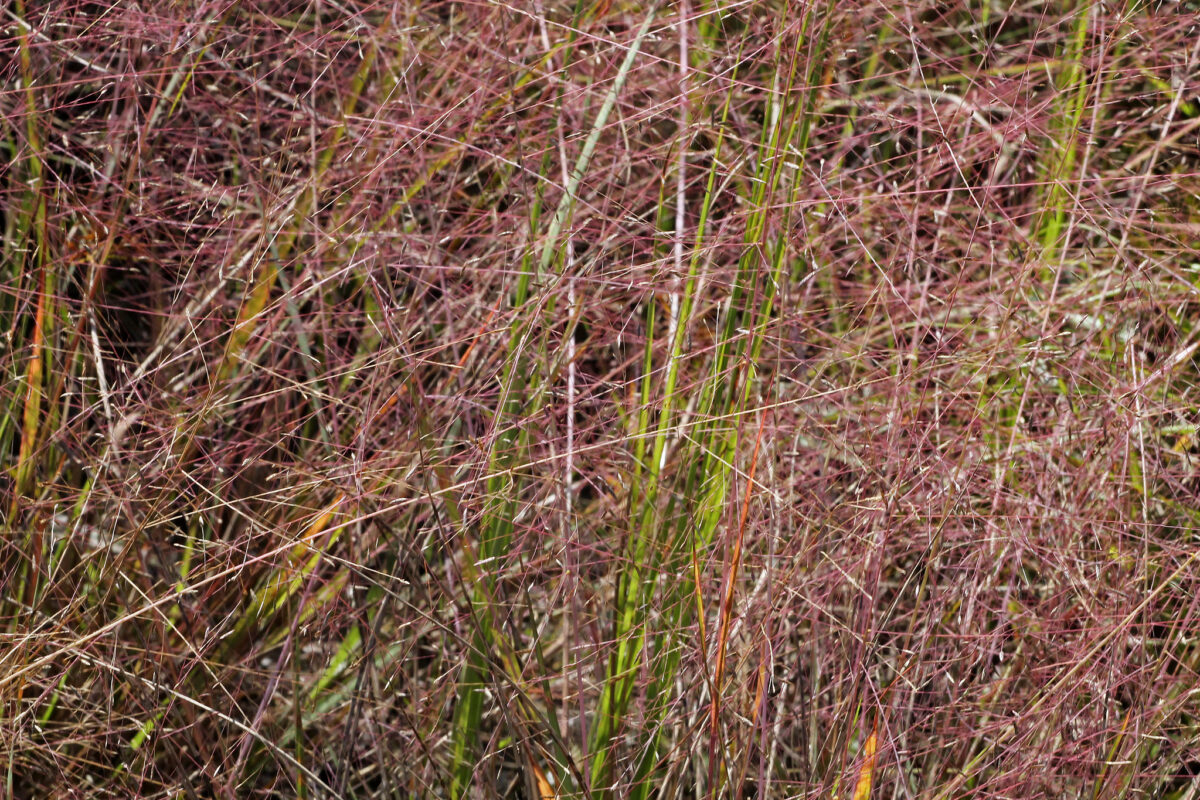
Purple lovegrass
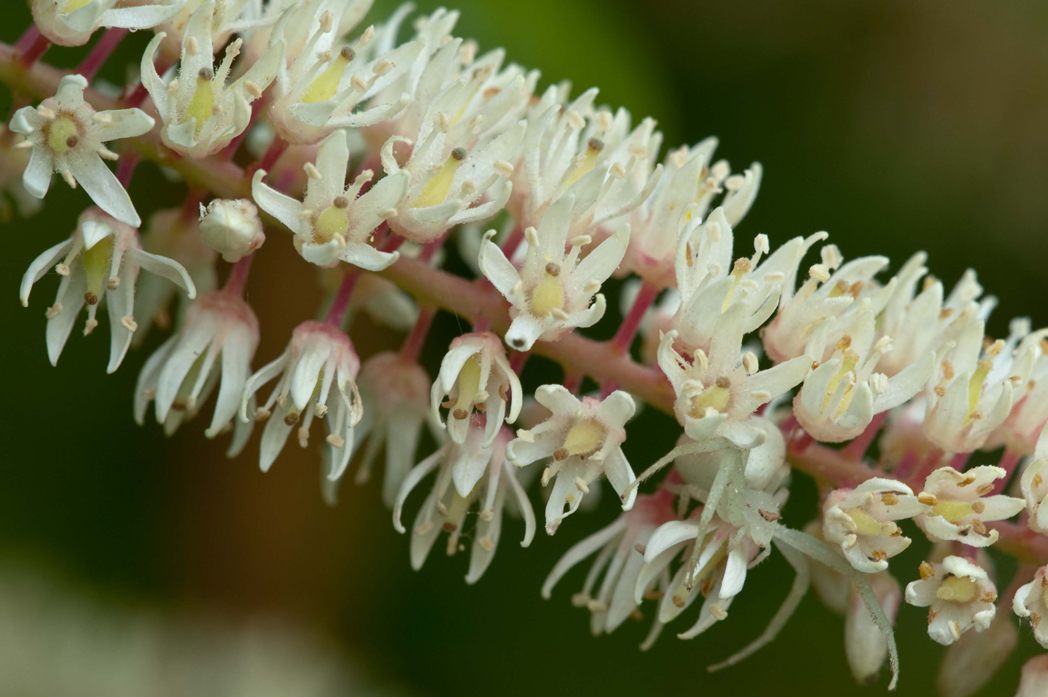
Virginia willow
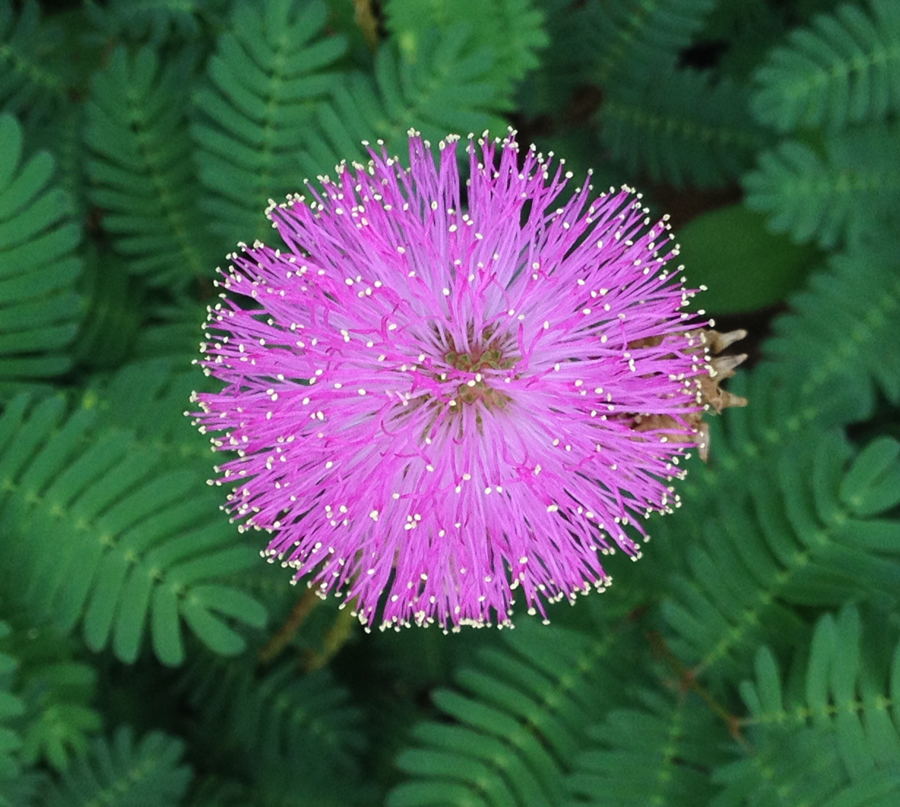
Sunshine mimosa
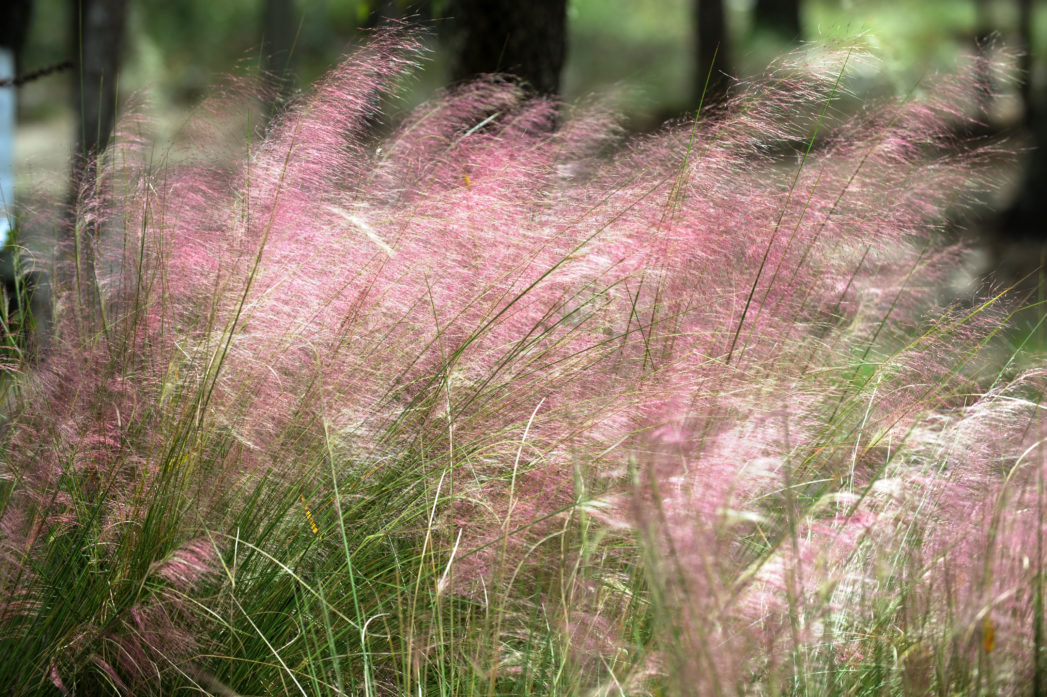
Muhlygrass
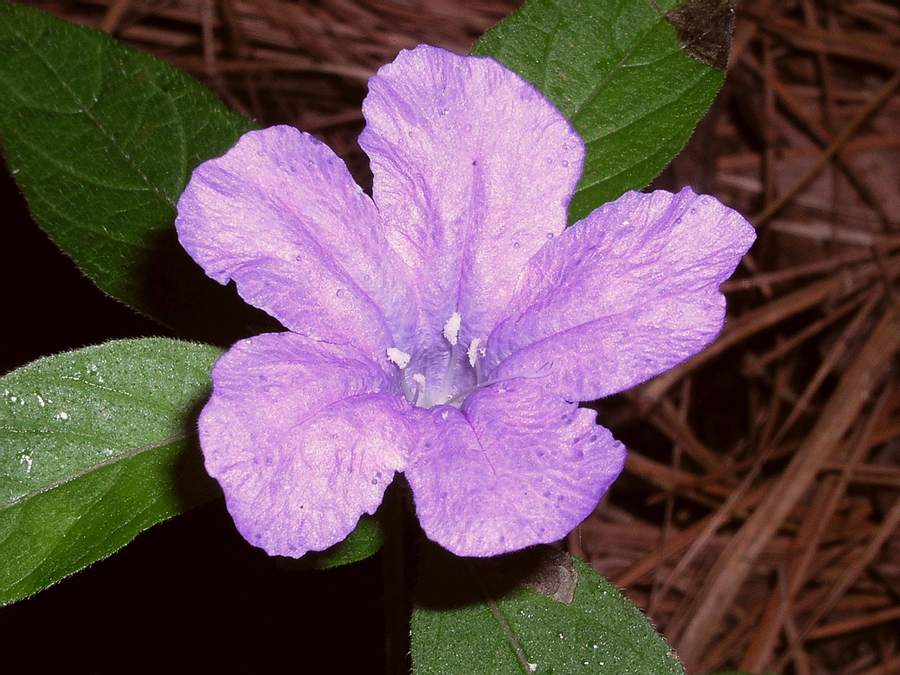
Wild petunia
POLLINATORS NEED YOUR HELP!
Help Florida’s wildlife and environment by using native wildflowers and plants in your landscape. Click here to learn more information on planting, selecting and maintaining native plants, or check out these resources:
- 20 Easy-to-Grow Wildflowers
- Guide for Choosing Native Plants
- Attracting Birds with Florida Native Wildflowers
- Attracting Bees and Other Beneficial Insects with Florida Native Wildflowers
- Attracting Butterflies with Florida Native Wildflowers
- Great Wildflowers for Dry Landscapes
- Great Wildflowers for Shade
- Aquatic Wildflowers for Pollinators
- Create a Pollinator Pot