New Port Richey Public Library Native Plant Garden
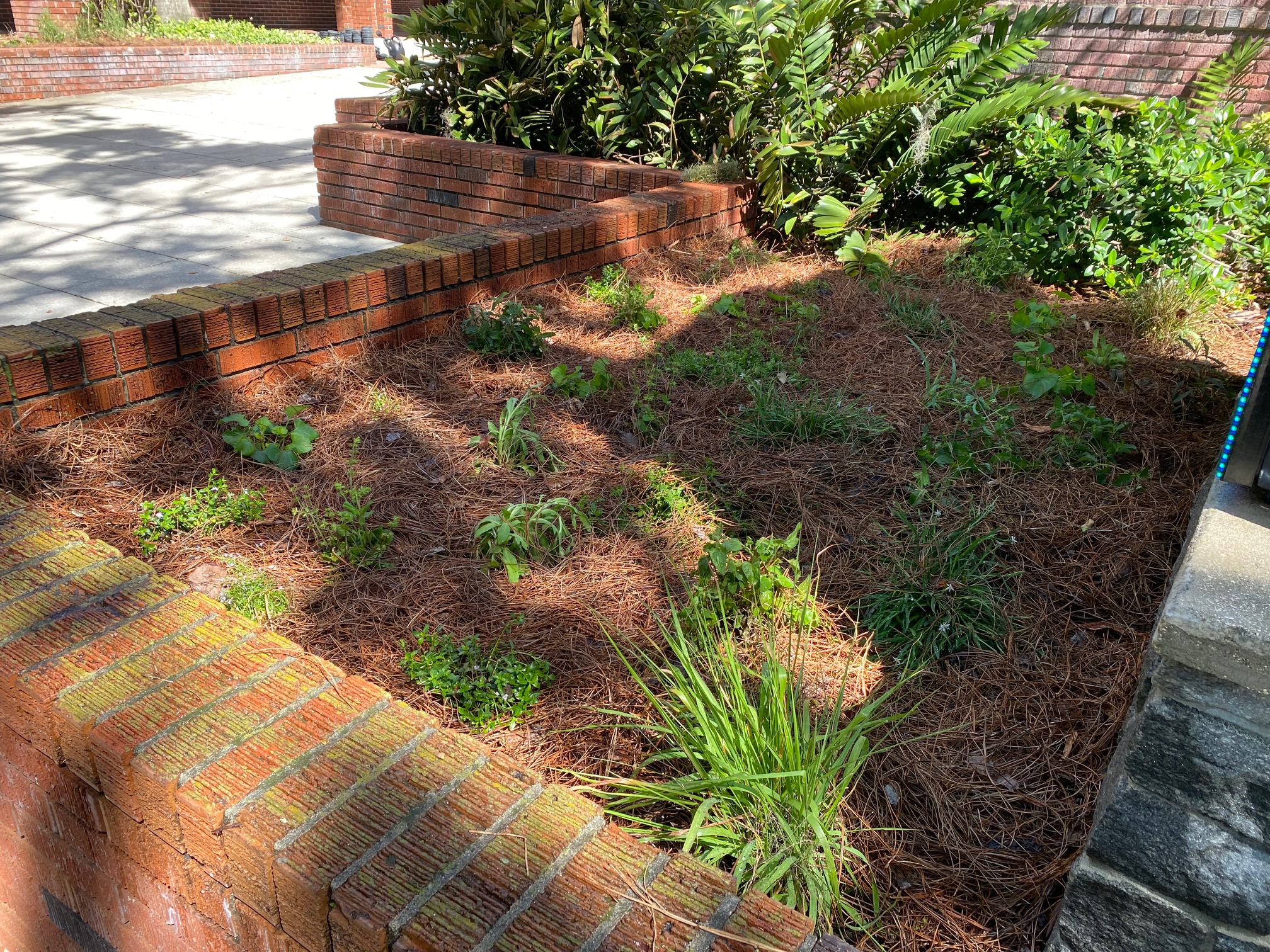
The New Port Richey Public Library’s native wildflower garden transforms the space just outside the Library entrance into a vibrant learning landscape rooted in sustainability and community connection. This living classroom highlights Florida native wildflowers, supports local pollinators, and invites visitors to engage more deeply with the natural environment.
The garden builds on the Library’s long-standing commitment to environmental education, highlighted by its Seed Library, which was among the first of its kind in the state to provide free organic, non-GMO seeds to the community. It also complements the Library’s weekly Tasty Tuesday Organic Market, monthly Master Gardener programs, and partnership with New Port Richey FarmNet, all of which promote hands-on learning and environmental stewardship. The garden and related programs create an inviting space where visitors can explore and connect with nature in meaningful ways. Learn more at nprlibrary.org.
The New Port Richey Public Library
DID YOU KNOW? Florida native plants are adapted to thrive in our climate, conditions and soil. They need less water than other plants, and require no fertilizers, pesticides or other chemicals. This saves precious water resources and keeps excess nutrients from polluting lakes, rivers and streams.
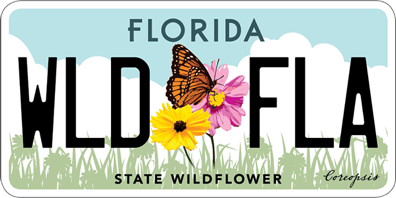
The garden was made possible by a grant from the Florida Wildflower Foundation.
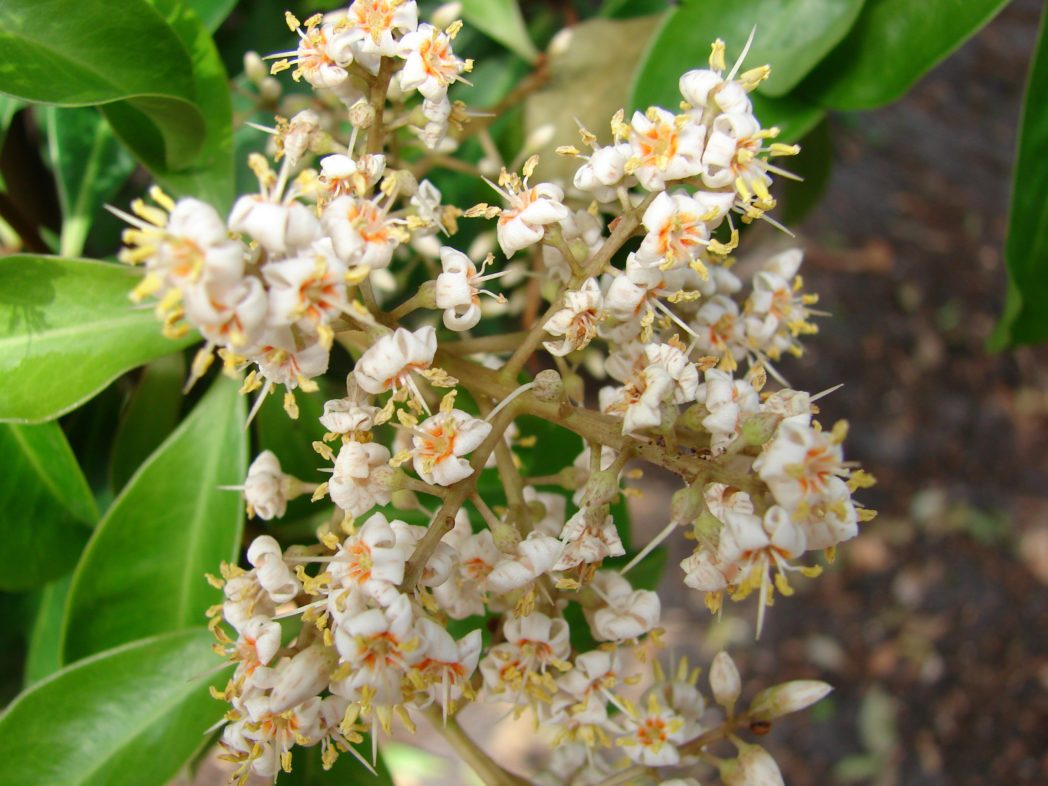
Marlberry (Ardisia escallonioides) blooms and fruits intermittently throughout the year. Its abundant fruit is enjoyed by birds and small animals and is also edible to humans.
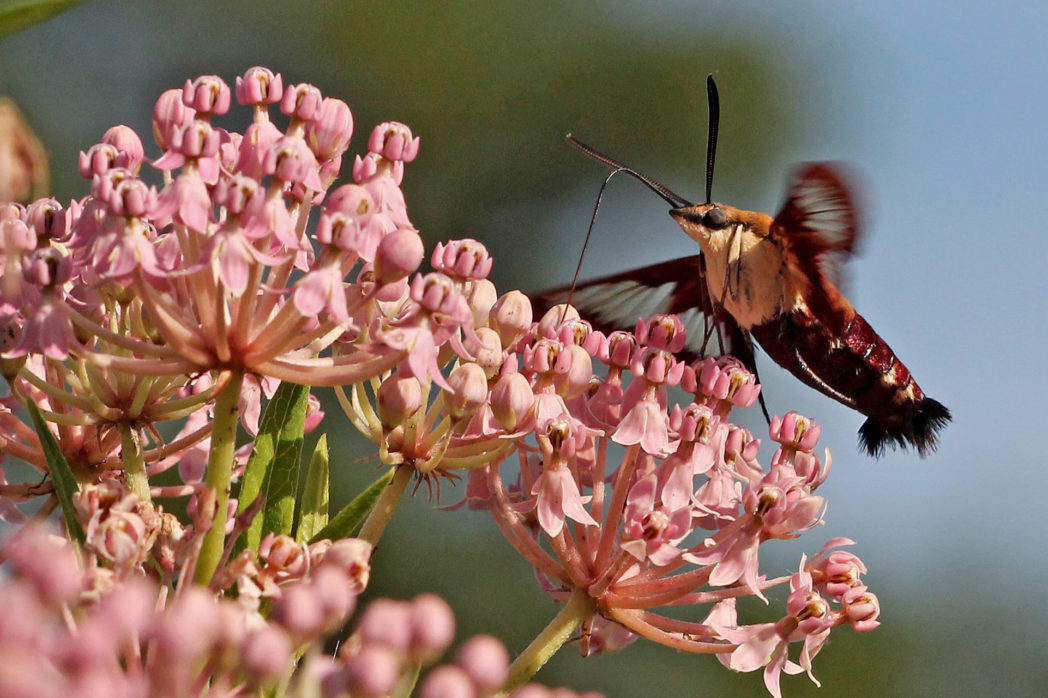
Swamp milkweed (Asclepias incarnata ) has showy pink flowers that typically bloom in summer and attract many pollinators. It occurs naturally in floodplain swamps, hydric hammocks, wet pine flatwoods and…
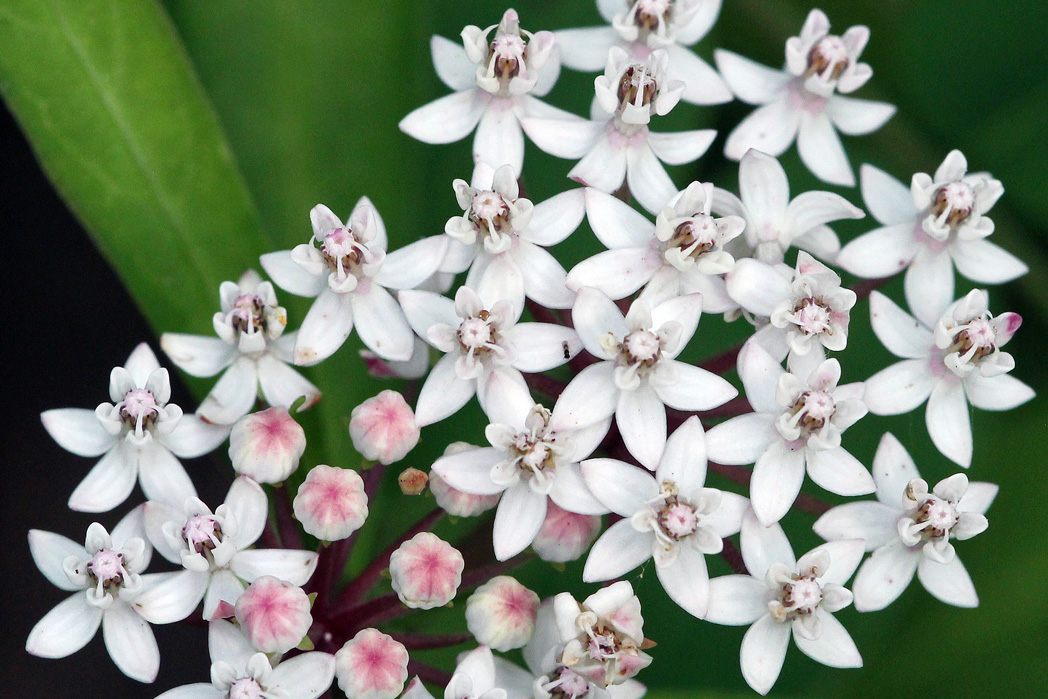
Swamp milkweed (Asclepias perennis) blooms in late spring through early fall and attracts many pollinators. It is a larval host plant for Monarch, Queen and Soldier butterflies.
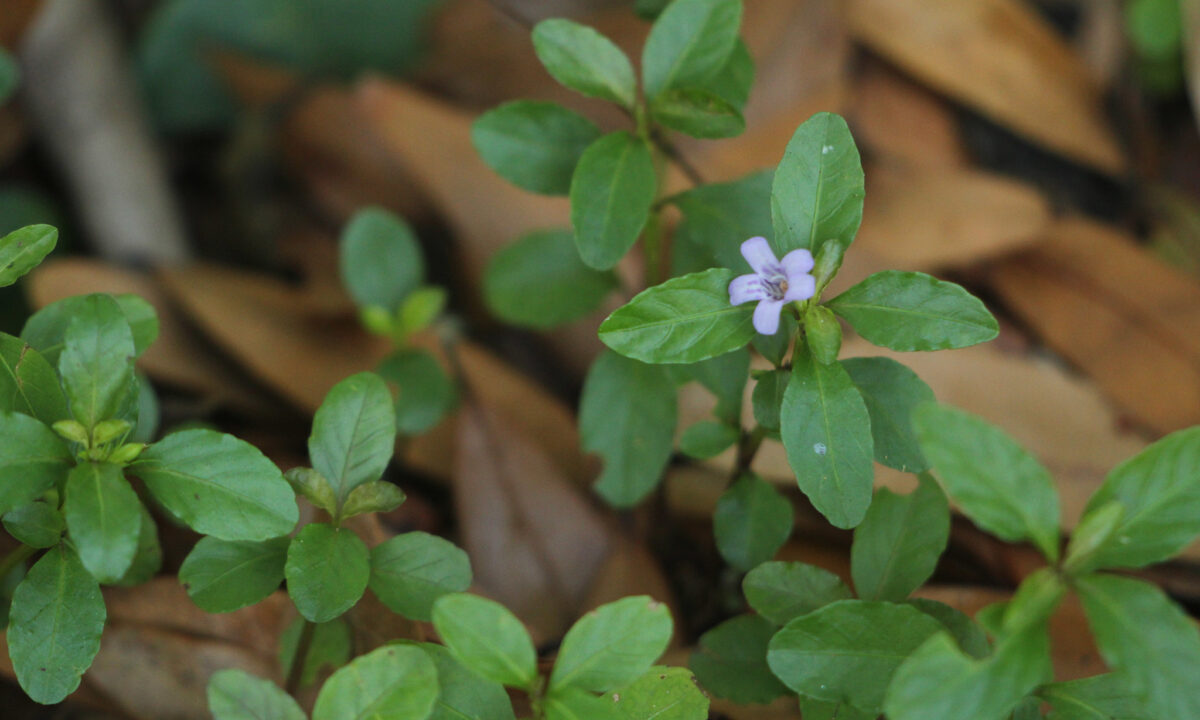
Swamp twinflower (Dyschoriste humistrata) is a low-growing wildflower that occurs naturally along the edges of forested wetlands. A great groundcover option for a moist to wet shady area, it attracts…
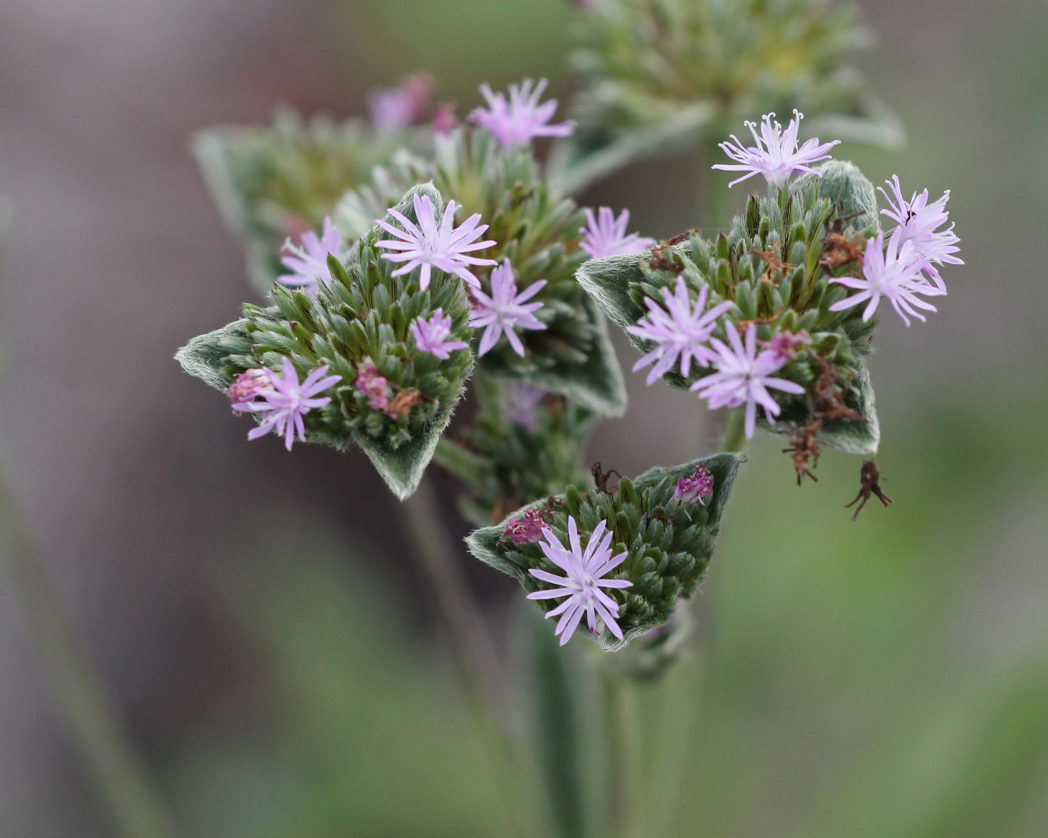
You’d probably expect an elephant-sized flower from a plant called Tall elephantsfoot (Elephantopus elatus), but it’s not the flower that gives this plant its name.
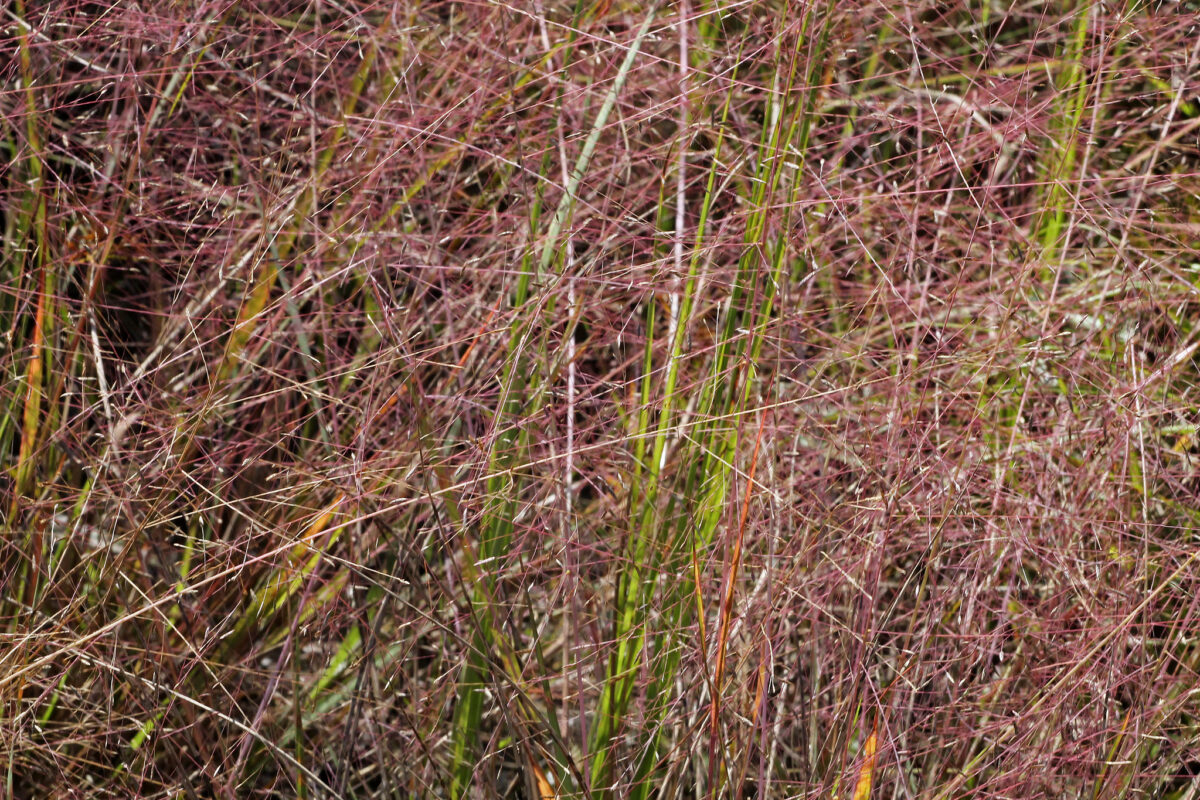
Purple lovegrass (Eragrostis spectabilis) is a perennial bunchgrass with an abundance of delicate flowers that cover the plant in a billowy purple haze.
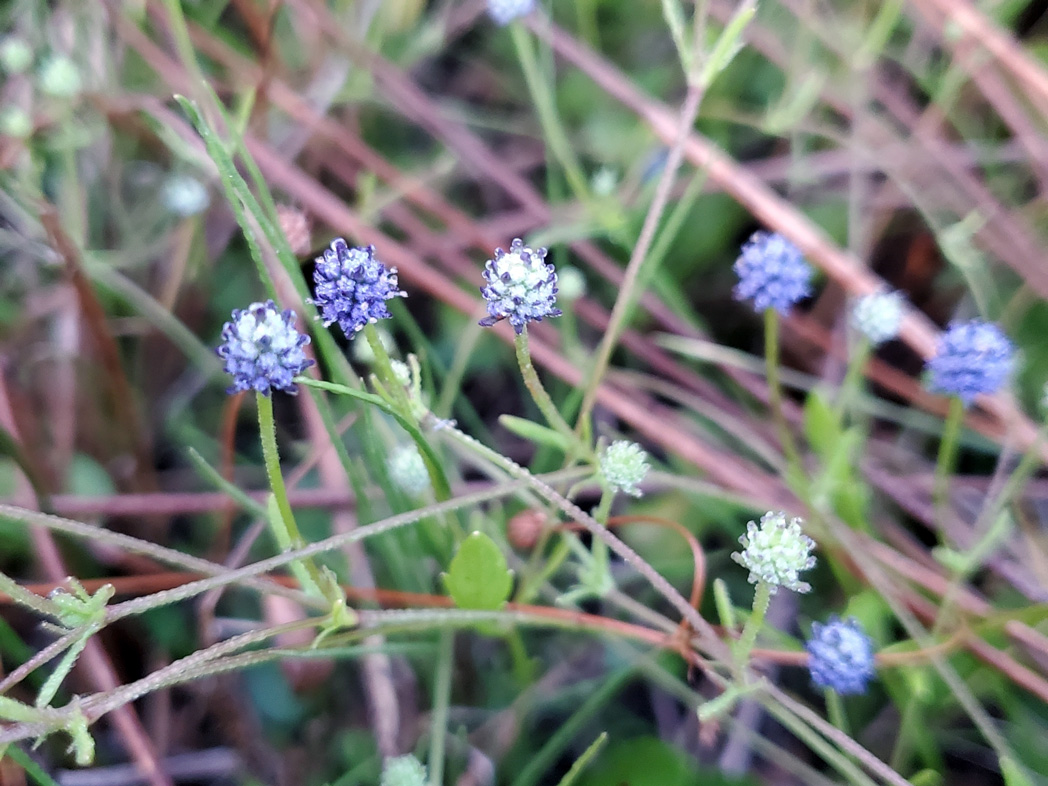
Baldwin’s eryngo (Eryngium baldwinii) has tiny flowers that are often overlooked. But it can form a large sprawling groundcover, providing a hazy, light blue understory to other wildflowers.
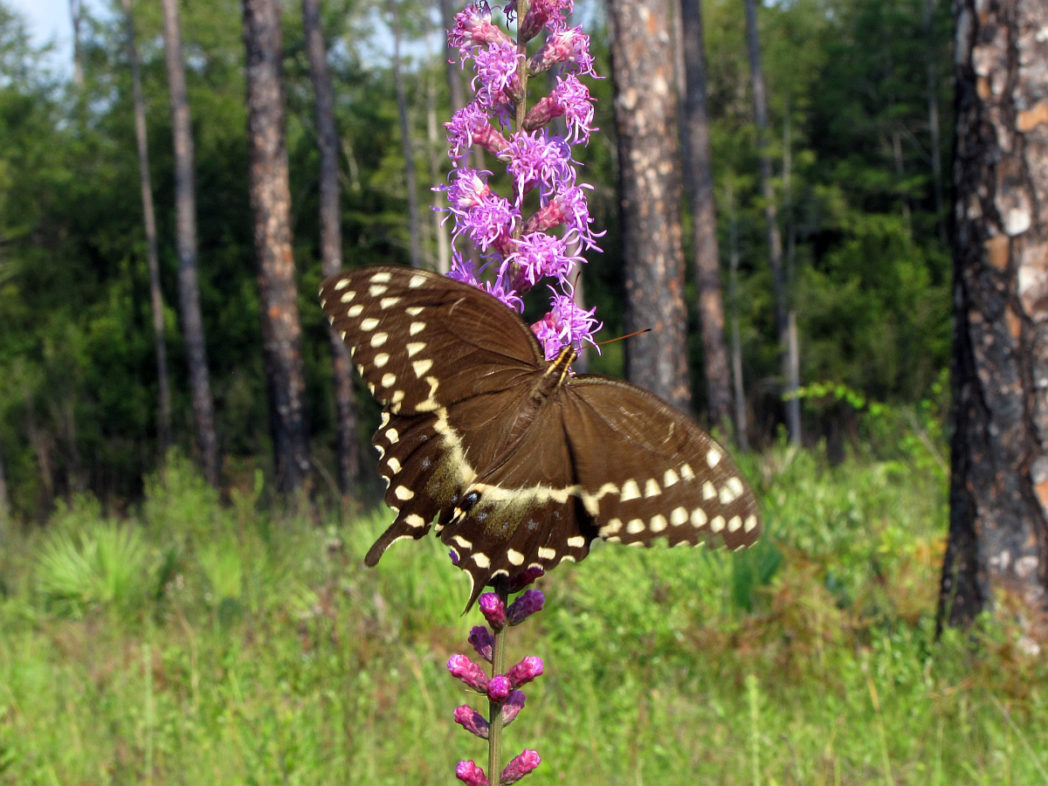
Dense gayfeather (Liatris spicata ) has striking spikes of purple flowers that bloom late summer through fall and are excellent attractors of butterflies, bees and other beneficial insects.
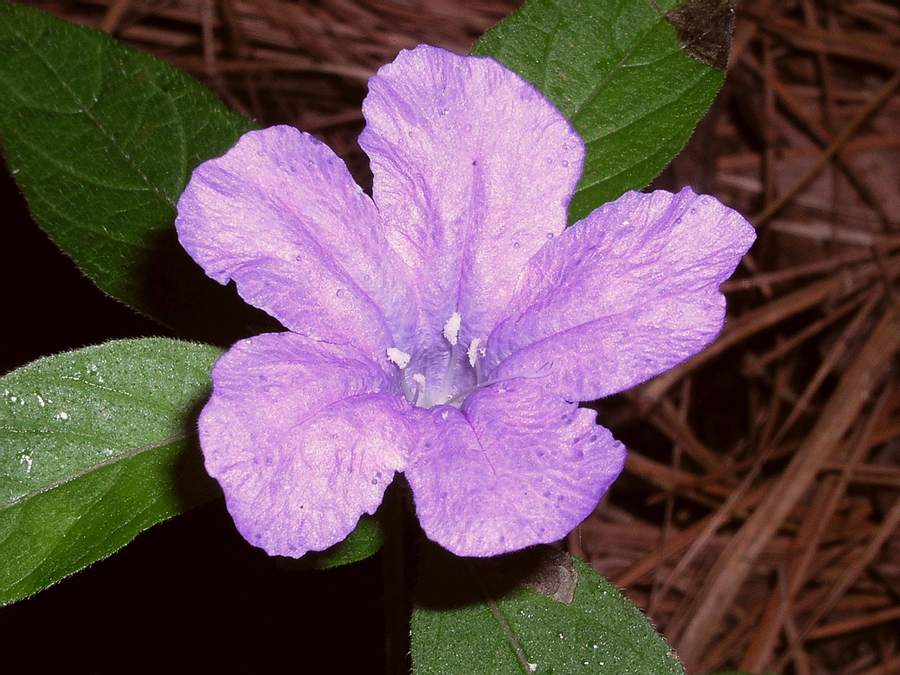
Wild petunia (Ruellia caroliniensis) typically blooms late spring through early fall, attracting a variety of pollinators. It is also a host plant for the White peacock butterfly.
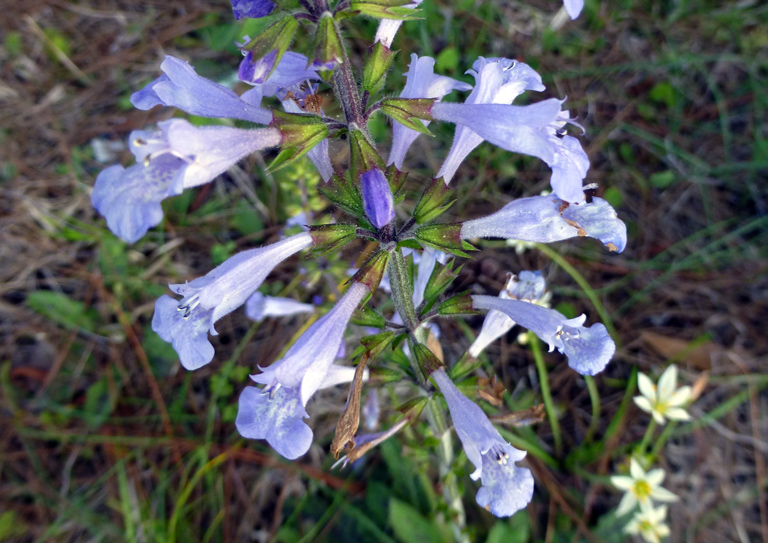
Lyreleaf sage (Salvia lyrata) is an attractive perennial with leafless spikes of tubular, lavender to bluish flowers. Bees are its predominant pollinator, but it also attracts butterflies and hummingbirds.
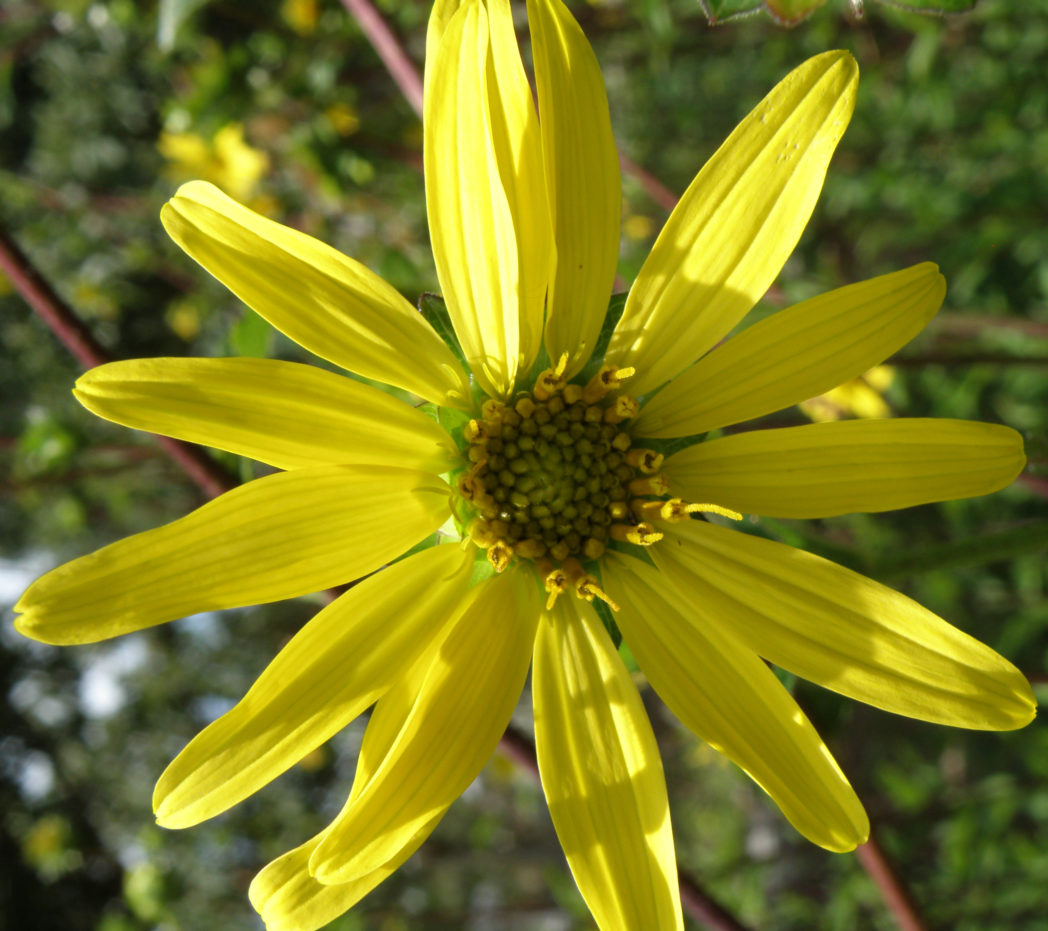
Starry rosinweed (Silphium asteriscus) is a robust perennial with showy yellow blooms. It occurs naturally in flatwoods, sandy pinelands and disturbed areas and attracts a variety of pollinators.
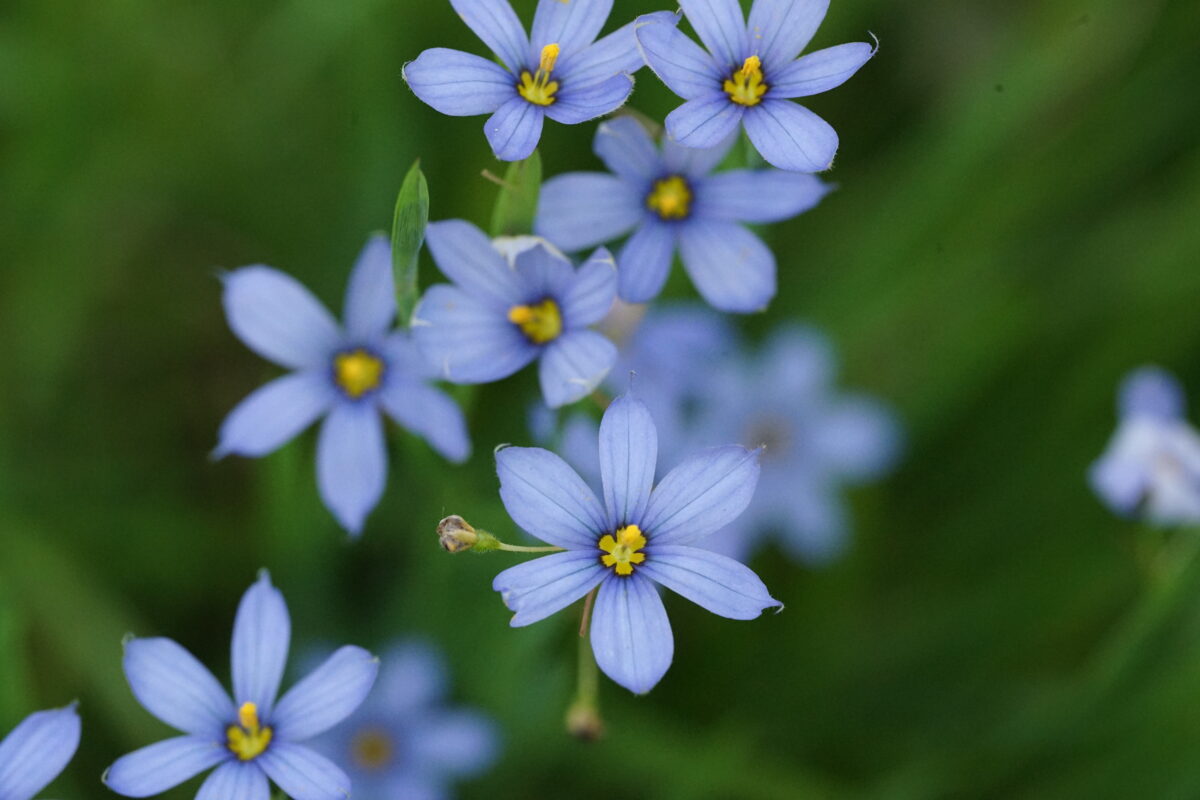
The low profile of Blue-eyed grass (Sisyrinchium angustifolium) makes it an excellent groundcover choice. Its dainty, star-shaped flowers bloom winter through summer and attract a variety of pollinators.
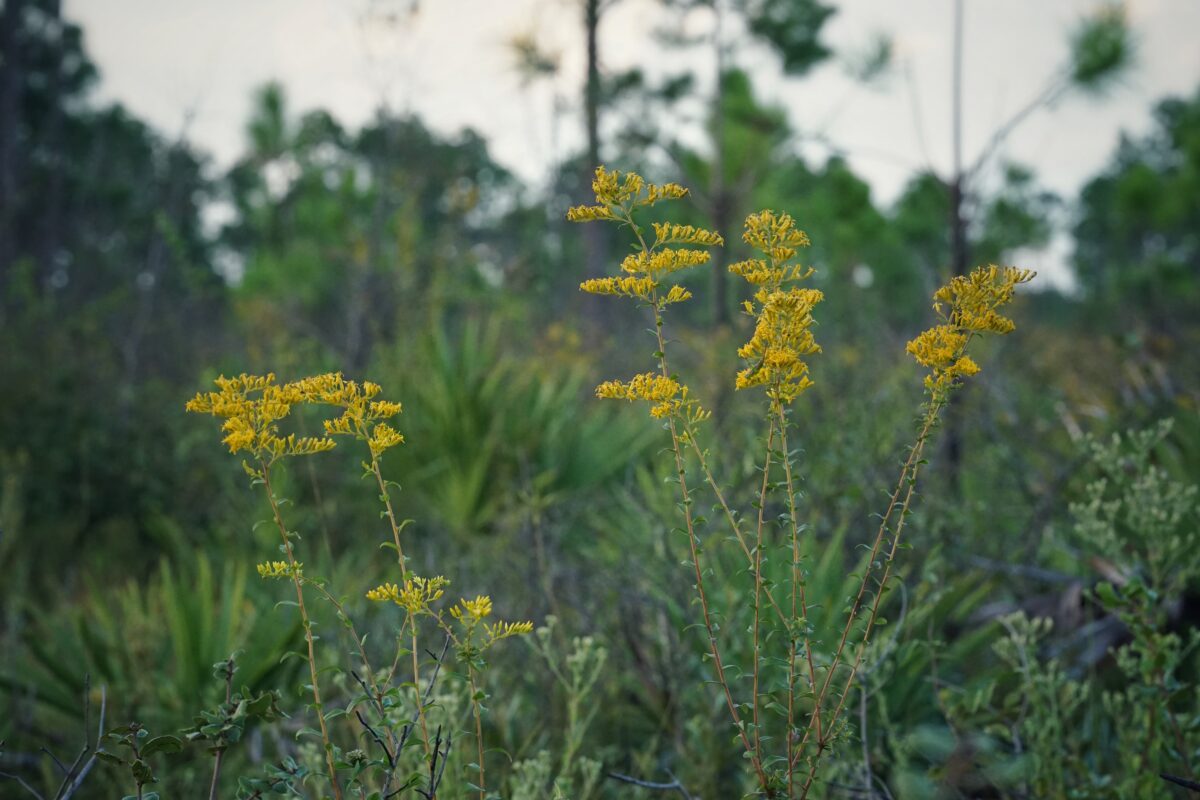
Of Florida’s 22 Goldenrods, Chapman’s goldenrod (Solidago odora var. chapmanii) is one of the best suited to home landscapes. A wonderful wildlife supporter, it is popular with a variety…
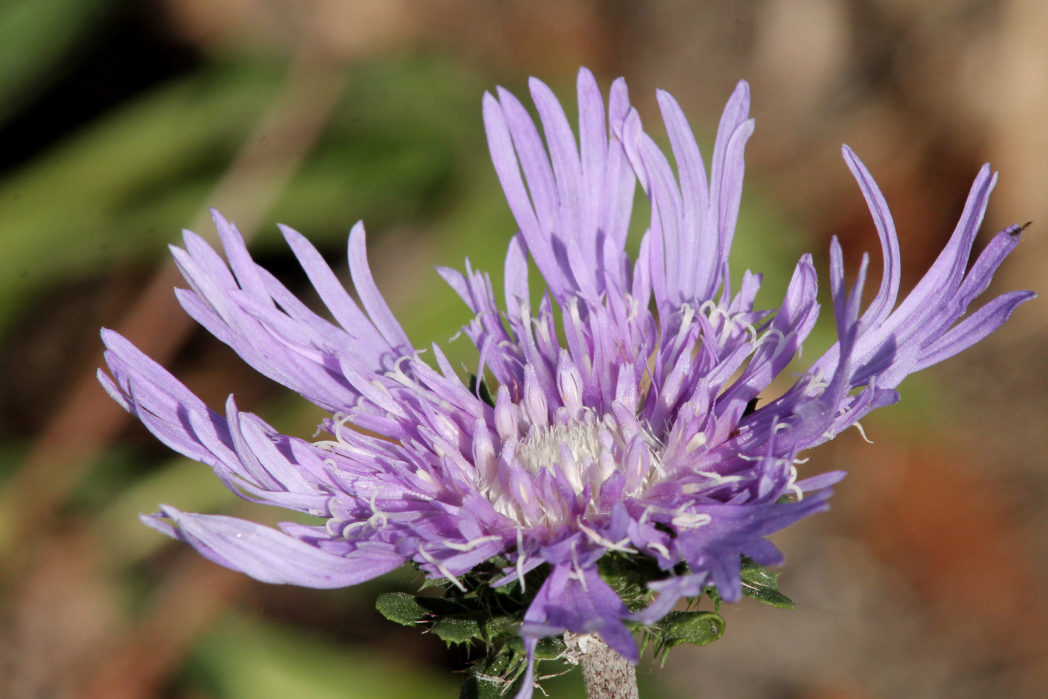
Stokes’ aster (Stokesia laevis) typically blooms in spring and summer, but may bloom throughout the year, attracting a variety of bees, wasps and butterflies.
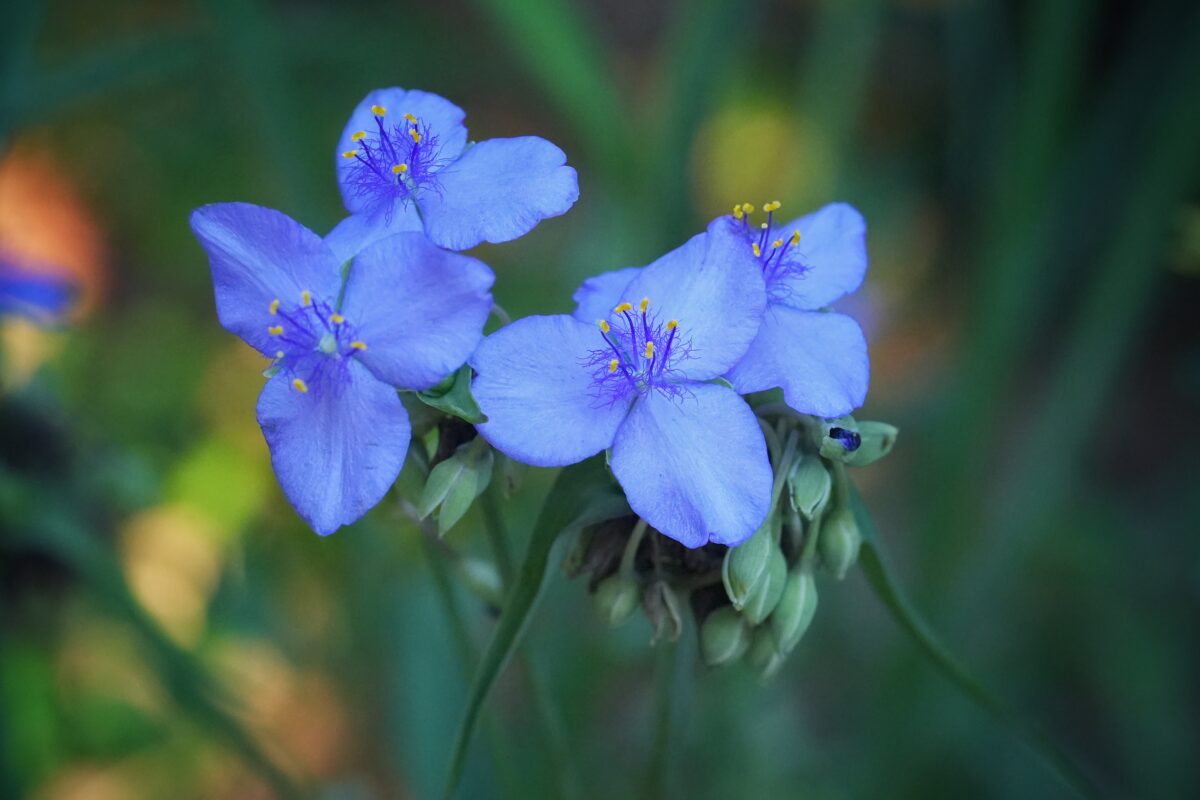
Spiderwort (Tradescantia ohiensis ) flowers attract many pollinators, especially bees. Like all species in the dayflower family, the flowers are ephemeral, meaning they stay open only one day.
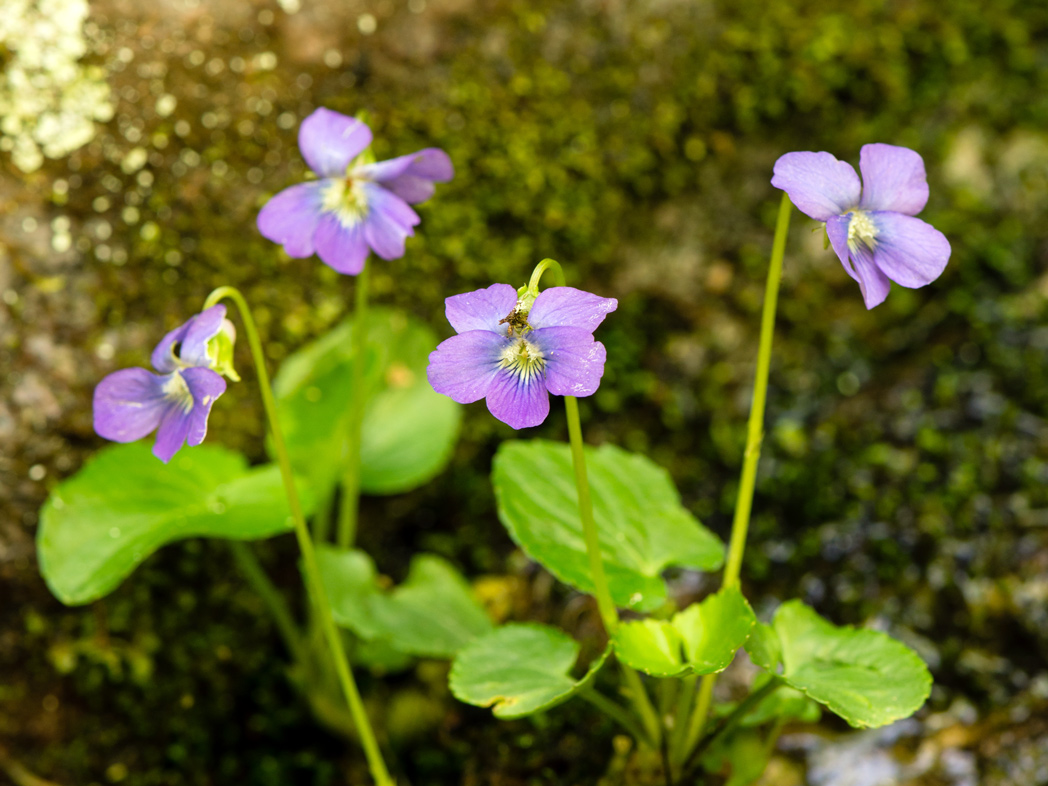
Florida’s Common blue violet (Viola sororia) is aptly named as it is the most common violet throughout the state. It is often seen in cultivated lawns and occurs naturally in…
Help Florida’s wildlife and environment by using native wildflowers and plants in your landscape. Click here to learn more information on planting, selecting and maintaining native plants, or check out these resources: