
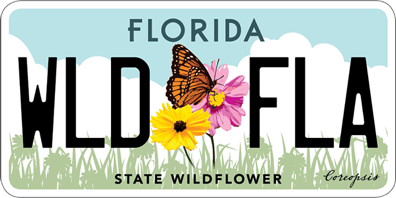
Emily Taber Public Library Native Plant Garden
Emily Taber Public Library in Baker County established a native wildflower garden in a highly visible area on the west side of the library, transforming an existing turf and shrub space into an educational landscape. The library partners with the UF/IFAS Baker County Extension Office and Master Gardener volunteers. With a range of sun and shade conditions allowing for diverse plantings, the garden will showcases species suited to the region while promoting native landscaping through community outreach and educational opportunities.
DID YOU KNOW? Florida native plants are adapted to thrive in our climate, conditions and soil. They need less water than other plants, and require no fertilizers, pesticides or other chemicals. This saves precious water resources and keeps excess nutrients from polluting lakes, rivers and streams.
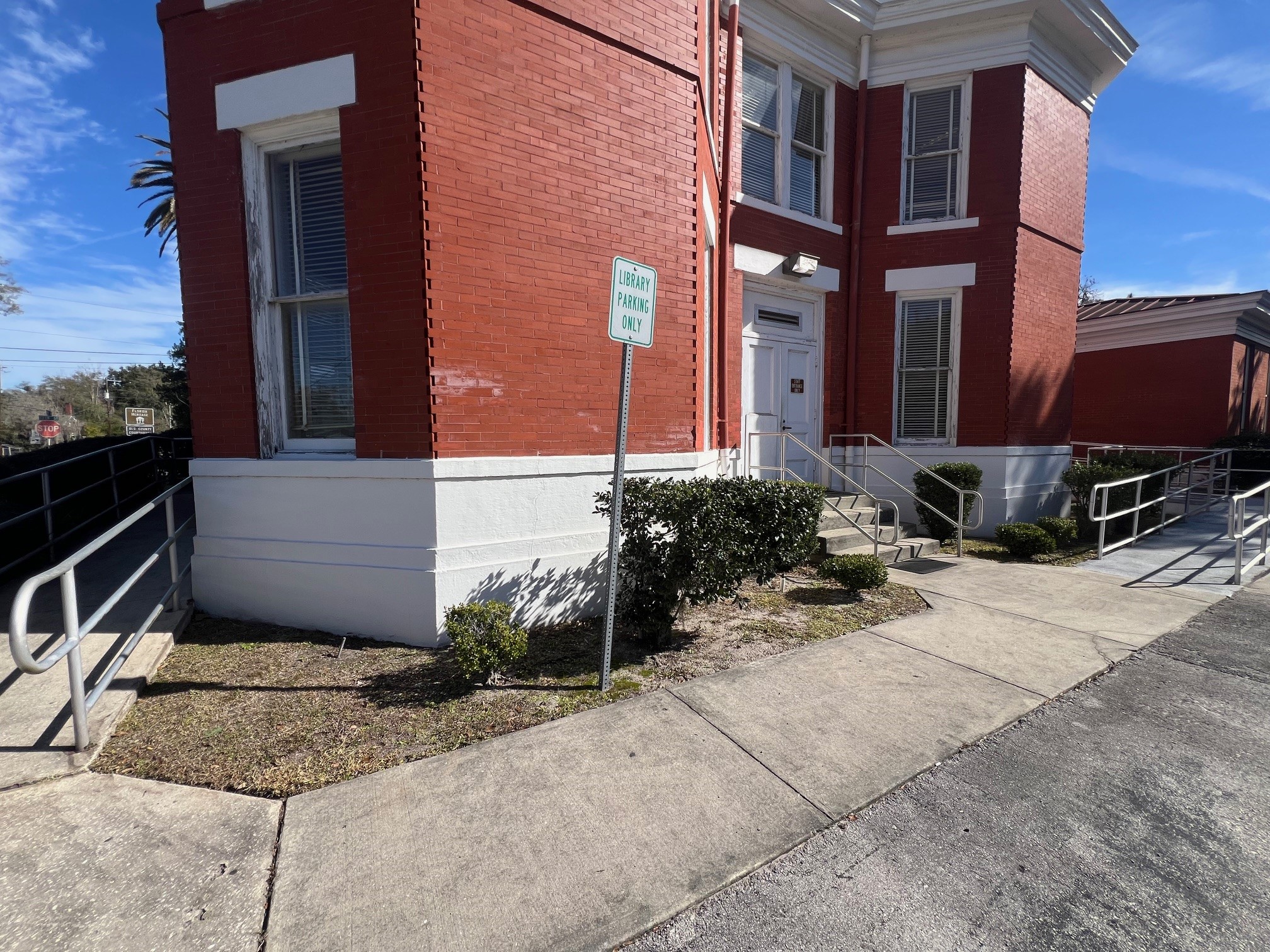
The garden was made possible by a grant from the Florida Wildflower Foundation.
The following native species were planted:
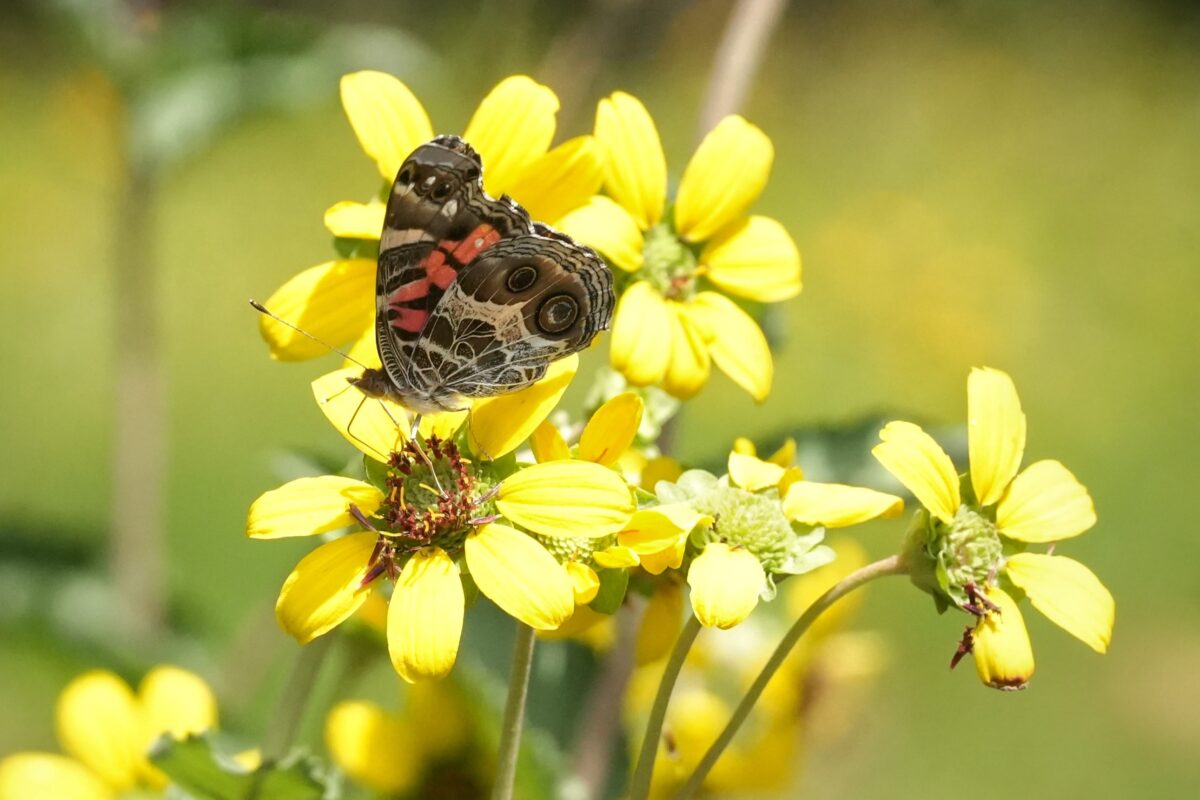
Florida greeneyes
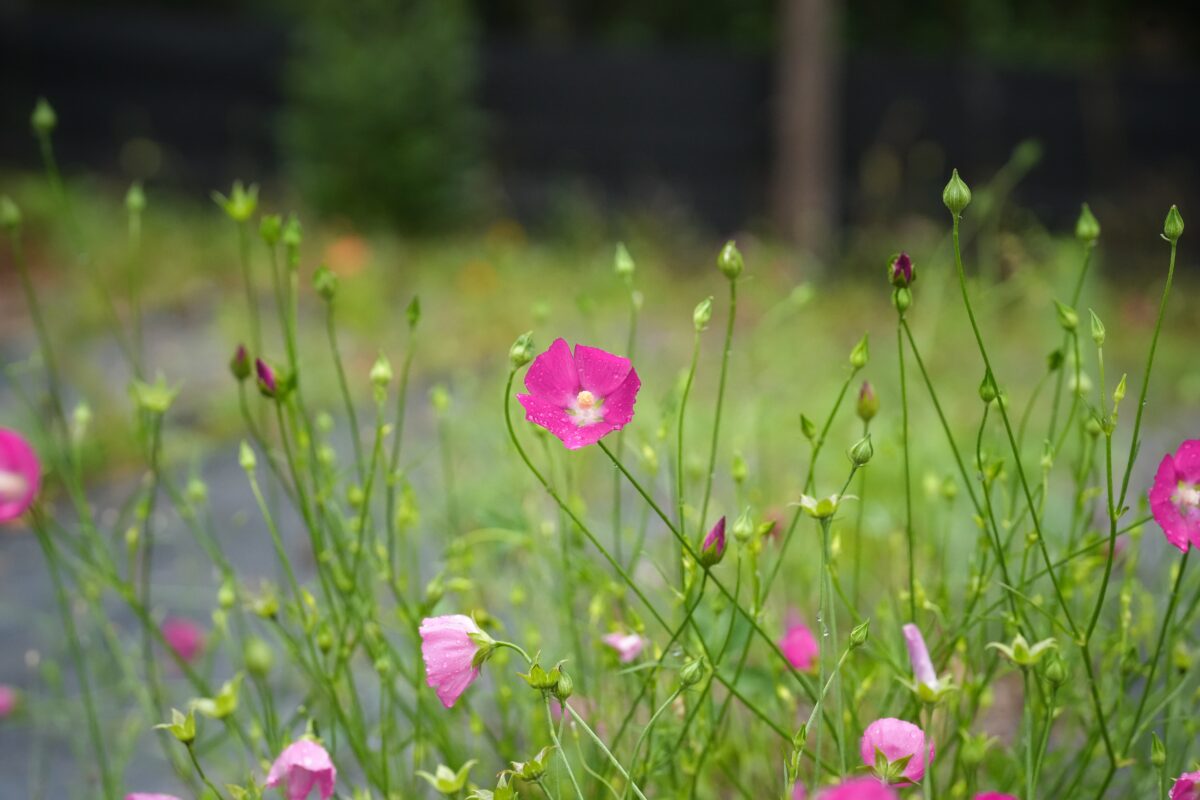
Woodland poppymallow
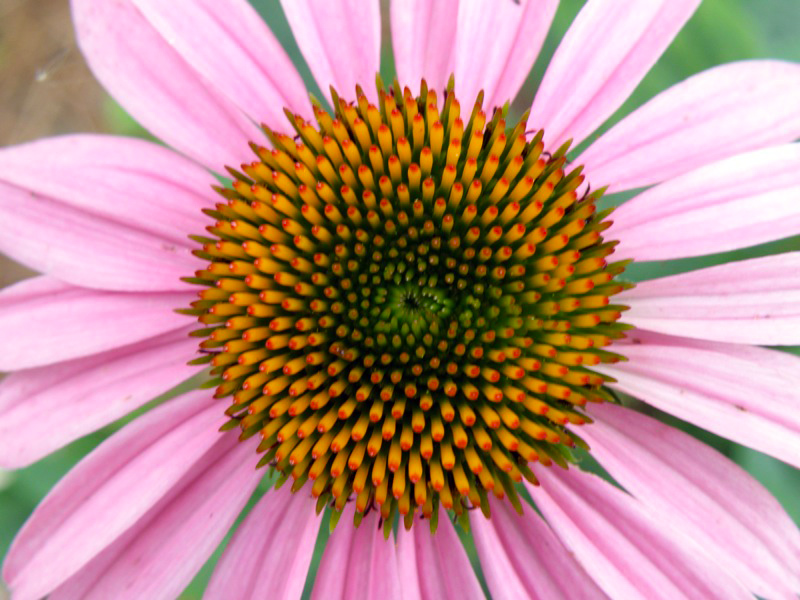
Purple coneflower
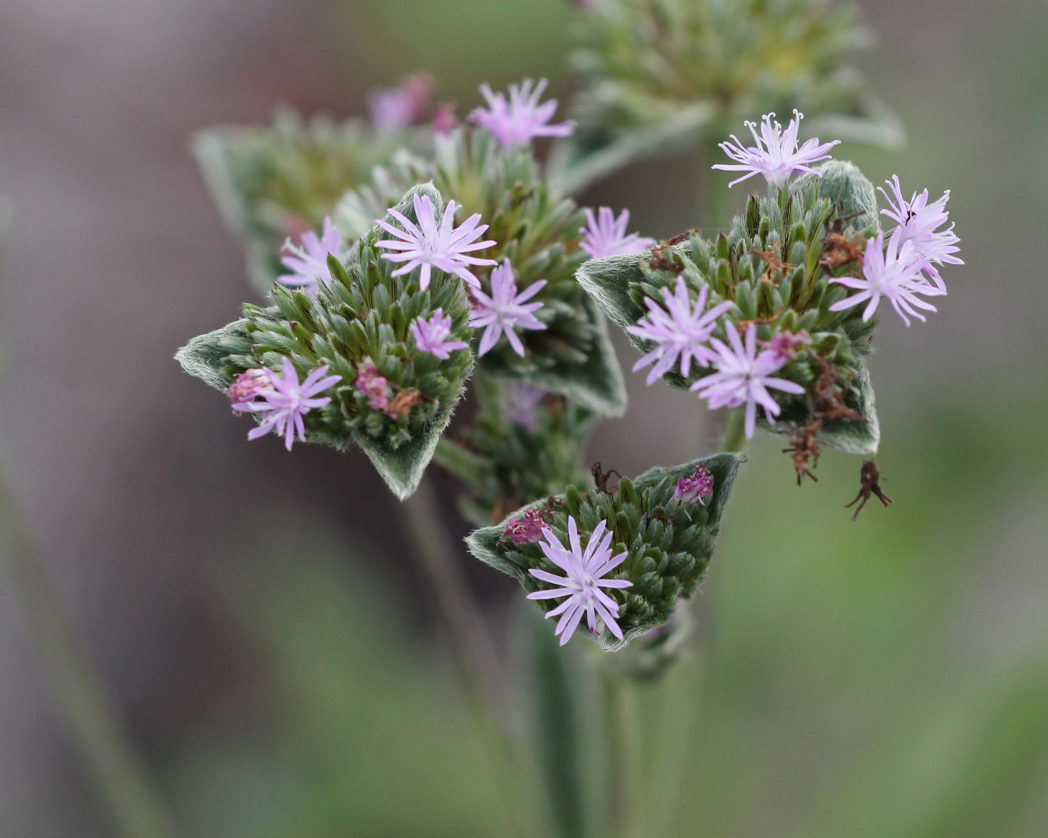
Tall elephantsfoot
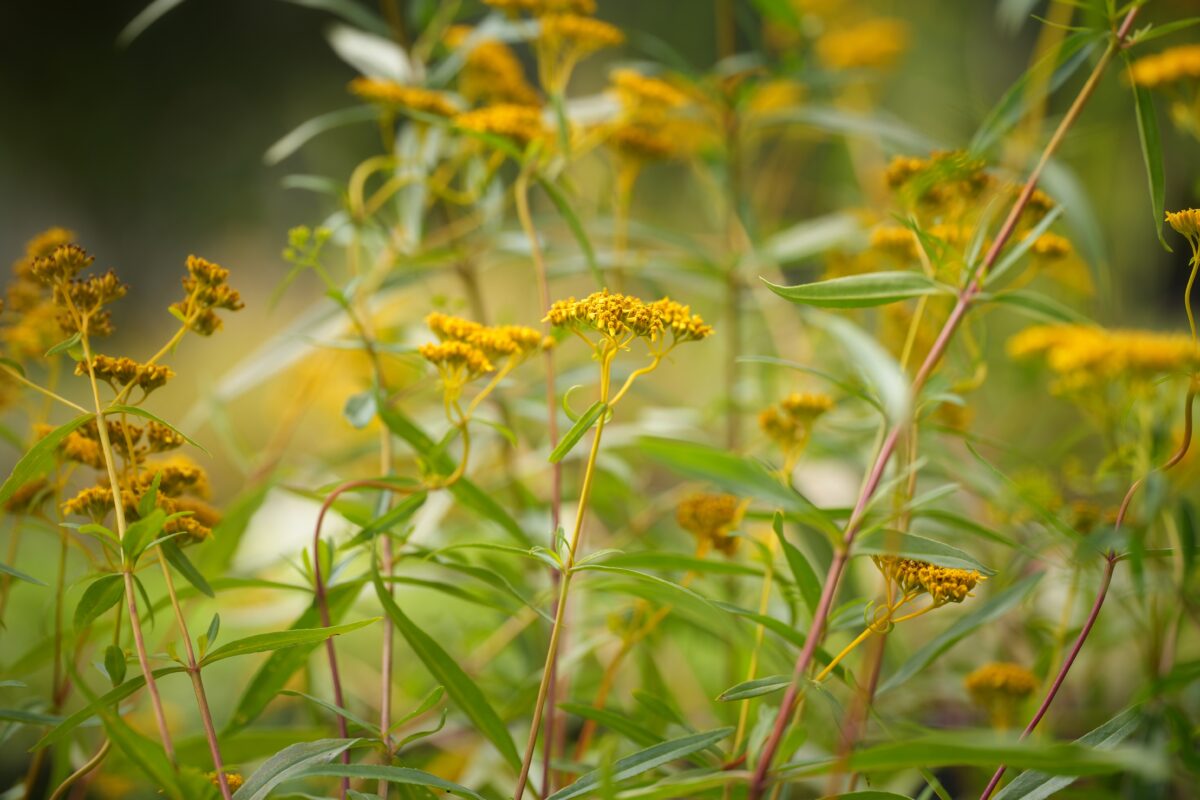
Narrowleaf yellowtops
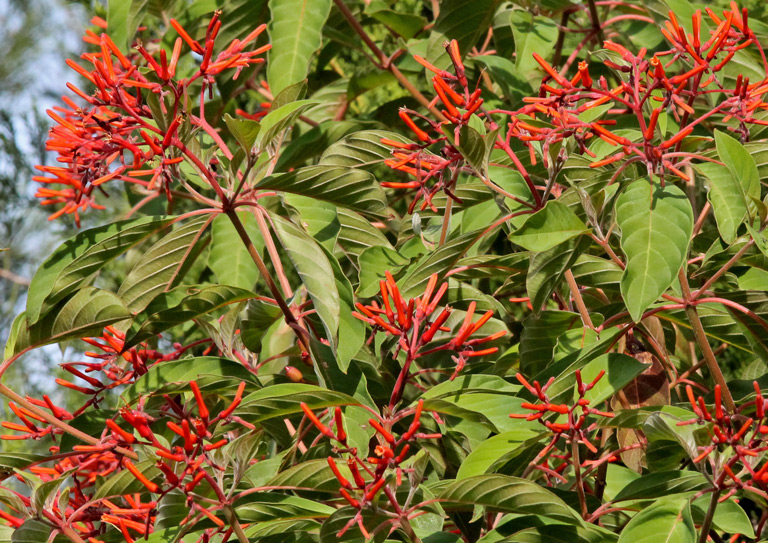
Firebush
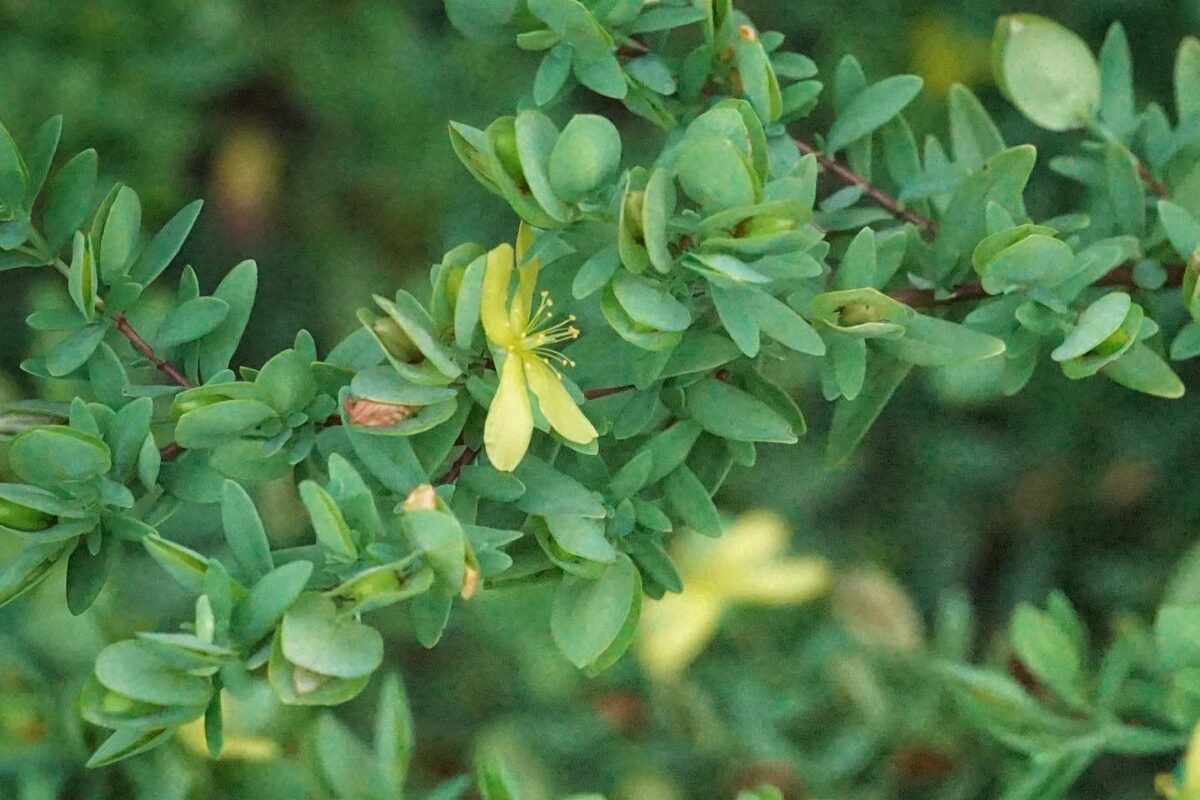
St. Andrew’s cross
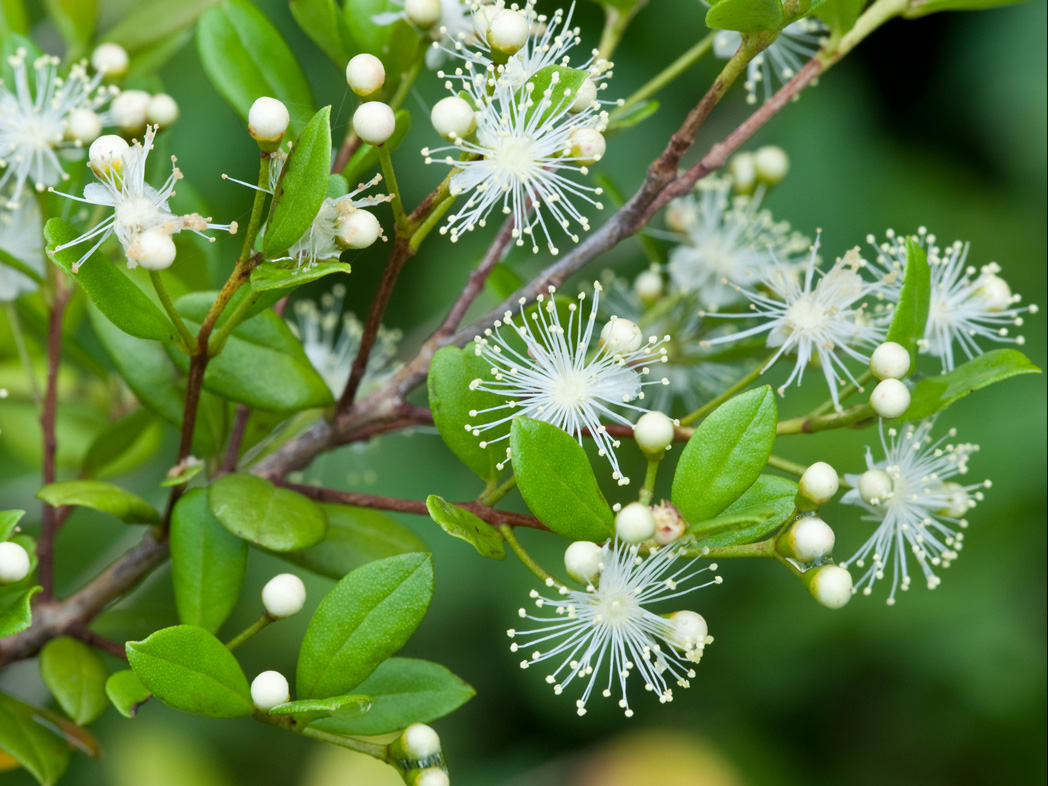
Simpson’s stopper
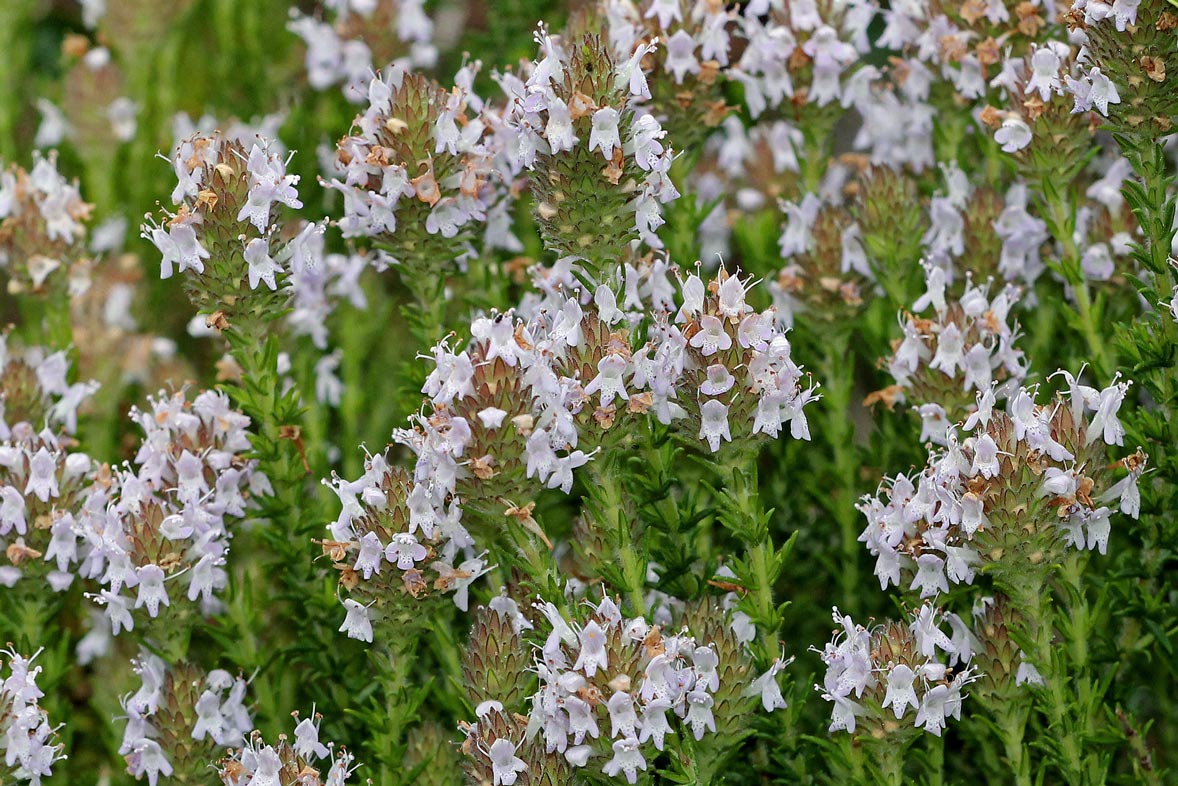
Wild pennyroyal
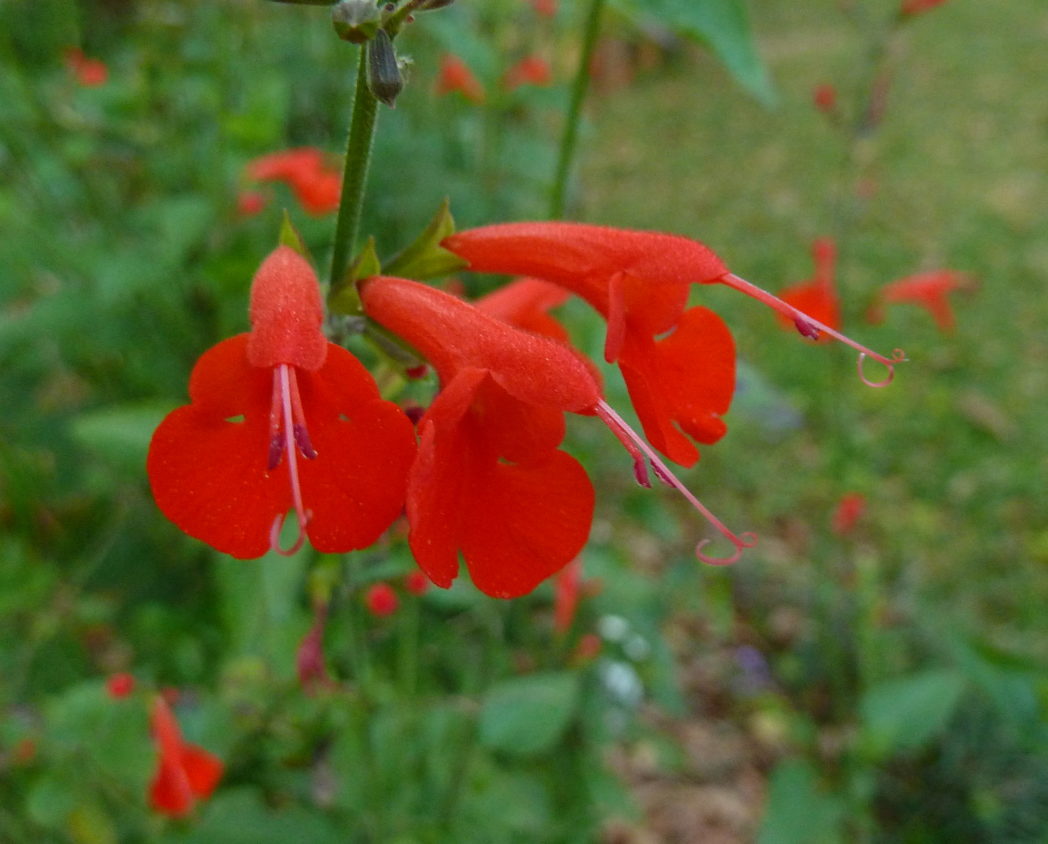
Tropical sage
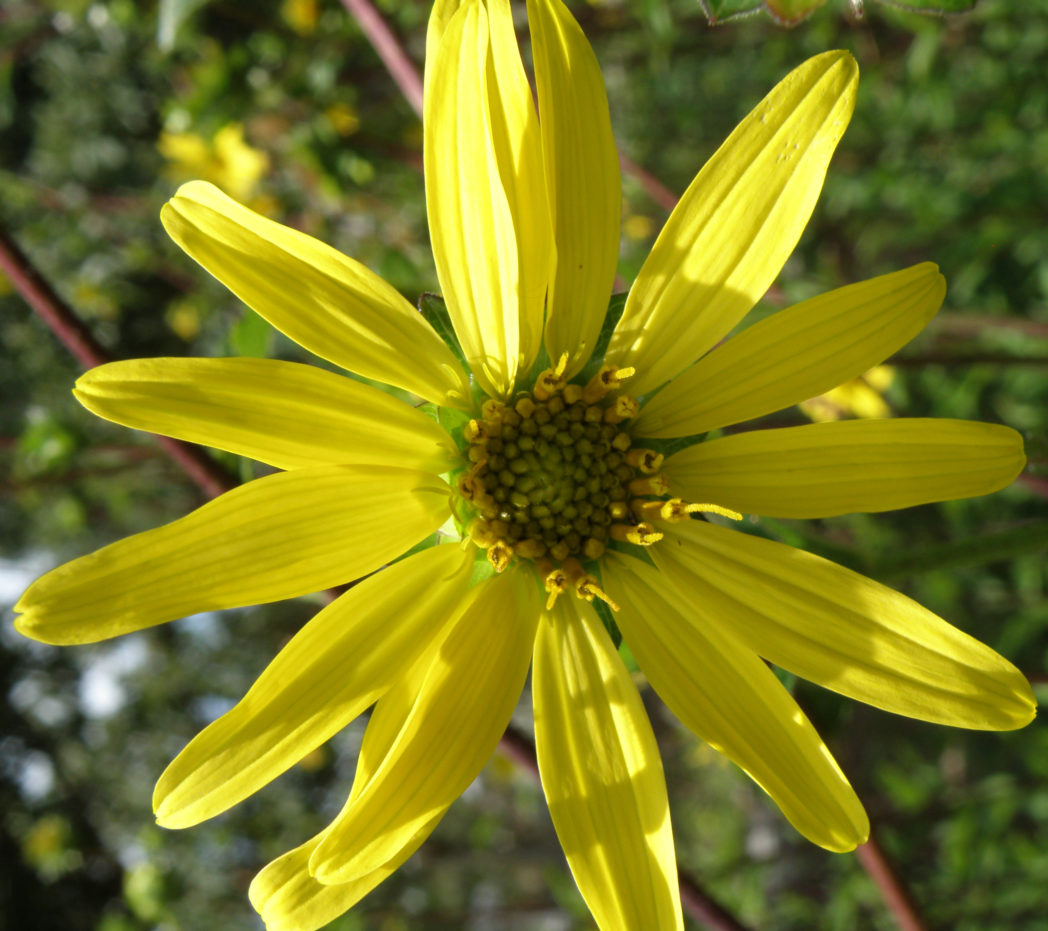
Starry rosinweed
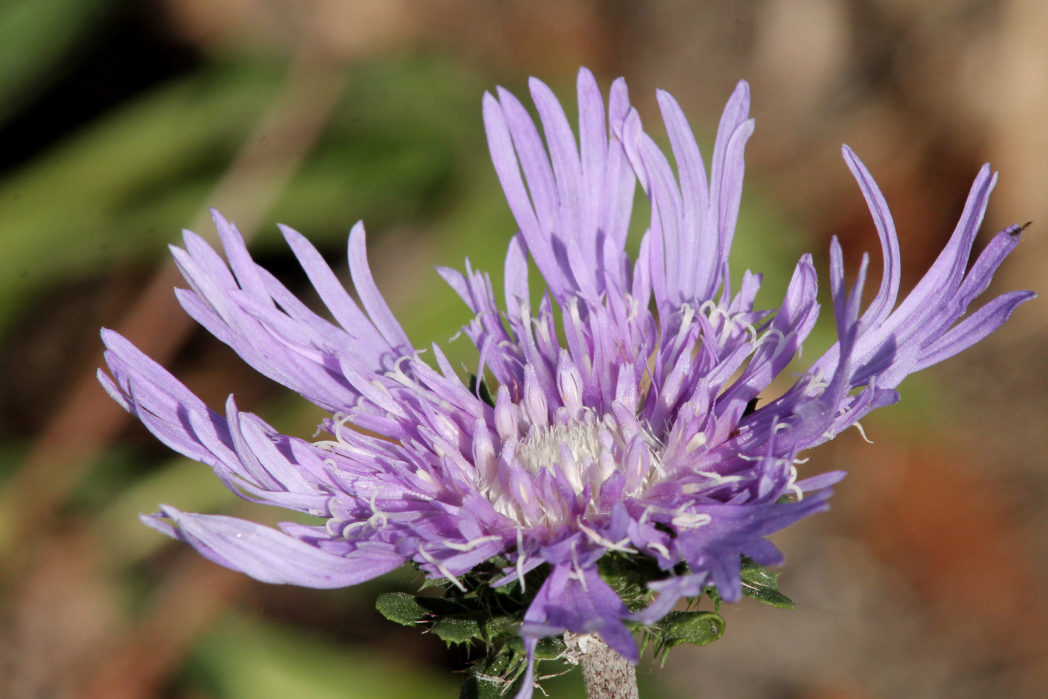
Stokes’ aster
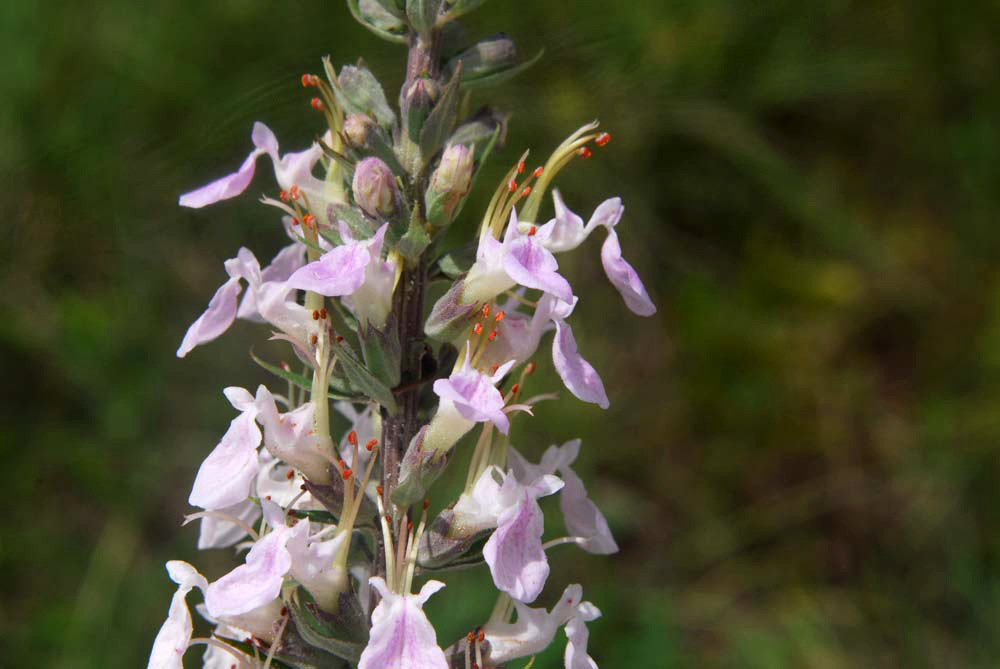
Wood sage
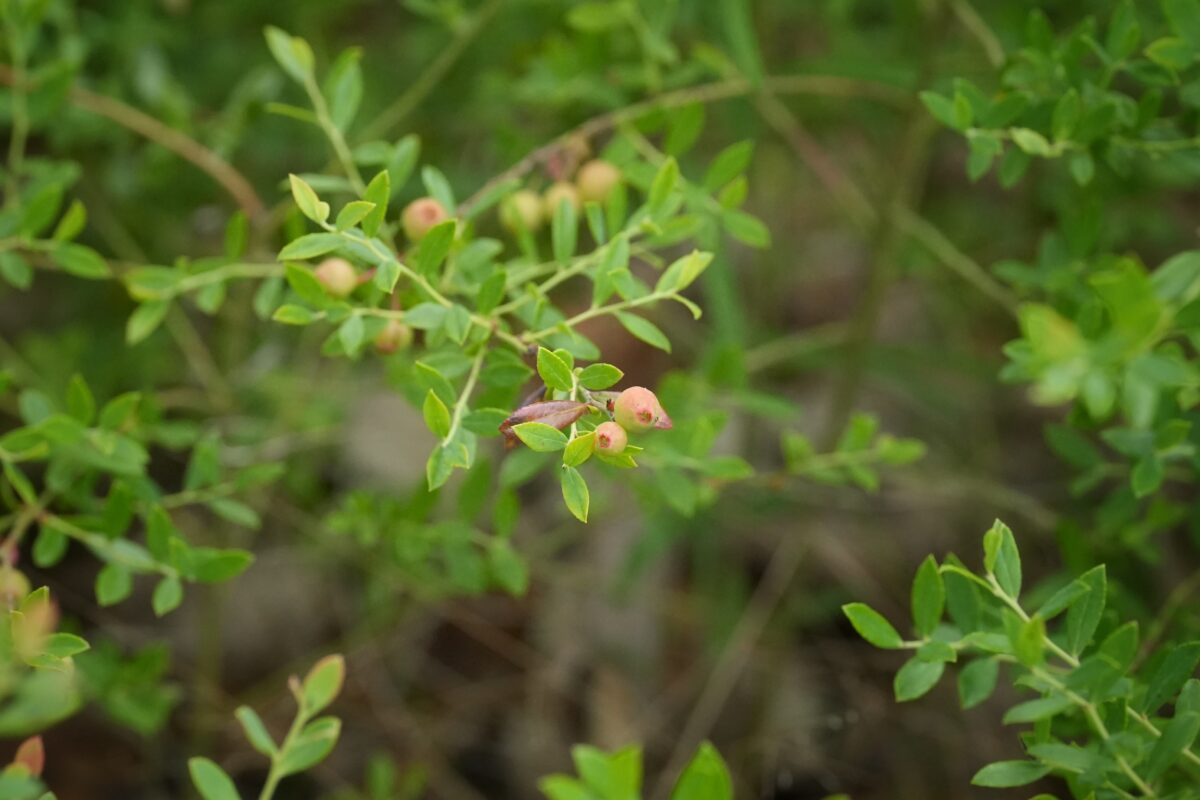
Darrow’s blueberry
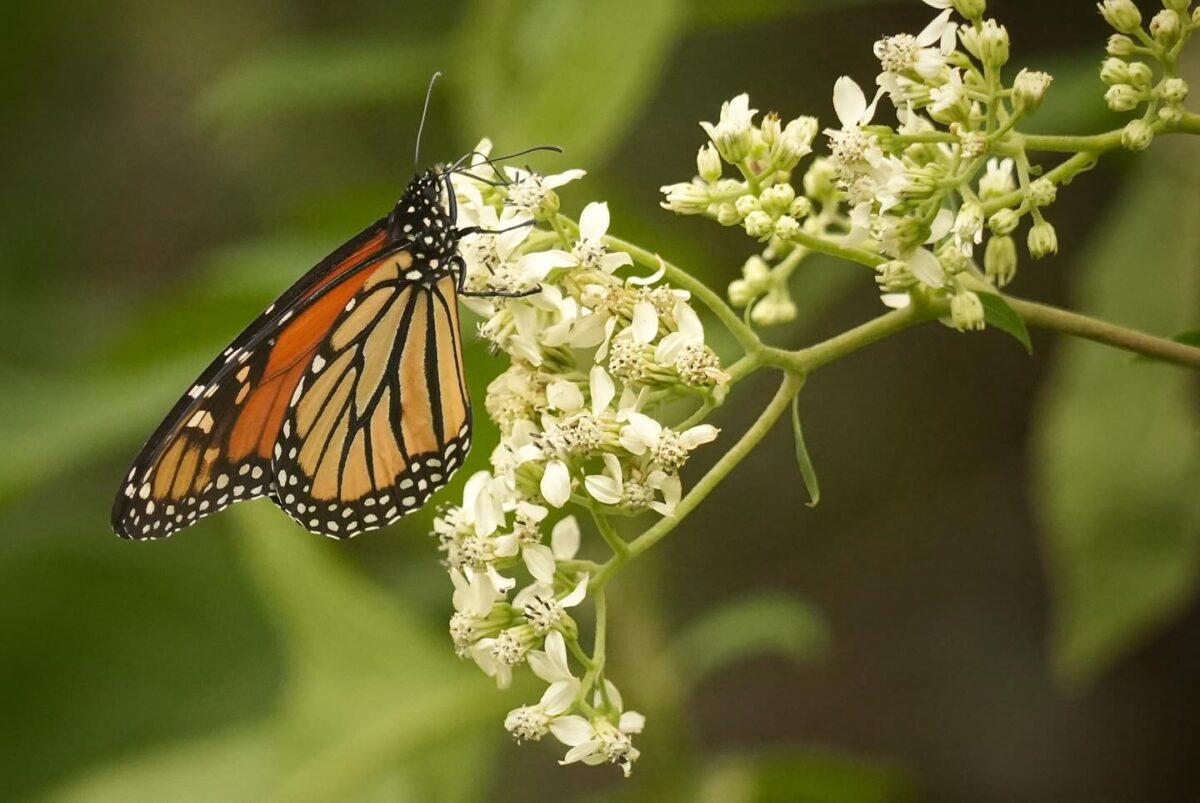
Frostweed
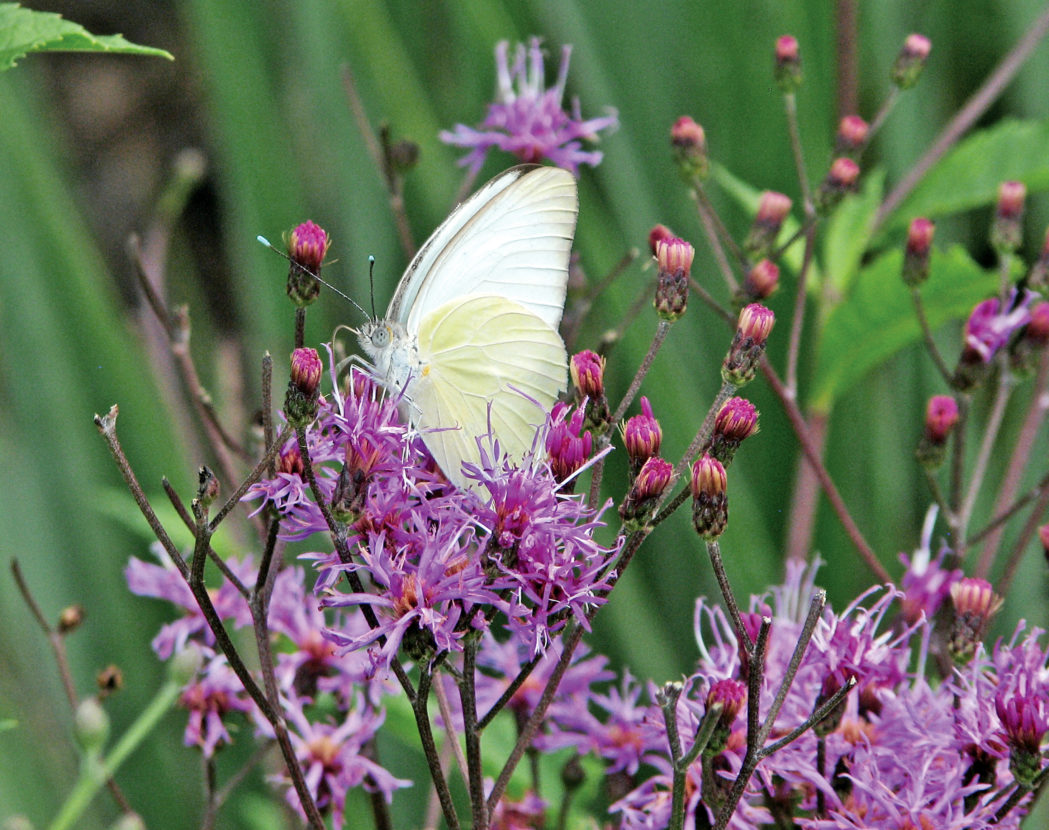
Giant ironweed
POLLINATORS NEED YOUR HELP!
Help Florida’s wildlife and environment by using native wildflowers and plants in your landscape. Click here to learn more information on planting, selecting and maintaining native plants, or check out these resources:
- 20 Easy-to-Grow Wildflowers
- Guide for Choosing Native Plants
- Attracting Birds with Florida Native Wildflowers
- Attracting Bees and Other Beneficial Insects with Florida Native Wildflowers
- Attracting Butterflies with Florida Native Wildflowers
- Great Wildflowers for Dry Landscapes
- Great Wildflowers for Shade
- Aquatic Wildflowers for Pollinators
- Create a Pollinator Pot