McRorie community garden is one of 5 gardens around that city recognized by the USDA as part of the People’s Garden Initiative. The People’s Garden Initiative is part of USDA’s broader efforts to advance equity, support local and regional food systems and access to food and encourage use of conservation and climate-smart practices.
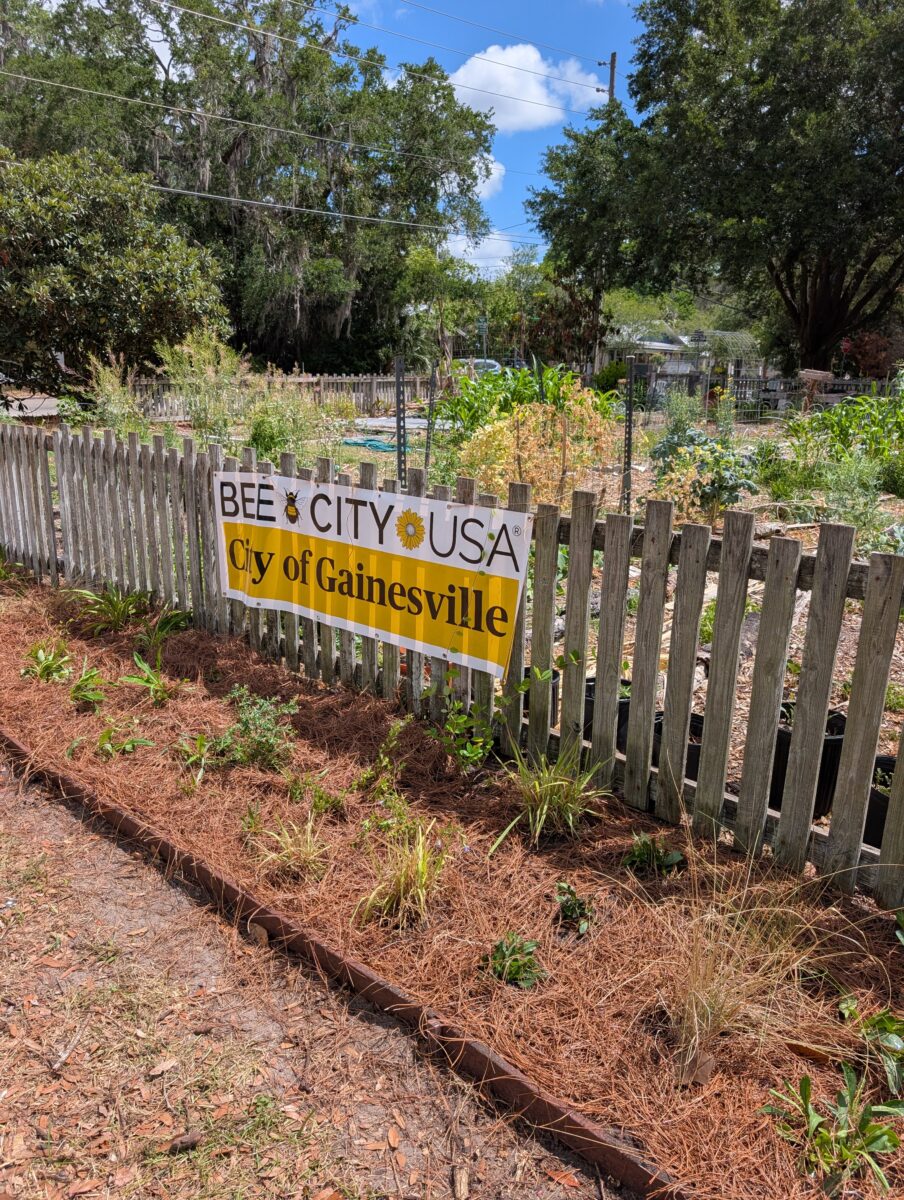
Through the efforts of Bee City volunteers the fenceline is now planted with diverse mix of Florida native wildflowers, grasses, and shrubs that support butterflies, bees, birds, and other wildlife. This planting brings biodiversity while also increasing pollination, yields and pest control for the food plots.
DID YOU KNOW?
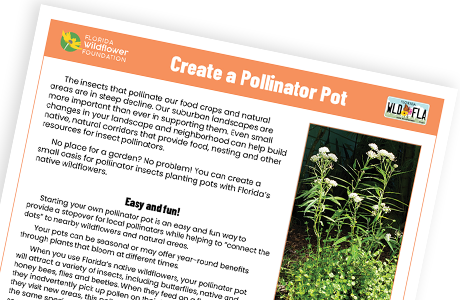
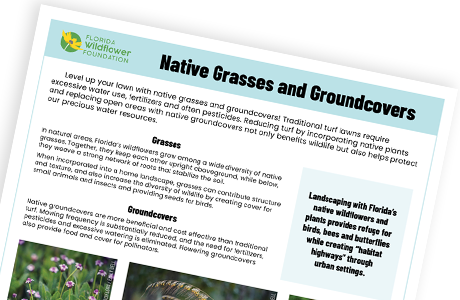
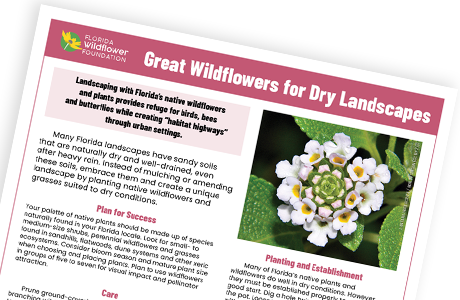
Florida native plants are adapted to thrive in our climate, conditions and soil. They need less water than other plants, and require no fertilizers, pesticides or other chemicals. This saves precious water resources and keeps excess nutrients from polluting lakes, rivers and streams.
Bee City native plant garden installation at the McRorie Community Garden
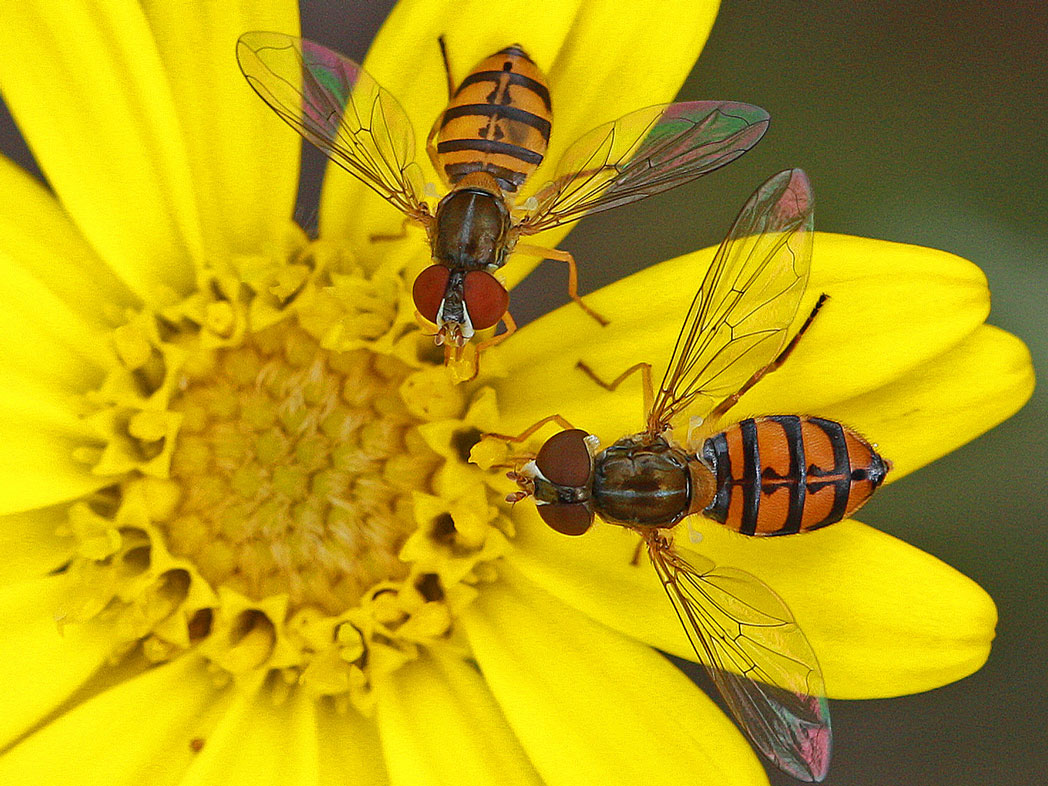
The City of Gainesville received its Bee City USA designation in November 2022. An initiative of the Xerces Society, Bee City USA’s mission is to galvanize communities to sustain pollinators by providing them with healthy habitat, rich in a variety of native plants and free of insecticides. Pollinators like bumble bees, sweat bees, mason bees, honey bees, butterflies, moths, beetles, flies, hummingbirds, and many others are responsible for the reproduction of almost ninety percent of the world’s flowering plant species and one in every three bites of food we consume.
The Florida Wildflower Foundation protects, connects and expands native wildflower habitats through education, research, planting and conservation. Learn more at FlaWildflowers.org.
The McRorie Community Garden — Featured Plants
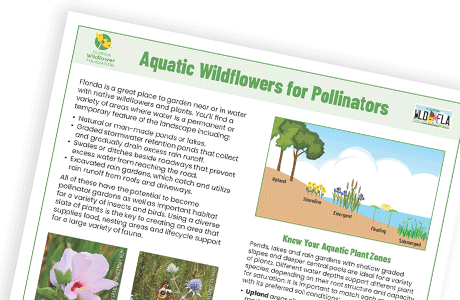
The following native species were planted in the Peaceful Paths native plant garden:
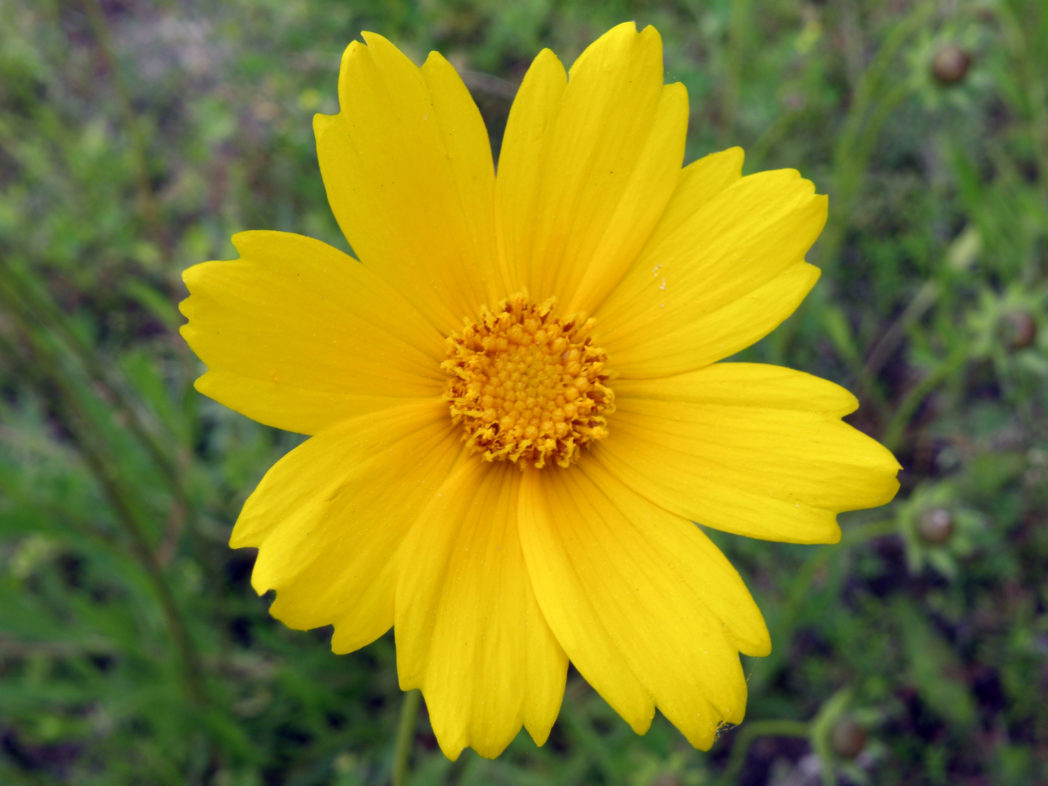
Lanceleaf tickseed (Coreopsis lanceolata ) has conspicuously sunny flowers that typically bloom in spring. It attracts butterflies and other pollinators, and its seeds are eaten by birds and small wildlife.
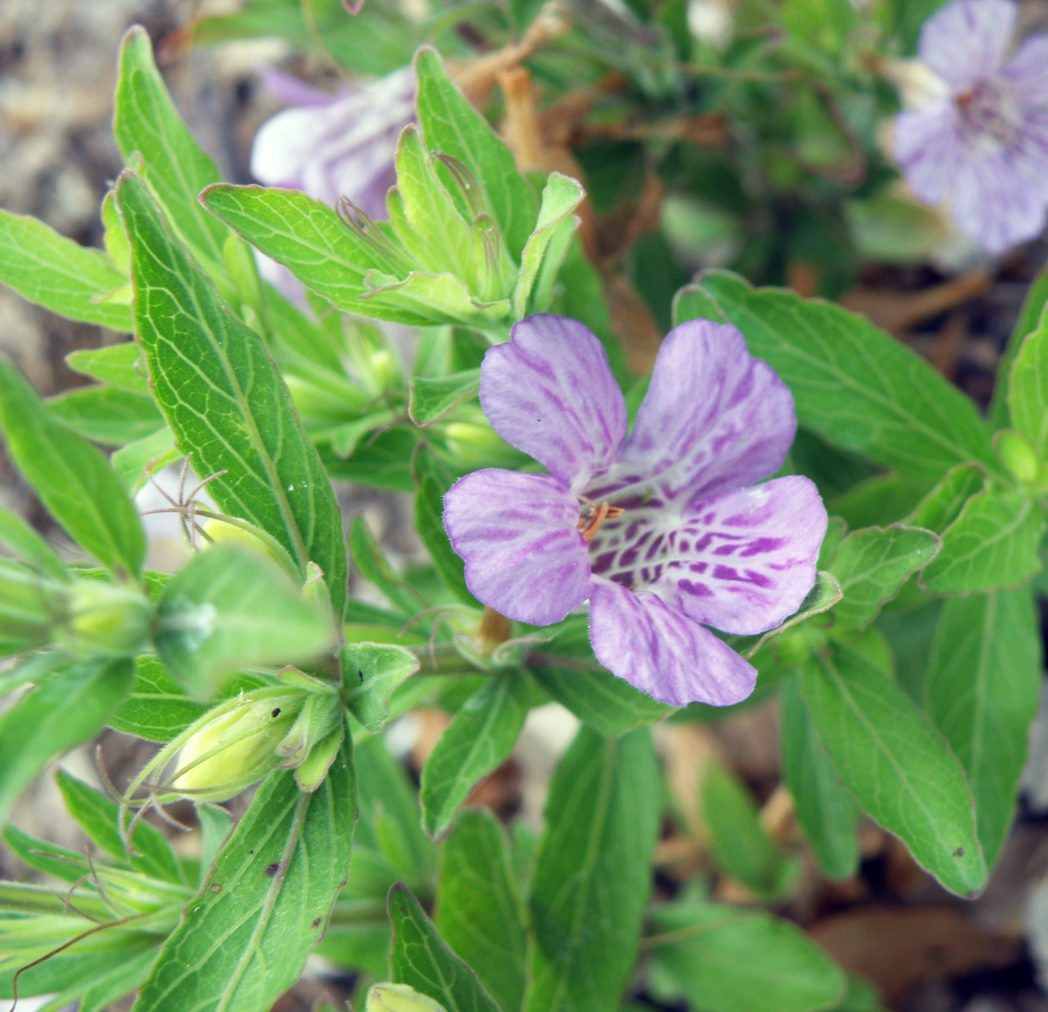
If you are tired of mowing, watering and fertilizing the lawn, consider replacing your turf grass with Oblongleaf twinflower (Dyschoriste oblongifolia), an easy-to-care-for native groundcover.
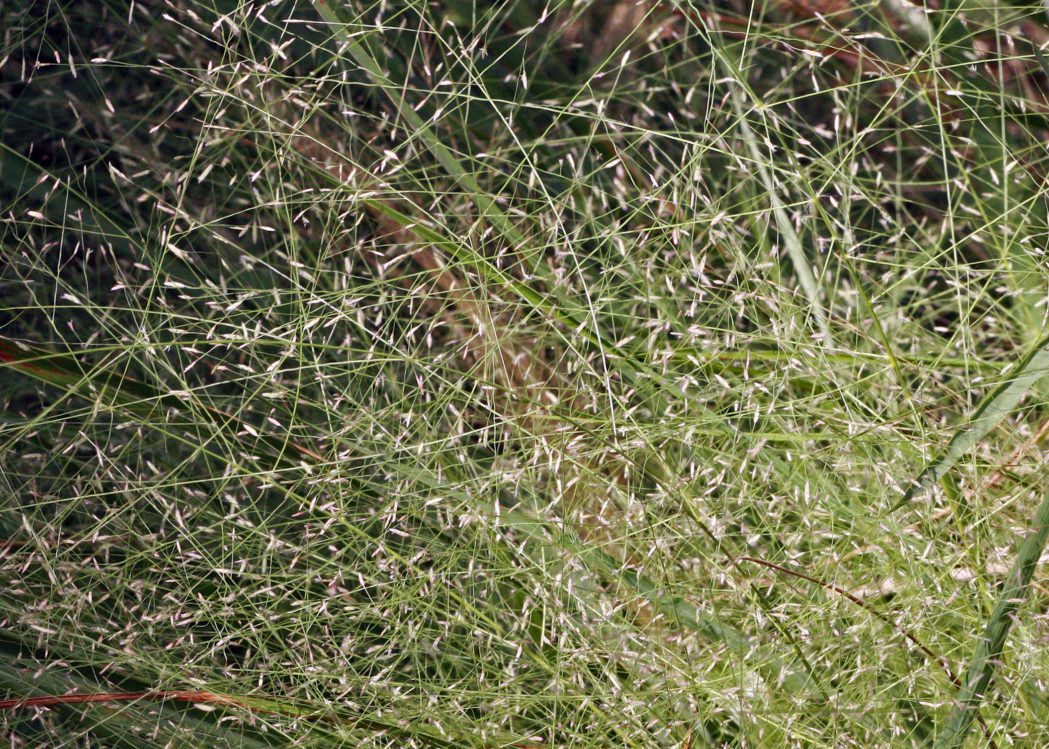
Elliott’s lovegrass (Eragrostis elliottii) is a perennial bunchgrass with an abundance of delicate flowers that cover the plant in a billowy beige haze.
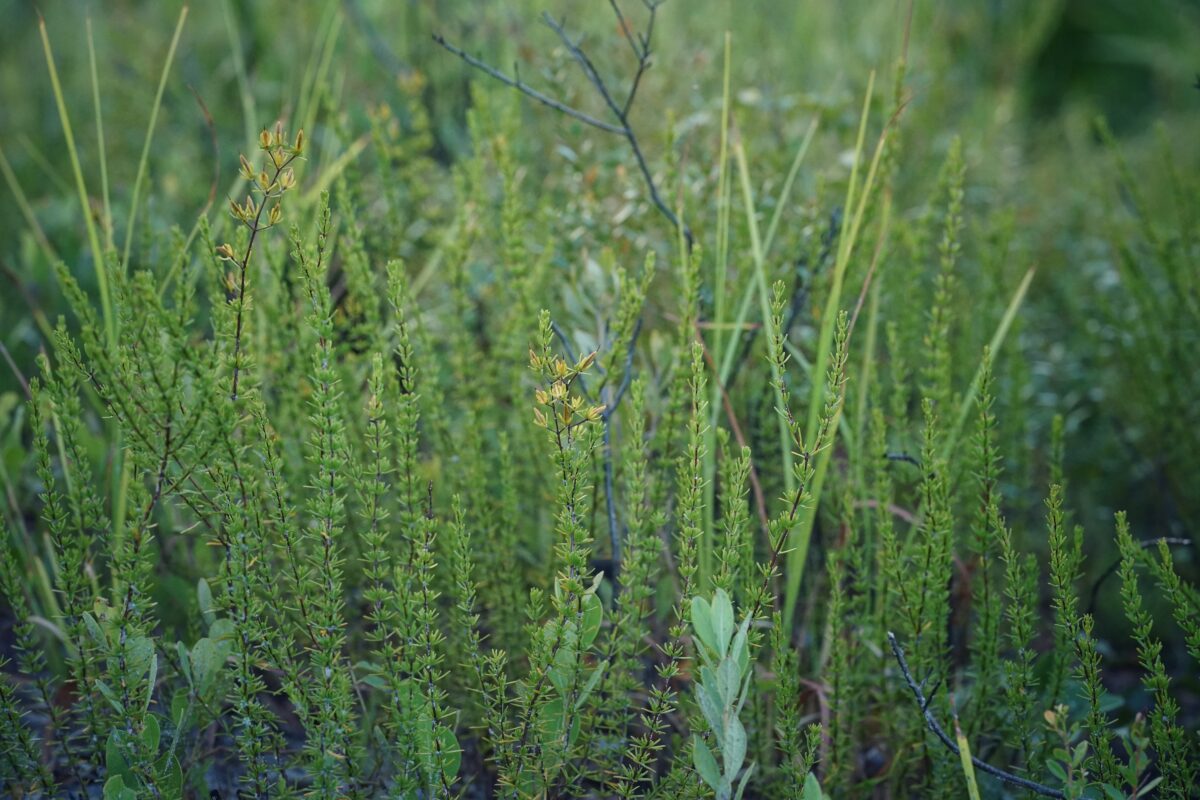
Atlantic St. John’s wort (Hypericum tenuifolium) occurs in scrub, pine flatwoods, sandhills and coastal swales. Its many golden flowers bloom in the summer, attracting a host of native bees and…
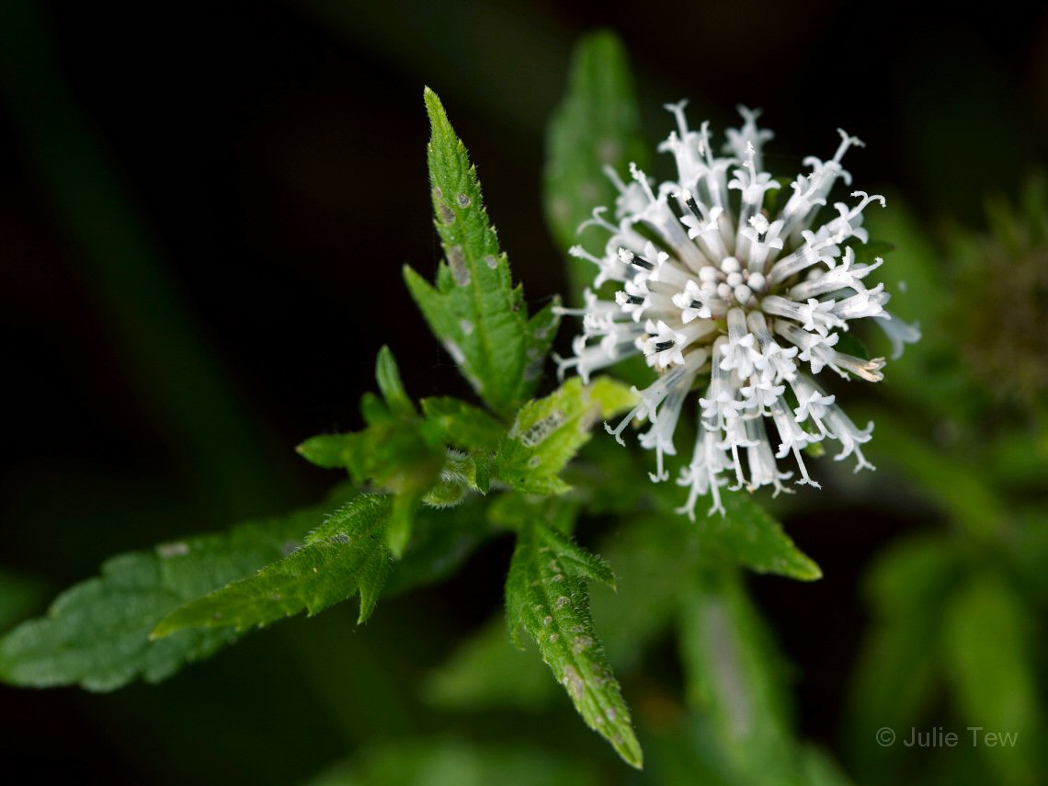
Also known as Cat’s tongue, Salt and pepper and Nonpareil, Snow squarestem (Melanthera nivea) typically blooms summer through early winter, but can bloom year-round, attracting bees, butterflies and other pollinators.
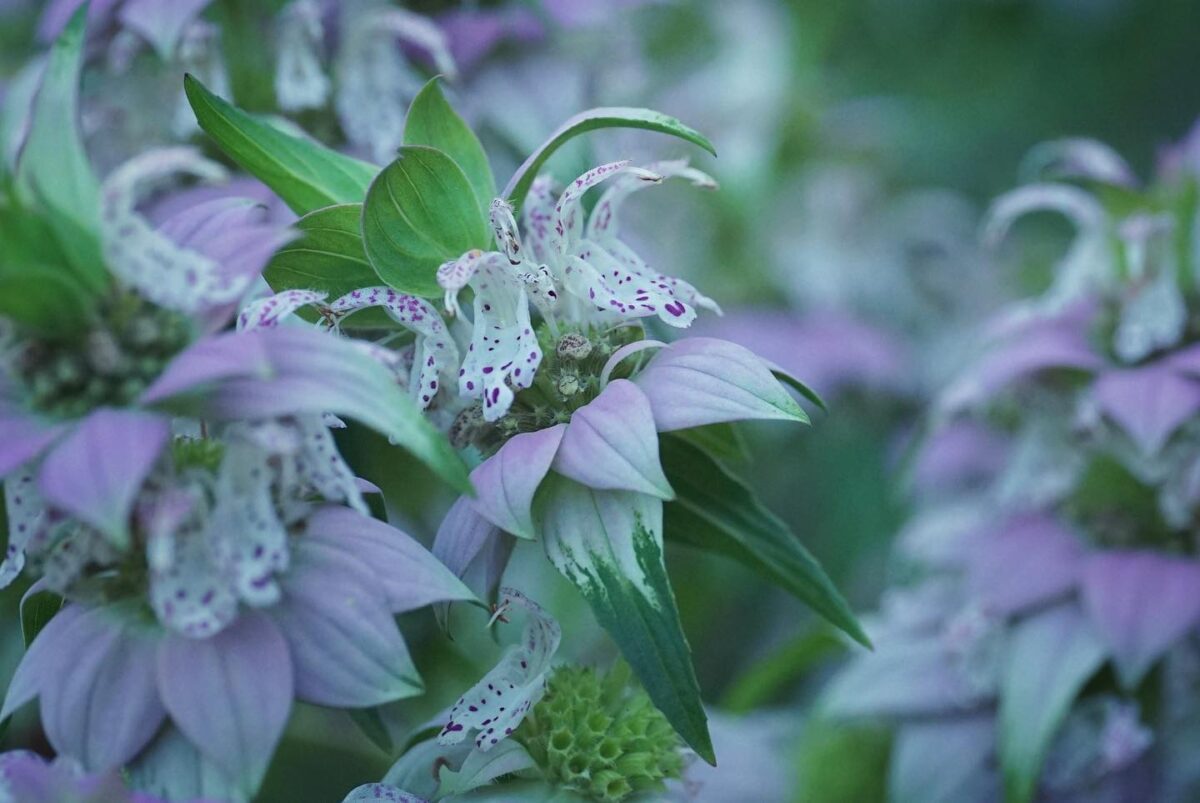
Spotted beebalm (Monarda punctata) is a robust, aromatic wildflower known to attract a huge variety of pollinating insects, including bees, wasps and butterflies. It blooms from early summer through fall.
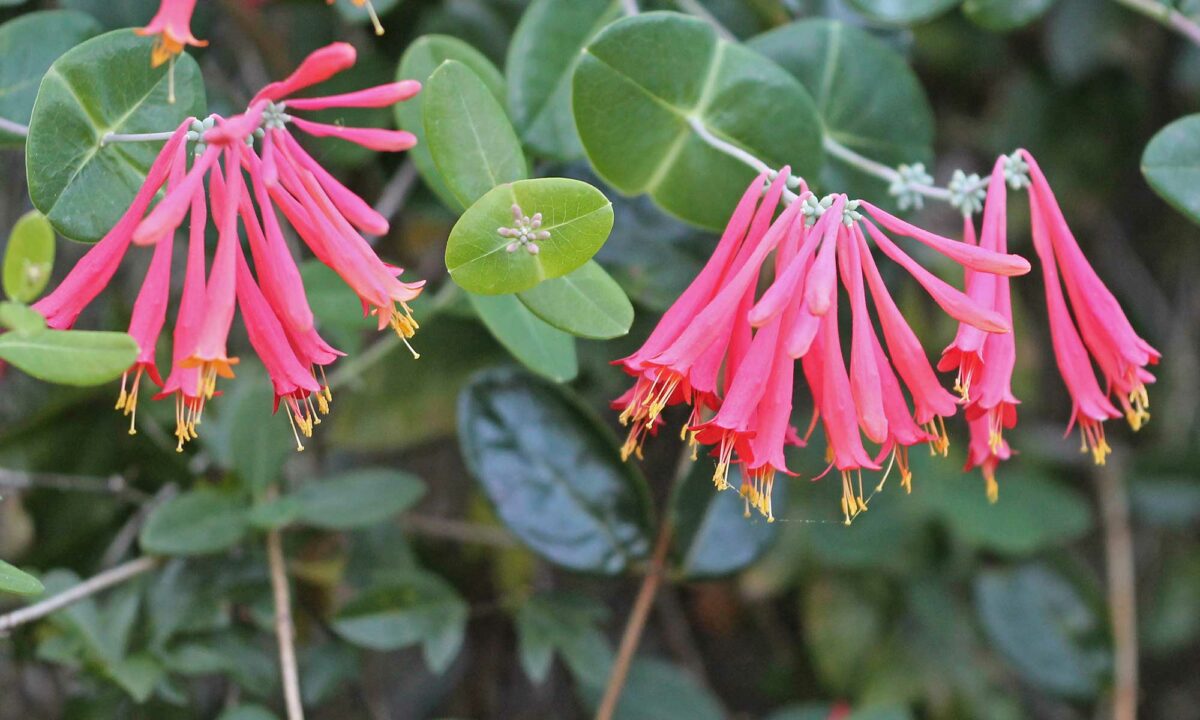
Coral honeysuckle (Lonicera sempervirens) flowers are attractive to many butterflies, and hummingbirds find them irresistible. Birds such as Northern cardinals enjoy the bright red berries.
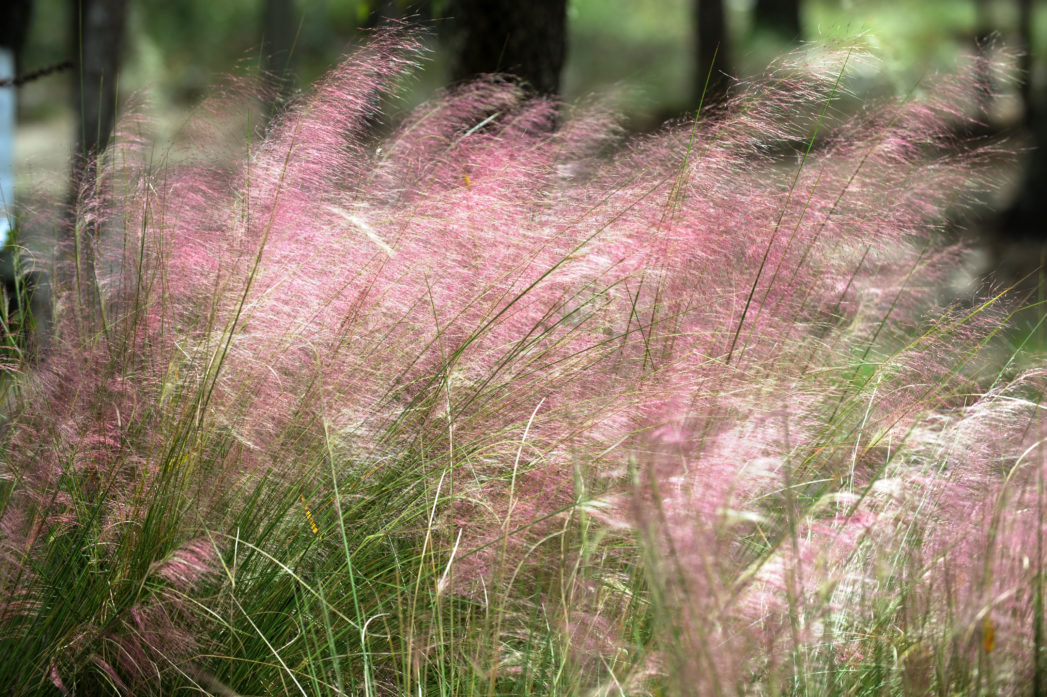
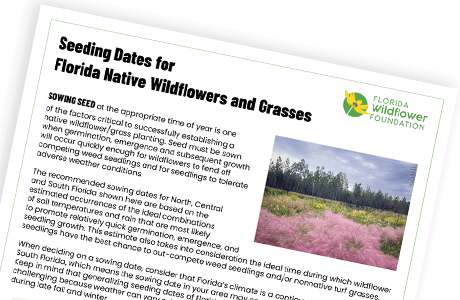
Nothing says fall in Florida like the purple haze of Muhlygrass (Muhlenbergia capillaris) in bloom. When planted en masse, this perennial bunchgrass puts on a spectacular fall display.
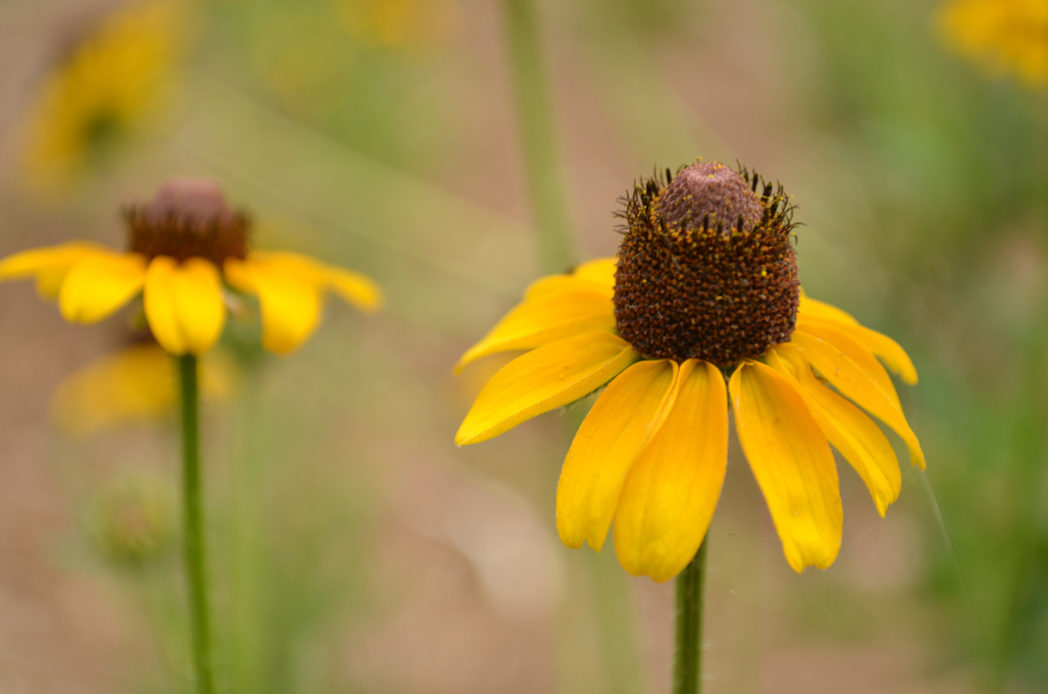
Black-eyed Susan (Rudbeckia hirta) typically blooms in spring through fall. It is pollinated by a variety of insects, and its seeds are eaten by seed-eating birds.
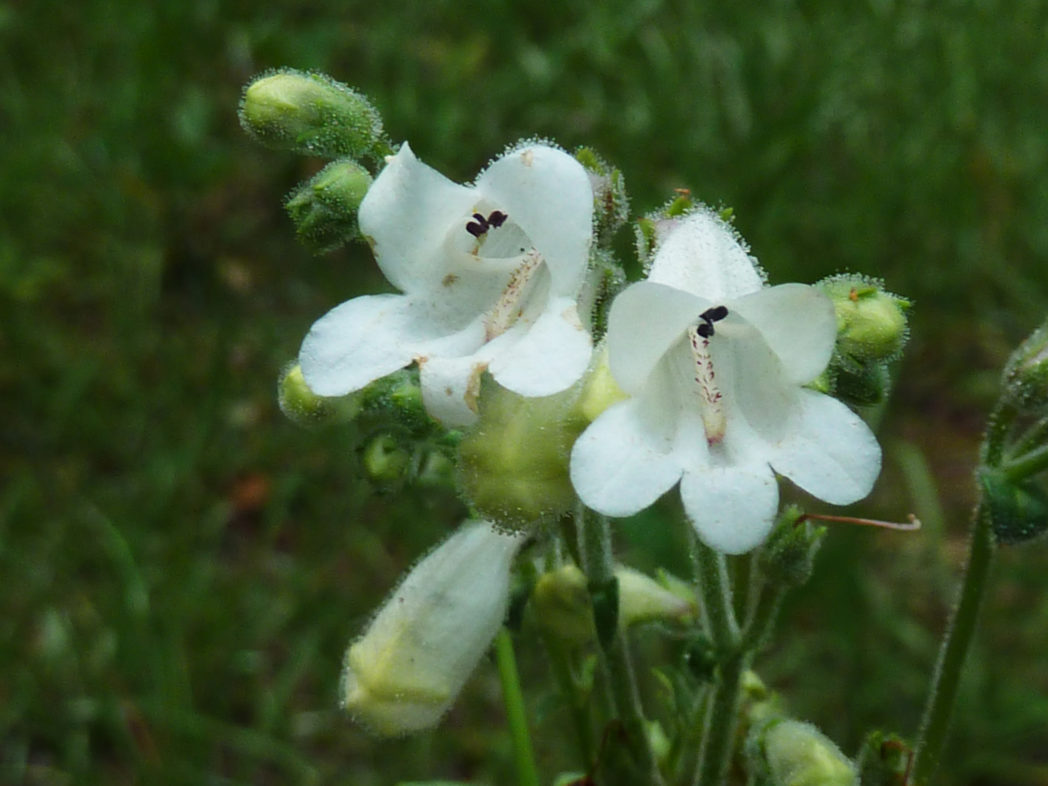
Manyflower beardtongue (Penstemon multiflorus) occurs naturally in scrub, sandhills and scrubby flatwoods. It has many showy white flowers that attract a number of pollinators, including hummingbirds.
Narrowleaf silkgrass (Pityopsis graminifolia) blooms late summer through early winter in sandhill, flatwoods and scrub habitats throughout the state. It has brilliant yellow flowers and silvery leaves.
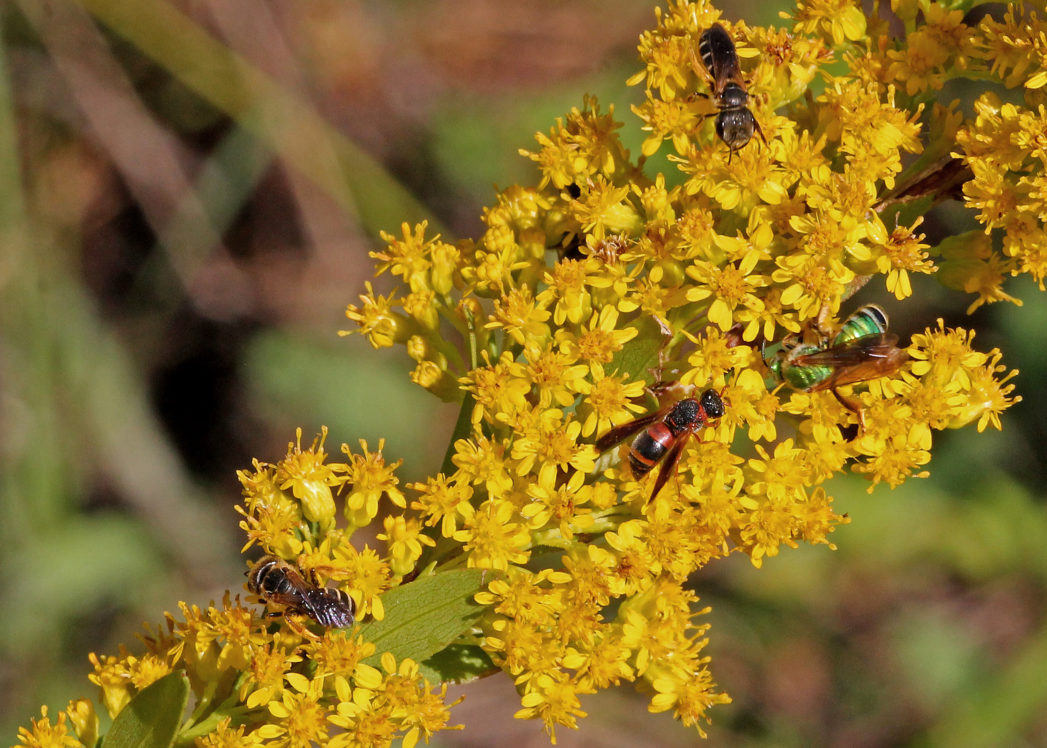
Seaside goldenrod (Solidago sempervirens ) blooms in showy masses on dunes, in swales and brackish marshes, on sandy soils in coastal areas, and occasionally inland throughout the state.
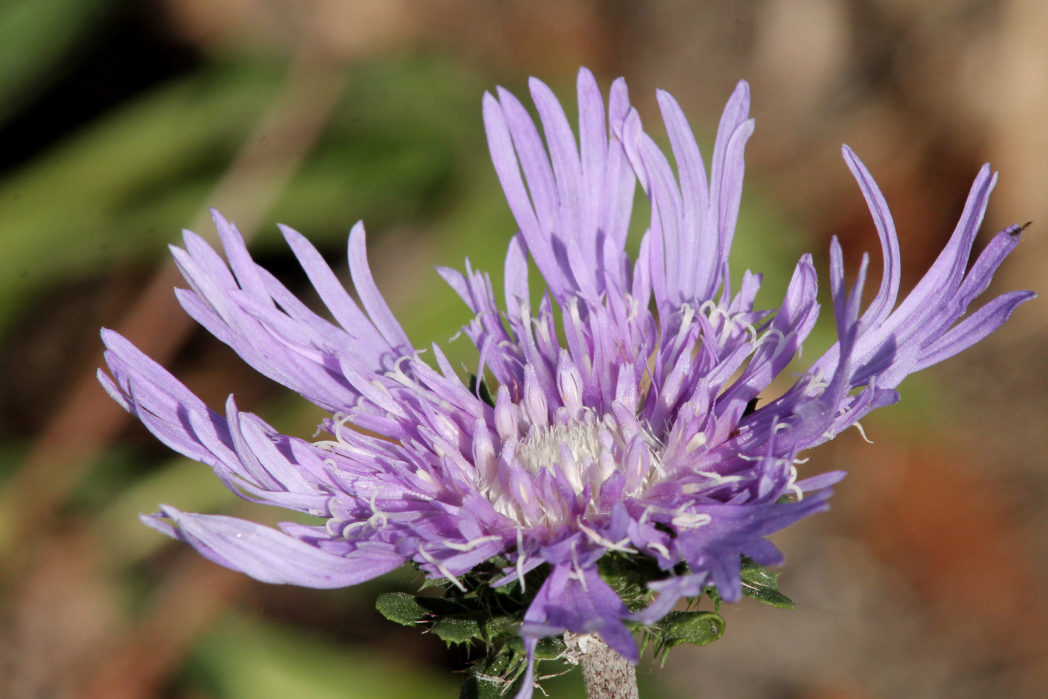
Stokes’ aster (Stokesia laevis) typically blooms in spring and summer, but may bloom throughout the year, attracting a variety of bees, wasps and butterflies.
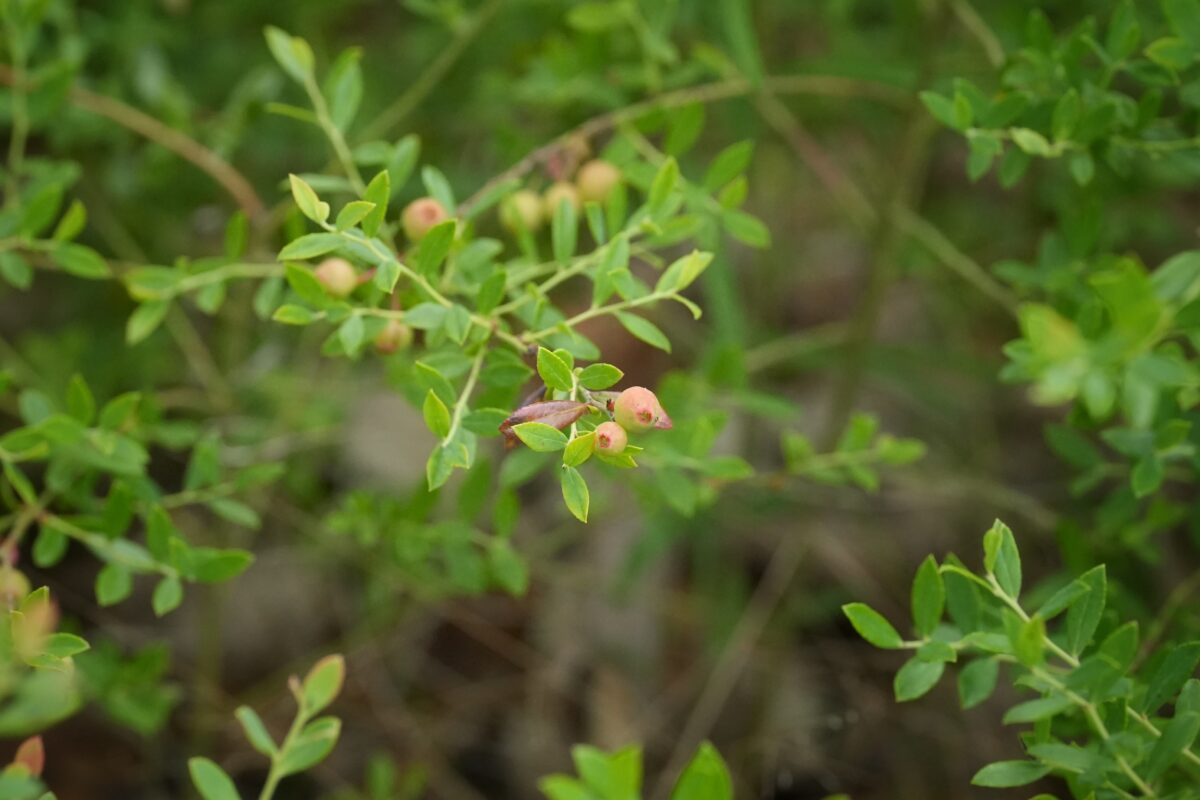
Darrow’s blueberry (Vaccinium darrowii) is a small shrub that is underappreciated as a landscape plant. Its profuse spring blooms attract many pollinators and the sweet summer berries are attractive to…
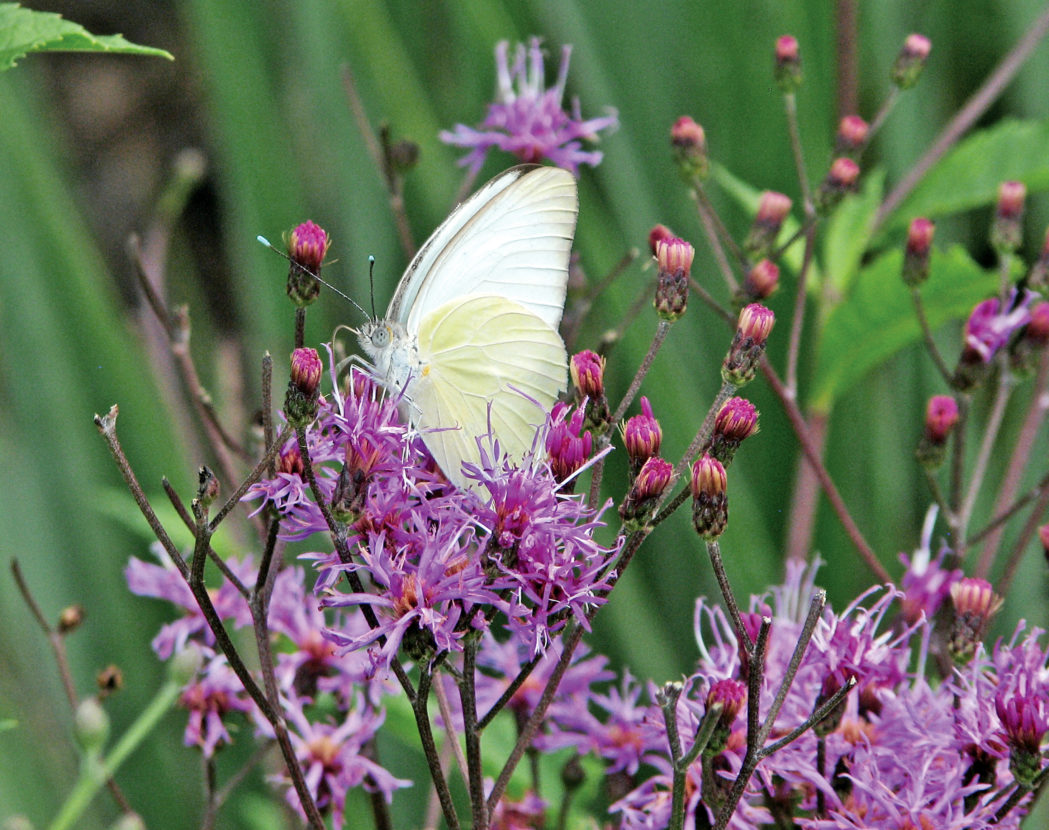
Giant ironweed (Vernonia gigantea) is a robust perennial wildflower that blooms in summer and fall, attracting a variety of pollinators, especially butterflies.
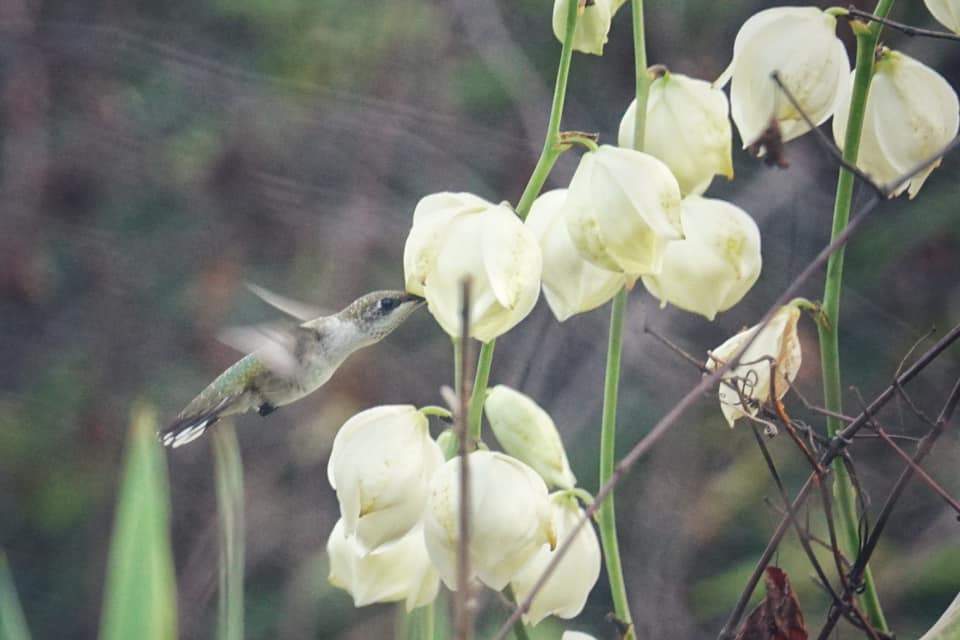
Adam’s needle (Yucca filamentosa) is a low-growing evergreen shrub found in scrub, sandhills, flatwoods and coastal dunes throughout much of Florida. As a landscape plant, it provides interest with its…
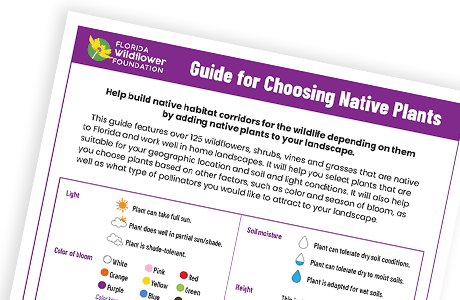
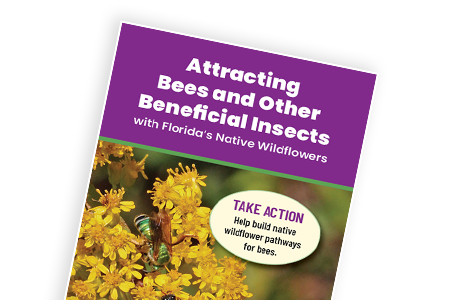
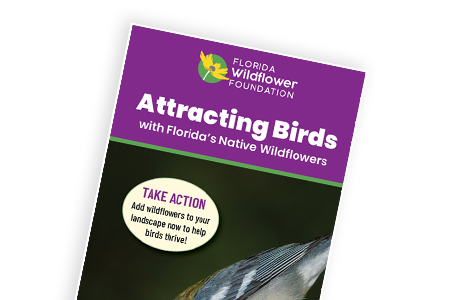
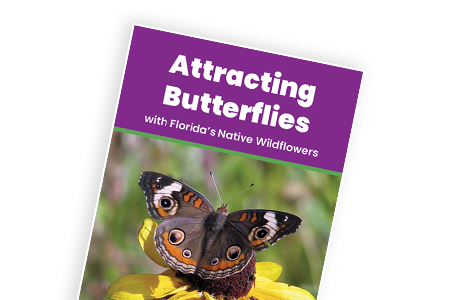
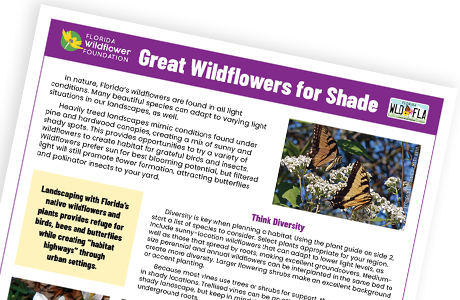
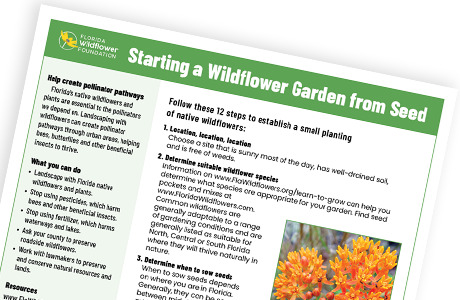
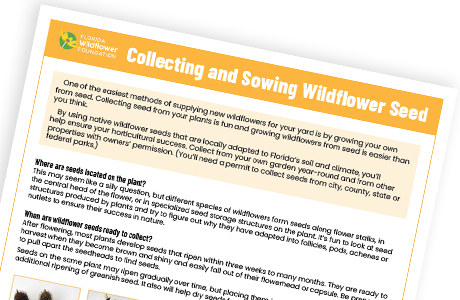
Help Florida’s wildlife and environment by using native wildflowers and plants in your landscape. Click here to learn more information on planting, selecting and maintaining native plants, or check out these resources: