Located at the edge of the Pleasant Street Historic District, the historic Dunbar Hotel was built in 1936 by Jack and Sophronia Dunbar and at the time was the only hotel in Gainesville that welcomed people of color. It now operates as a restaurant with an emphasis on history and community.
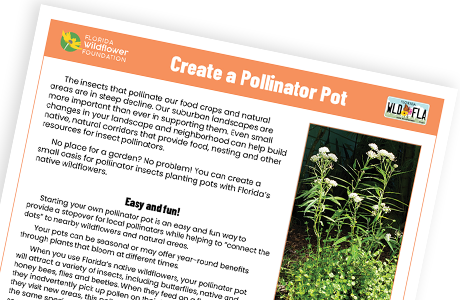
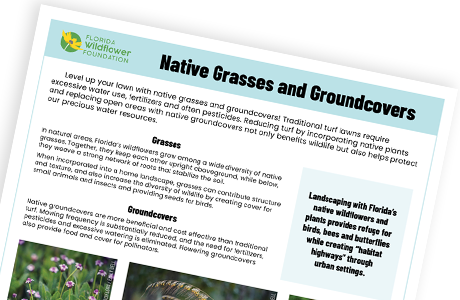
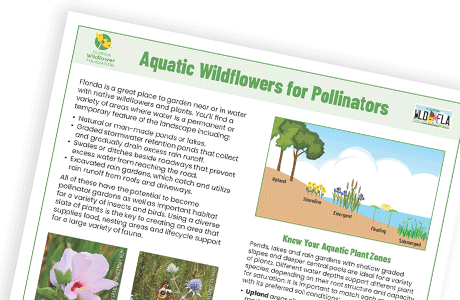
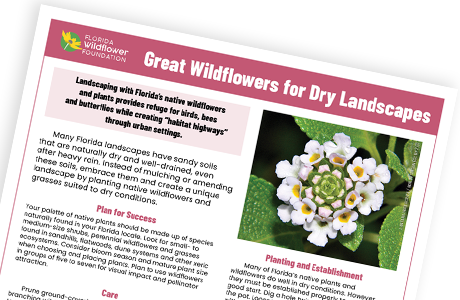
The entire grounds are planted with Florida native wildflowers, grasses, and shrubs that support butterflies, bees, birds, and other wildlife. Designed by Emergent Gardens and planted by volunteers, the landscape honors the site’s cultural history while demonstrating the ecological value of native plants.
DID YOU KNOW?
Florida native plants are adapted to thrive in our climate, conditions and soil. They need less water than other plants, and require no fertilizers, pesticides or other chemicals. This saves precious water resources and keeps excess nutrients from polluting lakes, rivers and streams.
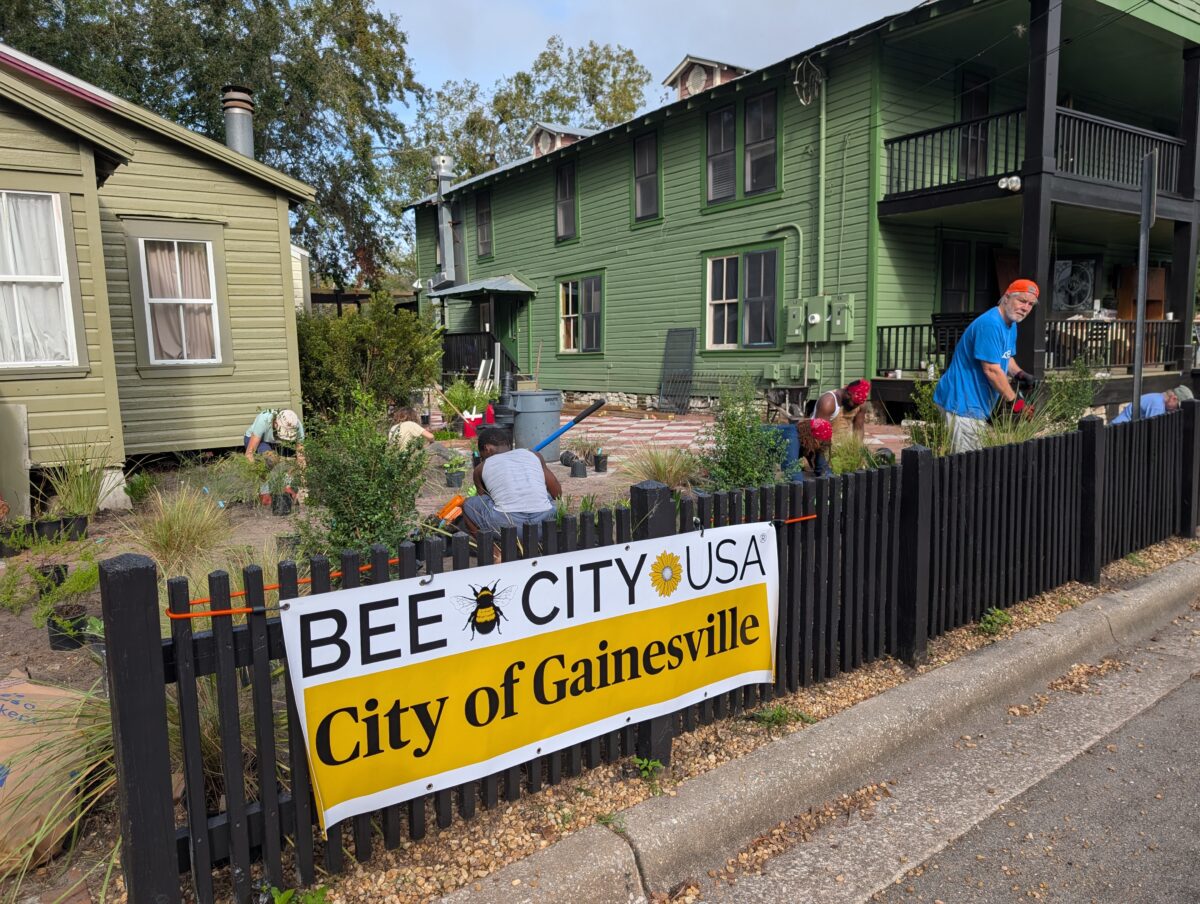
Bee City native plant garden installation at the Historic Dunbar Hotel
The City of Gainesville received its Bee City USA designation in November 2022. An initiative of the Xerces Society, Bee City USA’s mission is to galvanize communities to sustain pollinators by providing them with healthy habitat, rich in a variety of native plants and free of insecticides. Pollinators like bumble bees, sweat bees, mason bees, honey bees, butterflies, moths, beetles, flies, hummingbirds, and many others are responsible for the reproduction of almost ninety percent of the world’s flowering plant species and one in every three bites of food we consume.
The Florida Wildflower Foundation protects, connects and expands native wildflower habitats through education, research, planting and conservation. Learn more at FlaWildflowers.org.
The Dunbar Native Garden — Featured Plants
The following native species were planted in the Peaceful Paths native plant garden:
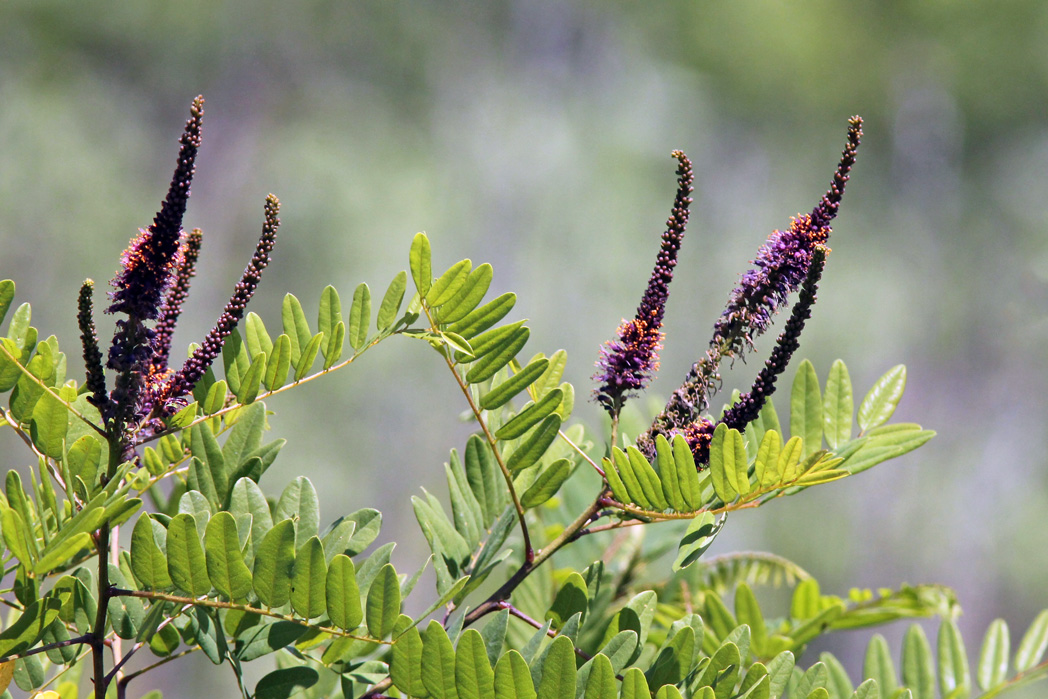
False indigo (Amorpha fruticosa) has a striking spring and summer floral display that attracts many pollinators. The plant is a larval host for the Silver-spotted skipper, Southern dogface and Gray…
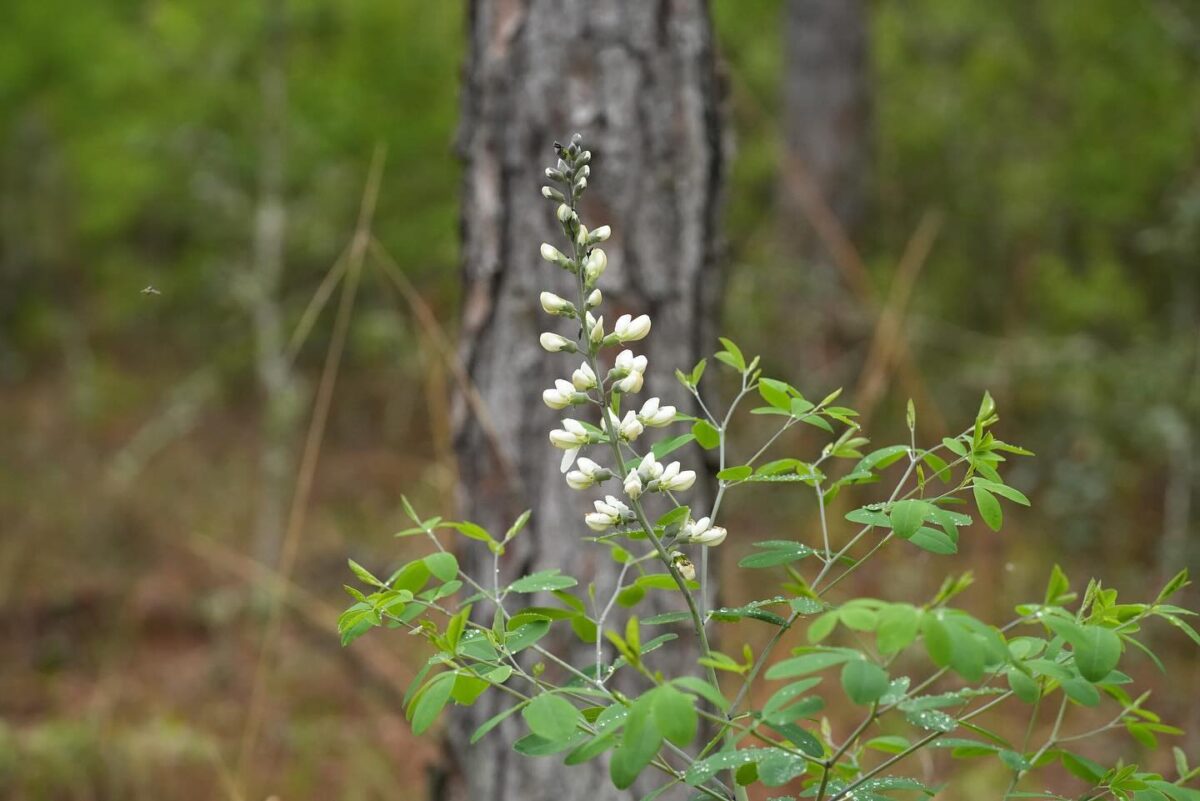
White wild indigo (Baptisia alba) has showy white blooms that attract many pollinators. The plant is a larval host plant for the Wild indigo duskywing and Zarucco duskywing butterflies.
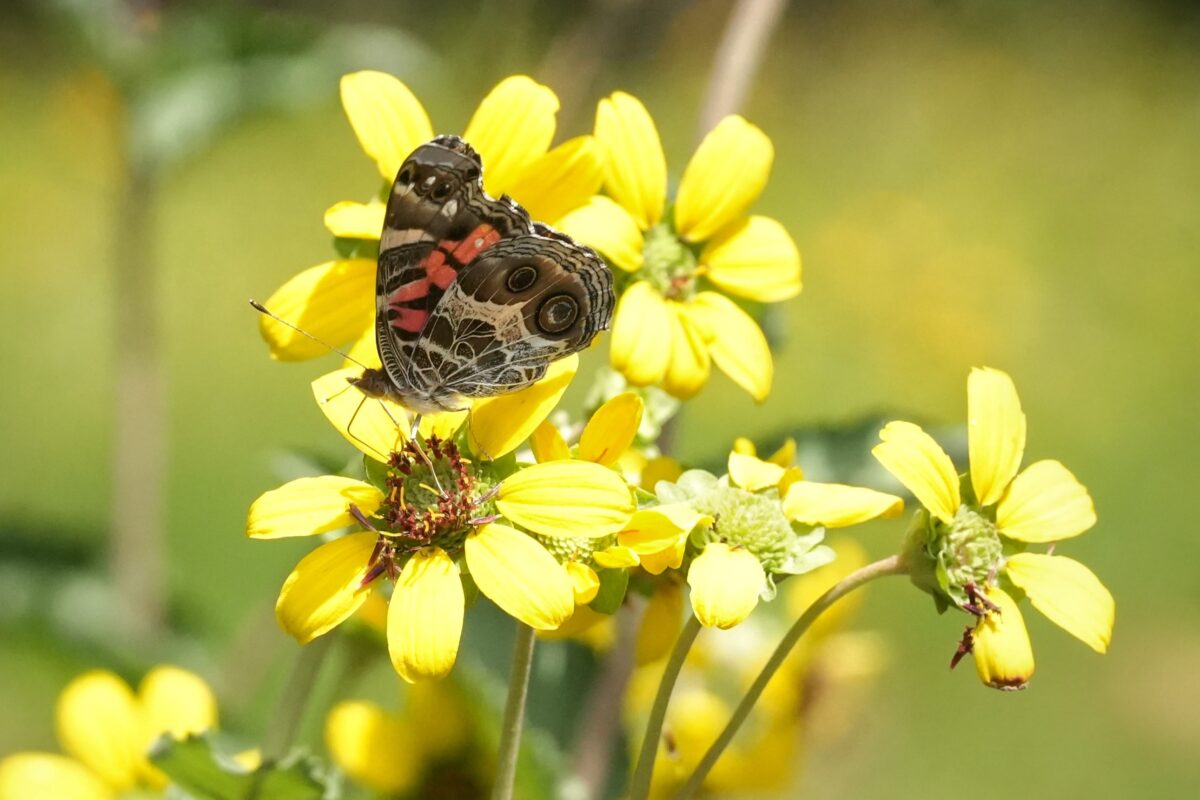
Florida greeneyes (Berlandiera subacaulis) is an endemic wildflower found in Florida’s sandhills, pine flatwoods, mixed upland forests, and along dry roadsides. Their bright yellow flowers bloom in spring, attracting a…
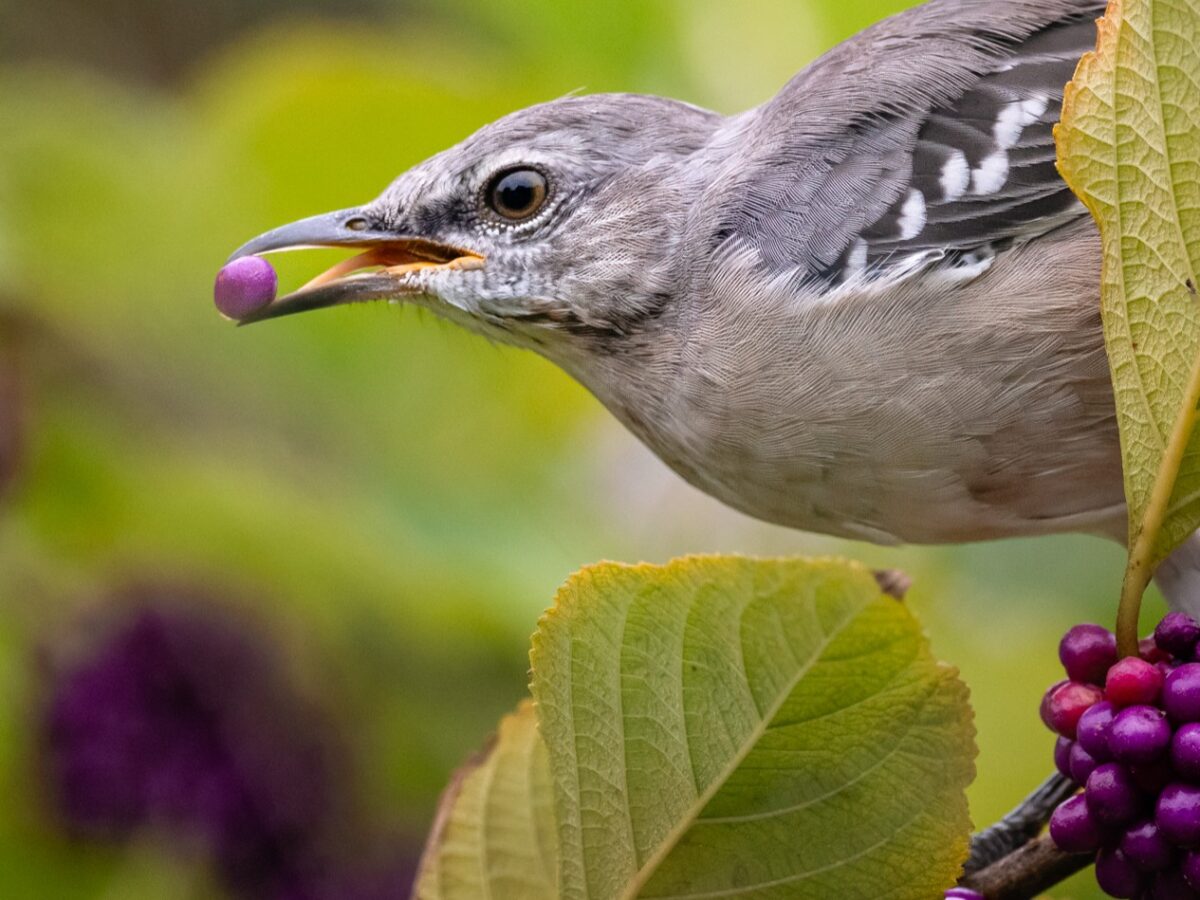
American beautyberry (Callicarpa americana) is a woody shrub found in pinelands and hammocks throughout Florida. Its flowers are a nectar source for pollinators, while the numerous berries provide food for…
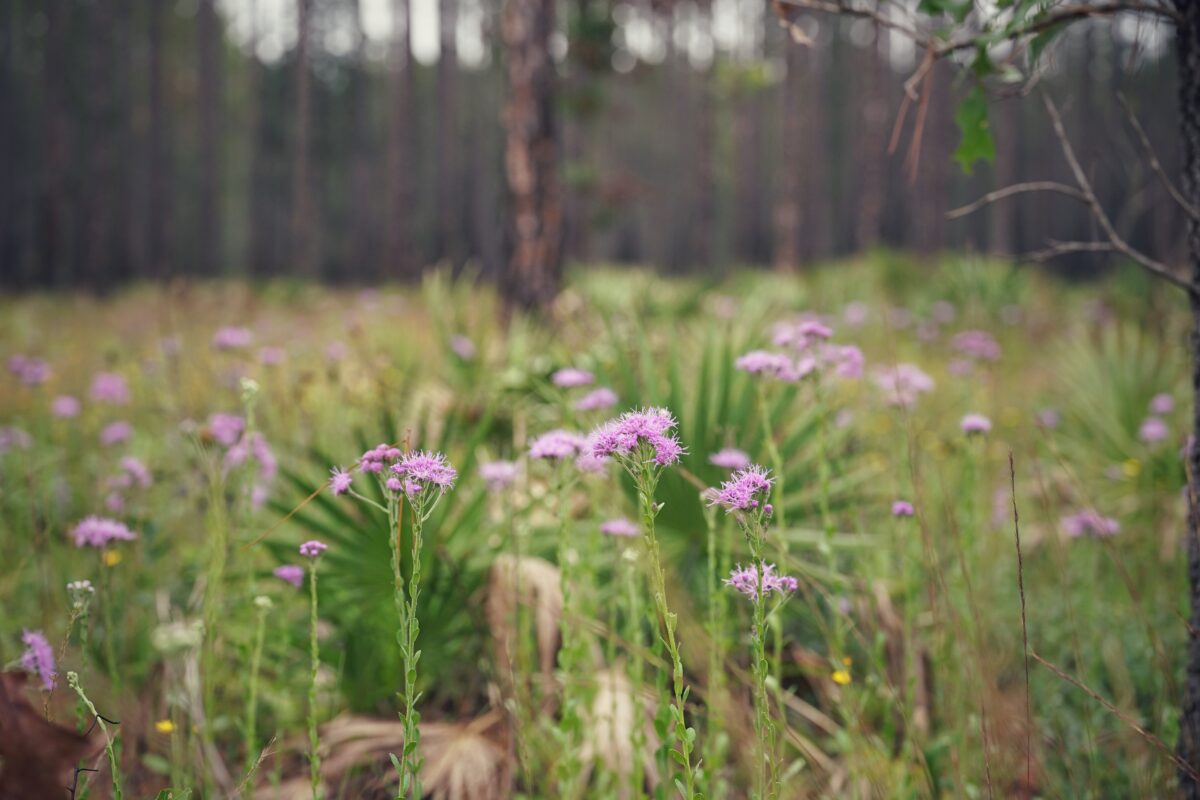
Florida paintbrush (Carphephorus corymbosus) blooms from mid-summer into fall, attracting butterflies and other pollinators. It occurs naturally in sandhills, pine flatwoods, scrubby flatwoods, mesic flatwoods and ruderal areas.
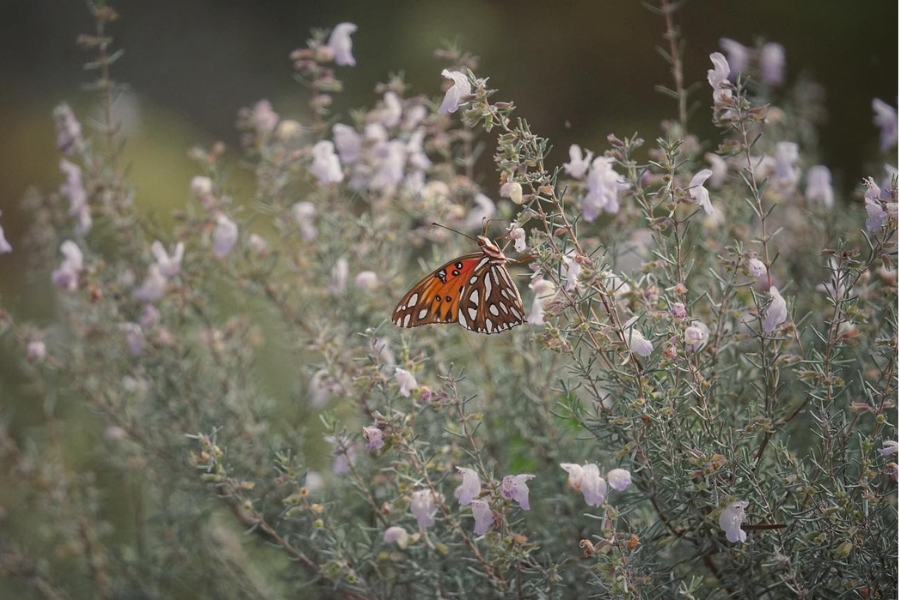
False rosemary (Conradina canescens) occurs naturally in sand pine scrub and sandhills. Many pollinator species are attracted to false rosemary, but bees are the most prominent visitor.
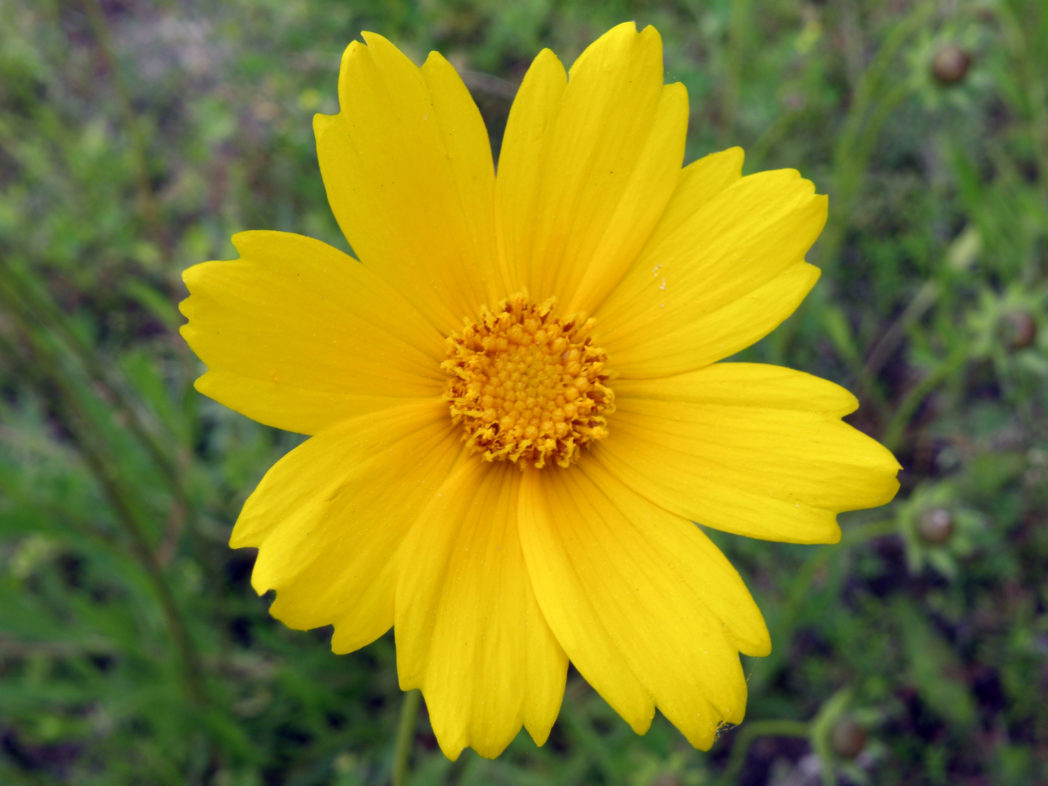
Lanceleaf tickseed (Coreopsis lanceolata ) has conspicuously sunny flowers that typically bloom in spring. It attracts butterflies and other pollinators, and its seeds are eaten by birds and small wildlife.
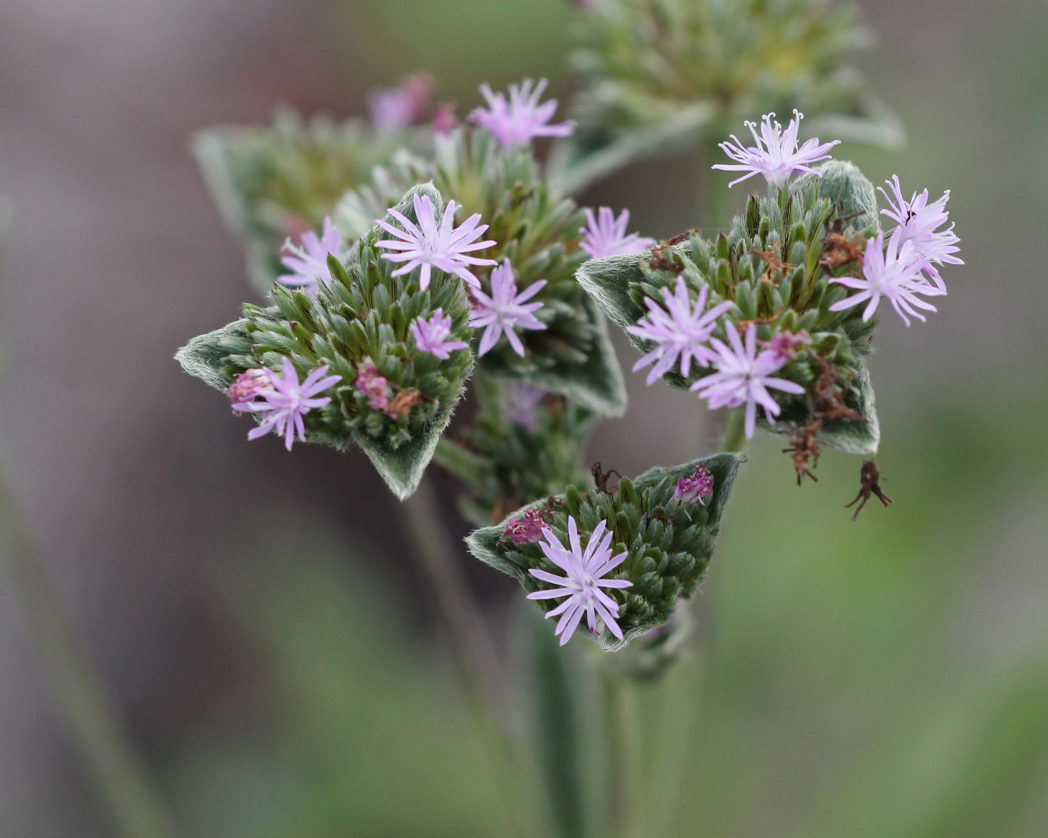
You’d probably expect an elephant-sized flower from a plant called Tall elephantsfoot (Elephantopus elatus), but it’s not the flower that gives this plant its name.
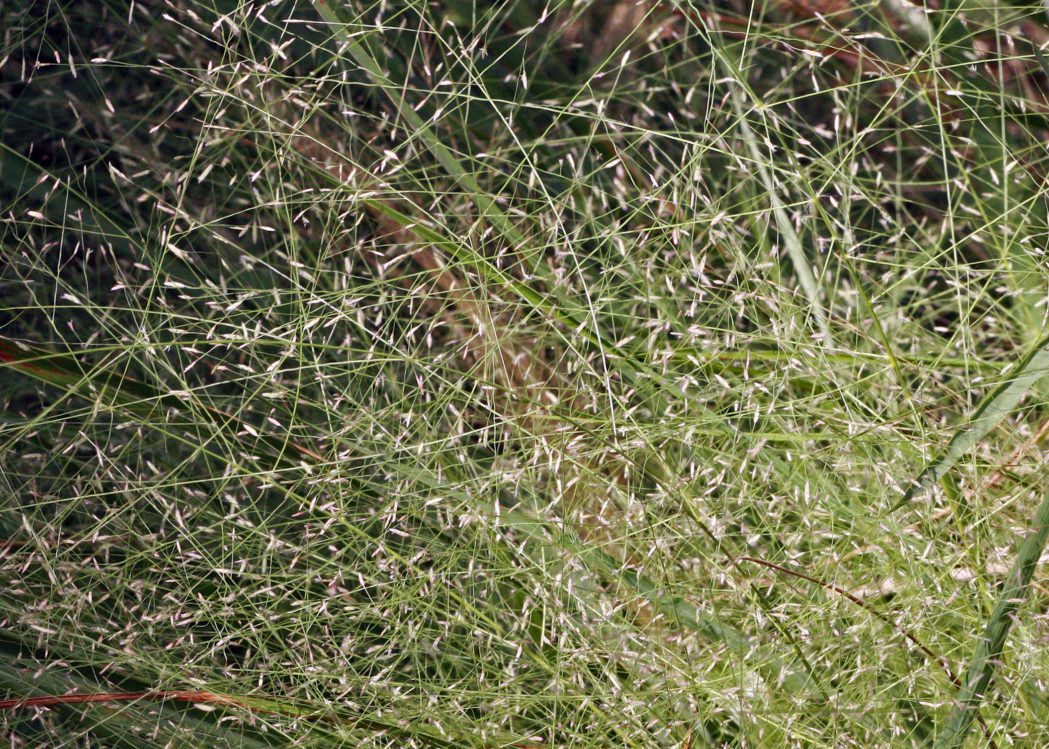
Elliott’s lovegrass (Eragrostis elliottii) is a perennial bunchgrass with an abundance of delicate flowers that cover the plant in a billowy beige haze.
Purple lovegrass (Eragrostis spectabilis) is a perennial bunchgrass with an abundance of delicate flowers that cover the plant in a billowy purple haze.
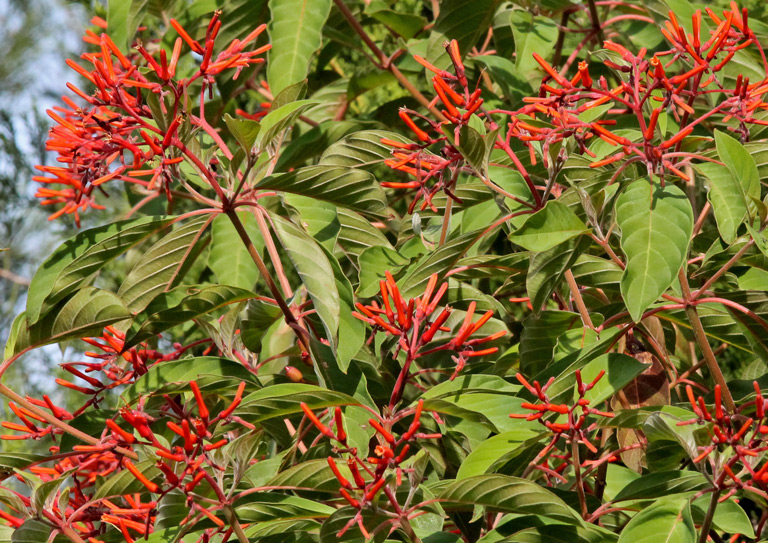
Firebush (Hamelia patens var. patens) is a hardy shrub to small tree. It produces clusters of bright orange to red tubular flowers that are filled with nectar, attracting butterflies and…
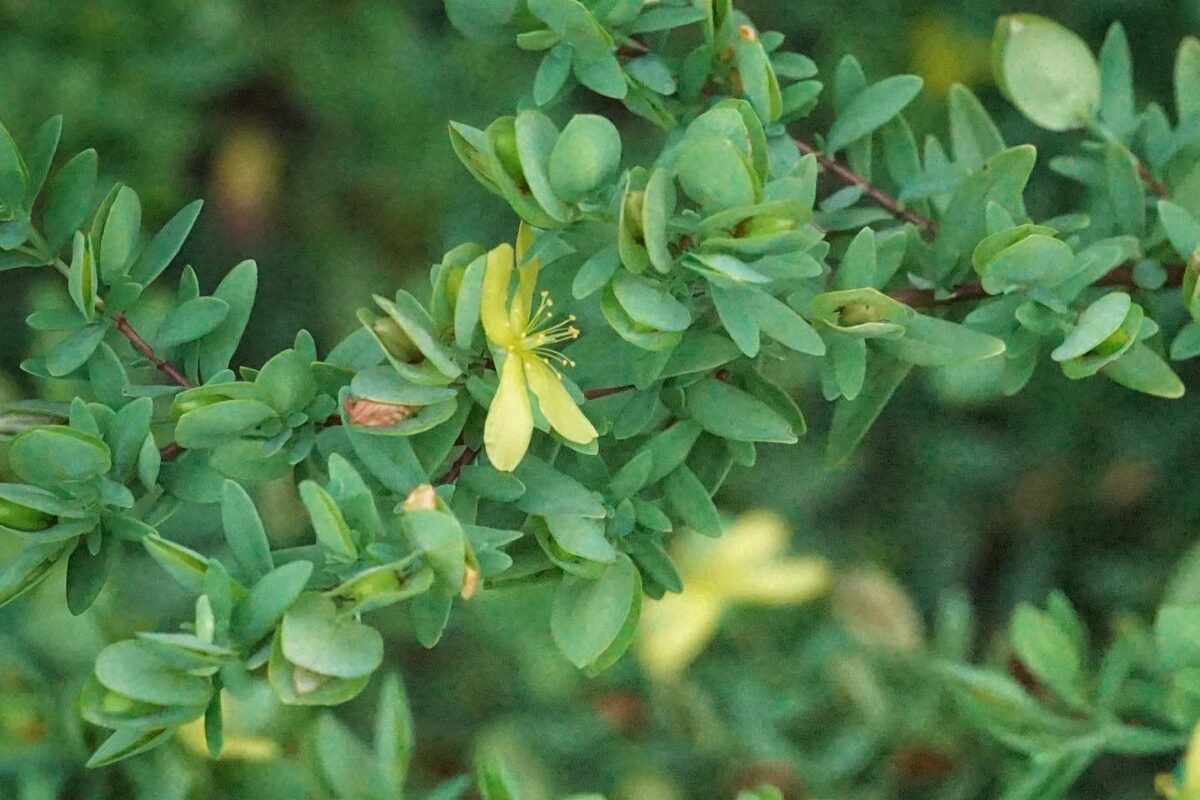
St. Andrew’s cross Hypericum St. Andrew’s cross ( Hypericum hypericoides) is found in wet pine flatwoods, calcareous hammocks, floodplain forests and mixed woodlands throughout Florida. Bees and butterflies love its…
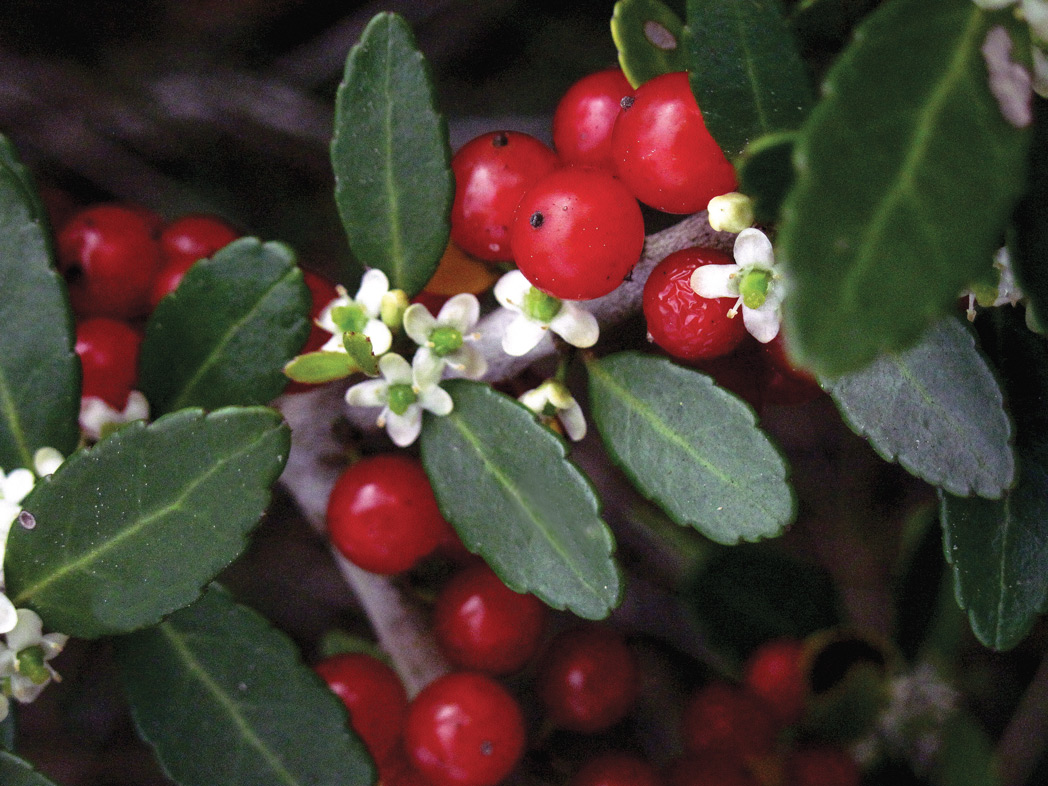
Yaupon holly (Ilex vomitoria) blooms attract bees, and its abundant fall fruit provides food for birds and small mammals. A tea can be made from its leaves.
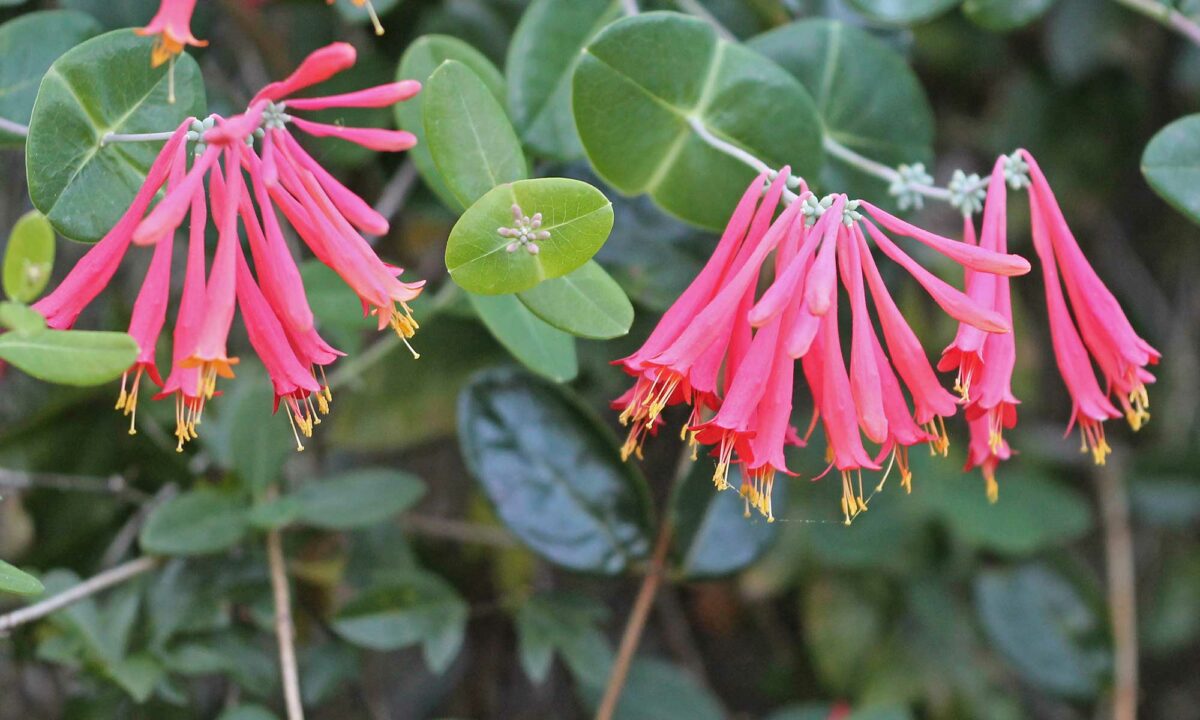
Coral honeysuckle (Lonicera sempervirens) flowers are attractive to many butterflies, and hummingbirds find them irresistible. Birds such as Northern cardinals enjoy the bright red berries.
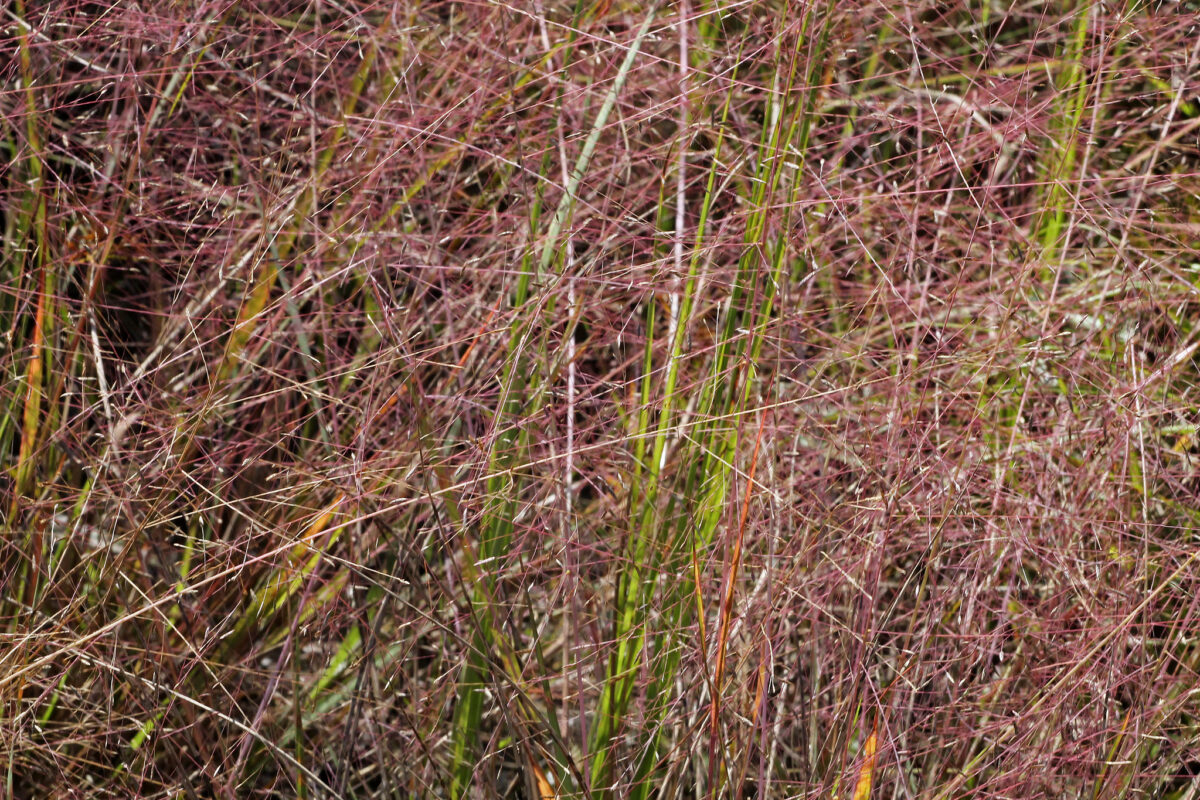
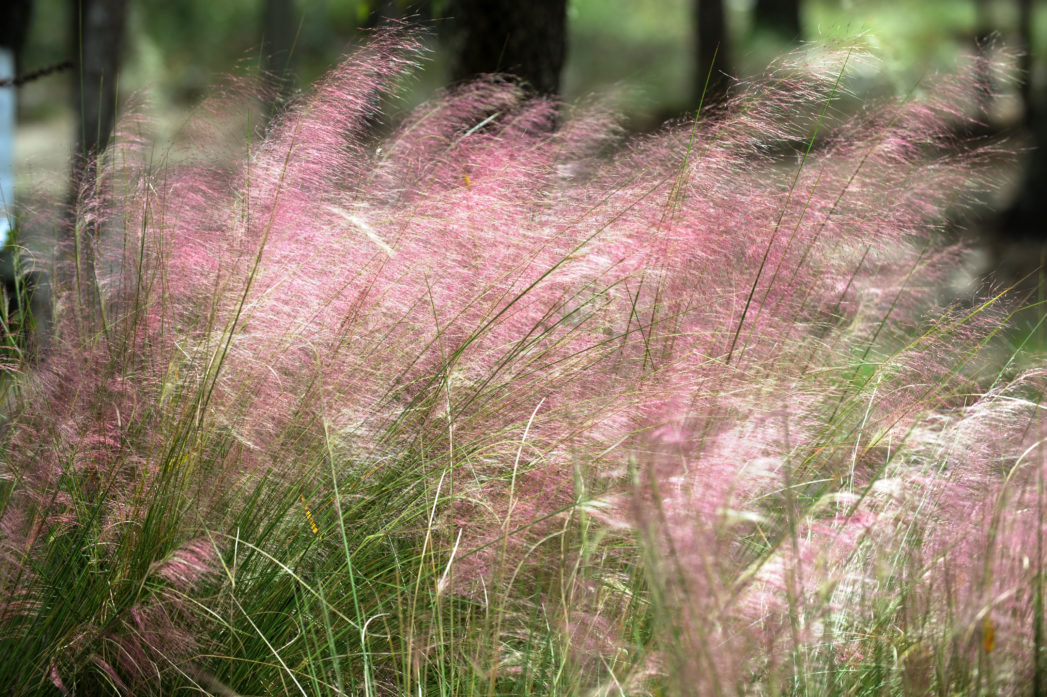
Nothing says fall in Florida like the purple haze of Muhlygrass (Muhlenbergia capillaris) in bloom. When planted en masse, this perennial bunchgrass puts on a spectacular fall display.
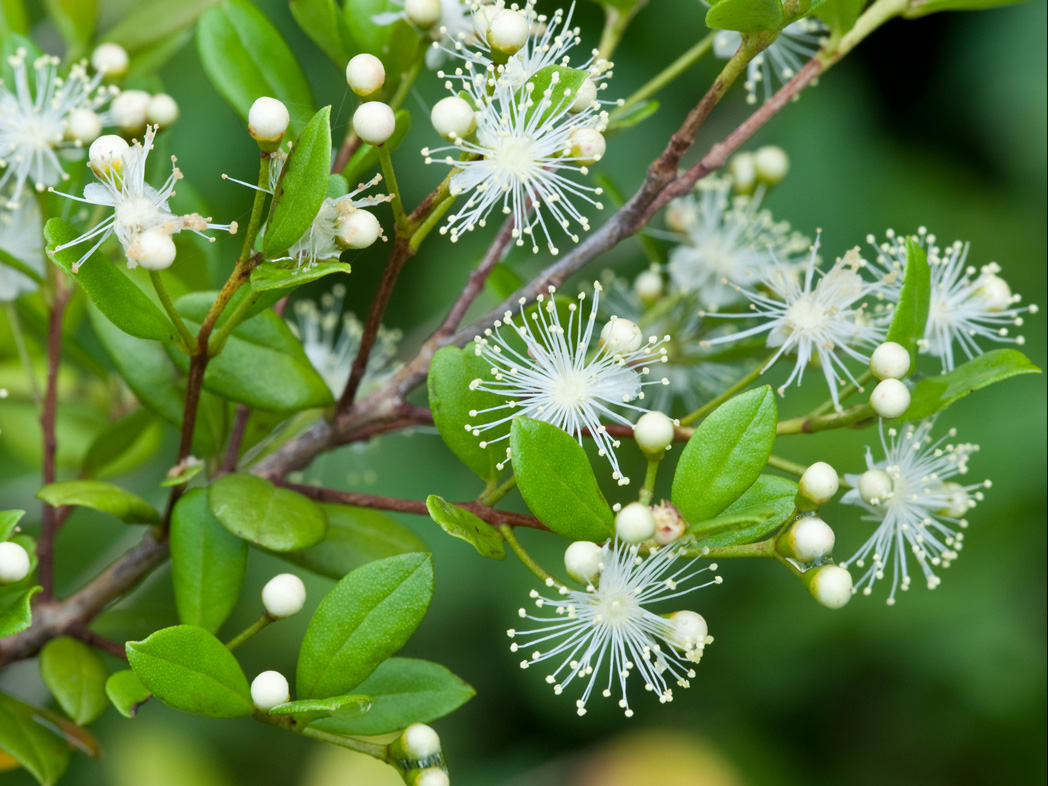
Simpson’s stopper (Myrcianthes fragrans) has year-round blooms that attract a variety of butterflies and bees; its fruit provides food for many bird species.
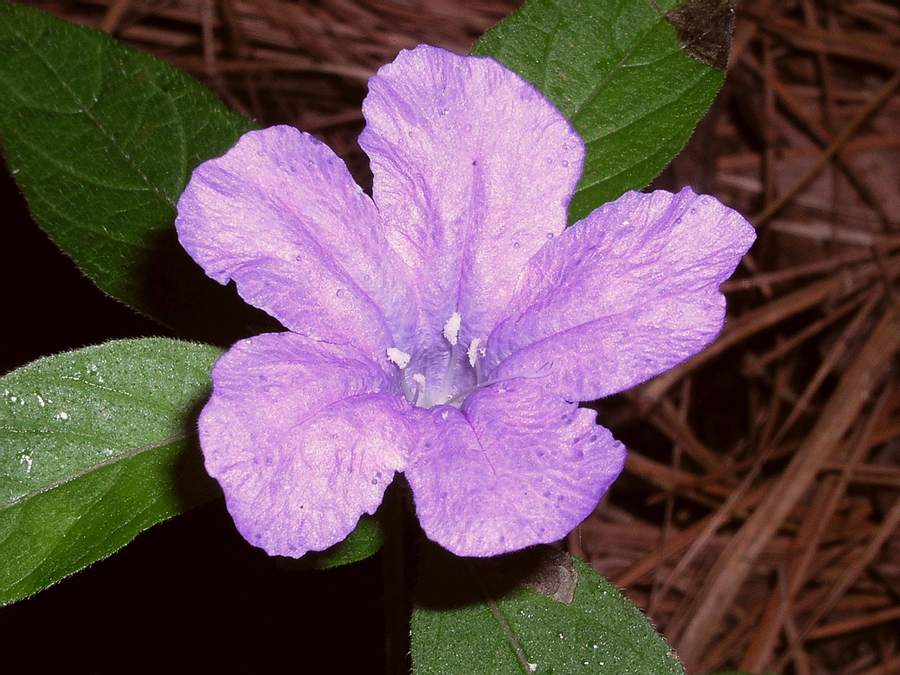
Wild petunia (Ruellia caroliniensis) typically blooms late spring through early fall, attracting a variety of pollinators. It is also a host plant for the White peacock butterfly.
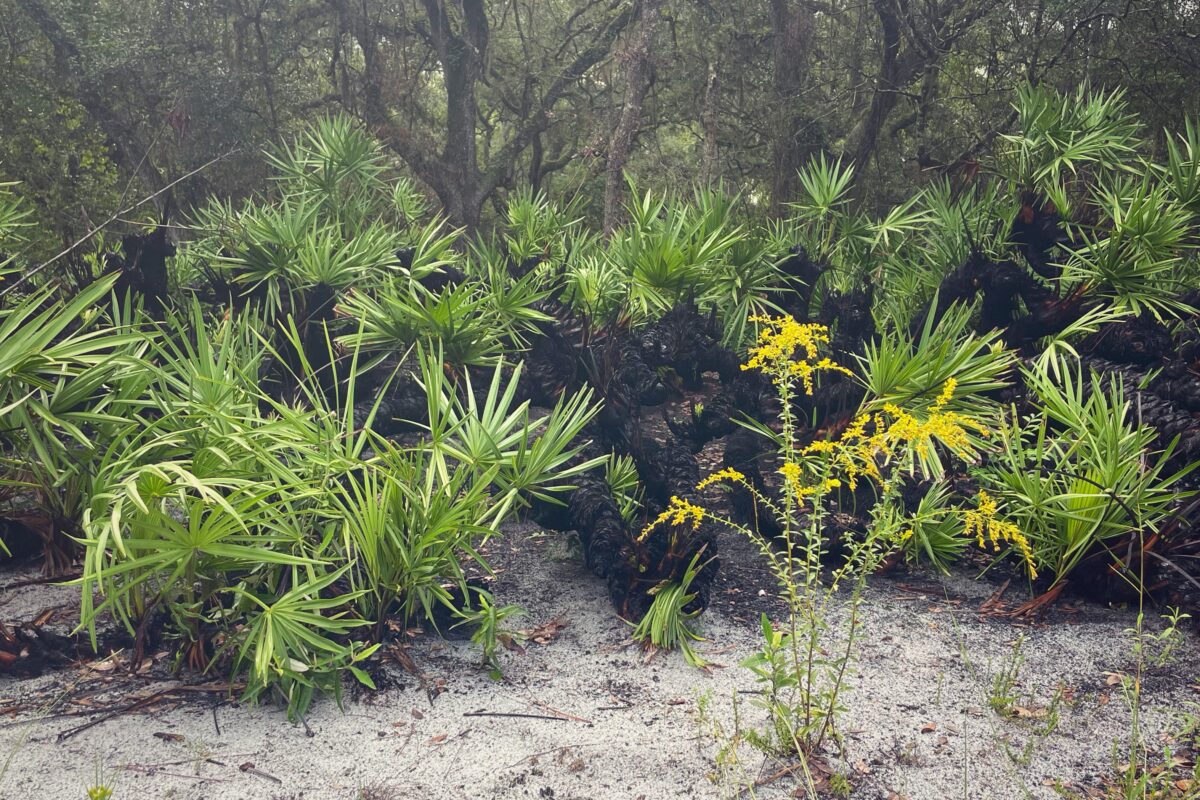
Saw palmetto (Serenoa repens) is an evergreen shrub found in scrub, pinelands, coastal hammocks, and dunes throughout Florida. Dr. Mark Deyrup of Archbold Biological Station calls it the “most amazing…
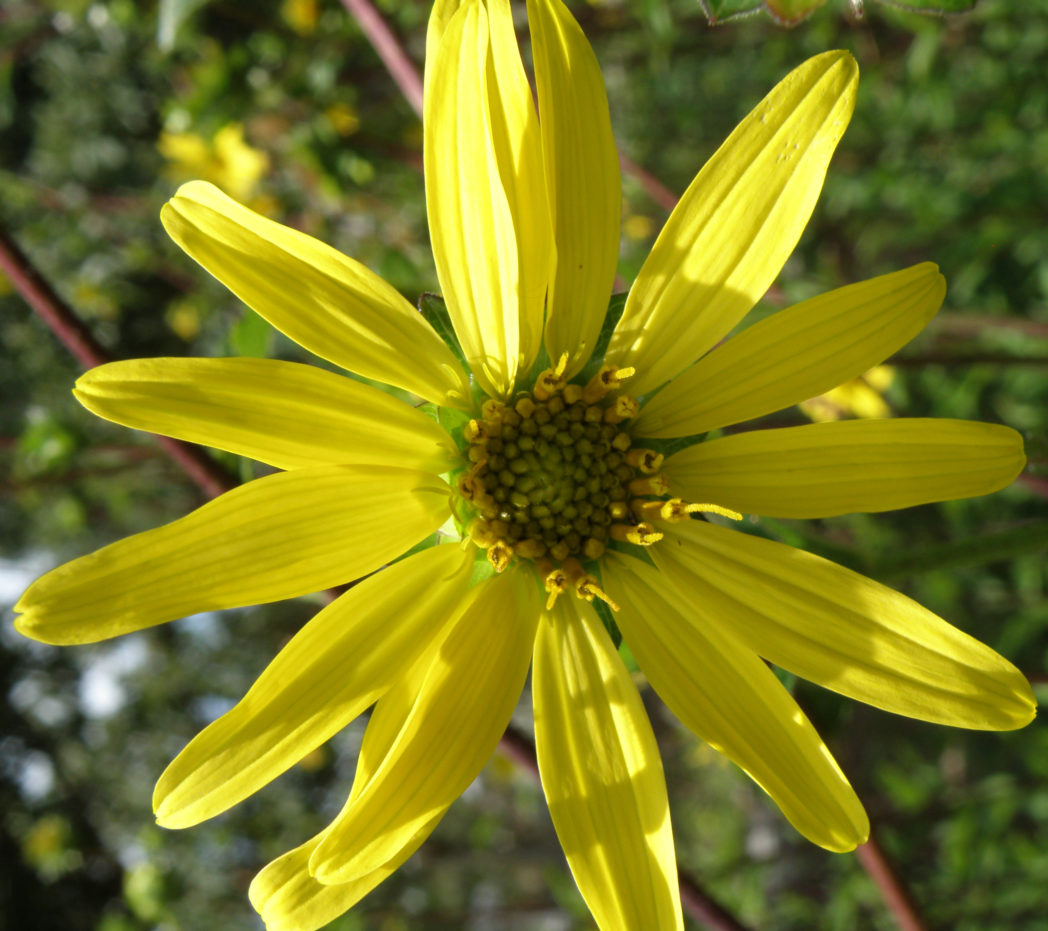
Starry rosinweed (Silphium asteriscus) is a robust perennial with showy yellow blooms. It occurs naturally in flatwoods, sandy pinelands and disturbed areas and attracts a variety of pollinators.
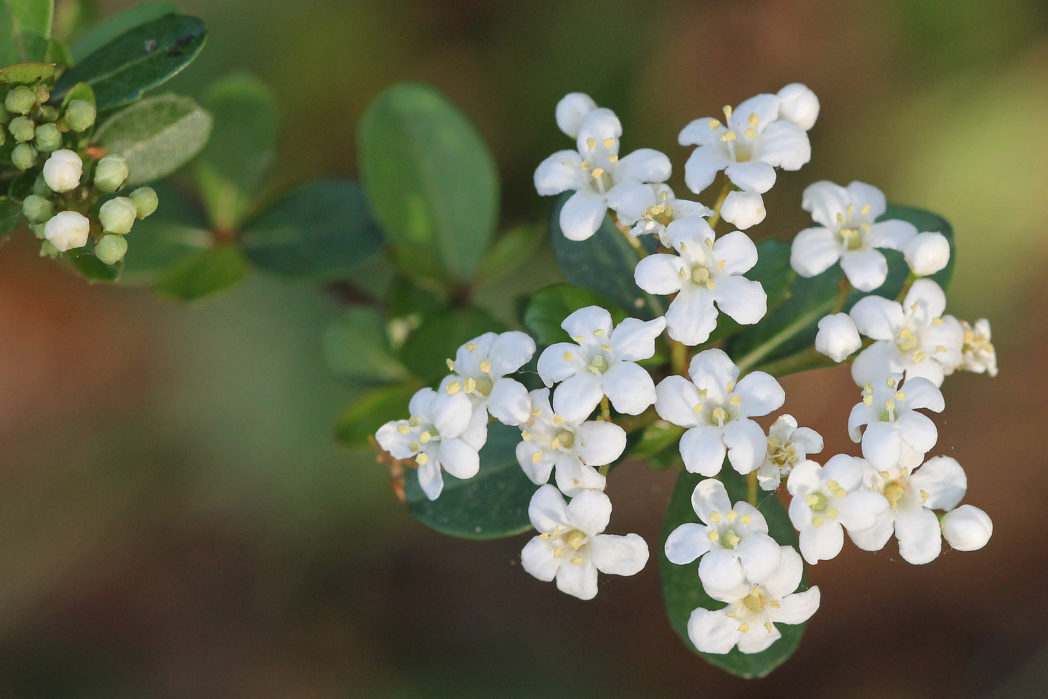
Walter’s viburnum (Viburnum obovatum) has showy spring flowers that pollinators love, and produce abundant fruit in summer and fall on which birds and other wildlife feast.
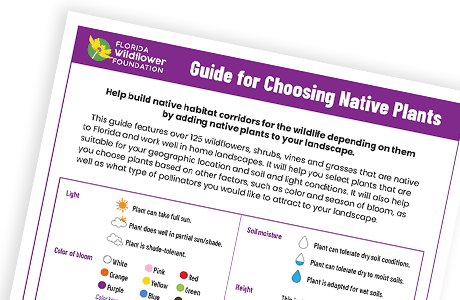
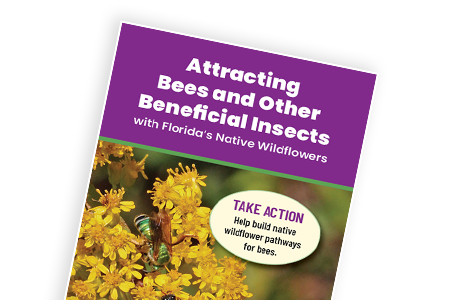
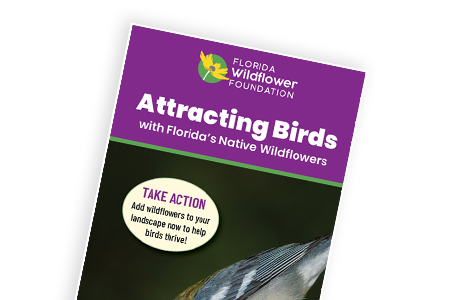
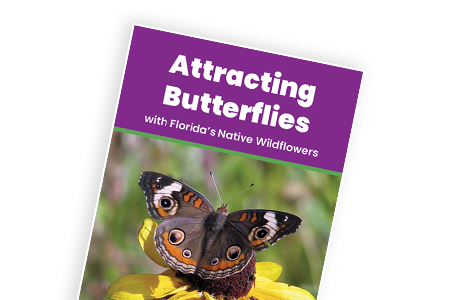
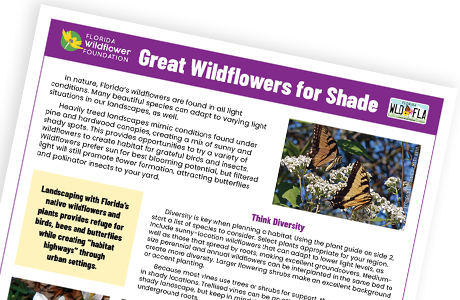
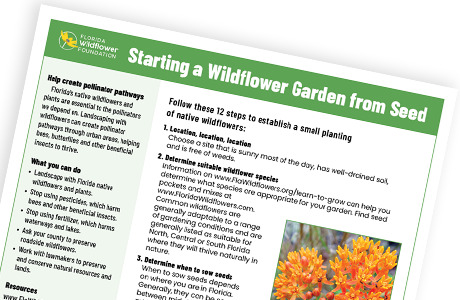
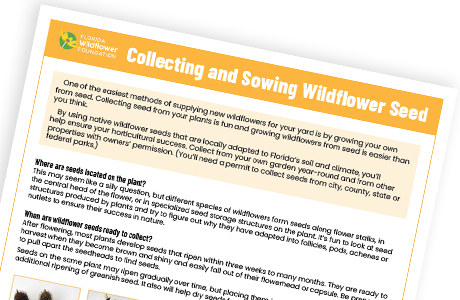
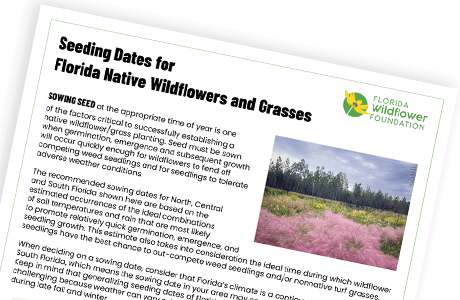
Help Florida’s wildlife and environment by using native wildflowers and plants in your landscape. Click here to learn more information on planting, selecting and maintaining native plants, or check out these resources:
The garden was made possible by the Florida Wildflower Foundation in partnership with Emergent Gardens and the City of Gainesville. Check out images from the inaugural planting on Saturday October 4, 2025 here.