Search Results for: calamintha

  • Scarlet calamint

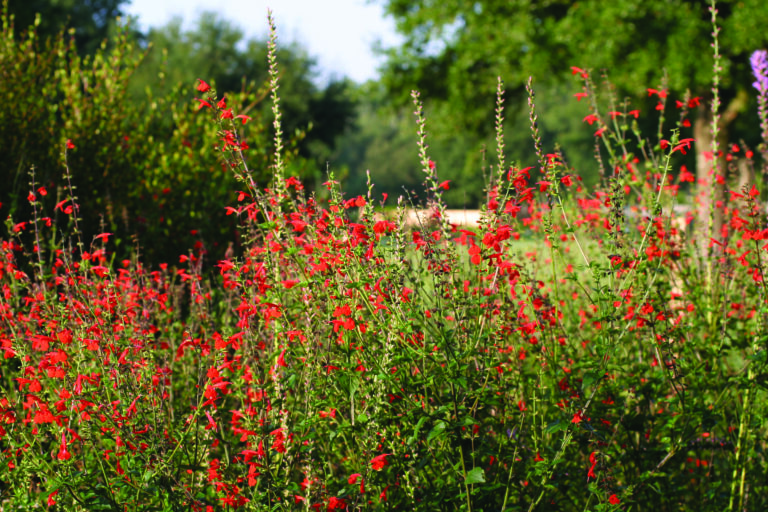
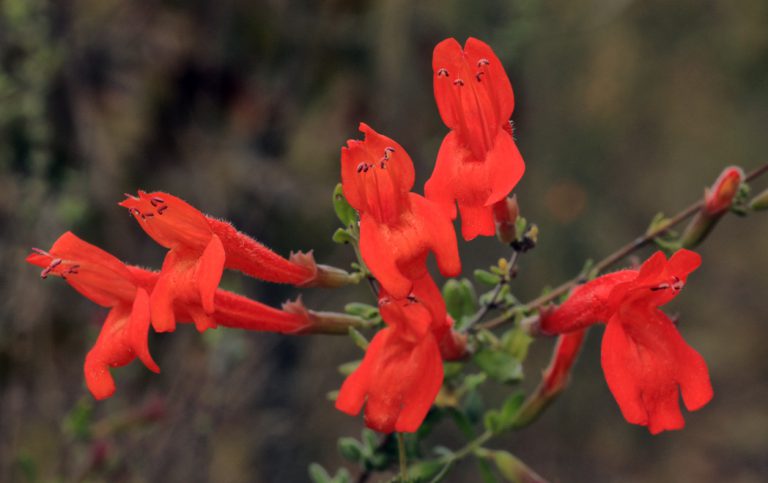
    The brilliant red flowers of Scarlet calamint (Calamintha coccinea) offer a dramatic contrast against the backdrop of scrub, sandhill and coastal dunes where the plant naturally occurs. The long, nectar-rich flowers are particularly attractive to hummingbirds and large butterflies. They bloom in abundance in early spring and late fall, but may flower sporadically throughout the year. In peak bloom, a single plant may produce 100 or more flowers.
  • Ashe’s calamint

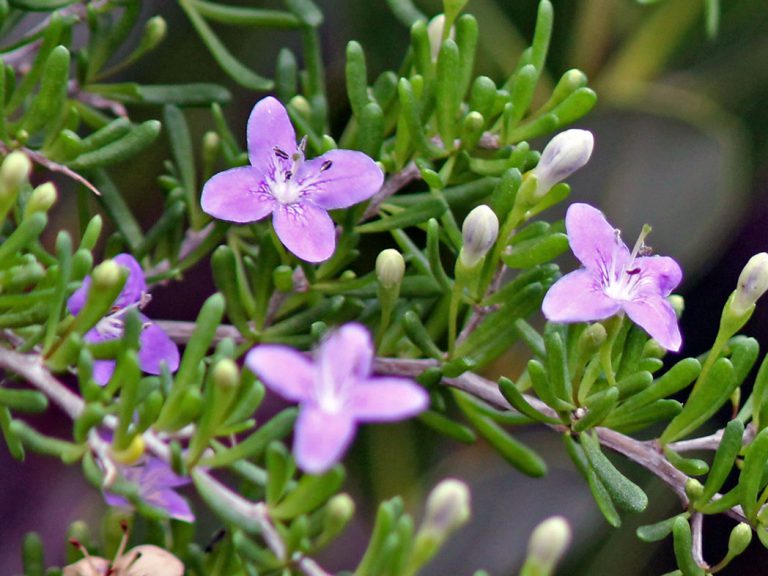
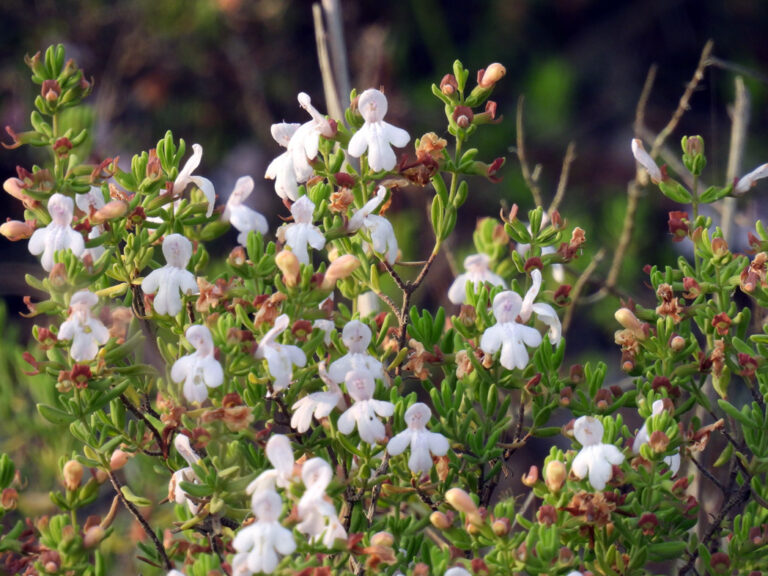
    Ashe’s calamint (Calamintha ashei) is a state-threatened shrub that typically blooms in spring but can bloom as early as January and as late as summer or early fall.

  • Climate Change and Florida’s Native Plants

    From the Apalachicola River Basin to the Lake Wales Ridge and into the Everglades, Florida has many unique plant communities. How each of these ecosystems will respond to a rapidly changing climate is likely to be as unique as those environments themselves.

  • Bloom Report: When seeing red is a good thing!

    Our Summer Bloom Report from Jeff Norcini, PhD will have you seeing red in the most beautiful way! Vibrant red native wildflowers brighten the landscape, and those with tubular flowers will attract hummingbirds (and butterflies, too).

  • Dry Landscapes

    Wondering what native wildflowers and plants to use in a dry landscape? Use our new handout to evaluate your landscape’s soil moisture and choose diverse species that will thrive and give your landscape a “real Florida” feel. Versión en español disponible.

  • Family Profile: Lamiaceae

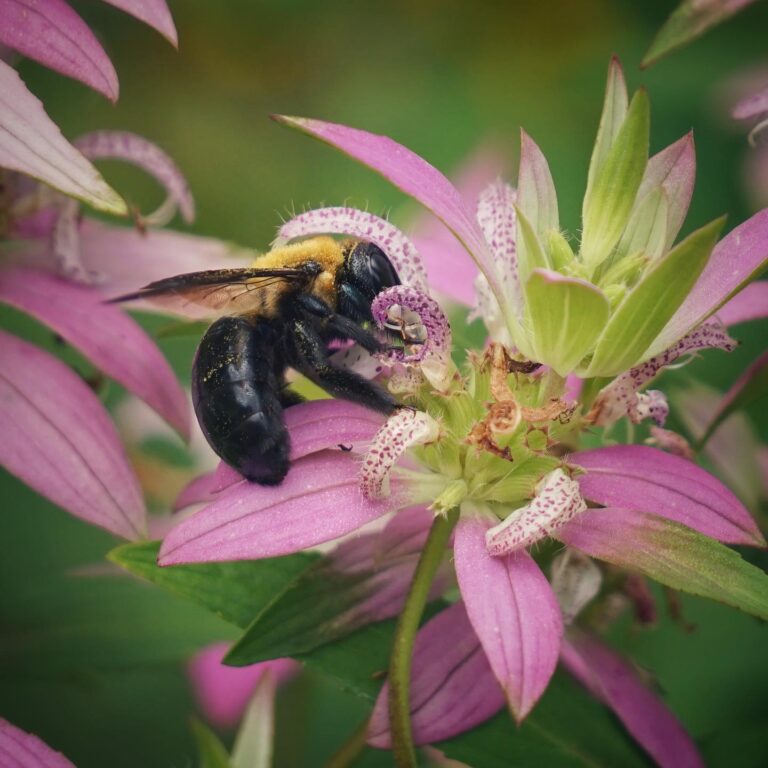
    Lamiaceae is a family comprising over 7,100 species worldwide. It features many versatile wildflowers that make excellent additions to home and urban landscapes in Florida, including American beautyberry, Spotted beebalm, and Tropical sage.

  • Celebrating Micanopy’s Pollinator Victory Garden

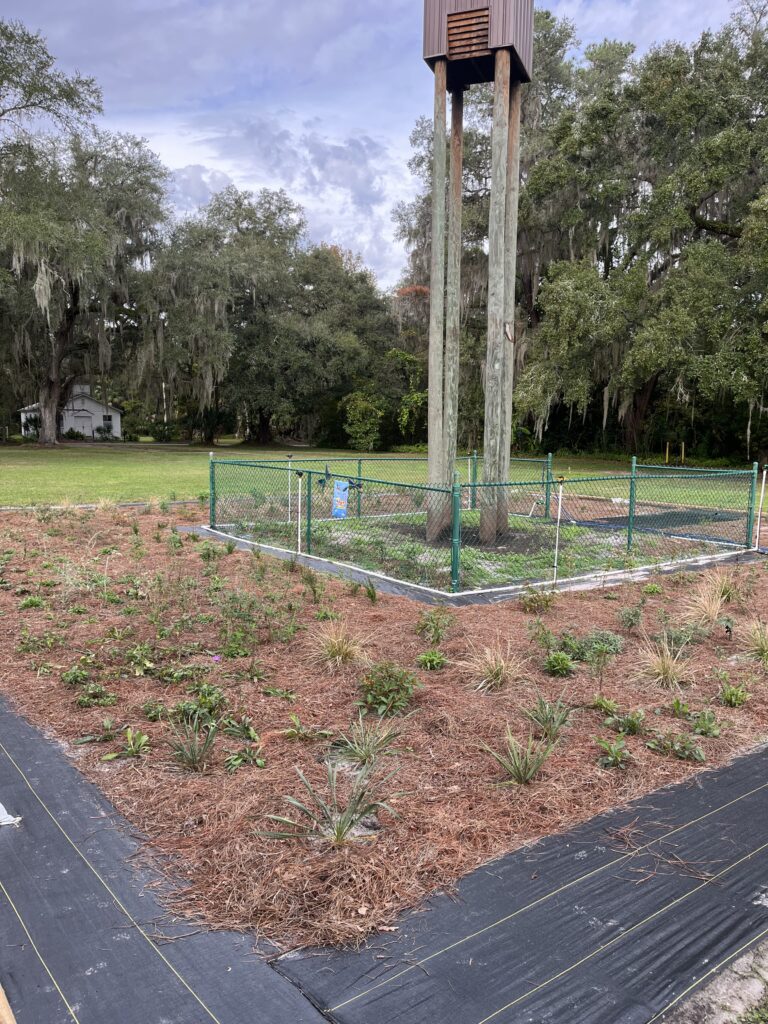
    Micanopy celebrated its 200th anniversary with a new Pollinator Victory Garden, supported by a Viva Florida grant. The garden will provide food, shelter and habitat for pollinators and be a centerpiece for this historic town.

  • Christmasberry

    Christmasberry (Lycium carolinianum) gets its common name from the many bright red, egg-shaped berries it produces in December. While toxic to some animals, they are favored by many birds.