Sweat bees
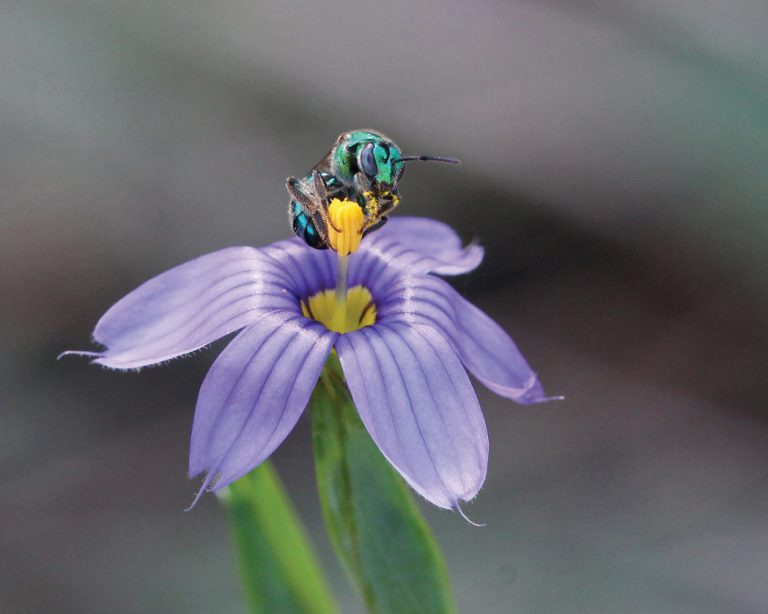
Halictidae, or sweat bees, are an extremely diverse group that are often abundant year round. Some are metallic green, others are smaller than a grain of rice, and nearly all are valuable pollinators.

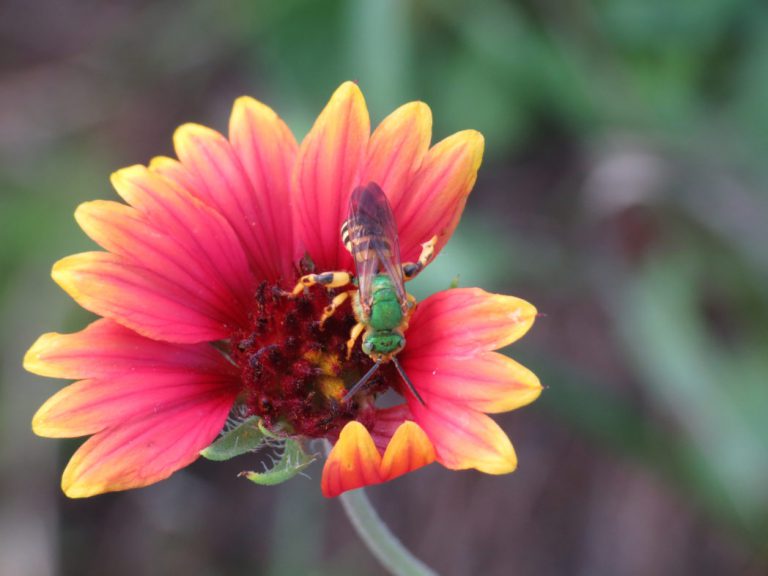
Halictidae, or sweat bees, are an extremely diverse group that are often abundant year round. Some are metallic green, others are smaller than a grain of rice, and nearly all are valuable pollinators.
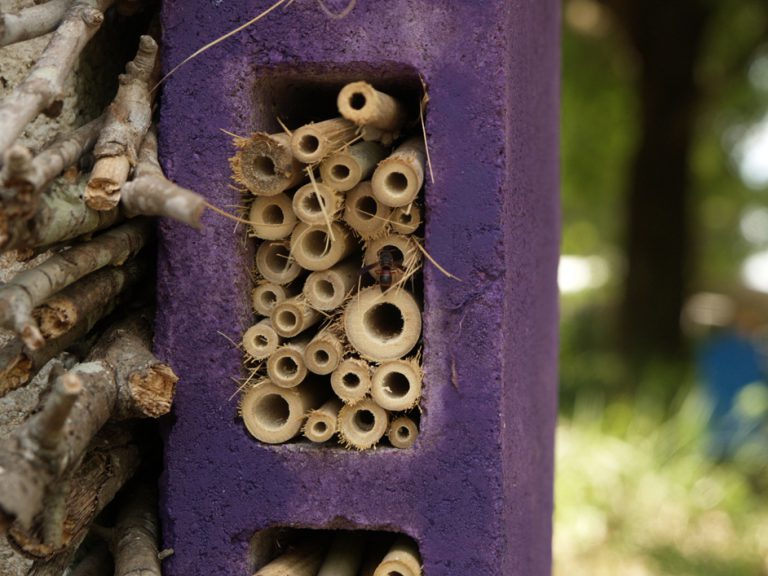
In the last decade or so, honey bee populations worldwide have significantly diminished due to unknown causes. Less known is the fact that native bee populations in North America are also in decline.
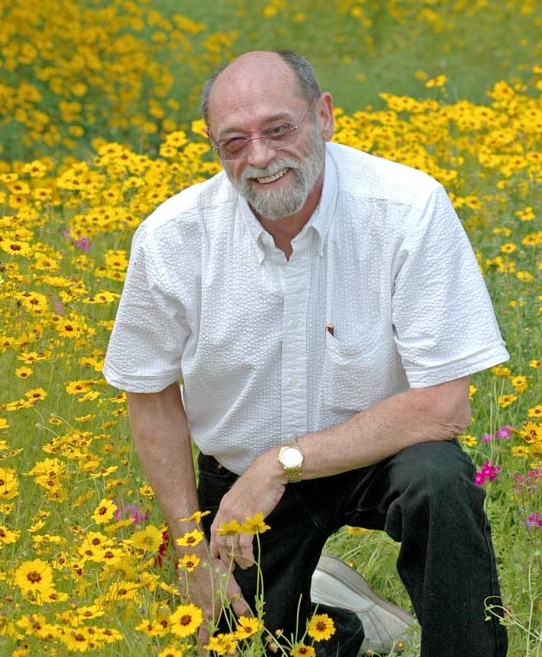
It is with immense sadness that we observe the passing of our friend, colleague and mentor Gary Henry, who died in Tallahassee on Aug. 8. He was 72.
This bloom report is from March 2017. Earlier-than-normal blooming of spring wildflowers is occurring more often, but this year stands out because some wildflowers are blooming nearly a month earlier than expected.
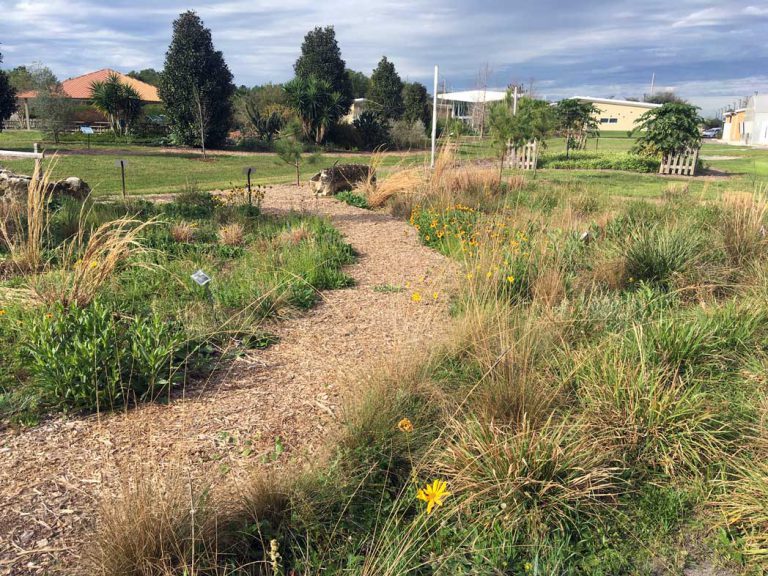
Five grants were awarded in 2020: Cutting Horse Eco-Center, Bonita Springs (Lee County); Folly Farm Nature Preserve, Safety Harbor (Pinellas County); Orange County UF/IFAS Extension, Orlando; Port St. Lucie Botanical Gardens (St. Lucie County); and Sanibel-Captiva Conservation Foundation (Lee County).
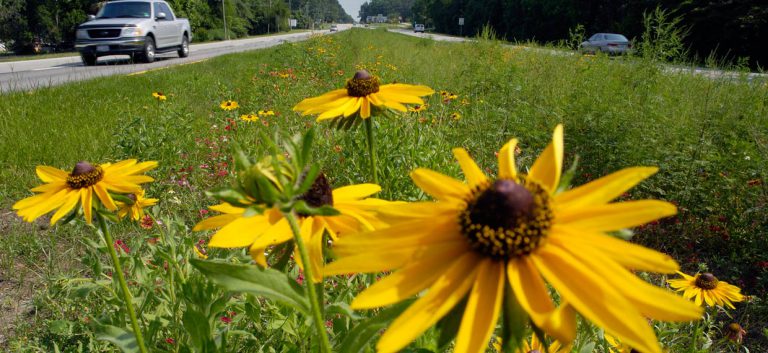
Florida Wildflower Foundation and Florida Native Plant Society have strengthened their partnership in order to collaborate on future projects. The organizations will assess opportunities to team up on initiatives as native plant surveys, native plant conservation, roadside issues and more.
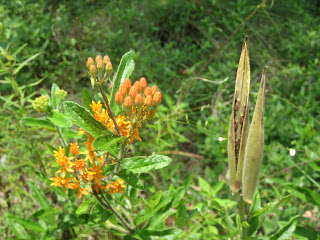
Although summer’s heat keeps many of us inside, it’s a busy time for wildflowers. Thousands of butterflies, bees, wasps and other insects visit flowers to obtain nectar.
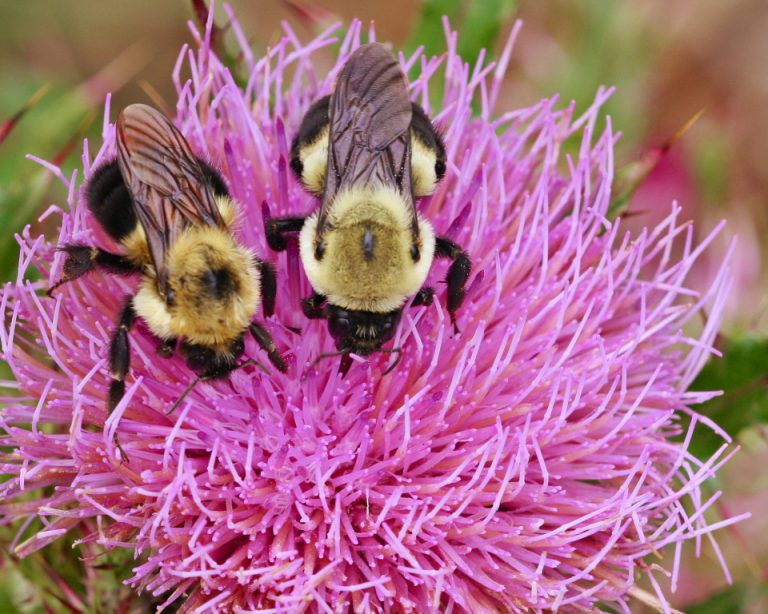
This bloom report covers spring 2020. Look for spring’s wildflower displays in wet areas and ditches. Dry-adapted wildflowers also may do well. Read our Bloom Report to find out more about what to expect.
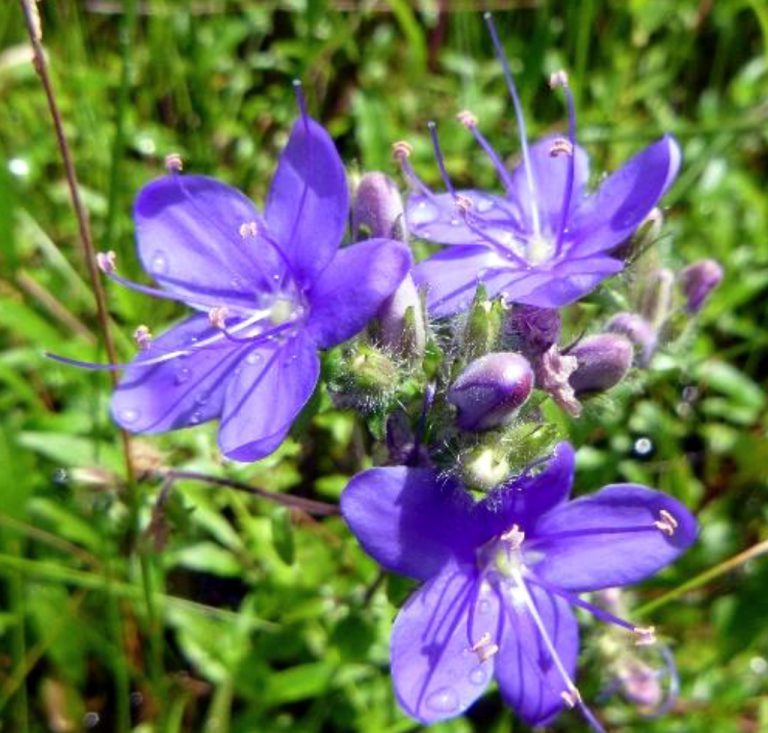
The Panhandle Wildflower Alliance’s Fall 2019 newsletter features updates about new wildflower programs, where to see wildflowers in bloom, and much more.
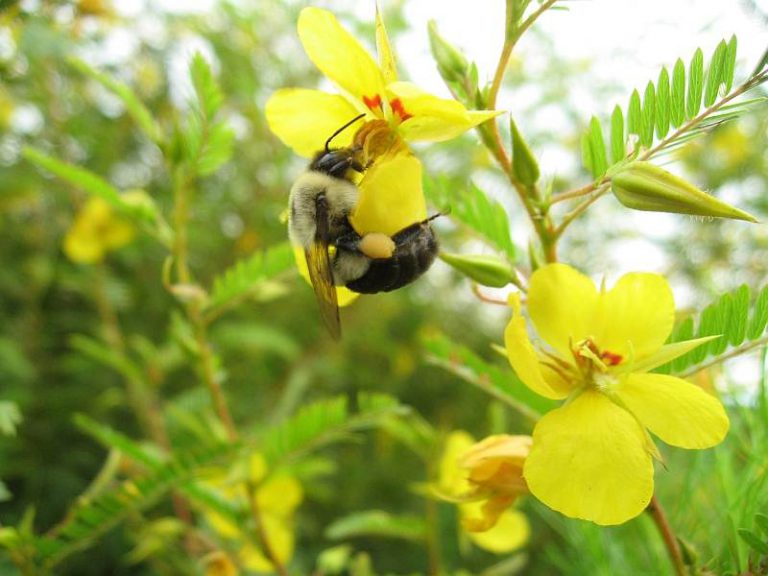
Do you enjoy juicy watermelons, local blueberries and strawberries and fresh Florida orange juice? How about carrots, broccoli, almonds and apples? If you do, please thank an insect.
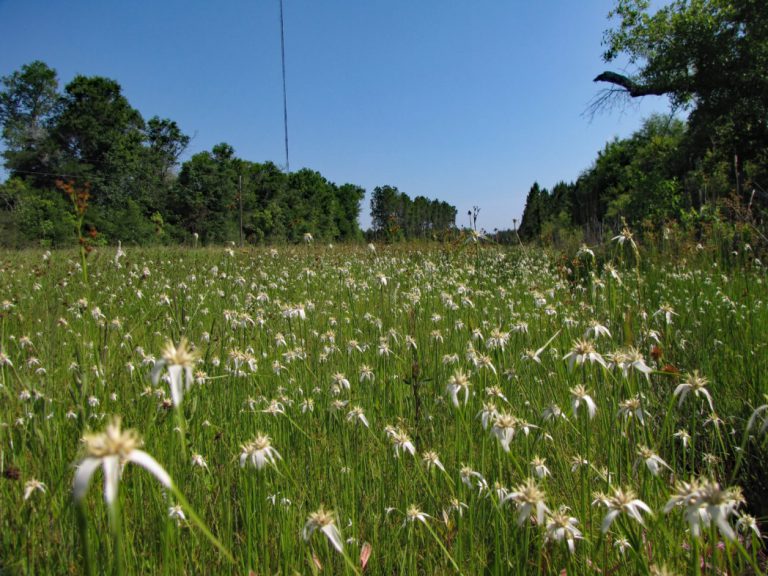
This bloom report is from spring 2019. Spring is the time of year that many of us associate with blooming plants – for good reason.
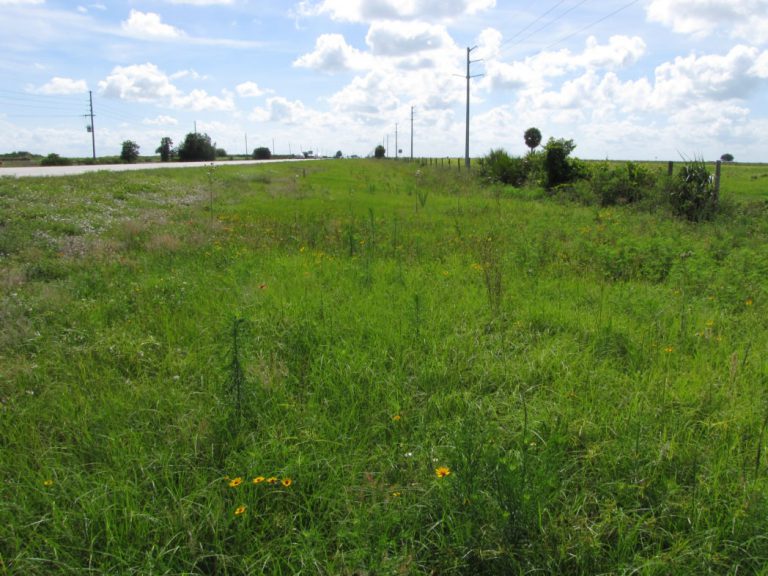
FWF will begin a 4-year study of economical and practical site prep methods to minimize weed competition in wildflower sites planted from seeds.