
Garden Spotlight: Carrollwood Pollinator Corridor
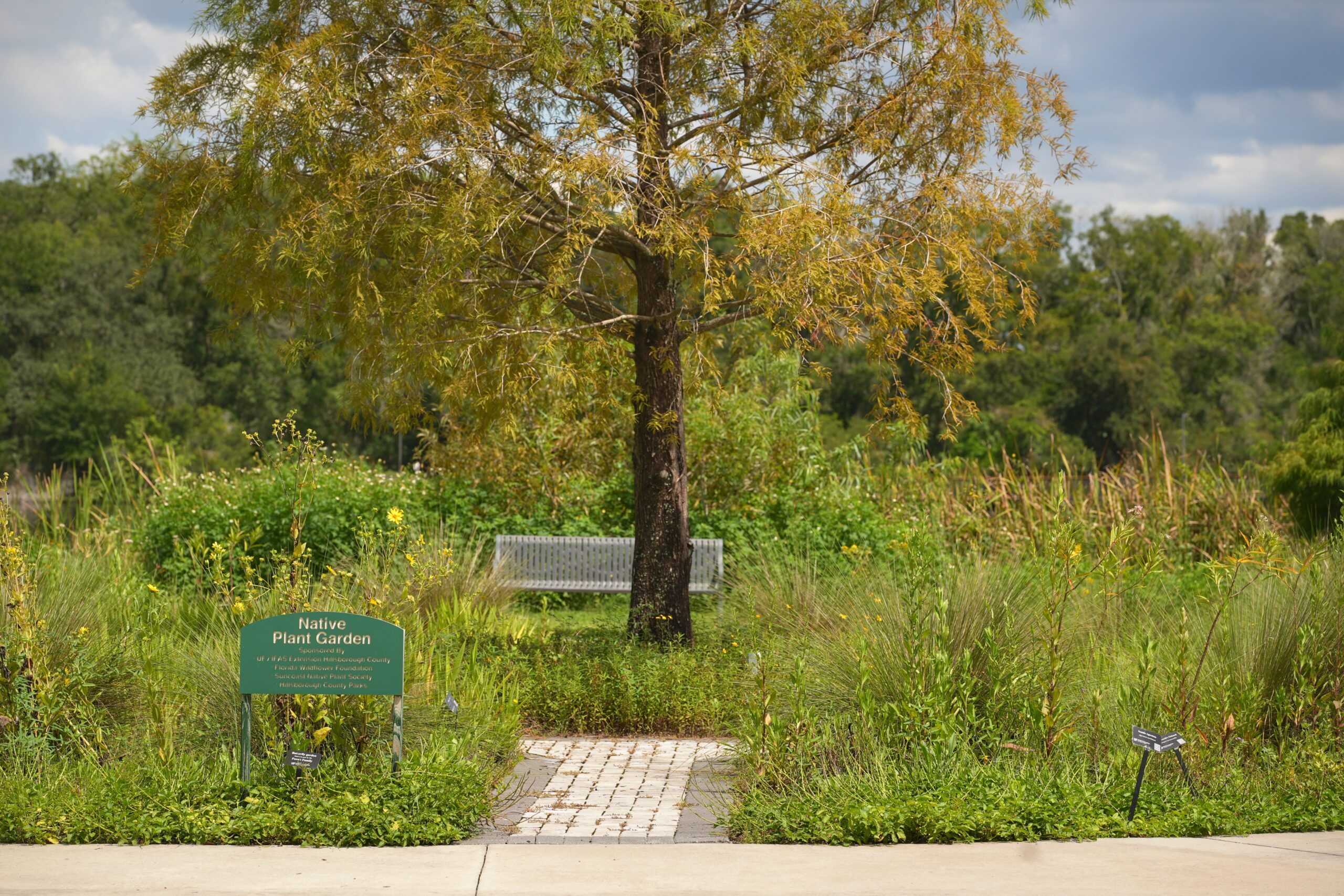
Pictured above: Native plant demonstration garden at Carrollwood Village Park. Photo by Emily Bell
Funded by the Viva Florida Landscape Demonstration Garden Grant
Locations:
- VISTA Gardens: 13572 S Village Dr, Tampa, FL 33618
- Carrollwood Village Park: 4680 W Village Dr, Tampa, FL 33624
- Carrollwood Cultural Center: 4537 Lowell Rd, Tampa, FL 33618
The Viva Florida Landscape Demonstration Garden Grant brings native beauty to parks, nature centers and other public spaces, creating educational opportunities while supporting local biodiversity.
For pollinators, a single garden is helpful — but a connected landscape can be transformational.
In Hillsborough County, a 2021 Viva Florida grant helped establish a native demonstration garden at VISTA Gardens. A subsequent grant supported the creation of a native butterfly garden at Carrollwood Village Park, a highly visited public space where UF/IFAS Extension, Master Gardener Volunteers and community partners worked together to create habitat using Florida native wildflowers and grasses. The goal was not only to establish demonstration gardens, but to show what pollinator-friendly landscaping can look like in practice. What followed illustrates the power of connection.
Building on the success of these two sites, this year’s Viva Florida grant enhanced the existing plantings at VISTA Gardens and Carrollwood Village Park while adding a new native garden at the Carrollwood Cultural Center. Rather than functioning as isolated sites, these plantings now form the Carrollwood Pollinator Corridor — a connected network of habitat within a heavily developed area, offering pollinators stepping-stone resources for nectar, host plants and shelter.
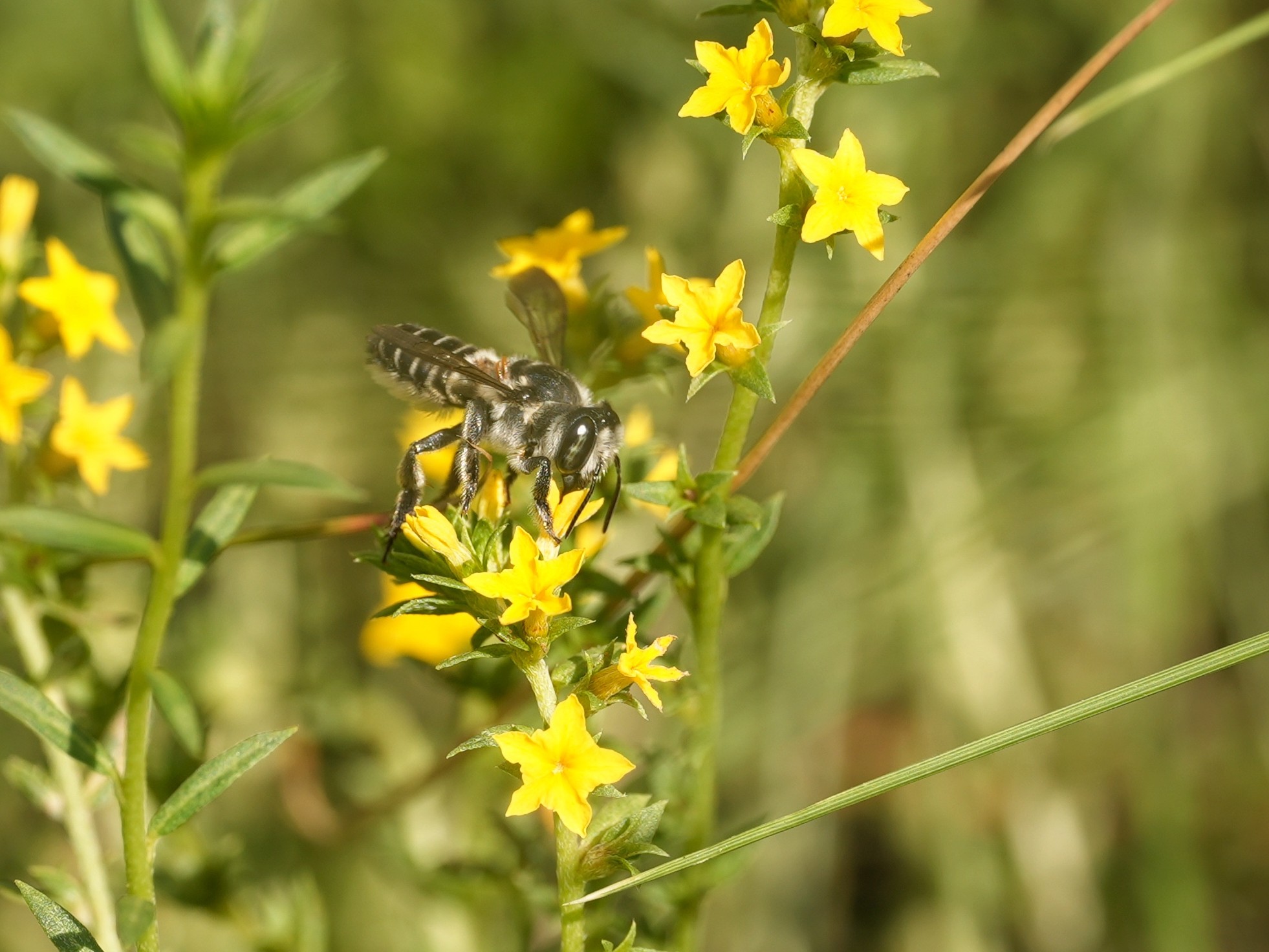
For butterflies, bees and other native pollinators, these connections matter. Habitat fragmentation can limit movement and reduce access to critical resources, while connected landscapes help support pollinator populations by providing places to feed, reproduce and seek shelter. In urban and suburban areas, even small habitat patches can play an important role when they are part of a larger network.
Beyond habitat creation, the corridor has become a platform for education and community engagement. Volunteers and partners have hosted pollinator-focused workshops and youth activities, helping students and residents understand that native plants are more than attractive landscaping choices — they are essential infrastructure for biodiversity.
What began as a single Viva Florida demonstration garden has grown into a connected system of habitat sites, demonstrating that when native plantings are designed with pollinators in mind, they do more than beautify a space. They create pathways that sustain life.
Learn more about Carrollwood Pollinator Corridor:
- Carrollwood Pollinator Corridor Flickr album
- Success Story: UF/IFAS Extension Launches Pollinator Corridor in Tampa
Learn more about the Viva Florida Landscape Demonstration Garden Grant Program and find a garden near you.