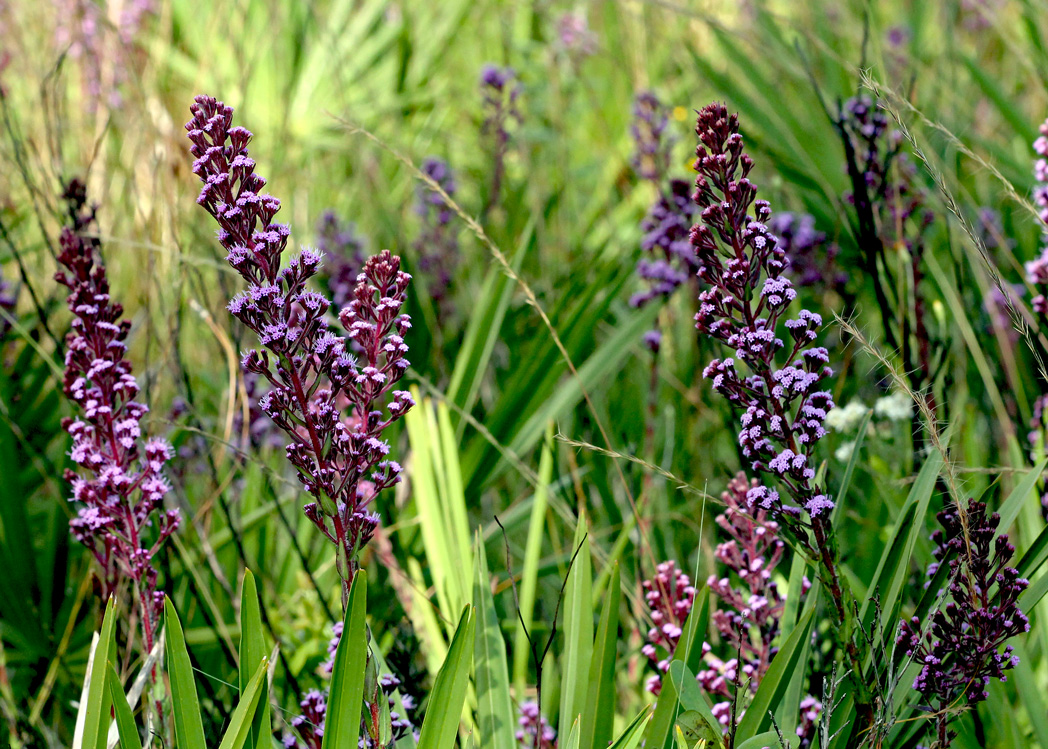
Hairy chaffhead
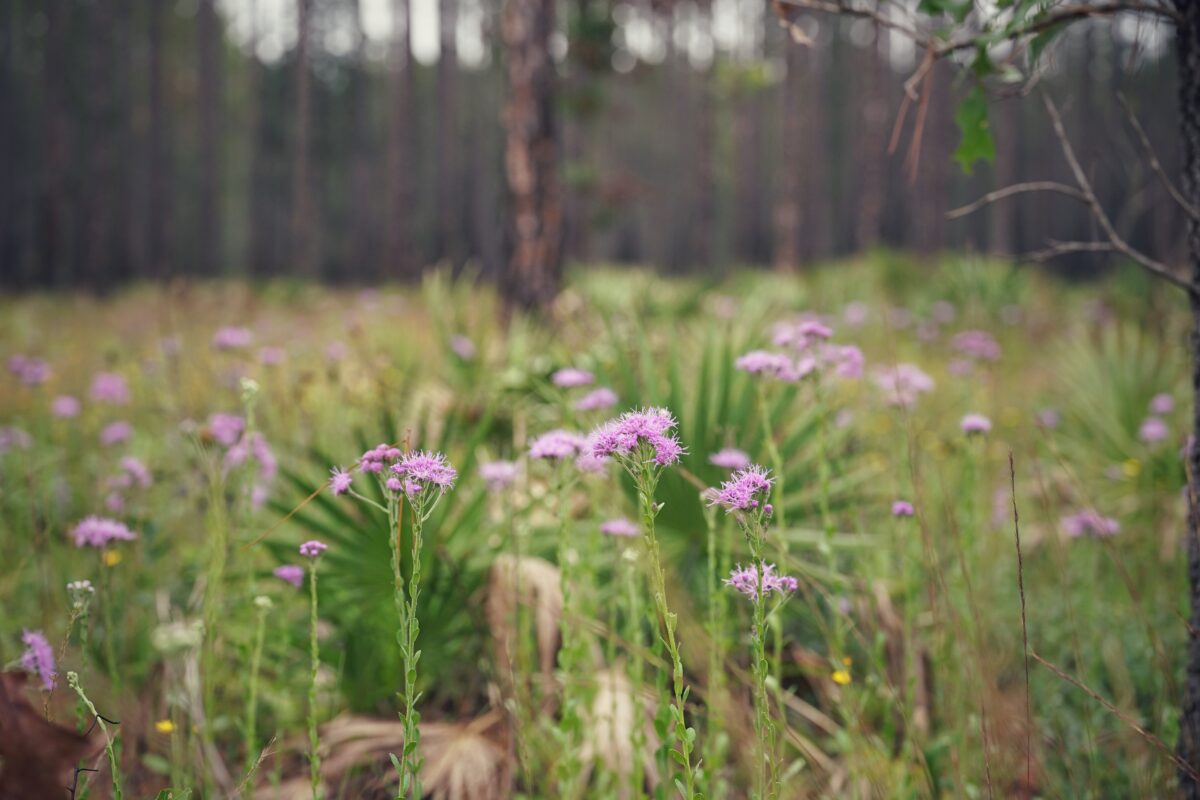
Pictured above: Hairy chaffhead (Trilisa paniculata) by Mary Keim. Click on terms for botanical definitions. View post as a PDF.
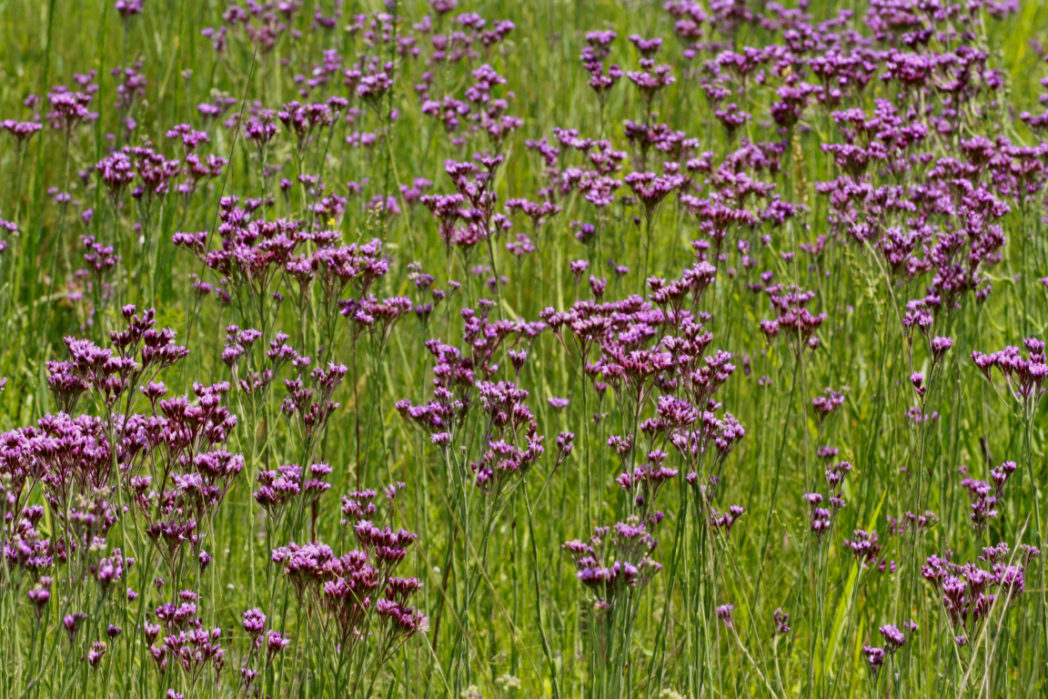
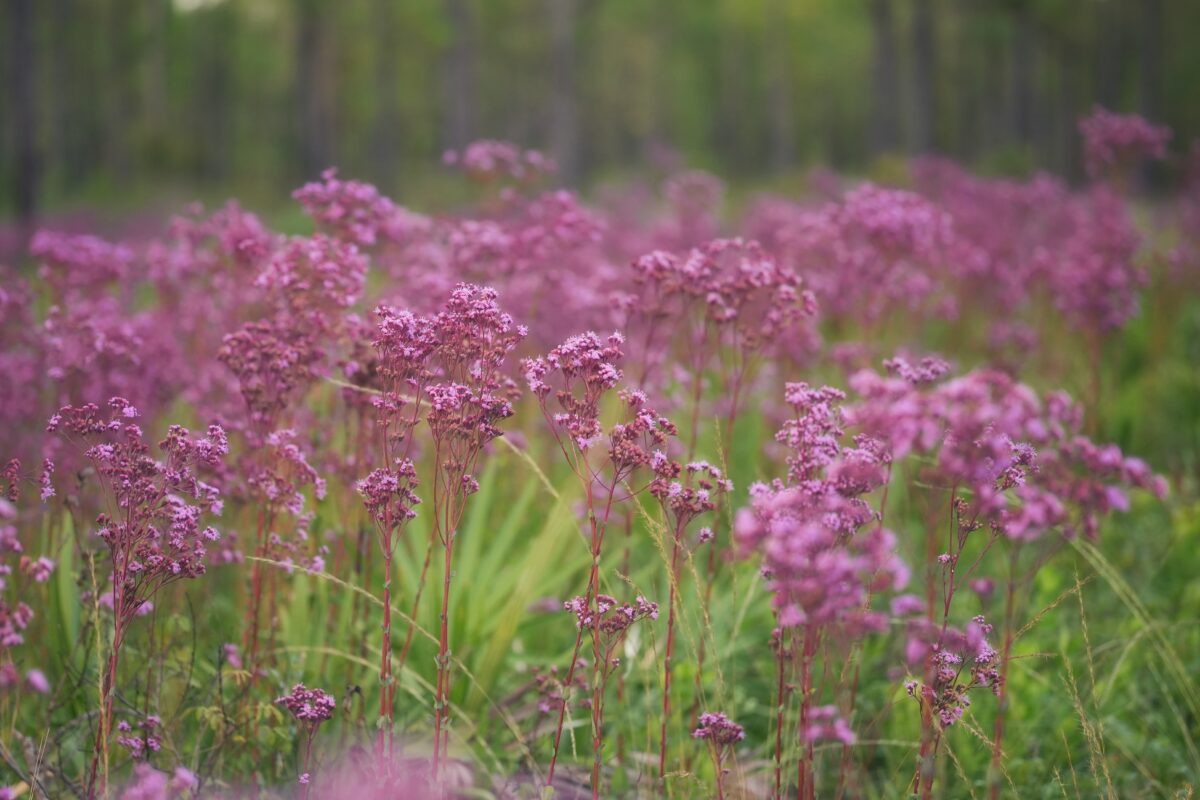
Hairy chaffhead (Trilisa paniculata) is a stunning perennial wildflower found in moist flatwoods and savannas where it tends to form large colonies. It typically blooms from late August through December, with peak flowering in October. Its beautiful fuchsia flowers provide nectar for butterflies, bees, and other pollinators.
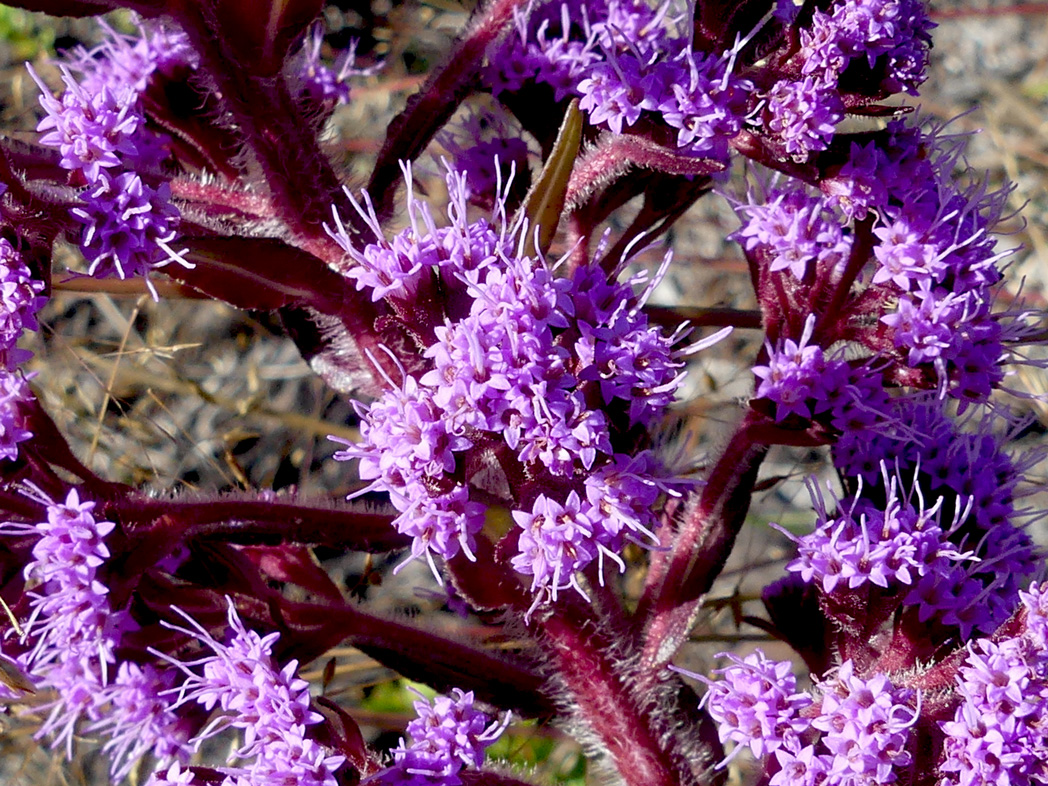
Photo by Craig Mazer
Hairy chaffhead’s many purple flowers are rayless, with tubular disk florets and extended stigmas. They are born in dense, terminal, elongated panicles. Flower stalks emerge from basal rosettes of oblong to elliptic, petiolate leaves that vary in length from 1 to 8 inches. Stem leaves are significantly smaller, lanceolate and sessile. They may be appressed. Margins are mostly entire. Leaf arrangement is alternate. Stems and flower stalks are reddish-purple, covered in hairs and sticky to the touch. Seeds are born in achenes.
There is currently a lack of genetic clarity among the genera Carphephorus, Trilisa and Litrisa, and additional research is needed to reach a more unanimous agreement on their classifications. This species has been previously classified as Carphephorus paniculatus and is still referred to as such in many resources
The common names Hairy Trilisa and Deertongue are also accepted, although Deertongue is also an accepted synonym for Vanillaleaf (C. odoratissimus). “Deertongue” refers to the straplike shape of both plant’s basal leaves.
Family: Asteraceae (Aster, composite or daisy family)
Native range: Nearly throughout except the southernmost counties
To see where natural populations of Hairy chaffhead have been vouchered, visit florida.plantatlas.usf.edu.
Lifespan: Perennial
Soil: Moist to wet, well-drained sandy soils
Exposure: Full sun
Growth habit: 2–3’+ tall when flowering
Propagation: Seed, division
Florida regions of landscape suitability: North, Central, South
Garden tips: Hairy chaffhead is suitable for naturalistic and restoration habitats, as well as informal butterfly gardens. The plant is neither drought nor salt tolerant. It is deciduous and will die back in winter.
Hairy chaffhead is occasionally available from nurseries that specialize in Florida native plants. Visit www.PlantRealFlorida.org to find a nursery in your area.
Learn more about Hairy chaffhead from the Florida Native Plant Society and the Institute for Regional Conservation.
For more information on otherCarphephorus, Trilisa and Litrisa species, see these resources: