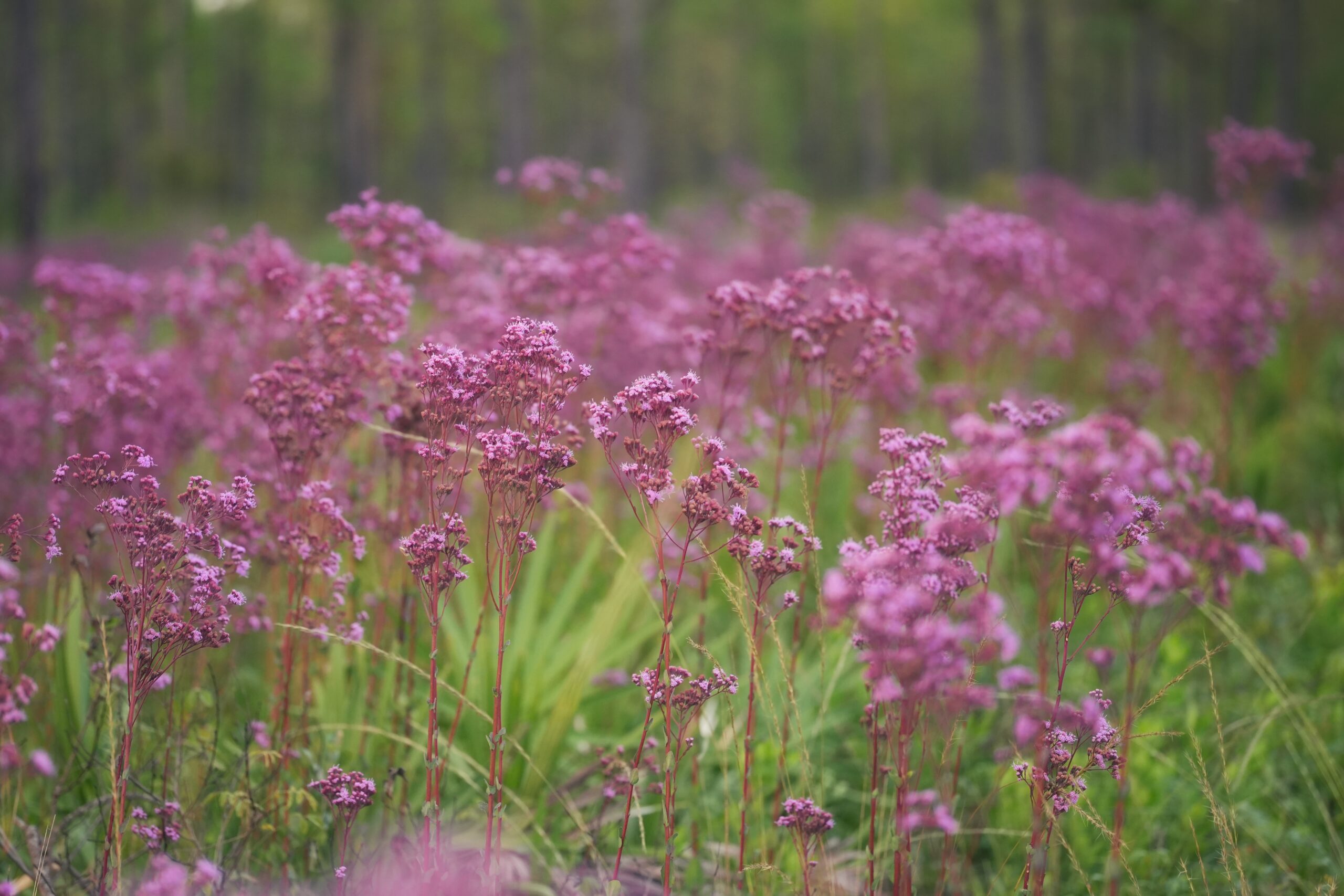
Vanillaleaf
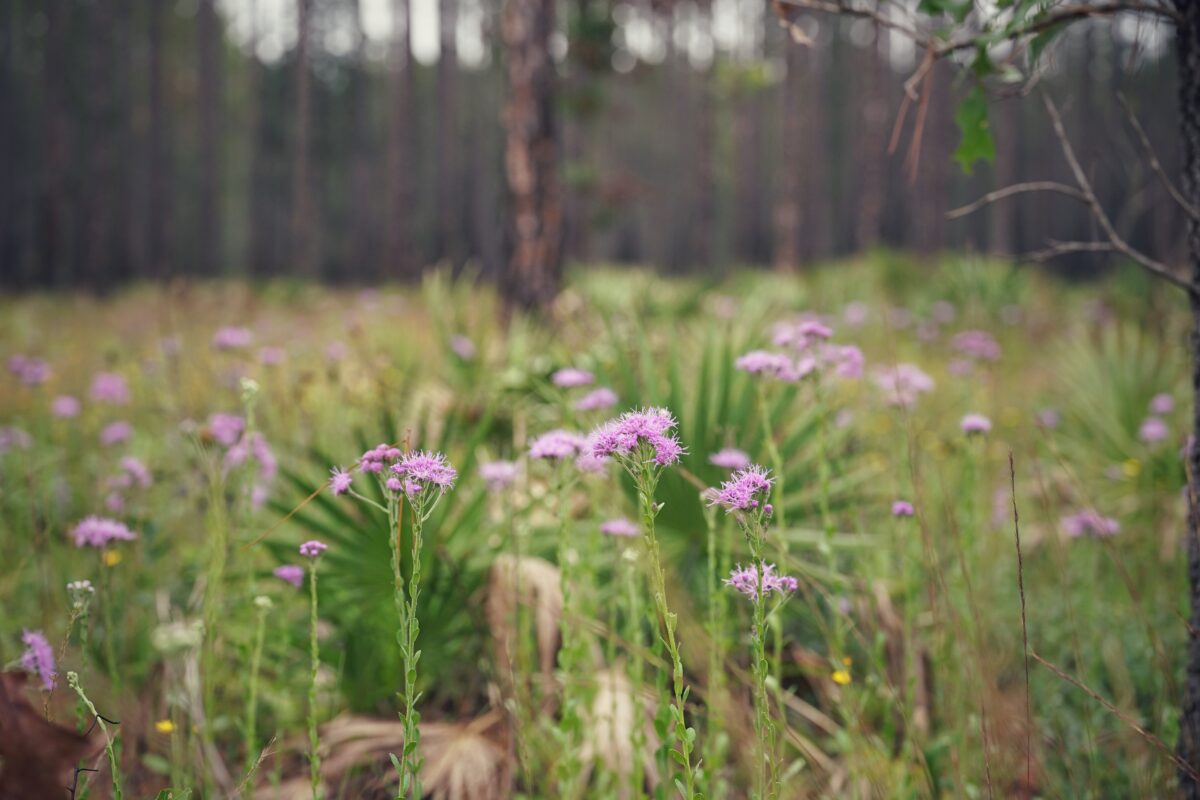
Pictured above: Vanillaleaf (Trilisa odoratissima) by Emily Bell. Click on terms for botanical definitions. View post as a PDF.
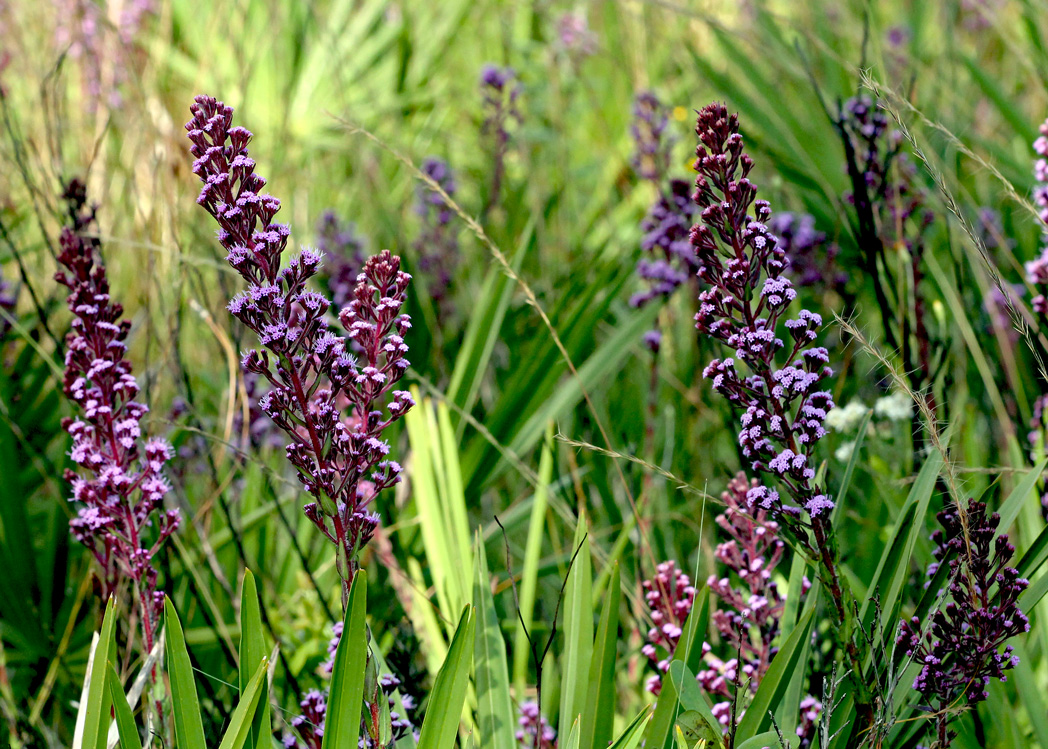
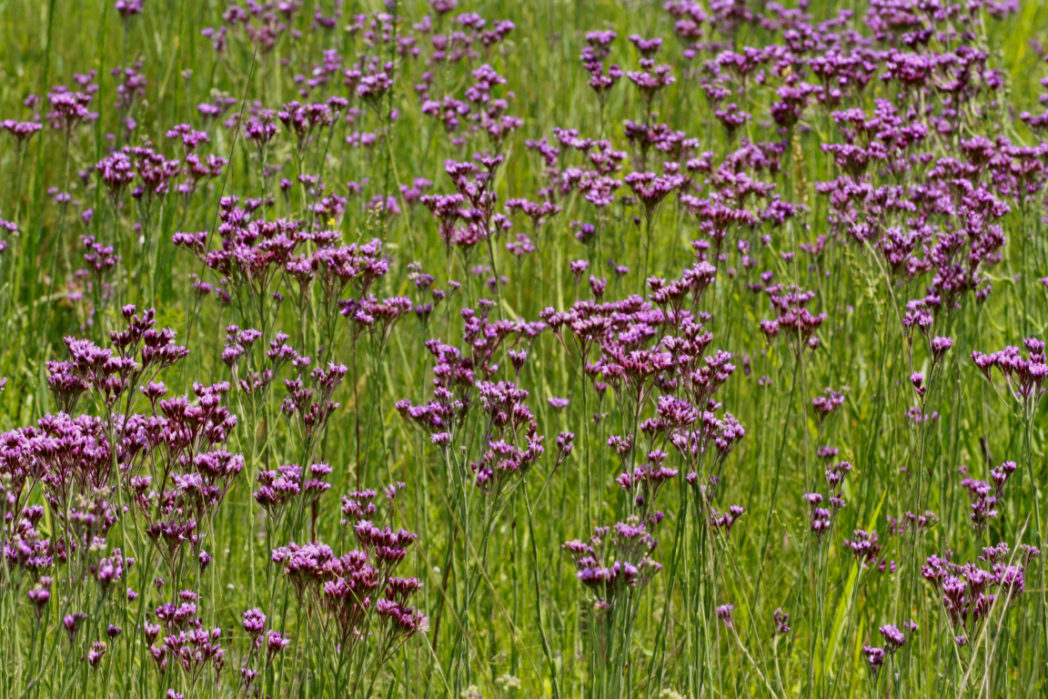
Vanillaleaf (Trilisa odoratissima), also known as Deertongue, is endemic to the Southeastern Coastal Plain, from North Carolina through southeastern Louisianna. It occurs naturally in mesic to wet pine flatwoods and bogs, blooming late summer into fall. Dense stands of Vanillaleaf create a stunning purple display, attracting a variety of butterflies and other pollinators.
Vanillaleaf produces many small purple flowers in terminal, flat-topped inflorescences. Its straplike basal leaves are 6 inches to 1 foot in length and form a rosette. The alternately arranged stem leaves are clasping and become smaller as they ascend the stem. Stems are glabrous.
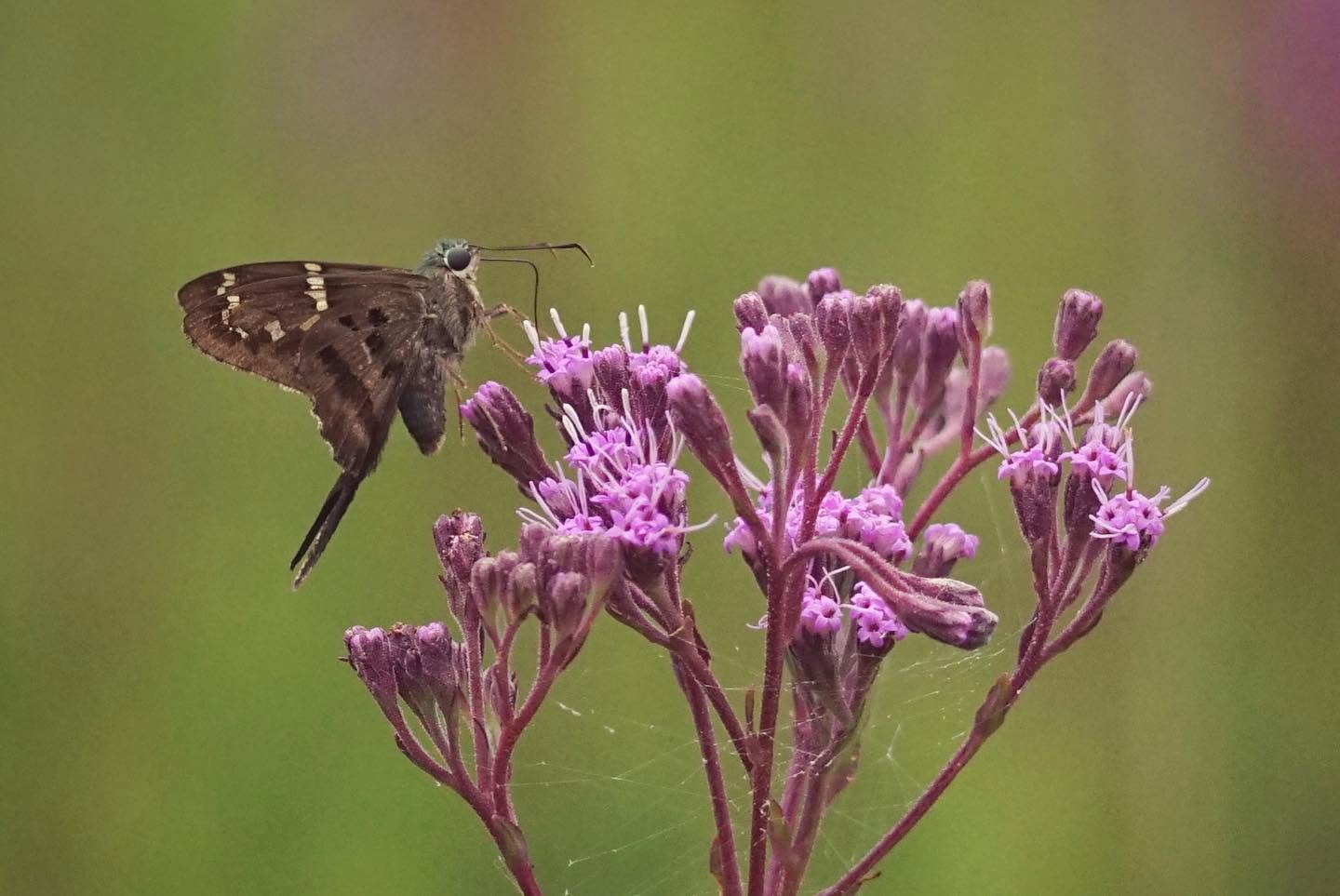
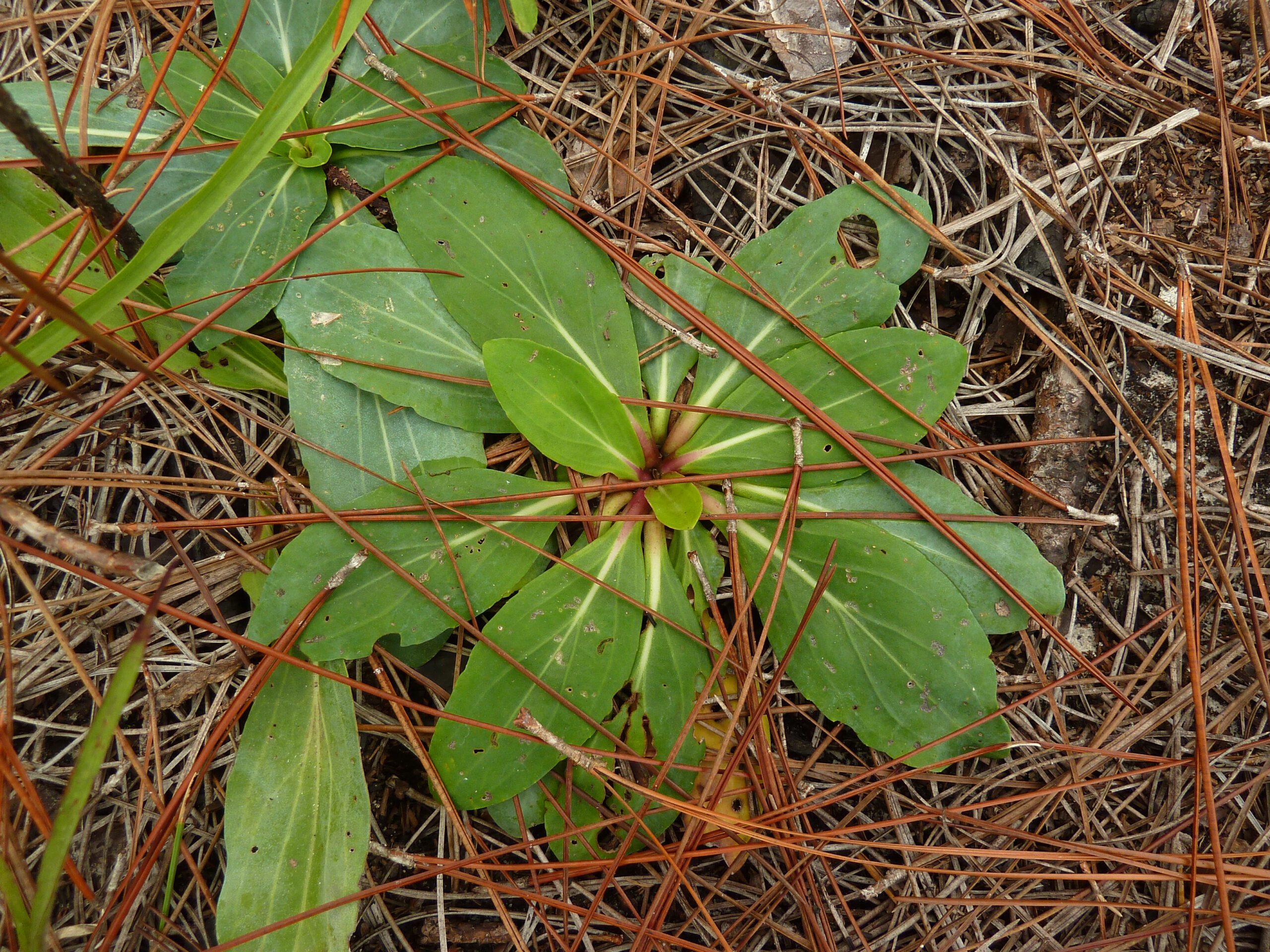
The common name refers to the vanilla-like scent emitted by its leaves, which can be quite strong when it wafts through the woods. The species epithet, odoratissima, is from the Latin for “most fragrant” and also alludes to the leaves’ scent.
Trilisa subtropicana, commonly referred to as False vanillaleaf or South Florida deertongue, is a very similar species that occurs in Central and South Florida. It is distinguished from T. odoratissima by its more slender growth habit, narrower and small leaves, and greatly reduced fragrance.
T. odoratissima and T. subtropicana have been previously classified as Carphephorus odoratissimus and C. odoratissimus var. subtropicanus,respectively, and are still referred to as such in many resources. There is currently a lack of genetic clarity among the genera Carphephorus, Trilisa and Litrisa, and additional research is needed to reach a more unanimous agreement on their classifications.
Family: Asteraceae (Aster, composite or daisy family)
Native range: North and Central Florida to Osceola County
To see where natural populations of Vanillaleaf have been vouchered, visit florida.plantatlas.usf.edu
Lifespan: Perennial
Soil: Moist to moderately dry soils
Exposure: Full sun to partial shade
Growth habit: 4’+ tall
Propagation: Seed
Florida regions of landscape suitability: North, Central
Garden tips: Although Vanillaleaf prefers moist soils, it does not tolerate inundation. It can tolerate drought once established, but requires sufficient moisture during hot summer months or extended dry periods.
Learn more about Vanillaleaf from the Florida Native Plant Society and the Institute for Regional Conservation.
Vanillaleaf is available from nurseries that specialize in Florida native plants. Visit www.PlantRealRlorida.org to find a nursery in your area.
For more information on other Carphephorus, Trilisa and Litrisa species, see these resources: