
Starting from Seed
Part of our $25 for 25 Anniversary Series — explore more stories here.
25 Years of Advancement and a Future in Bloom
Everything begins with a seed. For Florida’s native plants, that’s been the hardest part — and the story of changing that is one of science, partnership and the slow, patient work of building something from almost nothing.
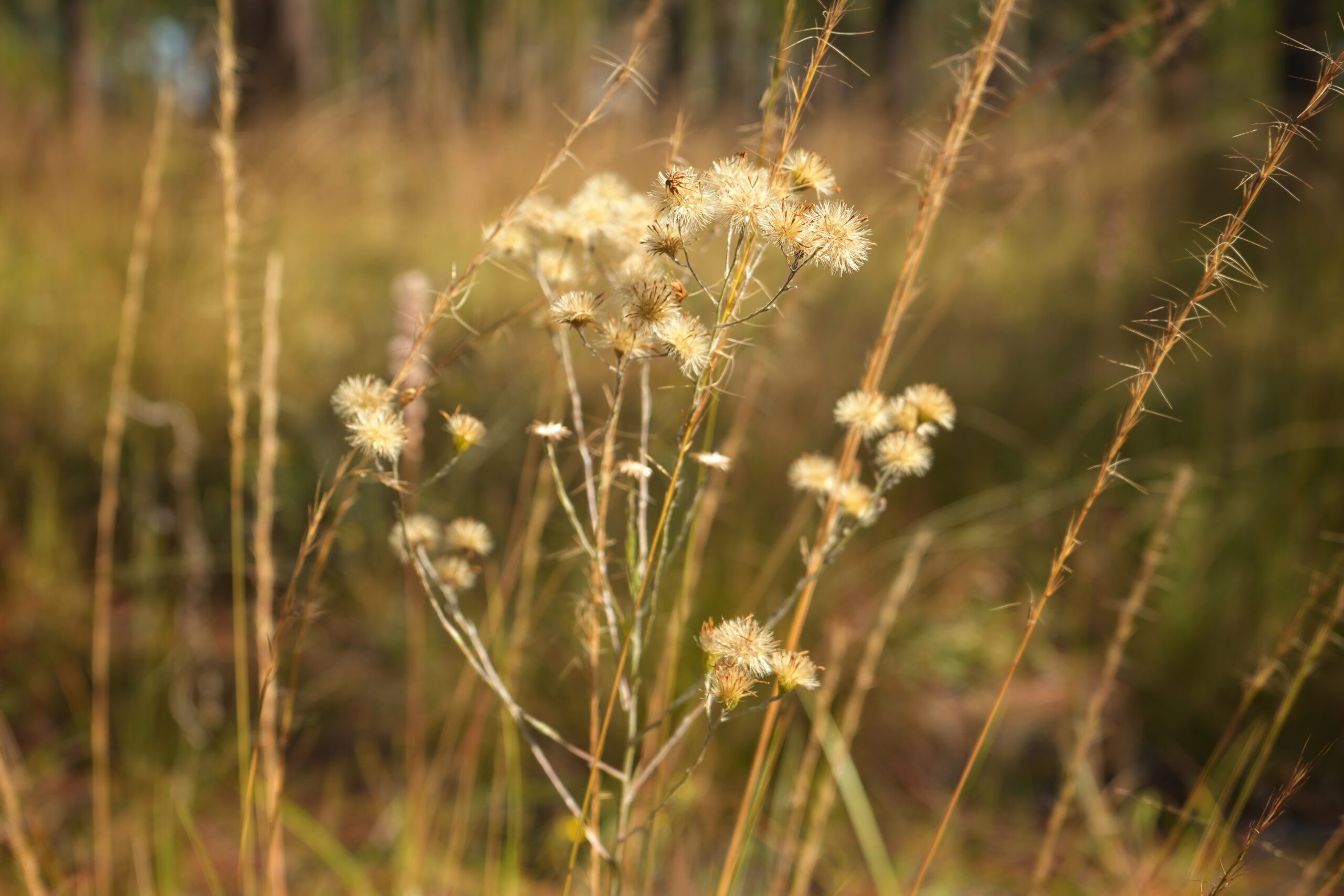
Photo by Emily Bell
The availability of regionally local ecotype native plant seed is critical to ecological restoration and a healthy native plant industry — yet it is a near-universal challenge. Unlike domesticated agricultural plants, many of which have been studied and cultivated for centuries, there is no standardized methodology for wild species, nor a well-developed market for their distribution. Since its incorporation in 2001, this has been a central issue for the Florida Wildflower Foundation. Over 25 years, we have made significant progress, and, more recently, formed a collaboration that promises to bloom abundantly into the future!
The first seeds planted
Florida’s first wildflower program was implemented in the 1970s by the Florida Department of Transportation (FDOT) under the visionary leadership of Gary Henry. At the time, however, a lack of available Florida native wildflower seed led them to look elsewhere. Goldenmane tickseed (Coreopsis basalis) and Drummond phlox (Phlox drummondii) were selected — both species native to Texas. They thrived on Florida roadsides and still create vibrant yellow and pink spring displays today. To meet the demand for FDOT’s program, a few growers began cultivating these species for seed. As Florida-grown Goldenmane tickseed and Drummond phlox seeds became readily available, FDOT still aspired to begin incorporating Florida native wildflowers.
The Florida Federation of Garden Clubs (FFGC) was a dedicated partner in FDOT’s efforts, and in the mid-90s, together they established an interagency public-private team to advocate for the State Wildflower license plate and increase funding and support for Florida’s native wildflowers. As FDOT’s then-Secretary Tom Barry stated in his letter of support to the Florida Department of Highway Safety and Motor Vehicles, the ambition of this effort was to “establish a native Florida wildflower research program…, provide education on the importance of our native flora… [and] foster a native seed industry. Native Florida wildflower seed, through industry development, would be available to the general public.”
A mission in bloom
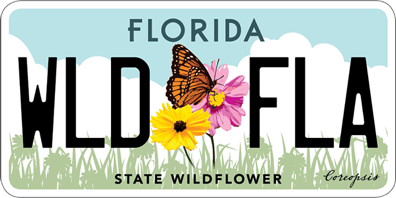
After successfully gaining the needed signatures and support, the first State Wildflower license plate hit the road in June of 2000. In spring 2001, the Florida Wildflower Foundation was established to manage the funds raised. One of the Foundation’s highest priorities was to help make native ecotype seed available for FDOT’s program, the native plant industry, conservations efforts, and consumers.
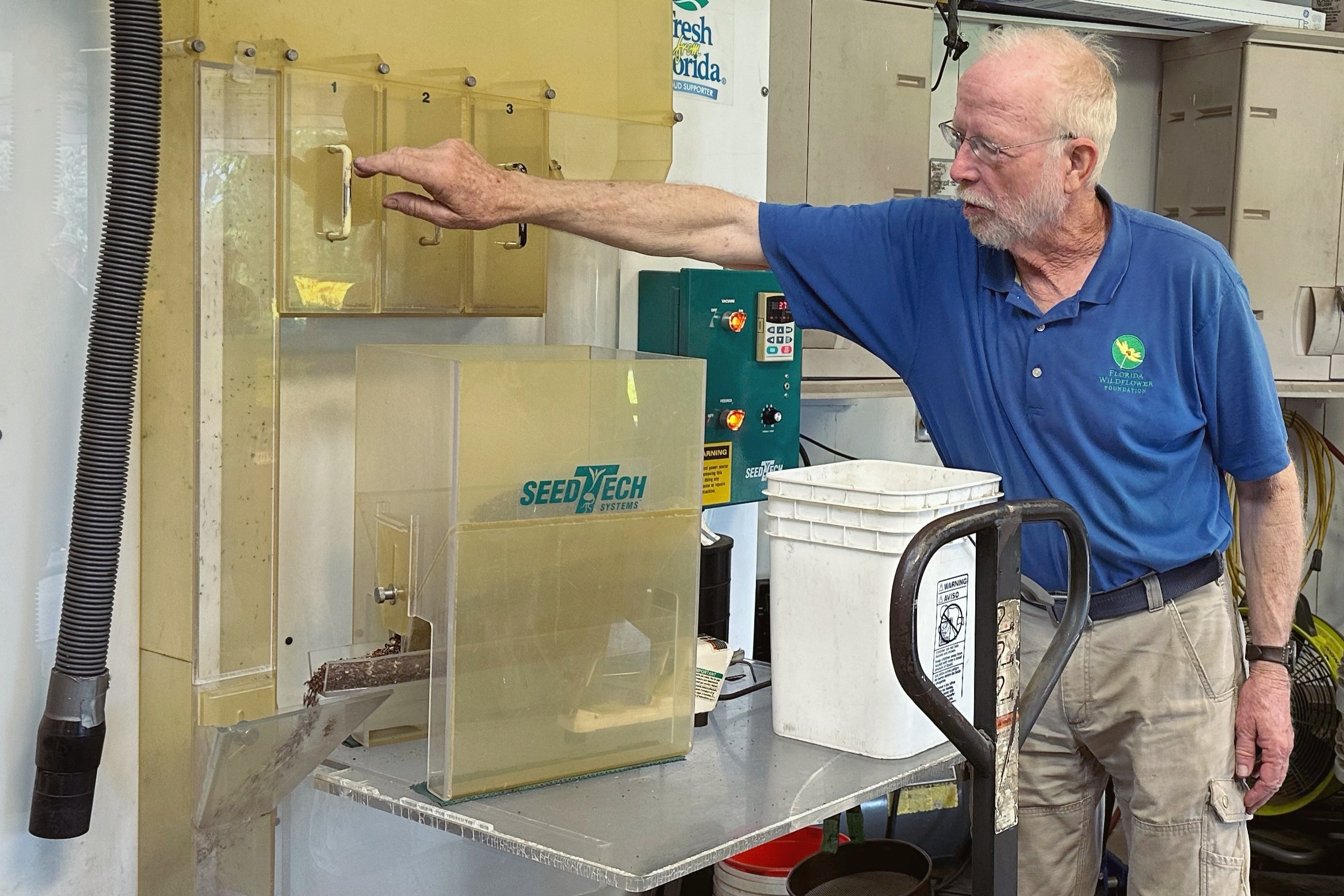
In spring 2003, with the early popularity of the license plate generating revenue and generous support from the Florida Department of Agriculture and Consumer Services (FDACS), the Florida Wildflower Cooperative was established — a for-profit organization of native ecotype plant growers. FDACS provided invaluable early assistance through marketing wildflower seed and value-added grants to help purchase equipment. The Cooperative’s mission is to produce and supply high-quality wildflower seed and plant material for landscape professionals and consumers. Under the leadership of Terry Zinn and many other dedicated individuals, it has provided invaluable assistance in promoting wildflowers and facilitating the growth of this industry. They have pioneered seed germination and harvesting techniques for many native species and made great strides in increasing access and availability.
Another success in 2003 was the creation of the Foundation’s Science Advisory Committee to help shape and carry out our research priorities. The committee brought together Florida’s preeminent botanical experts including Kathy Burks, Botanist, Florida Natural Areas Inventory; Dr. Loran Anderson, Professor Emeritus of Botany, Biological Sciences, Florida State University; Dr. Terril Nell, Professor/Chair, Environmental Horticulture, University of Florida/IFAS; Dr. Jeff Norcini, Associate Professor, Environmental Horticulture, University of Florida/IFAS; Dr. Richard Wunderlin, Professor of Botany, Biology, University of South Florida; and Dr. Nancy Coile, Botanist Emeritus, Division of Plant Industry, FDACS. Dr. Norcini has also served a long-standing role as the Foundation’s Research and Planting contractor. Research priorities focused on developing propagation specifications for native wildflowers, increasing success of seed plantings, and supporting pollinators. The Foundation has also worked closely with many other experts including wildflower grower Claudia Larson; Nancy Bissett, who has specialized in propagating rare scrub and sandhill species for restoration; and native plant industry leader Brightman Logan.
In addition to funding research and providing resources to increase the capacity of growers, the Foundation also prioritized educational outreach — working to ensure the public understands the importance of native plants and has the information needed incorporate them in their own landscapes. Research findings have been used to create publications made available to Floridians across the state, including Collecting and Sowing Wildflower Seed, Seeding Dates for Native Wildflowers and Grasses and Starting a Wildflower Garden from Seed. The Foundation also regularly offers seed packets from the Wildflower Growers Cooperative for sale at outreach events.
Cultivating the future together
Through funding, research and partnership building, we have made great progress over the past 25 years in increasing knowledge and access to Florida native wildflower seed. That said, challenges remain. Over time, the market for native seed has shifted — FDOT’s wildflower program has waned while public and conservation demand have increased. Meanwhile, limited capacity and specialized equipment availability constrain growth opportunities for farmers and contribute to difficulties balancing supply, demand and cost.
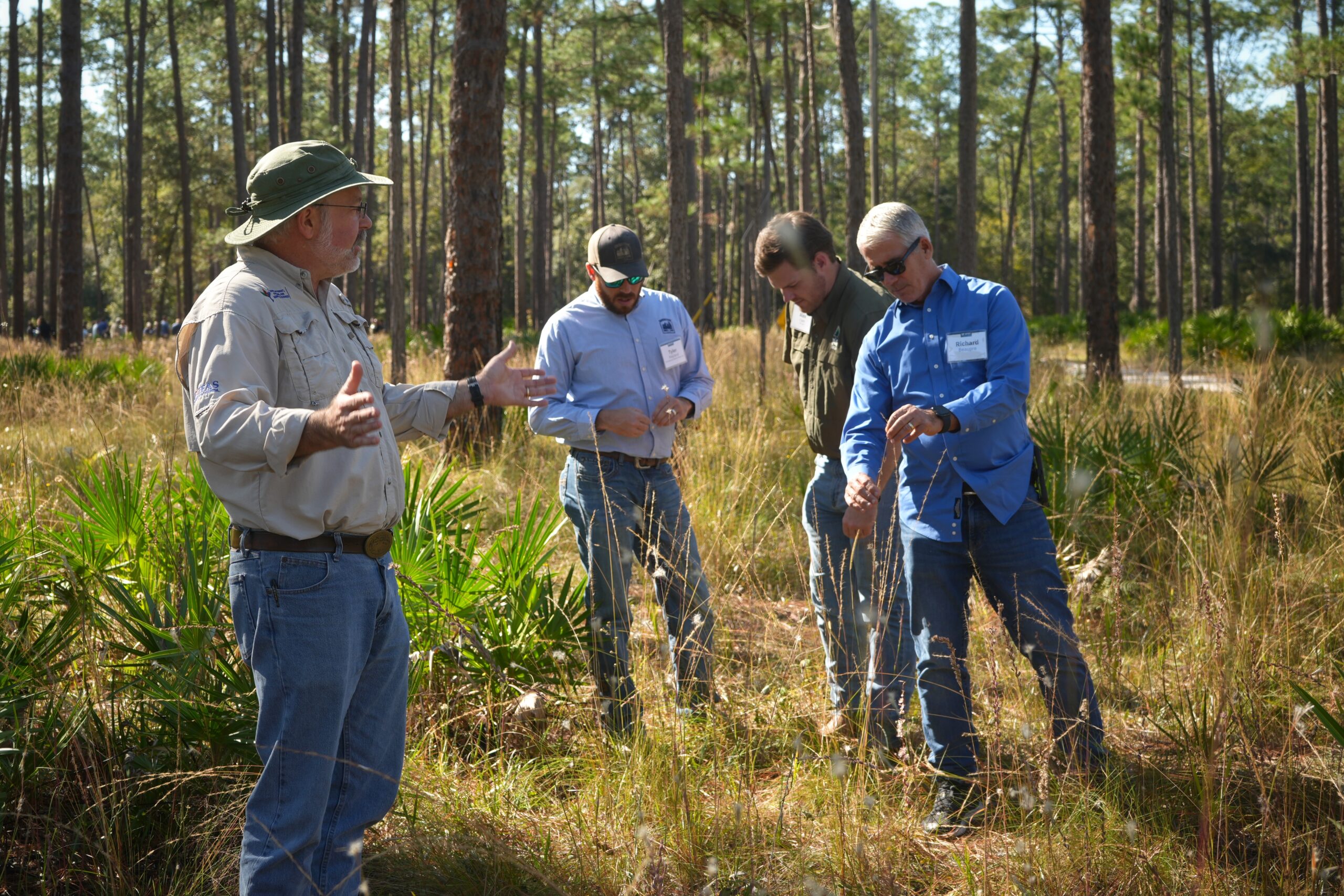
Photo by Emily Bell
The Foundation stands ready to meet these challenges head-on in one of our most exciting endeavors yet: the Florida Native Seed Partnership. Modeled after successful collaborations in other states, the initiative brings together universities, agencies, NGOs, seed farmers, industry leaders and landowners to grow Florida’s native seed industry and ensure a reliable, affordable supply for restoration, the native plant industry, and the public. In partnership with the University of Florida’s Institute of Food and Agricultural Sciences, the Foundation is committed to investing in this program’s success and has welcomed Ali Rieman, a full time Seed Partnership Coordinator to our team. The Partnership is off to a strong start, prioritizing connecting growers with public and private lands to increase access to quality ecotype seed, compiling decades of research and expertise, expanding resources to support new growers, and strengthening the market for native seed.
As we look to a future full of native wildflowers, we need your support more than ever! Contributing to our 25th anniversary fundraising campaign will have a direct impact on these important programs. For a limited time, all donations of $25 or more will receive a free pack of native Leavenworth’s tickseed (Coreopsis leavenworthii) seeds grown by the Wildflower Growers Cooperative.