Seedlings for Schools

School Wildflower Garden Grant Program

Wildflowers and classroom resources for Florida schools are provided through this program. Grants include 30 native wildflower seedlings, classroom resources and professional guidance on garden establishment. Grants are awarded in late May; plants are shipped in the fall in time for the new school year. Teachers who are awarded grants are eligible to receive more wildflowers in the spring if fall gardens are successfully established and cared for. Public and private pre-K through grade 12 teachers may apply.

Applications for 2026 are open March 1 – April 30, 2026.

For questions related to this program contact
Program and Administrative Coordinator Rose Kinane.
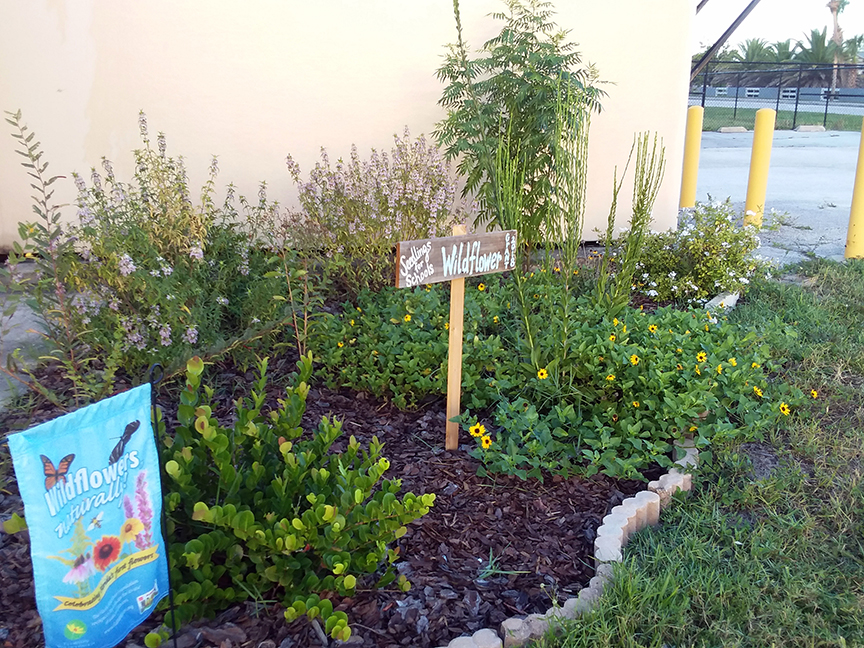
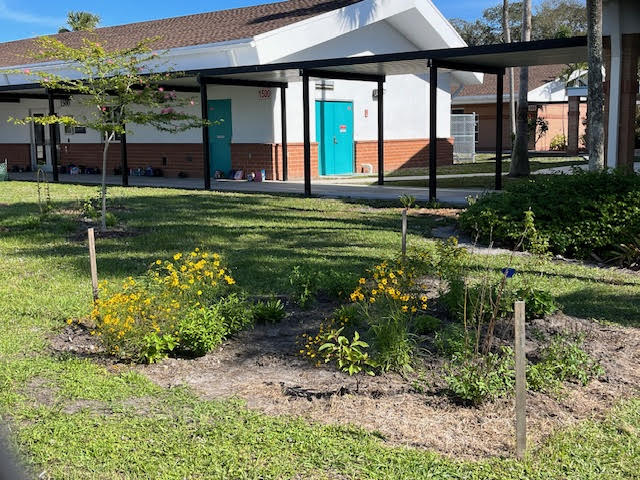
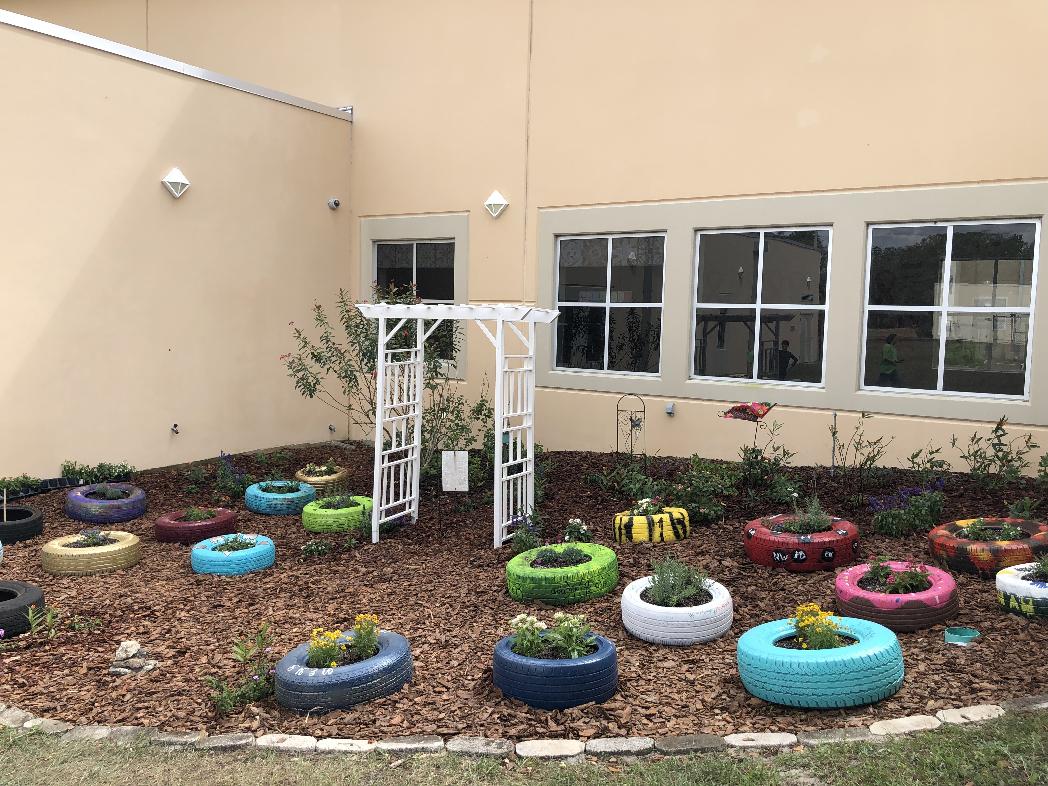
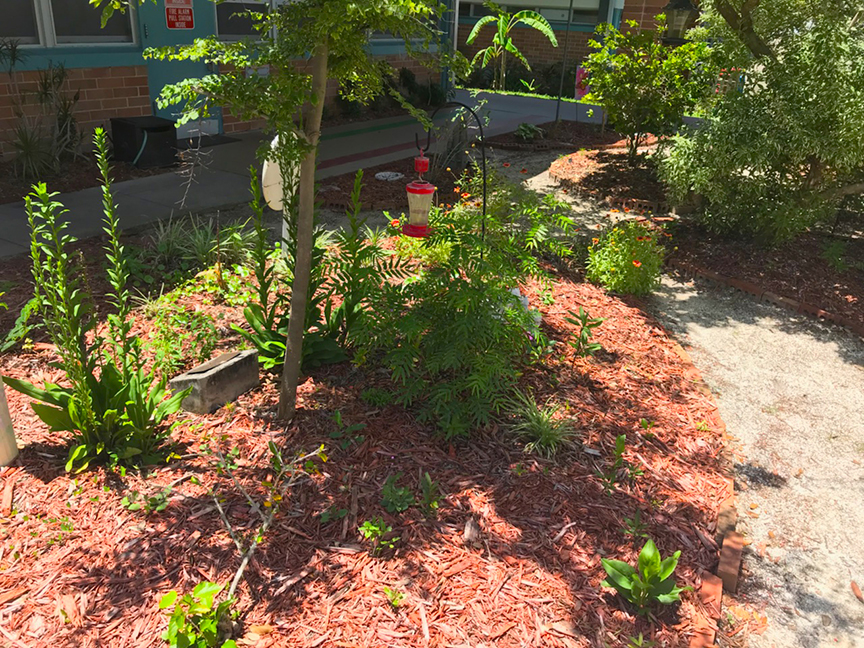
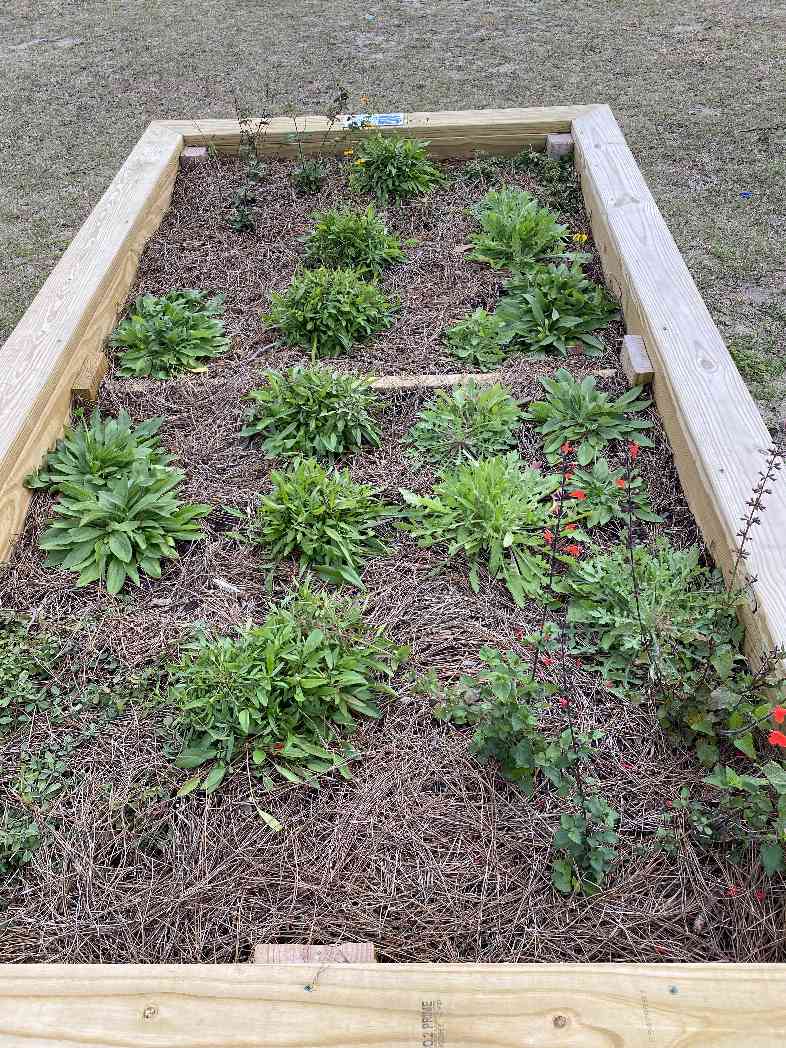
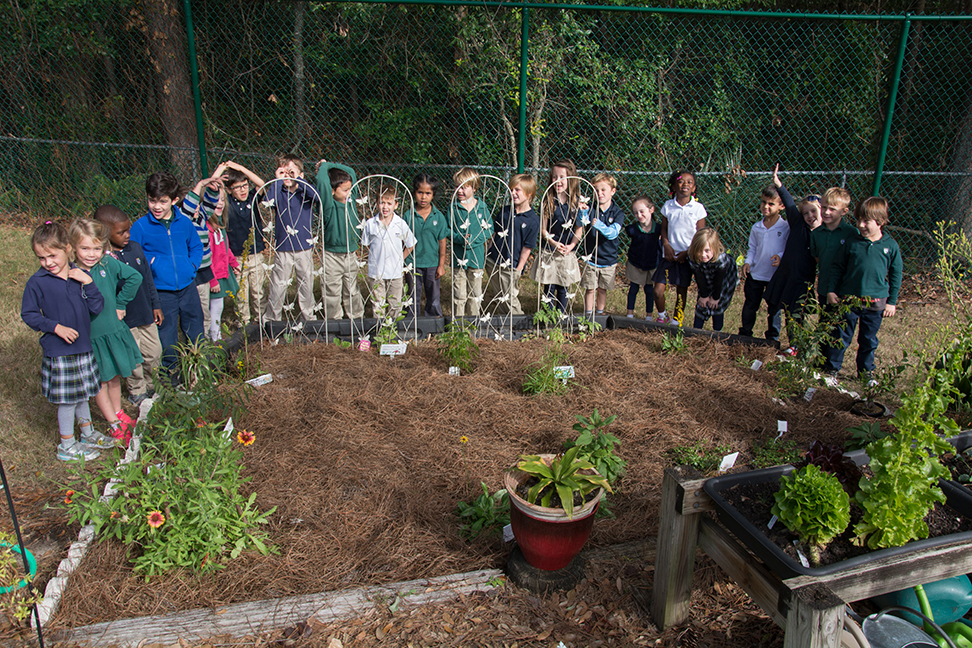
Wildflower garden at Sea Park Elementary
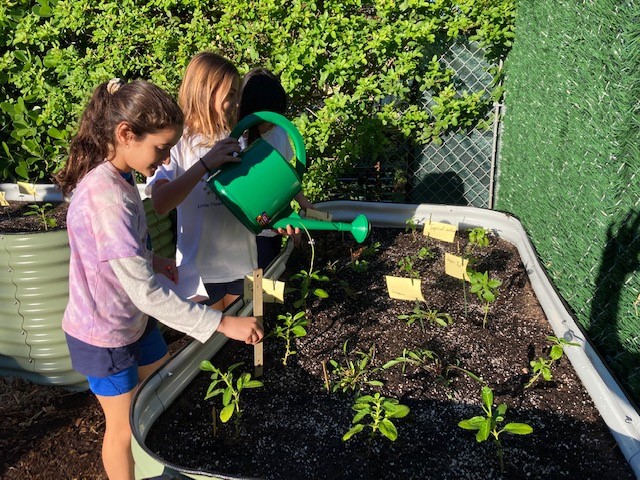
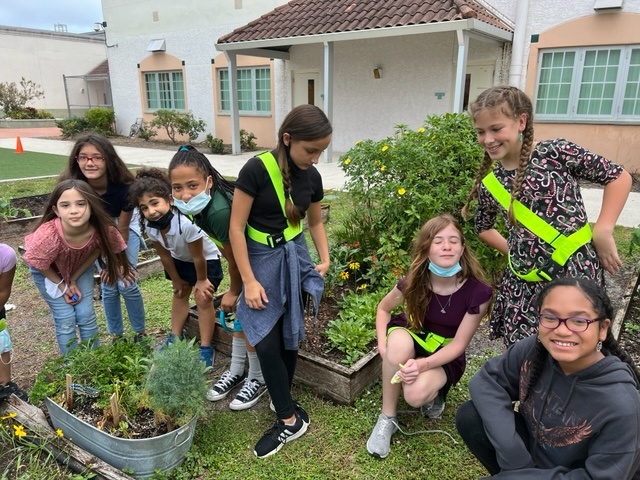
Seedlings for Schools planting at Sea Park Elementary

Criteria

  • Schools must be located in Florida.
  • Gardens must be planted on public or private school property with the permission from the school administrator. Homeschools may apply only if the garden is located in a community space such as a co-op.
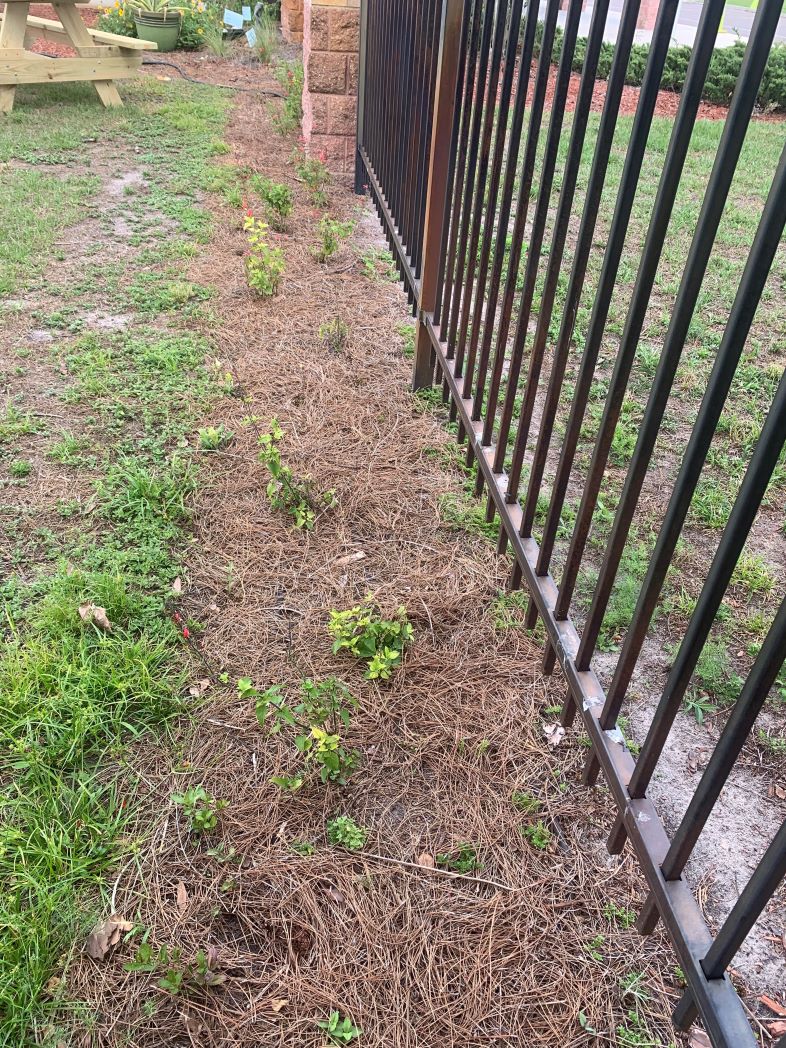
  • The school must have an outdoor garden site free of turf and weeds. The site must be properly prepared before installing seedlings.
  • Applicants must be full-time teachers or school employees.
  • Teachers must confirm that the native garden will be incorporated into their school curriculum.
  • Teachers must verify that the garden site provides adequate growing conditions and demonstrate a commitment to growing wildflowers.
  • Applicants must include three photos of the intended garden site.
  • Remove all weeds and grasses from the site before planting.
  • Do not plant any plants considered invasive in Florida. (See the FISC List of Invasive Plant Species.)
  • Do not add potting soil or fertilizer to the garden.
  • Do not use cypress mulch. Acceptable mulches include pine straw, compost or recycled tree trimmings; leaving the soil bare is also acceptable).
  • Protect the garden from foot traffic and unauthorized mowing.
  • Ensure the garden will be tended by students or volunteers to support plant survival.
  • Water the garden until established, and thereafter as needed.
  • Remove weeds regularly to maintain the integrity of the wildflower planting.
  • Develop a plan for summer maintenance to ensure the garden’s survival.
  • Participants must complete a survey in December and submit three photos of the garden. At least one photo should show the garden in peak bloom, and at least one should show students utilizing the garden.
  • Teachers who demonstrate commitment to the garden and complete the December survey may be eligible for additional seedlings in the spring.

Resources

Designed to help your wildflower gardens — and gardeners — grow
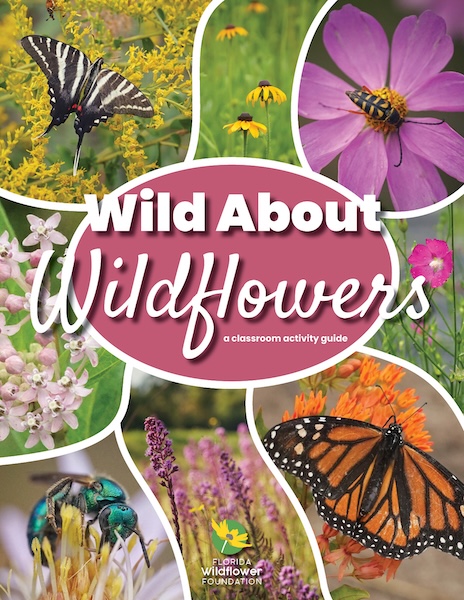
Collage of wildflowers and pollinators with text: Wild About Wildflowers: a classroom activity guide by the Florida Wildflower Foundation.
Wild About Wildflowers! activity guide

Wild About Wildflowers! is a free, standards-aligned activity guide that introduces students to Florida’s native wildflowers and their place in the state’s ecosystems. Nine units cover flower anatomy, life cycles, pollination, seed dispersal, adaptations, plant and animal interactions, the importance of wildflowers to people and the environment, wildflower identification and wildflower names. Each unit includes hands-on activities, vocabulary, discussion questions and curated resources. Aligned to third- and fourth-grade Florida standards, the guide is adaptable for other grade levels and suitable for informal settings.