
Alligatorflag
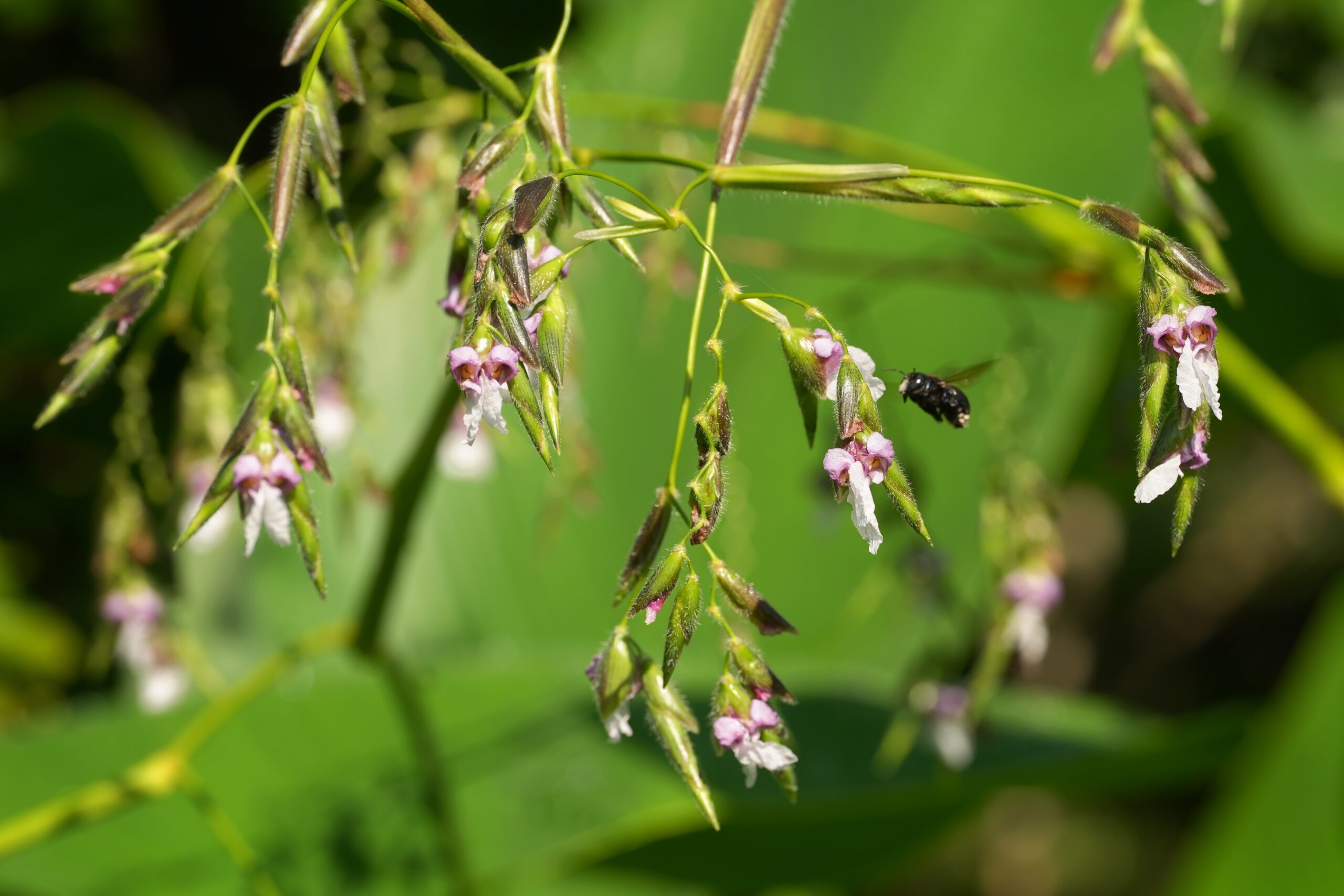
Pictured above: Alligatorflag (Thalia geniculata) by Emily Bell. Click on terms for botanical definitions. View post as a PDF.
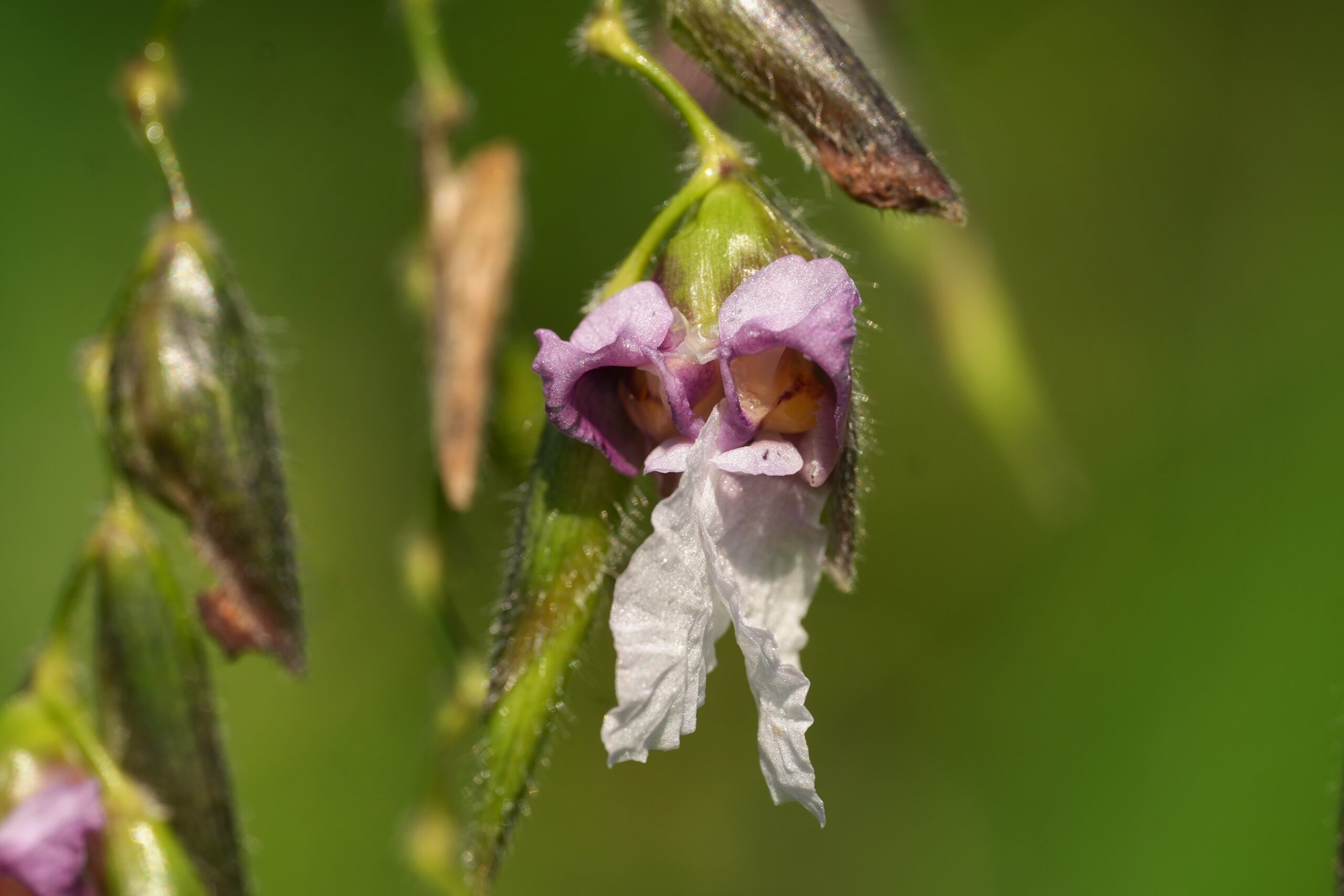
Alligatorflag (Thalia geniculata) (also known as fireflag) is a tall, sturdy herbaceous perennial. Compared to the overall size of the plant, its blooms are somewhat inconspicuous. Flowers are purplish to whitish, 3-petaled and often nodding. Leaves are large (3’+ long), broadly lanceolate with long petioles and pointed tips. They emerge from the base of the plant. Flower stalks extend well beyond leaves.
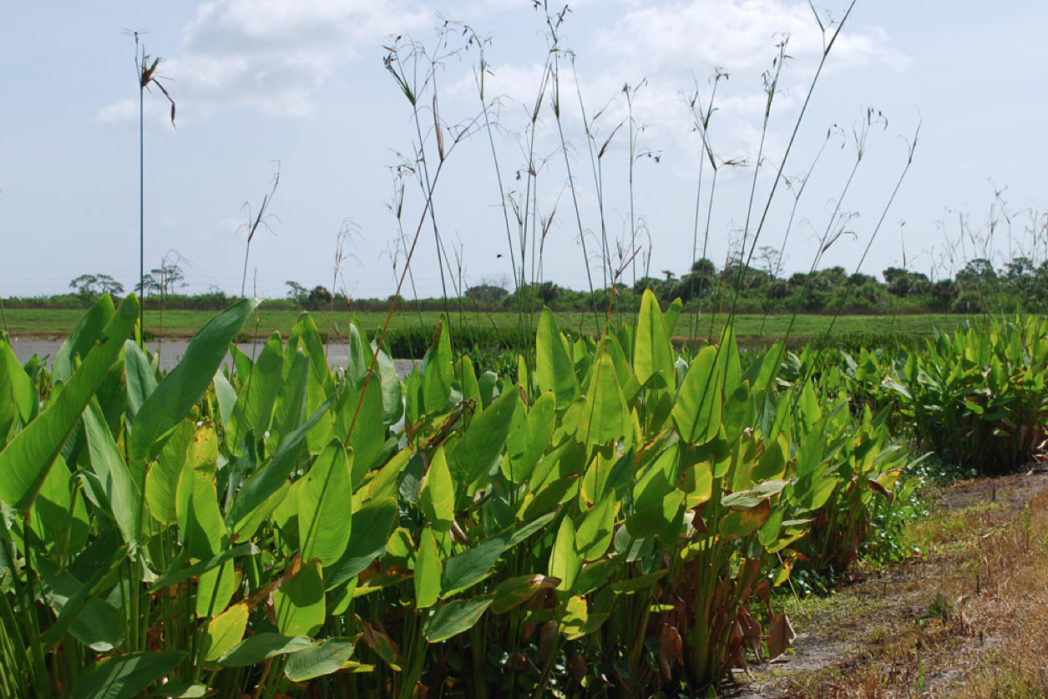
Alligatorflag typically blooms summer through fall. It occurs naturally in wetland depressions and cypress sloughs, and along the edges of marshes, swamps and wet ditches.
Alligatorflag is the host plant for the Brazilian skipper (Calpodes ethlius). It also provides cover for nesting water birds.
Family: Marantaceae (Arrowroot family)
Native range: Most of peninsula; Gulf, Franklin, Wakulla and Gadsden counties
To see where natural populations of Alligatorflag have been vouchered, visit florida.plantatlas.usf.edu.
Life span: Perennial
Soil: Wet, rich, acidic soils
Exposure: Full sun to partial shade
Growth habit: Up to 9’ tall
Propagation: Seed, rhizomes
Florida regions of landscape suitability: North, Central, South
Garden tips: Alligatorflag is best used in wetland restorations or to enhance retention pond edges. It does well in very wet conditions, including standing water. Note that it dies back in winter.
Alligatorflag is often available at nurseries that specialize in native plants. Visit PlantRealFlorida.org to find a native nursery in your area.
Learn more about Alligatorflag from the Florida Native Plant Society and the Institute for Regional Conservation.