
Climbing hydrangea
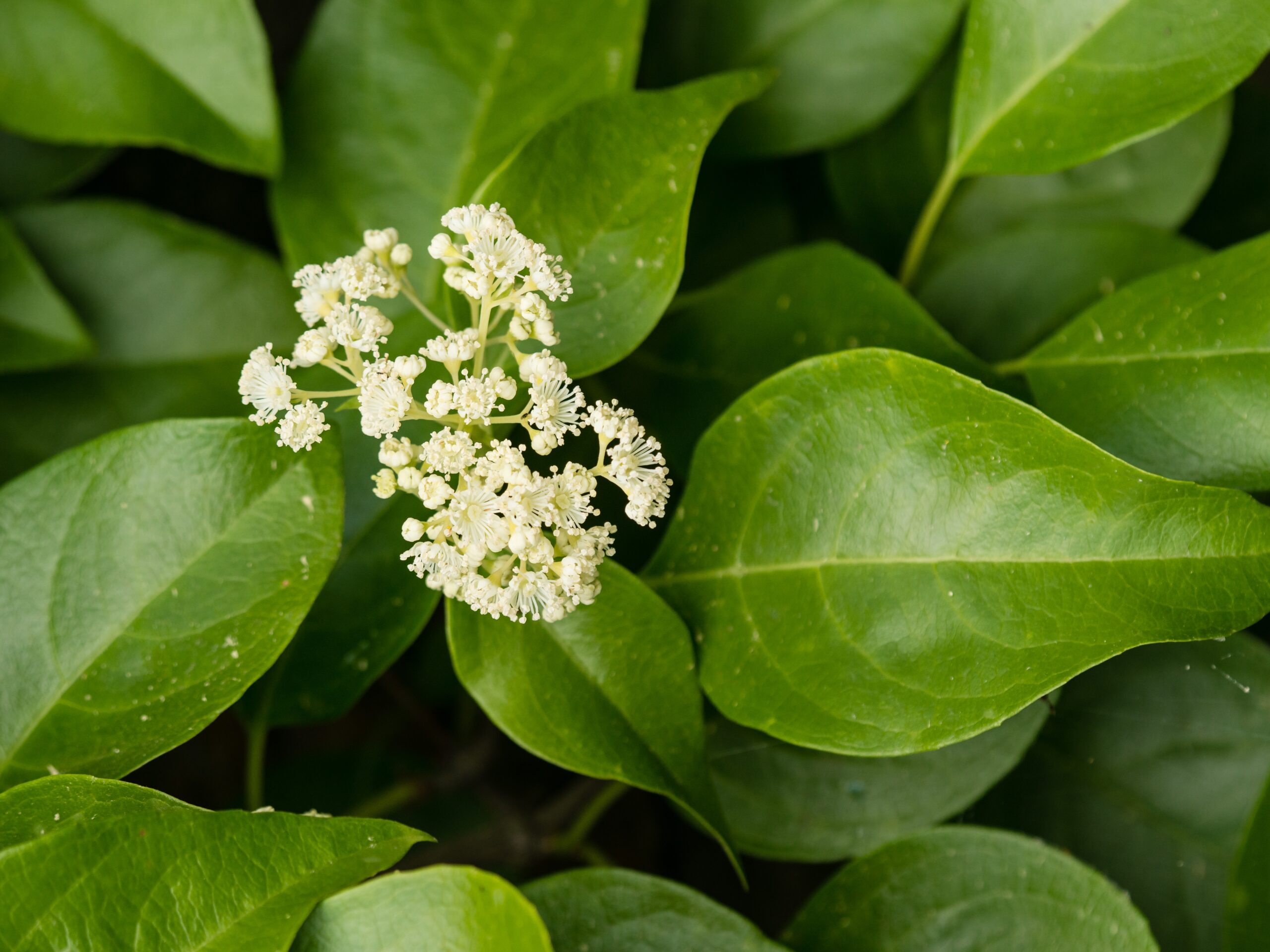
Pictured above: Climbing hydrangea (Hydrangea barbara) by Keith Bradley. Click on terms for botanical definitions. View post as a PDF.
Climbing hydrangea (Hydrangea barbara), also commonly known as Woodvamp or Cowitch vine, is endemic to the Southeastern United States, ranging from Virginia west to East Texas and south into Central Florida. It occurs naturally in moist forests and swamps. Its fragrant, showy white flowers bloom in spring and summer, attracting a variety of pollinators.
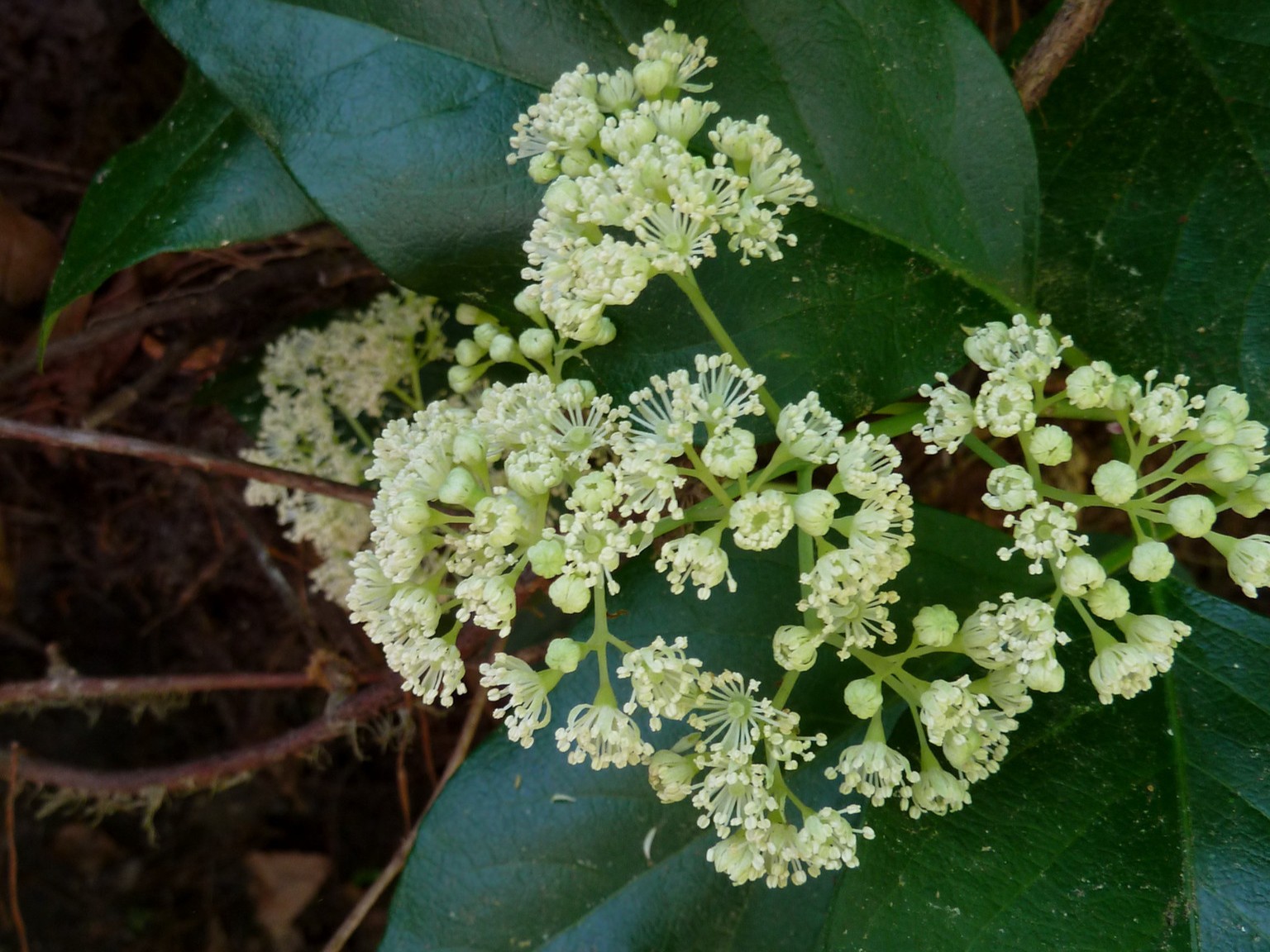
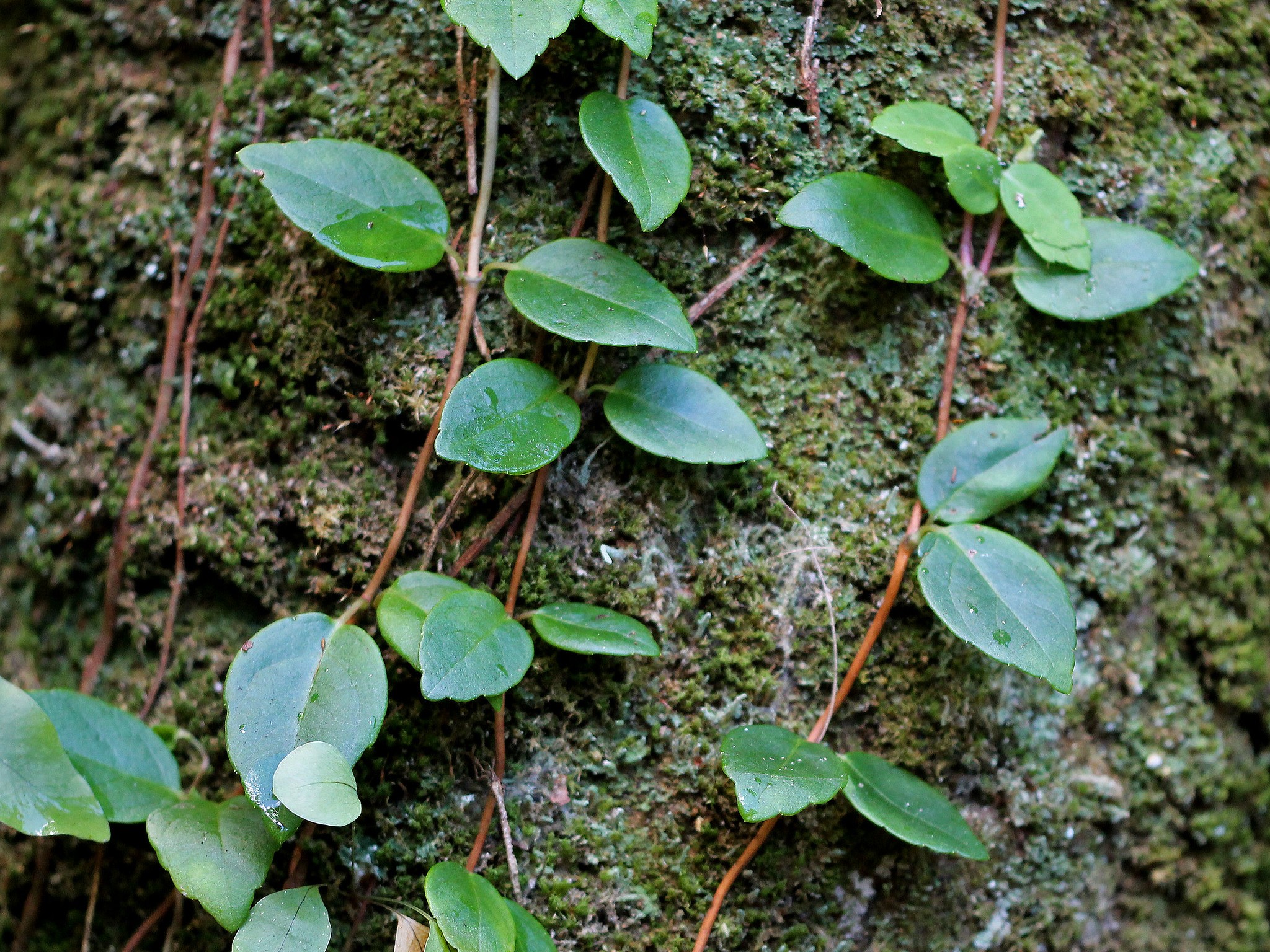
This woody, deciduous vine has glossy, dark green, ovate leaves that fade to a creamy tan in the fall. They are oppositely arranged and cover the plant from top to bottom. Numerous white flowers occur in terminal umbels, produced only on new climbing wood. Individual flowers are small with many protruding stamens. Seeds are born in dehiscent, urn-shaped capsules.
This species was previously known as Decumaria barbara and may still be referenced as such in online and print resources.
Family: Hydrangeaceae (Hydrangea family)
Native range: North Florida into the central peninsula to Hillsborough, Polk and Osceola counties
To see where natural populations of Climbing hydrangea have been vouchered, visit florida.plantatlas.usf.edu.
Lifespan: Perennial
Soil: Moist to wet sandy or loamy soils high in organic matter
Exposure: Part to full shade
Growth habit: Climbing up to 30’ or trailing groundcover
Propagation: Softwood cuttings
Florida regions of landscape suitability: North, Central
Garden tips: Climbing hydrangea is great for a shady area, whether climbing in trees or on a trellis. It can also be used as a groundcover, but it will not flower in this habit.
Climbing hydrangea is occasionally available from nurseries that specialize in Florida native plants. Visit www.PlantRealFlorida.org to find a nursery in your area.
Learn more about Climbing hydrangea from the Florida Native Plant Society and the Institute for Regional Conservation.